Atelier — Livrare gratuită în întreaga lume — Livrare în 2–6 săptămâni
Tablou după fotografie Lista de dorințe Coșul meu
PrevizualizarePrevizualizare Previzualizare ARPrevizualizare AR Comandă versiunea tipărită Comandă versiunea tipărităComută la imagine Comută la imagine TrimiteTrimite
Detalii despre lucrareDetalii despre lucrare Adaugă la favorite Adaugă la favorite DescarcăDescarcă Produse similareProduse similare RadiografieRadiografie Diapozitive automateDiapozitive automate

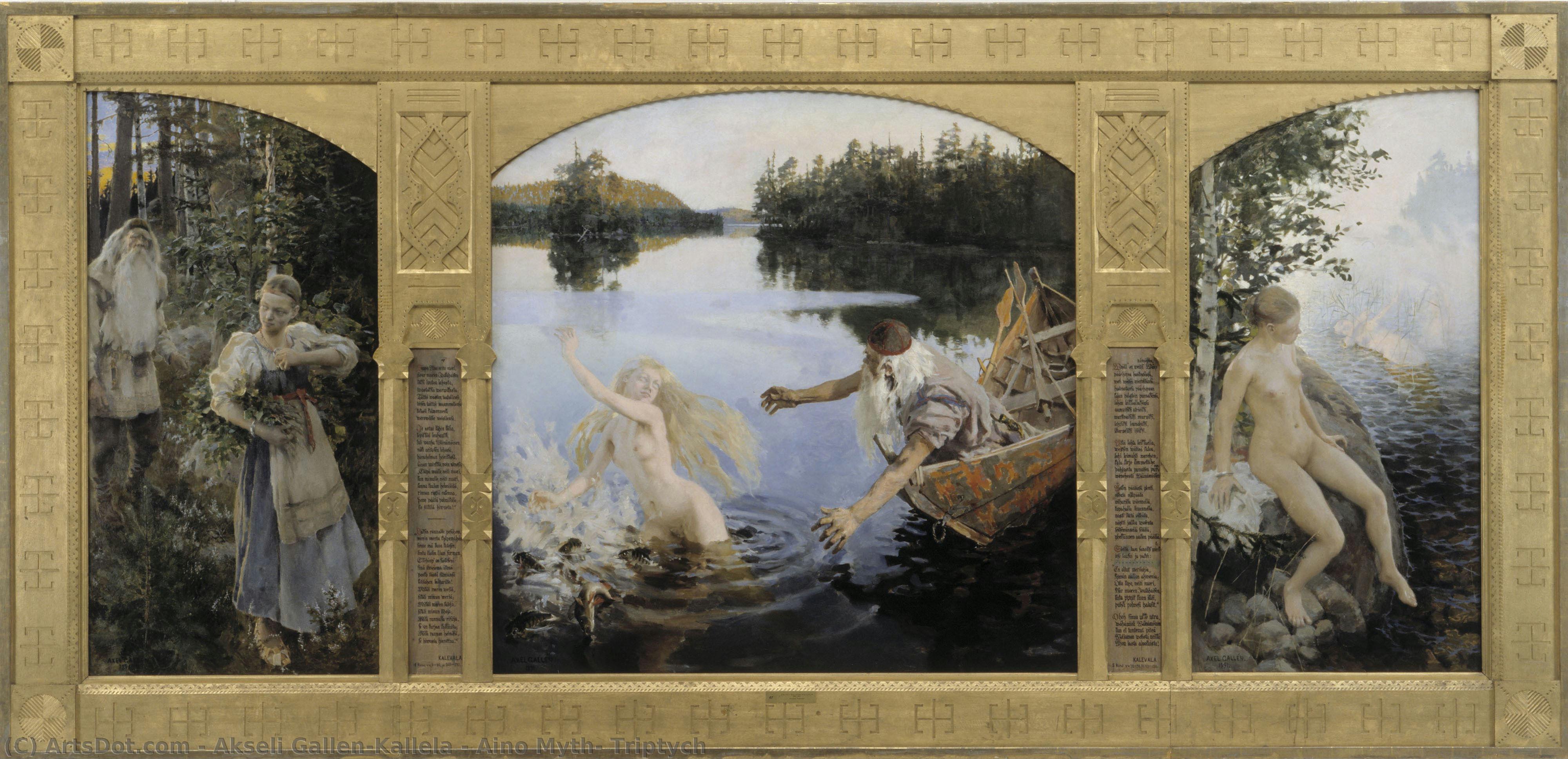
Tripticul Ainoi Mită

Tripticul Ainoi Mită de Akseli Gallen-Kallela este o operă emblematică a Renașterii Naționale finlandeze, inspirată din mitologia Kalevala și reprezentând povestea unei tinare femei și a bărbatului puternic Väinämöinen.

Descoperiți Akseli Gallen-Kallela (1865-1931), pictorul iconic finlandez al epopeii Kalevala! Explorați stilul său Național Romantic, peisaje simbolice și rolul crucial în definirea identității naționale finlandeze.

Reproducere pictată manual în ulei

Pictură în ulei pe pânză, realizată manual de artiștii noștri la dimensiunea și ramele dorite de dumneavoastră, pe comandă. (Comandă versiunea tipărită Comandă versiunea tipărităComută la imagine Comută la imagine)

P118B $10
P118H $10
P118W $10
P438Z $10
P508JH $12
P508YH $12
P805H $10
P805Z $10
P919BZ $10
P919G $10
P919XJ $10
P959ZH $10
P968JZ $12
W106C $8
W218G $10
W218JH $8
W218Y $10
W307PJ $10
W316G $10
W316PJ $8
W316Y $10
W398PJ $8
W4111J $10
W500HY $15
W500JH $15
W692G $12
W849H $8
W940BG $15
W953PJ $8

Standard
custom
CM
INCH

Alegeți dintre dimensiunile noastre prestabilite, care respectă proporțiile originale ale operei de artă.

lățime
înălțime

Puteți introduce propriile dimensiuni pentru a se potrivi unui anumit cadru sau spațiu. Dacă dimensiunea selectată nu corespunde proporțiilor imaginii originale, vom decupa opera de artă sau vom extinde pictura cu elemente suplimentare pictate manual. O simulare digitală vă va fi trimisă pentru aprobare înainte de începerea producției.
Vă rugăm să rețineți că previzualizarea de pe ecran nu reflectă decuparea sau extinderea reală. Doar macheta va arăta cu exactitate compoziția finală.
Deși sunt disponibile dimensiuni personalizate, vă recomandăm să selectați o dimensiune din lista predefinită pentru a păstra proporțiile originale.

Exemple de elemente ce pot fi personalizate: Înlocuiți fața cu fotografia clientului; Adăugați un animal de companie (de exemplu, înlocuiți pisica cu un câine); Includeți un mesaj ascuns în fundal; Schimbați peisajul sau elementele din fundal.
După plasarea comenzii, echipa TopImpressionists.com va contacta clientul prin e-mail pentru instrucțiuni și îi va furniza o previzualizare a machetei

Livrare în întreaga lume () în 3-4 săptămâni, în loc de cele 5 săptămâni standard. (11 August). Fără compromisuri în ceea ce privește calitatea.

why_choose_icon
Livrare expres gratuită la nivel mondial
why_choose_icon
Pânză de in de înaltă calitate
why_choose_icon
Asigurare completă pentru transport
why_choose_icon
Garanție de rambursare a taxelor vamale
why_choose_icon
Garanția fidelității culorilor
why_choose_icon
Politica de retur în 60 de zile (doar pentru defecte)
why_choose_icon
Garanție de rambursare 100%
why_choose_icon
Ofertă pentru comenzi multiple

Preț total

$ 269

reproduction

Tripticul Ainoi Mită

Tehnică de reproducere

Dimensiune reproducere

-

Preț total calculat

$ 269

Informații rapide

  • Artistic style: Symbolic Landscape
  • Artist: Akseli Gallen-Kallela
  • Title: Aino Myth, Triptych
  • Location: Ateneum Art Museum, Helsinki
  • Dimensions: 413 x 200 cm
  • Year: 1891
  • Movement: National Romanticism

Test de cultură artistică

Fiecare întrebare are un singur răspuns corect.

Întrebare 1:
What Finnish epic inspired Akseli Gallen-Kallela’s masterpiece?
Întrebare 2:
The central image depicts Väinämöinen encountering Aino during what activity?
Întrebare 3:
Which artistic movement is Gallen-Kallela’s triptych considered to be a foundational element of?
Întrebare 4:
What material was used for the wooden framework of the Aino Myth Triptych?
Întrebare 5:
Where is the Aino Myth Triptych currently displayed?

Descriere operă de artă

Aino Myth, Triptych - Akseli Gallen-Kallela

This triptych, “Aino Myth,” stands as a cornerstone of Finnish art history and embodies the spirit of the National Romantic movement—a fervent embrace of folklore and mythology that irrevocably shaped Finland’s artistic consciousness. Painted in 1891 by Akseli Gallen-Kallela, it's more than just a depiction of a Kalevala tale; it’s a profound meditation on themes of rejection, defiance, and the enduring power of feminine resilience against societal pressures. The artwork resides at the Ateneum Art Museum in Helsinki, Finland, offering visitors an unparalleled opportunity to experience its visual grandeur firsthand.

Subject Matter & Narrative

The painting recounts the legendary encounter between Aino, a young woman famed for her unwavering purity and refusal to marry despite Väinämöinen’s ardent proposals, and Väinämöinen, the Kalevala's venerable sage—a figure representing wisdom and tradition. Gallen-Kallela meticulously captures three pivotal moments from this narrative: Firstly, Väinämöinen earnestly seeks Aino’s hand in marriage, presenting her with a fish transformed into an image of herself – a mocking gesture highlighting his inability to comprehend her steadfast refusal. Secondly, the central panel portrays their subsequent meeting on a fishing expedition where Väinämöinen confronts Aino once more, revealing his frustration at her rejection. Finally, the third panel depicts the poignant aftermath as Väinämöinen observes Aino’s deliberate drowning – an act symbolizing ultimate defiance and asserting her autonomy against societal expectations.

Style & Technique - National Romantic Symbolism

Gallen-Kallela's artistic style is unmistakably rooted in the National Romantic movement, characterized by a dramatic use of color—particularly blues and greens—to evoke the melancholic beauty of Finnish landscapes. His meticulous brushwork conveys texture and depth, capturing the ruggedness of the Finnish wilderness while simultaneously conveying an emotional intensity that transcends mere representation. The artist’s deliberate incorporation of wooden framing adorned with Kalevala quotations underscores the artwork's connection to Finland’s cultural heritage. Symbolically, Aino embodies feminine virtue and resistance—a defiant assertion against patriarchal norms prevalent during the late nineteenth century. Väinämöinen represents tradition and wisdom, yet his inability to appreciate Aino’s perspective serves as a critique of rigid adherence to convention.

Historical Context & Influence

“Aino Myth” emerged during a period of intense nationalistic fervor in Finland—a nation striving to forge its own identity independent from Russia. Gallen-Kallela's work galvanized the artistic community and inspired subsequent generations of Finnish artists, establishing him as a pivotal figure in shaping Finland’s visual culture. It directly influenced Art Nouveau design principles within Finland, demonstrating how folklore could inspire innovative aesthetic expressions. The Ateneum’s careful preservation ensures that this masterpiece continues to resonate with audiences today—a testament to Gallen-Kallela's enduring legacy and the profound impact of Finnish mythology on artistic vision.

Emotional Impact & Artistic Legacy

The painting’s evocative imagery and masterful technique elicit a powerful emotional response – conveying sorrow, defiance, and ultimately, triumph over adversity. Gallen-Kallela’s ability to distill complex narratives into visually arresting compositions cemented his place as one of Finland's greatest artists. “Aino Myth” remains an enduring symbol of Finnish national pride and artistic innovation—a timeless exploration of themes that continue to captivate viewers across cultures and eras.

Biografie artist

A Life Woven into the Finnish Soul

Akseli Gallen-Kallela, born Axel Waldemar Gallén in 1865 in Pori, Finland, wasn’t merely a painter; he was a visual poet of a nation finding its voice. His life unfolded against a backdrop of shifting political tides and a burgeoning national identity, deeply influencing his artistic trajectory. Initially raised in a Swedish-speaking family—a common reality within Finland at the time—Gallen-Kallela's eventual embrace and championing of Finnish culture was not simply an aesthetic choice but a deliberate act of cultural affirmation. His early years were marked by a tension between familial expectations and artistic ambition, leading him to Paris in 1884 to study at the Académie Julian. This period exposed him to the currents of European art, yet it also ignited within him a longing for the landscapes and folklore of his homeland.

The Parisian experience was formative, introducing him to artists like Albert Edelfelt and fostering friendships with figures such as August Strindberg. However, Gallén-Kallela’s artistic spirit proved resistant to complete assimilation into the prevailing European styles. He began returning frequently to Finland, drawn by a desire to capture the essence of its rural life and ancient mythology. This marked a turning point, a conscious decision to forge an artistic path rooted in Finnish identity. His early works reflected this shift, depicting scenes of peasant life with a realism tempered by a growing symbolic sensibility—a style that would soon become his signature.

The Kalevala’s Embrace: Myth and National Identity

Gallen-Kallela's most enduring legacy lies in his breathtaking illustrations of the Kalevala, Finland’s national epic. This collection of ancient folklore, poems, and myths became more than just subject matter for him; it was a wellspring of inspiration, a key to unlocking the soul of his nation. Paintings like The Defense of the Sampo (1897) and Lemminkäinen’s Mother (1893) are not mere illustrations but powerful visual interpretations that resonate with the epic’s themes of heroism, loss, and the struggle against adversity. He didn’t simply depict scenes from the Kalevala; he *embodied* them, infusing his canvases with a sense of primal energy and symbolic depth.

His approach was meticulous, involving extensive research into Finnish folklore, traditions, and landscapes. He sought to capture not just the narrative elements but also the underlying spiritual beliefs and cultural values embedded within the epic. This dedication elevated his work beyond mere illustration; it transformed him into a visual storyteller, a conduit for preserving and celebrating Finland’s cultural heritage. The impact of these works was profound, solidifying Gallen-Kallela's position as a pivotal figure in Finnish art and contributing significantly to the nation’s growing sense of self-awareness.

Beyond Myth: Symbolism, Expression, and Artistic Evolution

While inextricably linked with the Kalevala, Gallen-Kallela’s artistic range extended far beyond mythological subjects. He explored symbolism in works like Symposium (1894), a haunting depiction of Finnish artists engaged in intellectual discourse, subtly hinting at anxieties about national identity and cultural preservation. His style evolved over time, incorporating elements of Art Nouveau and later embracing the expressive power of color and form. A pivotal moment came with his journey to Kenya in 1909-1910, where he encountered a different culture and landscape that profoundly impacted his artistic vision.

This experience led to a shift towards more vibrant colors and bolder brushstrokes, foreshadowing the emergence of Expressionism. He continued to experiment with various mediums, including frescoes—most notably those commissioned for the Jusélius Mausoleum—and designs for textiles and furniture, demonstrating a holistic approach to art that extended beyond the confines of traditional painting. Even during periods of political turmoil, such as the Finnish Civil War in 1917-1918, Gallen-Kallela remained actively engaged, designing uniforms and decorations for the newly independent Finnish army.

A National Romantic Vision

Gallen-Kallela is considered a central figure in Finnish National Romanticism, an artistic movement that sought to celebrate Finland’s unique culture and identity. This movement aimed to revive interest in Finnish folklore, language, and traditions, rejecting the influence of Western European art styles. Gallen-Kallela's work perfectly embodies this spirit, drawing inspiration from the Kalevala, rural life, and ancient Finnish beliefs. His paintings often depict scenes of nature, peasants, and mythological figures, imbued with a sense of national pride and cultural heritage.

A Lasting Legacy

Gallen-Kallela’s influence on Finnish art and culture is immeasurable. He didn't just paint pictures; he helped to define what it meant to be Finnish, visually articulating the nation’s identity during a period of profound transformation. His work continues to inspire artists today, serving as a testament to the power of art to shape national consciousness and preserve cultural heritage. Gallen-Kallela died in Stockholm in 1931, leaving behind a body of work that continues to resonate with audiences worldwide—a legacy woven into the very fabric of the Finnish soul.

Akseli Gallen-Kallela

Akseli Gallen-Kallela

1865 - 1931 , Finlanda

Detalii rapide

  • Artistic Movement Or Style: Romanticism National
  • Artists Or Movements Influenced By This Artist: ['Art Nouveau']
  • Date Of Birth: 26 aprilie 1865
  • Date Of Death: 7 martie 1931
  • Full Name: Akseli Gallen-Kallela
  • Nationality: Finlandez
  • Notable Artworks:
    • Sampo Apărare
    • Lemminkäinen Mamă
  • Place Of Birth: Pori, Finland
Explorați opere de artă organizate pe teme, stiluri și caracteristici.
© TopImpressionists.com — Toate drepturile rezervate  ·  100% Pictat Manual · Satisfacție Garantată · Livrare Gratuită în întreaga lume
VISA MASTERCARD