

Cea mai iubită pictură a lui Peder Andersen este Epitaph/painting (1683). Catalogul nostru cuprinde 2 lucrări ale lui Peder Andersen: iată cele 2 cele mai faimoase, fiecare cu anul creării, muzeul de păstrare și elementul care o face memorabilă.
Clasate în funcție de scorul nostru de popularitate, care combină numărul de căutări, vizitele și comenzile pentru fiecare operă. Actualizat Noiembrie 2026. Fiecare pictură de pe această pagină poate fi comandată sub formă de reproducere pictată manual în ulei pe pânză de in, sau ca print de artă, realizat la dimensiunea aleasă de dumneavoastră.


Muzeul care deține cele mai multe dintre picturile prezentate pe această pagină.
| Muzee | Oraș | Lucrări lui Peder Andersen | Picturi din această listă |
|---|---|---|---|
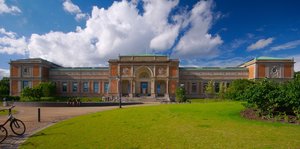 Statens Museum For Kunst |
Copenhaga | 1 | Prokurator og skolemester i Helsingør, Lars Berthelsen |
Pânzele datate ale lui Peder Andersen de pe această pagină acoperă doar 5 ani, de la 1683 la 1687: urmărește-le an de an, sub propria lor lumină.


Epitaph/painting (1683)
Peder Andersen, născut în 1668, avea 15 de ani: Epitaph/painting datează din 1683.
În catalogul nostru sunt 2 lucrări ale lui Peder Andersen, datate între 1683 și 1687.
În principal în Statens Museum For Kunst (Copenhaga); lista de mai sus enumeră fiecare muzeu și picturile sale.
Cea mai veche pânză de aici datează din Epitaph/painting (1683), iar cea mai recentă este din Prokurator og skolemester i Helsingør, Lars Berthelsen (1687).
Da. Orice pictură de pe această pagină poate fi comandată de pe pagina sa dedicată, sub formă de reproducere pictată manual în ulei sau ca print de artă, în dimensiunea aleasă de dumneavoastră.
In the waning years of the seventeenth century, a Norwegian hand moved across canvas to capture the breadth of the earth. Peder Andersen, sometimes known by the name Peder Nordmand Andersen, lived a life that was brief but marked by a singular vision of the globe. Though his time in this world ended far too soon, the traces of his brush remain within the halls of the Museum of National History at Frederiksborg Castle.
His activity around 1680 suggests a man engaged with the grander ideas of his era. He did not merely paint figures or landscapes; he sought to personify the very structure of the earth itself. Through his work, the distant reaches of the map became tangible and present.
The heart of Andersen's legacy lies in a series of four allegorical paintings created around 1688. These works were not intended to be mere maps, but rather symbolic representations of the four known continents of his time. In these compositions, he sought to translate geography into character.
One might look upon his depictions of America or Asia and see a mind preoccupied with how different lands might be understood through metaphor. His approach allowed the viewer to contemplate the scale of the world through a lens of personification, turning vast territories into identifiable, painted entities.
While much of his personal history remains obscured by the passage of centuries, the physical presence of his art provides a window into his skill. His paintings, such as Amerika and Asien, have survived to tell of a Norwegian talent that looked outward toward the horizon.
The preservation of these works in the Frederiksborgmuseet ensures that his specific way of seeing the world is not lost. He remains a figure of interest for those who study how the late seventeenth century perceived the boundaries and identities of the continents.