Atelier — Livrare gratuită în întreaga lume — Livrare în 2–6 săptămâni
      Imperiul Aztec, 1300 – 1521

      Imperiul Aztec's 70 Most Famous Paintings

      Mosaic of a Double-headed Serpent (1521) is the painting Imperiul Aztec is best remembered for; it belongs to the British Museum, Londra. Head from a Figure, Xochipilli Macuilxochitl (1521) and Figure (1521) complete the trio of best-loved canvases. Our catalogue counts 70 works by Imperiul Aztec. Here are the 70 most famous, with the year, the museum and the story of each canvas.

      Clasate în funcție de scorul nostru de popularitate, care combină numărul de căutări, vizite și comenzi pentru fiecare operă. Actualizat Octombrie 2026. Each painting on this page can be ordered as an oil reproduction painted by hand on linen canvas, or as a fine art print, made to the size you choose.

      Portretul lui Imperiul Aztec
      Imperiul Aztec · 1300 – 1521
      Născut · Decedat
      1300 – 1521, Tenochtitlan
      Lucrări din catalogul nostru
      70
      Cele mai celebre
      Mosaic of a Double-headed Serpent (1521)
      Cele mai multe lucrări la
      Metropolitan Museum of Art

      The ten best-loved paintings by Imperiul Aztec

      Mosaic of a Double-headed Serpent (1521) de Imperiul Aztec
      1

      Mosaic of a Double-headed Serpent

      1521 · Mosaic · British Museum, Londra

      To gaze upon this mosaic of a double-headed serpent is to step directly into the vibrant, myth-laden heart of the Aztec Empire. It is not merely an object of decoration; it is a captured echo of profound belief, a testament to a civilization whose artistry wove the sacred into the very fabric of daily existence. The serpentine form dominates the composition, its sinuous body rendered in breathtaking detail across countless…

      Head from a Figure, Xochipilli Macuilxochitl (1521) de Imperiul Aztec
      2

      Head from a Figure, Xochipilli Macuilxochitl

      1521 · Sculpture · Metropolitan Museum of Art, New York

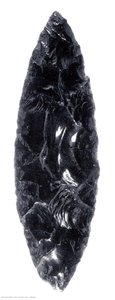
      The obsidian head before us—a dark, almost brooding presence—isn’t merely a sculpture; it's a portal into the vibrant and complex world of the Aztec Empire. Carved in the early 16th century, just decades before the arrival of the Spanish conquistadors, this intimate portrait of Xochipilli Macuilxochitl offers a rare and compelling glimpse into the beliefs, artistry, and ultimately, the fleeting beauty of a vanished civilization. The piece speaks not only…

      Figure (1521) de Imperiul Aztec
      3

      Figure

      1521 · Stone · Metropolitan Museum of Art, New York

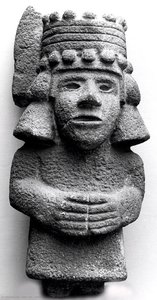
      Before you stands an echo from a civilization whose very name whispers tales of empire and profound spiritual depth: the magnificent "Figure" sculpture. Carved from enduring stone, this piece is not merely an object of antiquity; it is a frozen moment of sacred contemplation. The overall impression is one of solemn power, a tangible connection to the sophisticated worldview of the Aztec people who flourished in the heart of Mesoamerica.…

      Kneeling Male Figure (1521) de Imperiul Aztec
      4

      Kneeling Male Figure

      1521 · Stone · Metropolitan Museum of Art, New York

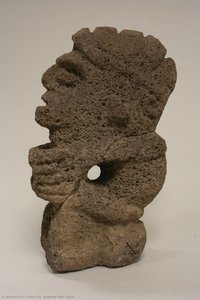
      To gaze upon this fragment is to reach across the vast chasm of five centuries, touching the solemn breath of an empire long dissolved into myth and archaeological wonder. This kneeling male figure, carved from a dark, porous stone—perhaps basalt itself—is more than mere sculpture; it is a captured moment of profound spiritual engagement. The very texture of the material speaks of time, bearing the patina of ritual smoke and…

      Serpent Labret cu limbă articulată de Imperiul Aztec
      5

      Serpent Labret cu limbă articulată

      Acrilic pe pânză întinsă · Metropolitan Museum of Art, New York

      The Serpent Labret with Articulated Tongue stands as one of the most exquisite surviving artifacts from the Aztec Empire, embodying not merely craftsmanship but a profound understanding of cosmology and social hierarchy. Discovered in 1937 during excavations at the Metropolitan Museum of Art’s Egyptian Wing (now relocated to Abu Dhabi), this golden ornament—a testament to the unparalleled skill of Aztec artisans—offers an unparalleled glimpse into the beliefs and aspirations of…

      Pendent in the Shape of a Warrior (1350) de Imperiul Aztec
      6

      Pendent in the Shape of a Warrior

      1350 · Metalwork · Cleveland Museum of Art, Cleveland

      To hold this piece in your mind is to encounter the quiet strength of the Post-classic period. This small, metallic figure, likely worn close to the body, captures a warrior in a moment of poised readiness. The figure is rendered with a striking sense of presence, characterized by a prominent nose, wide eyes, and a slightly protruding mouth that gives the face a distinct, human character. There is a certain…

      Figure (1521) de Imperiul Aztec
      7

      Figure

      1521 · Stone · Metropolitan Museum of Art, New York

      This monochrome photograph captures an ancient Aztec sculpture titled Figure. The piece presents a stylized representation of a human figure, likely a deity or important individual within the Aztec culture. Set against a dark background that emphasizes its intricate details, the sculpture is positioned slightly off-center towards the right of the frame.

      Vulture Vessel (1521) de Imperiul Aztec
      8

      Vulture Vessel

      1521 · Ceramic · Metropolitan Museum of Art, New York

      This ceramic vessel, produced around 1521 by Aztec artists, takes the shape of a stylized vulture. The object is constructed from earthenware with a robust, cylindrical body. Four curved legs support the structure, positioned to suggest a sense of movement or a bird prepared to perch. The surface is primarily covered in a reddish-brown hue, likely derived from iron oxide pigments. Black glaze defines specific areas, creating bands that outline…

      Standard Bearer (1521) de Imperiul Aztec
      9

      Standard Bearer

      1521 · Stone · Metropolitan Museum of Art, New York

      The Aztec sculpture titled "Standard Bearer," a remarkable testament to the artistry and symbolic depth of the pre-Columbian civilization, stands as more than just a carved stone figure. It’s a window into a complex society—a warrior, a leader, a conduit between the earthly realm and the divine. Dating back to approximately 1450-1521 CE, this piece, originating from the region of Veracruz, offers a tangible connection to a world both familiar…

      Crested Figure (Macuilxochitl) (1521) de Imperiul Aztec
      10

      Crested Figure (Macuilxochitl)

      1521 · Metropolitan Museum of Art, New York

      Crested Figure (Macuilxochitl): Echoes of Aztec Cosmology The photograph presents a striking depiction of an Aztec sculpture titled “Crested Figure (Macuilxochitl),” originating from the 15th–early 16th century during the height of the Mexica Empire. This artwork embodies the artistic spirit of Mesoamerica, reflecting profound religious beliefs and political authority—a testament to the enduring legacy of a civilization that captivated imaginations for centuries. Overall Impression: The image captures a sculpture crafted…

      Imperiul Aztec: canvases 11 to 70 of the ranking

      Seated Male Deity (Ehecatl) (1521) de Imperiul Aztec
      #11

      Seated Male Deity (Ehecatl)

      1521 · Metropolitan Museum of Art

      Standing before this remarkable sculpture, carved from volcanic stone or terracotta nearly six centuries ago, is akin to stepping back in time – directly into the heart of…

      Have it painted by hand →
      Seated Male Deity (1521) de Imperiul Aztec
      #12

      Seated Male Deity

      1521 · Metropolitan Museum of Art

      In the quiet presence of the Seated Male Deity, one does not merely observe a sculpture; one encounters a profound fragment of a lost cosmos. Carved during the…

      Kneeling Female Figure (1521) de Imperiul Aztec
      #13

      Kneeling Female Figure

      1521 · Metropolitan Museum of Art

      In the quiet halls of art history, few objects command as much silent reverence as the Kneeling Female Figure. Carved from the dark, enduring strength of basalt, this…

      Labret, Eagle Head (1521) de Imperiul Aztec
      #14

      Labret, Eagle Head

      1521 · Metropolitan Museum of Art

      To gaze upon this artifact is to be transported across the vast expanse of time, directly into the heart of the mighty Aztec Empire. This exquisite labret, fashioned…

      Bring this light home →
      Miniature Bowl (1521) de Imperiul Aztec
      #15

      Miniature Bowl

      1521 · Metropolitan Museum of Art

      To gaze upon this miniature bowl is to hold a fragment of deep time in one's hands. It is not merely an object, but a tangible whisper from…

      Fragment of An Anthropomorphic Brazier (1300) de Imperiul Aztec
      #16

      Fragment of An Anthropomorphic Brazier

      1300

      This ceramic fragment presents a vertical arrangement of human-like faces. The central feature is a large, sculpted head, upon which smaller faces are positioned in a stacked, layered…

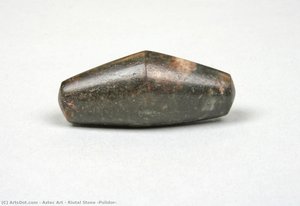
      Riutal Stone (Pulidor) (1521) de Imperiul Aztec
      #17

      Riutal Stone (Pulidor)

      1521 · Metropolitan Museum of Art

      To gaze upon this Riutal Stone (Pulidor) is not merely to observe an artifact; it is to touch the deep, resonant silence of a vanished civilization. This piece,…

      Have it painted by hand →
      Ear Spool (1521) de Imperiul Aztec
      #18

      Ear Spool

      1521 · Metropolitan Museum of Art

      Before us lies a fragment of a vanished world, a tangible link to the ingenuity and ritualistic practices of the Aztec Empire. This meticulously crafted ear spool, fashioned…

      Have it painted by hand →
      Seated Female Deity (1521) de Imperiul Aztec
      #19

      Seated Female Deity

      1521 · Metropolitan Museum of Art

      In the quiet shadows of history, certain objects possess the power to bridge the gap between the mortal realm and the eternal. The Seated Female Deity, a profound…

      Seated Male Deity (1521) de Imperiul Aztec
      #31

      Seated Male Deity

      1521 · Metropolitan Museum of Art

      Before us stands a testament to the profound artistry and spiritual depth of the Aztec Empire – a weathered stone sculpture known as the “Seated Male Deity,” or…

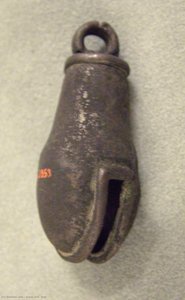
      Bell (1521) de Imperiul Aztec
      #32

      Bell

      1521 · Metropolitan Museum of Art

      Imagine holding a piece of history – not just an artifact, but a tangible echo of a vanished empire. This bronze bell, unearthed from the ruins of Tenochtitlan…

      Bring this light home →
      Spider Monkey (1521) de Imperiul Aztec
      #33

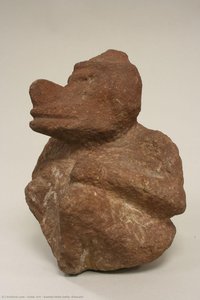
      Spider Monkey

      1521 · Rhode Island School of Design Museum of Art

      This exceptional hand-painted reproduction captures a pivotal moment in Aztec artistic expression – the creation of a remarkably detailed sculpture depicting a spider monkey, dating back to 1521.…

      Cihuateotl (1521) de Imperiul Aztec
      #34

      Cihuateotl

      1521 · Metropolitan Museum of Art

      The stone sculpture known as “Cihuateotl,” a formidable figure emerging from the heart of the Aztec Empire, offers more than just a visual representation; it’s a window into…

      Have it painted by hand →
      Stamp (1521) de Imperiul Aztec
      #35

      Stamp

      1521 · Metropolitan Museum of Art

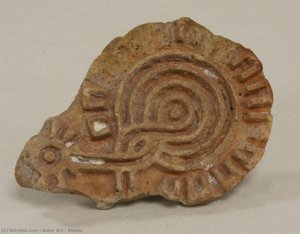
      Before us lies a terracotta fragment, not merely an artifact but a window into the heart of the Aztec Empire. Designated simply as “Stamp,” this weathered ceramic seal…

      Bring this light home →
      Feathered Serpent Ornament (1521) de Imperiul Aztec
      #36

      Feathered Serpent Ornament

      1521 · Metropolitan Museum of Art

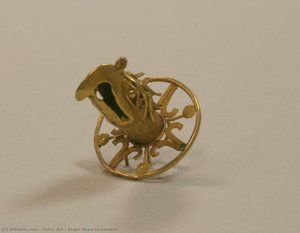
      In the quiet, hallowed halls of the Metropolitan Museum of Art, there exists a treasure that transcends the boundaries of time and geography. The Feathered Serpent Ornament is…

      Relief (1521) de Imperiul Aztec
      #37

      Relief

      1521 · Metropolitan Museum of Art

      “Relief,” a meticulously crafted stone carving from the heart of the Aztec Empire, stands as more than just an artistic object; it's a window into a vanished world.…

      Bring this light home →
      Eagle Head Ornament de Imperiul Aztec
      #38

      Eagle Head Ornament

      Metropolitan Museum of Art

      Before us lies a captivating artifact – an Aztec Eagle Head Ornament, a tangible link to one of Mesoamerica's most formidable empires. More than just a decorative object,…

      Bring this light home →
      Skull Pendant de Imperiul Aztec
      #39

      Skull Pendant

      Metropolitan Museum of Art

      Gazing upon this black and white photograph, one is immediately drawn to the stark simplicity and profound symbolism of the Aztec skull pendant. More than a mere decorative…

      Order this canvas →
      Stamp (1521) de Imperiul Aztec
      #40

      Stamp

      1521 · Metropolitan Museum of Art

      Within the realm of ancient Mesoamerica lies a deceptively simple object – a terracotta stamp, often referred to as a “stamp” in modern parlance. Yet, this unassuming artifact…

      Order this canvas →
      Female Deity de Imperiul Aztec
      #41

      Female Deity

      Metropolitan Museum of Art

      The photograph before you offers an arresting window into the heart of Aztec spirituality – a sculpted representation of a female deity, rendered with a profound sense of…

      Have it painted by hand →
      Tripod Bowl de Imperiul Aztec
      #42

      Tripod Bowl

      Metropolitan Museum of Art

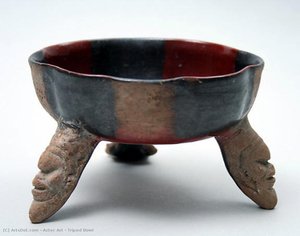
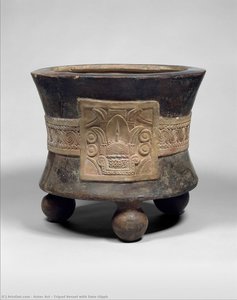
      To gaze upon this Tripod Bowl is to reach across the vast expanse of time, directly into the vibrant heart of the Aztec Empire. It is not merely…

      Maize Deity (Chicomecoatl) de Imperiul Aztec
      #43

      Maize Deity (Chicomecoatl)

      Metropolitan Museum of Art

      Carved from basalt, this sculpture represents Chicomecoatl, the Mexica goddess of maize. The figure is rendered in a frontal, upright posture with arms raised in a gesture of…

      Seated Female Deity de Imperiul Aztec
      #44

      Seated Female Deity

      Metropolitan Museum of Art

      Seated Female Deity: A Reflection of Aztec Spirituality The image presents a grayscale photograph of an Aztec sculpture depicting a seated female deity. The sculpture is rendered in…

      Kneeling Male Figure de Imperiul Aztec
      #45

      Kneeling Male Figure

      Metropolitan Museum of Art

      To gaze upon the Kneeling Male Figure is to reach across the vast chasm of five centuries, touching the solemn breath of an empire long dissolved into myth…

      Seated Male de Imperiul Aztec
      #46

      Seated Male

      Metropolitan Museum of Art

      is a stone sculpture created by the Aztec Empire. Originating from Mexico, Mesoamerica, the work belongs to the Mexica (Aztec) culture. It dates to the 15th–early 16th century.

      Pietra Rituală (pulidor) (1521) de Imperiul Aztec
      #47

      Pietra Rituală (pulidor)

      1521 · Metropolitan Museum of Art

      The “Ritual Stone,” formally known as *pulidor*, stands as a poignant testament to the artistic prowess and spiritual beliefs of the Aztec Empire—a civilization that flourished between 1300…

      Order this canvas →
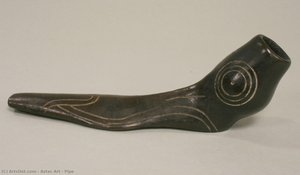
      Pipe (1521) de Imperiul Aztec
      #50

      Pipe

      1521 · Metropolitan Museum of Art
      Seated Male Deity de Imperiul Aztec
      #51

      Seated Male Deity

      Metropolitan Museum of Art

      The Aztec Empire, a civilization that flourished in Mesoamerica for centuries, left behind a legacy of breathtaking artistry and profound spiritual belief. Among its most compelling creations stands…

      Have it painted by hand →
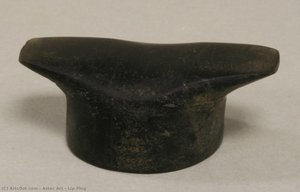
      Lip Plug de Imperiul Aztec
      #52

      Lip Plug

      Metropolitan Museum of Art

      To gaze upon this artifact is to reach across the vast expanse of time, touching the cool, dark permanence of an ancient civilization. This piece, an Aztec Lip…

      Have it painted by hand →
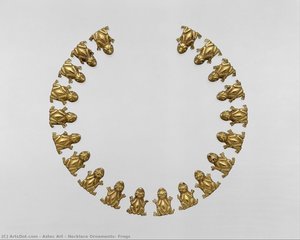
      Necklace Ornaments, Frogs de Imperiul Aztec
      #53

      Necklace Ornaments, Frogs

      Metropolitan Museum of Art

      To gaze upon these meticulously crafted golden frog ornaments is to step directly into the vibrant heart of the ancient Aztec world. They are not merely decorative beads;…

      Bring this light home →
      Uilacapitztli (Pottery Flute) de Imperiul Aztec
      #54

      Uilacapitztli (Pottery Flute)

      Metropolitan Museum of Art

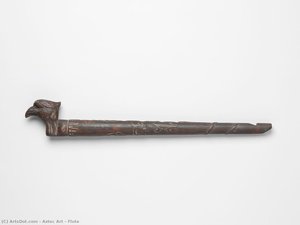
      To gaze upon the Uilacapitztli is not merely to observe an artifact; it is to reach across the vast expanse of centuries and touch the very breath of…

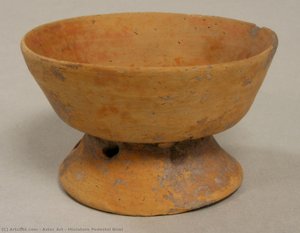
      Miniature Pedestal Bowl de Imperiul Aztec
      #55

      Miniature Pedestal Bowl

      Metropolitan Museum of Art

      To gaze upon this miniature pedestal bowl is to reach across the vast expanse of time, to hold in one's hands a tangible whisper from the heart of…

      Standard-Bearer (1519) de Imperiul Aztec
      #57

      Standard-Bearer

      1519

      This stark figure displays the minimalism and monumentality of Aztec stone sculpture. The rigid pose resembles the block of stone from which it was carved. In contrast, the…

      Have it painted by hand →
      Drum (Teponaztli) de Imperiul Aztec
      #58

      Drum (Teponaztli)

      Metropolitan Museum of Art

      To gaze upon this representation of an Aztec Teponaztli is not merely to observe an artifact; it is to listen for a silence that holds echoes. This magnificent…

      Tripod Vessel with Date Glyph de Imperiul Aztec
      #59

      Tripod Vessel with Date Glyph

      Metropolitan Museum of Art

      The image before us presents more than just a ceramic object; it’s a tangible fragment of the Aztec Empire, a silent chronicle etched in clay and imbued with…

      Bowl de Imperiul Aztec
      #60

      Bowl

      Metropolitan Museum of Art

      Gazing upon this meticulously rendered reproduction of an Aztec bowl is akin to stepping back in time, directly into the heart of Tenochtitlan, the magnificent capital city of…

      Order this canvas →
      Maize Deity (Chicomecoatl) de Imperiul Aztec
      #61

      Maize Deity (Chicomecoatl)

      Metropolitan Museum of Art

      Standing before this weathered stone sculpture, one is immediately transported to the heart of ancient Mexico – a realm where the divine intertwined seamlessly with the rhythms of…

      Stamp, Butterfly de Imperiul Aztec
      #62

      Stamp, Butterfly

      Metropolitan Museum of Art

      Stamp, Butterfly - A Fragment of Aztec Cosmology The image presents a captivating glimpse into the artistic heritage of the Aztec Empire—specifically, a ceramic stamp depicting a butterfly…

      Bring this light home →
      Flute de Imperiul Aztec
      #63

      Flute

      Metropolitan Museum of Art

      Within the vast tapestry of Aztec artistry lies a deceptively simple instrument – the flute, often referred to as *uilacapitztli* (meaning “flute-head”). More than just a musical device,…

      Order this canvas →
      Miniature Pedestal Bowl de Imperiul Aztec
      #64

      Miniature Pedestal Bowl

      Metropolitan Museum of Art

      Gazing upon this exquisite miniature pedestal bowl offers more than just an appreciation of its delicate form; it’s a portal into the heart of the Aztec Empire, a…

      Ear Ornament de Imperiul Aztec
      #65

      Ear Ornament

      Metropolitan Museum of Art

      To hold an object from the heart of the Aztec Empire is to touch the very pulse of Mesoamerican history. This exquisite ear ornament, a masterwork of the…

      Miniature Tripod Vase de Imperiul Aztec
      #66

      Miniature Tripod Vase

      Metropolitan Museum of Art

      The world of ancient Mesoamerica pulses with an undeniable energy – a vibrant blend of ritual, conquest, and breathtaking artistry. Within this rich tapestry, the miniature tripod vase…

      Have it painted by hand →
      Stamp, Monkey de Imperiul Aztec
      #67

      Stamp, Monkey

      Metropolitan Museum of Art

      Imagine holding a tangible piece of history – a small, unassuming ceramic stamp from the heart of the Aztec Empire. This particular artifact, depicting a stylized monkey in…

      Bring this light home →
      Bowl de Imperiul Aztec
      #68

      Bowl

      Metropolitan Museum of Art

      In the quiet presence of this ancient Aztec bowl, one can almost hear the rhythmic pulse of a civilization that once commanded the heart of Mesoamerica. This ceramic…

      Flat Stamp with Geometric Flower de Imperiul Aztec
      #69

      Flat Stamp with Geometric Flower

      Metropolitan Museum of Art

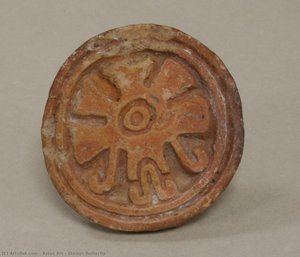
      This striking ceramic stamp, a relic of the Aztec Empire, isn’t merely an artifact; it's a portal to a civilization brimming with intricate symbolism and profound artistic skill.…

      Imperiul Aztec's canvases, period by period

      What Imperiul Aztec painted most

      The four subjects that return most often on these canvases, each with its best-loved example.

      Where Imperiul Aztec's canvases hang

      Cele 5 muzee care dețin cele mai multe dintre picturile de pe această pagină.

      Muzeu Oraș Lucrări lui Imperiul Aztec Picturi din această listă
      Metropolitan Museum of Art, New YorkMetropolitan Museum of Art New York 51 Head from a Figure, Xochipilli Macuilxochitl, Figure, Kneeling Male Figure
      British Museum, LondraBritish Museum Londra 1 Mosaic of a Double-headed Serpent
      Cleveland Museum of Art, ClevelandCleveland Museum of Art Cleveland 1 Pendent in the Shape of a Warrior
      Rhode Island School of Design Museum of Art, ProvidenceRhode Island School of Design Museum of Art Providence 1 Spider Monkey
      Dumbarton Oaks Research Library and Collection, Washington, D.C.Dumbarton Oaks Research Library and Collection Washington, D.C. 1 Tlazolteotl (Birthing Figure)

      Imperiul Aztec's most famous canvas, decade after decade

      1. 1350s
        Pendent in the Shape of a Warrior (1350) de Imperiul Aztec
        Ranked 6 of 70

        Pendent in the Shape of a Warrior

        Vârsta 50 – 59 · Cleveland Museum of Art

        To hold this piece in your mind is to encounter the quiet strength of the Post-classic period. This small, metallic figure, likely worn close to the body, captures…

      2. 1420s
      3. 1460s
      4. 1480s
      5. 1500s
        Coyote (1500) de Imperiul Aztec
        Canvas 23 of 70

        Coyote

        Vârsta 200 – 209
      6. 1510s
        Standard-Bearer (1519) de Imperiul Aztec
        Canvas 57 of 70

        Standard-Bearer

        Vârsta 210 – 219

        This stark figure displays the minimalism and monumentality of Aztec stone sculpture. The rigid pose resembles the block of stone from which it was carved. In contrast, the…

      7. 1520s
        Mosaic of a Double-headed Serpent (1521) de Imperiul Aztec
        Ranked 1 of 70

        Mosaic of a Double-headed Serpent

        Vârsta 220 – 221 · British Museum

        To gaze upon this mosaic of a double-headed serpent is to step directly into the vibrant, myth-laden heart of the Aztec Empire. It is not merely an object…

      Imperiul Aztec's canvases, question by question

      Which canvas is Imperiul Aztec most remembered for?Read the answer

      Mosaic of a Double-headed Serpent (1521), British Museum, Londra. Head from a Figure, Xochipilli Macuilxochitl (1521) and Figure (1521) follow.

      Mosaic of a Double-headed Serpent: how old was Imperiul Aztec when it was painted?Read the answer

      Imperiul Aztec, born in 1300, was 221 years old: Mosaic of a Double-headed Serpent dates from 1521.

      What are Imperiul Aztec's ten most famous canvases?Read the answer

      Mosaic of a Double-headed Serpent, Head from a Figure, Xochipilli Macuilxochitl, Figure, Kneeling Male Figure, Serpent Labret cu limbă articulată, Pendent in the Shape of a Warrior, Figure, Vulture Vessel, Standard Bearer și Crested Figure (Macuilxochitl). Each canvas in the ranking above comes with its year and its museum.

      How many paintings did Imperiul Aztec create?Read the answer

      70 works by Imperiul Aztec are in our catalogue, dated 1350 to 1521.

      Where do Imperiul Aztec's most famous canvases hang today?Read the answer

      Mostly in Metropolitan Museum of Art (New York), British Museum (Londra) și Cleveland Museum of Art (Cleveland); the list above names each museum and its canvases.

      When did Imperiul Aztec paint the most famous canvases?Read the answer

      In 1520s, which gave 29 of the 70 works on this page, Mosaic of a Double-headed Serpent among them.

      Which famous Imperiul Aztec canvas came first, and which came last?Read the answer

      The earliest canvas here is Pendent in the Shape of a Warrior (1350); the latest is Mosaic of a Double-headed Serpent (1521).

      Which subjects did Imperiul Aztec paint most?Read the answer

      Mesoamerica (20), Sculpture (13) și Ritual (10), across the 70 works on this page.

      Which medium appears most in Imperiul Aztec's paintings?Read the answer

      Stone, used in 14 of the 70 works on this page.

      Which paintings by Imperiul Aztec are held by the Metropolitan Museum of Art?Read the answer

      The Metropolitan Museum of Art, New York holds 51 of the works on this page, among them Head from a Figure, Xochipilli Macuilxochitl, Figure și Kneeling Male Figure.

      Where can I buy a reproduction of a Imperiul Aztec painting?Read the answer

      Yes. Every painting on this page can be ordered from its own page as an oil reproduction painted by hand, or as a fine art print, in the size you choose.

      Meet the painter: Imperiul Aztec

      Ecourile Pietrei: Explorarea Artei și Moștenirii Imperiului Aztec

      Numele „Aztec” – derivat din cuvântul nahuatl ātl-ce-tlācati–tlān, care înseamnă „poporul multor forme” – evocă imagini ale unui imperiu vast și complex care a dominat Mesoamerica timp de secole. Dincolo de rolul de războinici și cuceritori, aztecii au fost indivizi profund artiști, țesând o frumusețe intricate în fiecare aspect al vieții lor — de la arhitectura monumentală la delicatele lucrări din pene, de la ritualurile sacre la obiectele de uz cotidian. Arta lor nu era pur și simplă decorare; era un limbaj vibrant, care comunica credințe religioase, putere politică, narațiuni istorice și ierarhii sociale într-o societate atât rigid structurată, cât și remarcabil de inovatoare.

      Apărute la începutul secolului al XIV-lea în Tenochtitlan, inima Imperiului Aztec, tradițiile artistice ale aztecilor erau profund înrădăcinate în moștenirea civilizațiilor mesoamericane anterioare. Olmecii, cu capetele lor colosale și sistemele sofisticate de calendare, Teotihuacanii, renumiți pentru piramidele lor masive și planificarea urbană, și Toltecii, maeștri ai prelucrării metalelor și ai sculpturii, au contribuit toți la bogata tapiserie artistică moștenită de azteci. Totuși, aztecii nu au fost simpli imitatori; ei au sintetizat aceste influențe cu propriile lor sensibilități estetice unice, dezvoltând un stil distinctiv caracterizat prin culori îndrăznești, modele geometrice complexe și reprezentări simbolice.

      O Paletă a Puterii: Materiale și Tehnici

      Arta aztecă era remarcabil de diversă, utilizând o gamă uimitoare de materiale și tehnici. Sculptura în piatră ocupa un loc central, exemplificată de sculpturile monumentale care înfățișau divinități, conducători și creaturi mitice. Masiva Piatră a Soarelui (Calendarul Aztec), descoperită în 1946, stă ca o mărturie a măiestriei lor în acest mediu — un relief complex pe mai multe straturi care combina informații calendare cu simbolism cosmic. Artesanii pricepuți lucrau, de asemenea, cu lemnul, argila, penele – în special penele vibrante de quetzal – jadul, turcoazul, obsidianul și aurul, reflectând atât bogăția, cât și statutul social.

      Lucrările din pene erau, probabil, cel mai captivant aspect al artei aztece. Coronițe, mantii, scuturi și alte obiecte decorative, realizate cu o precizie incredibilă, erau create folosind mii de pene aranjate meticulos — un proces care necesita o îndemânare și o răbdare imense. Aceste obiecte nu erau doar frumoase; ele serveau ca simboluri puternice ale autorității, devotamentului religios și rangului social. Culorile în sine aveau semnificații specifice: albastru reprezenta cerul, verde simboliza fertilitatea, roșu semnala războiul, iar galben reprezenta soarele.

      Mai mult, artiștii azteci erau maeștri ai mozaicului, creând panouri decorative uimitoare folosind plăcuțe de piatră mici și tăiate cu precizie. Aceste mozaicuri ornade temple, palate și reședințe private, adăugând un strat de bogăție vizuală mediului construit. Ceramică lor era la fel de impresionantă, prezentând designuri geometrice complexe și reprezentări ale animalelor și divinităților.

      Limbajul Simbolurilor: Teme și Motive

      Arta aztecă este plină de simbolism, fiecare imagine purtând straturi de înțeles care necesitau o interpretare atentă din partea preoților, scribeților și conducătorilor. Divinitatea centrală, Huitzilopochtli, zeul războiului și al soarelui, era adesea înfățișată în coronițe elaborate, decorate cu pene și pietre prețioase. Quetzalcoatl, zeul serpentului cu pene, asociat cu cunoașterea, înțelepciunea și creația, ocupa un loc proeminent în panteonul lor și apărea în numeroase reprezentări artistice.

      Sistemul calendaristic — o combinație remarcabil de sofisticată de cicluri solare și ritualice — era un alt motiv recurent. Imagini ale calandarelor, glife și simboluri astronomice erau incorporate în sculpturi, mozaicuri și codexuri (cărți ilustrate), reflectând înțelegerea profundă a timpului și a cosmologiei de către azteci. Reprezentările maizului, alimentul de bază al dietei lor, simbolizau hrană și fertilitate. Imaginile animalelor — în special jaguari, vulturi, șerpi și colibri — purtau o semnificație simbolică legată de putere, curaj și divinitate.

      O Moștenire în Fragmente: Artă și Semnificație Istorică

      Prăbușirea bruscă a Imperiului Aztec în mâinile conquistadorilor spanioli în 1521 a rezultat într-o pierdere devastatoare pentru cultura mesoamericană. În mod tragic, o mare parte din patrimoniul lor artistic a fost distrus în timpul cuceririi — templele au fost rade, sculpturile zdrobite, iar codexurile arse. Totuși, în ciuda acestor pierderii, fragmente din arta aztecă supraviețuiesc și astăzi, oferind perspective inestimabile asupra acestei civilizații remarcabile.

      Exemple notabile includ Piatra Soarelui, o sculptură monumentală care demonstrează cunoștințele avansate ale aztecilor în astronomie și matematică; coronițe și mantii complexe din pene păstrate în muzee din întreaga lume; și codexurile supraviețuitoare — cărți scrise de mână care conțin relatări istorice, credințe religioase și informații calendaristice. Colección Andrés Blaisten din Mexic găzduiește o colecție semnificativă de artă latino-americană, incluzând exemple care luminează tradițiile artistice aztece.

      Influența moștenirii artistice a Imperiului Aztec poate fi văzută încă astăzi, inspirând artiști și designeri contemporani deopotrivă. Tehnica lor inovatoare, imaginile simbolice și conexiunea profundă cu natura continuă să rezoneze cu publicul din întreaga lume. Explorarea artei aztecilor nu este doar un exercițiu de apreciere istorică; este o călătorie în inima unei civilizații complexe și captivante — o mărturie a creativității, ingeniozității și profunzimii spirituale umane.

      Pentru a explora mai multe opere de artă din Imperiul Aztec și alți artiști notabili, vizitați TopImpressionists.com.

      Toate cele 70 de lucrări ale lui Imperiul Aztec →