A Sanctuary of Ice and Inspiration
Nestled within the hallowed, academic corridors of Cambridge, the Scott Polar Research Institute stands as much more than a mere repository of scientific data; it is a profound intersection where the raw, untamed edges of our planet meet the delicate nuances of human expression. Founded in 1920 to honor the memory of Captain Robert Falcon Scott and his ill-fated companions, the Institute has blossomed into a captivating sanctuary that bridges the gap between rigorous scientific inquiry and the evocative power of art. To step through its doors is to leave the familiar streets of England behind and enter a realm where the stark, monochromatic beauty of the poles is rendered with both historical gravity and aesthetic grace. It is a place where the frozen frontiers of the Earth are not just studied, but felt, offering a space for those who seek inspiration in the intersection of discovery and design.Echoes of Exploration: The Art of the Extreme
The collection housed within the Polar Museum serves as a breathtaking historical witness, where artifacts of survival mingle seamlessly with masterpieces of visual storytelling. One cannot help but feel a sense of profound reverence when standing before the evocative photographs of Herbert Ponting, whose lens captured the icy grandeur of the Terra Nova expedition with a dramatic use of light and panoramic scale that rivals the great photographic pioneers. This narrative of endurance is further deepened by the presence of Frank Hurley’s dramatic imagery from Shackleton’s Endurance expedition, works that capture not just the physical hardship of the Antarctic, but an unyielding human spirit.Yet, the Institute offers a vital and beautiful counterpoint to these Western narratives through the delicate artistry of Kenojuak Ashevak; her vibrant prints breathe life into Inuit myths and realities, offering a soulful connection to the Arctic's cultural heartbeat. From the poignant texture of a reindeer-skin sleeping bag used by Captain Lawrence Oates to the contemporary, ethereal watercolors of Emma Stibbon that highlight our changing climate, every piece in this collection invites a contemplative dialogue between the past and our fragile environmental future. For the collector or art lover, these works represent a unique opportunity to engage with art that is inextricably linked to the very survival of our planet's most remote ecosystems.
A Portal of Light and Discovery
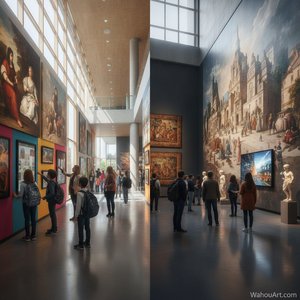
The architecture of the Institute itself plays a crucial role in this immersive experience, designed to reflect its dual identity as both a cutting-edge research hub and a public-facing museum. Located on Lensfield Road, the building’s design utilizes soaring ceilings and expansive windows to flood the interior with natural light, creating an atmosphere that is simultaneously scholarly and contemplative. For the interior designer seeking inspiration, the space offers a masterclass in how modern functionality can harmonize with historical resonance, creating an environment that feels both grounded in tradition and forward-looking.It is a living laboratory where the boundaries of knowledge are constantly pushed through innovative artist-in-residence programs, ensuring that the Institute remains at the forefront of contemporary engagement with polar themes. Here, science and art do not merely coexist; they collaborate to illuminate the mysteries of the Earth's most remote landscapes, making every visit an odyssey of discovery. The Scott Polar Research Institute remains a unique cultural destination, where the chilling beauty of the ice meets the warmth of human creativity, leaving an indelible mark on all who wander through its luminous halls.