

 Предпросмотр
 Поделиться
 Поделиться
 Детали произведения
 Руководство

 Скачать
 Похожие работы
 Рентгенография
 Слайд-шоу
 Статистика
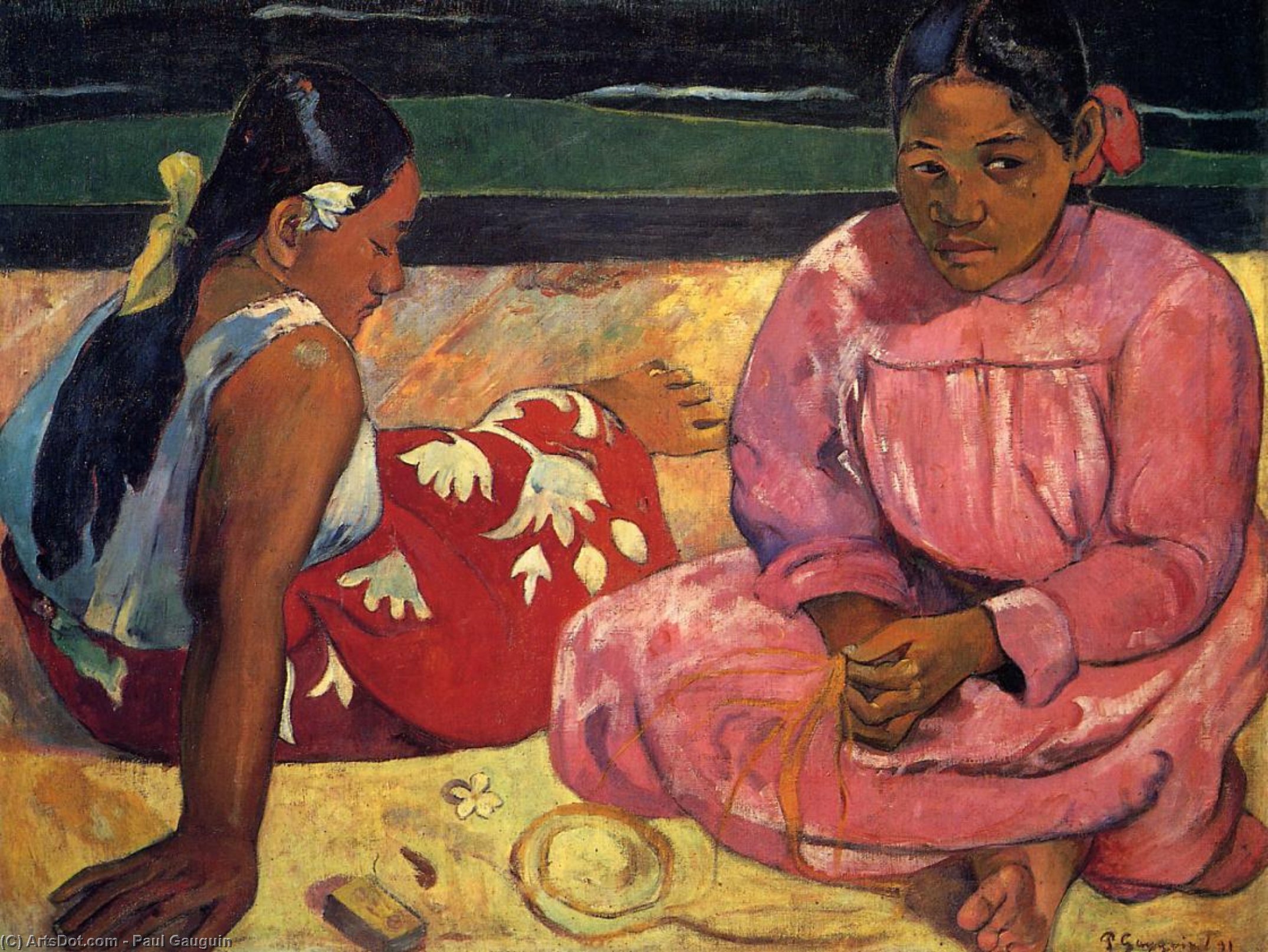
Две женщины на пляже


Таинственная встреча с искусством: Картина Паула Гогена "Две женщины на пляже" поражает смелыми цветами и синтетическим стилем, отражая дух постимпрессионизма и влияние древних культур. Искусство для коллекционеров!
 Читать далее
Пауль Гоген – революционер постимпрессионизма! Его яркие краски, экзотические сюжеты и символизм оказали огромное влияние на искусство XX века. От финансов к легендарному художнику!
Масляная репродукция ручной работы
Картина маслом на холсте в выбранном вами размере и раме, написанная на заказ нашими художниками. ( Перейти к печати Перейти к цифровым изображениям)




P118B $10

P118H $10

P118W $10

P438Z $10

P508JH $12

P508YH $12

P805H $10

P805Z $10

P919BZ $10

P919G $10

P919XJ $10

P959ZH $10

P968JZ $12

W106C $8

W218G $10

W218JH $8

W218Y $10

W307PJ $10

W316G $10

W316PJ $8

W316Y $10

W398PJ $8

W4111J $10

W500HY $15

W500JH $15

W692G $12

W849H $8

W940BG $15

W953PJ $8




Стандартный размер
на заказ
CM
INCH
Выберите один из наших стандартных размеров, соответствующих оригинальным пропорциям произведения искусства.
Loading sizes...

ширина
высота
Вы можете указать собственные размеры, чтобы картина идеально вписалась в выбранную раму или пространство. Если выбранный вами размер не соответствует пропорциям оригинала, мы либо обрежем полотно, либо расширим его за счет дополнительных элементов, написанных вручную. Цифровой макет будет отправлен вам на утверждение перед началом производства.
Обратите внимание, что предварительный просмотр на экране не отражает фактическую обрезку или расширение. Только макет точно покажет окончательную композицию.
Хотя доступны индивидуальные размеры, мы рекомендуем выбирать вариант из предопределенного списка, чтобы сохранить исходные пропорции.
Примеры того, что можно изменить: заменить лицо на фото клиента; добавить домашнее животное (например, заменить кошку на собаку); добавить скрытое послание на фон; изменить пейзаж или детали фона.
После оформления заказа команда TopImpressionists.com свяжется с клиентом по электронной почте для уточнения деталей и предоставит предварительный макет
После оформления заказа команда TopImpressionists.com свяжется с клиентом по электронной почте для уточнения деталей и предоставит предварительный макет
Доставка по всему миру () за 3–4 недели вместо стандартных 5 недель. (23 Сентябрь). Без компромиссов в качестве.

Бесплатная экспресс-доставка по всему миру

Высококачественный льняной холст

Полное страхование доставки

Гарантия возмещения таможенных пошлин

Гарантия точного соответствия цветов

100-дневная политика возврата (только при обнаружении дефектов)

Гарантия возврата 100% средств

Предложение оптовых скидок
 Вариант со стеклом доступен только для размеров менее 110 см

Две женщины на пляже
Техника репродукции
Размер репродукции
-


Итоговая стоимость
$ 294
Tahitian Women on the Beach: A Symphony of Color and Emotion
Paul Gauguin’s “Two Tahitian Women” stands as an emblem of Post-Impressionism, capturing not merely a visual depiction but a profound exploration of Polynesian culture and artistic innovation. Painted in 1891 during his second voyage to Tahiti, this artwork transcends mere representation; it embodies Gauguin's fervent desire to liberate painting from the constraints of naturalistic observation.
Subject & Setting: Capturing Tranquility
The canvas portrays two young Tahitian women seated on a woven mat beneath the shade of palm trees. Gauguin deliberately eschews detailed narrative, prioritizing instead the atmosphere and mood of this everyday scene—a fleeting moment frozen in time. The arrangement of fruit and white flowers serves as subtle ornamentation, hinting at ritualistic significance and reinforcing the idyllic setting.
Stylistic Revolution: Synthetism and Cloisonnism – Rejecting Reality
“Two Tahitian Women” exemplifies Gauguin’s embrace of Synthetism and Cloisonnism—movements that fundamentally challenged Impressionist conventions. Unlike traditional perspective, figures are rendered with a flattened quality, outlined by dark contours reminiscent of stained glass (Cloisonnism). This stylistic choice isn't about inaccuracy; it’s a conscious decision to prioritize emotional impact over photographic realism – Gauguin sought to convey the essence of Tahiti rather than its literal appearance.
Technique & Palette: A Bold Expression of Color
Gauguin masterfully employs oil paint, layering vibrant hues—rich pinks, ochres, reds, and browns—to create a tapestry of color. The visible brushstrokes add texture and depth, while cooler blues and greens provide subtle contrast. This technique – particularly the blocking of color – reinforces the painting’s flattened aesthetic, mirroring the stylistic principles of Synthetism.
Historical Context: Escapism and Primitivism – Gauguin's Vision
Driven by disillusionment with European society, Gauguin embarked on his Tahitian expeditions in pursuit of a more authentic “primitive” existence. He aimed to capture not just what he saw but *how* it felt—the spiritual core of a world untouched by Western civilization. This painting reflects Gauguin’s fascination with Polynesian culture and his conviction that art could transcend mere imitation, conveying deeper truths about human experience.
Symbolism & Emotional Resonance: Beyond the Surface
"Two Tahitian Women" resonates with profound symbolism. The downward gaze of one woman invites contemplation, while the solemn expression of the other conveys melancholy—themes explored universally across cultures. The flowers symbolize beauty and fragility, mirroring Gauguin’s belief in art's ability to communicate emotion and spiritual insight. This artwork remains a testament to Gauguin’s revolutionary approach to painting and his enduring legacy as one of Modern Art’s pioneers.
Похожие произведения




Биография художника
Eugène Henri Paul Gauguin: A Life Painted in Bold Strokes
Эжен Анри Поль Гоген – имя, которое звучит с яркими красками и бунтарским духом, является ключевой фигурой в переходе от импрессионизма к современному искусству. Родился в Париже в 1848 году, его жизнь была далека от обыденной. Ранние годы были сформированы необычным воспитанием: отец – журналист, а мать – представительница перуанского дворянства – ее бабушка, Флора Тристан, пионерская феминистка и социалист, чьи идеи, несомненно, резонировали в семье. Это наследие глубоко повлияло на художественное видение Гогена, внушая ему интерес к культурам за пределами Европы. Формирующее время, проведенное в Перу в детстве, после переезда семьи в 1850 год, погрузило его в мир, кардинально отличающийся от парижского общества – опыт, который остался и в конечном итоге подстегнул его стремление к аутентичности в искусстве. Вернувшись во Францию после смерти отца, Гоген получил формальное образование, но был привлечен не академией, а бурно развивающимся финансовым миром, заняв должность брокера – путь, казалось бы, противоречащий художеческому предназначению, которое ждало его.От Финансов к Художественному Зову
Гоген долгие годы вел двойную жизнь, усердно занимаясь своим бизнесом, одновременно тайно культивируя страсть к живописи. Изначально под влиянием импрессионистов он начал экспериментировать с цветом и светом в свободное время, но вскоре почувствовал себя ограниченным их стремлением запечатлеть мимолетные моменты реальности. Финансовый кризис 1882 года стал поворотным моментом, вынудив его отказаться от прибыльной карьеры и полностью посвятить себя искусству. Это было не просто изменение профессии; это был фундаментальный сдвиг в мировоззрении. Он обратился за советом к Шампийю, который поощрил его развитие и представил ему авангардные круги Парижа. Однако Гоген быстро начал отклоняться от импрессионистских принципов, стремясь к чему-то более выразительному, более символическому – средству для передачи не только того, *что он видел*, но и того, *что он чувствовал*. Это стремление привело его в путешествие художественного исследования, которое заставило его выйти далеко за пределы парижских салонов и оказаться в сердце «примитивных» культур. Он не просто стремился изображать эти культуры; он искал их сущность, веря, что они содержат чистоту, утраченную в западной цивилизации.Призыв в Бретань и Таити
Художественная эволюция Гогена была неразрывно связана с его путешествиями. Он провел время в Бретани, очарованный суровой местностью и глубоко укорененными традициями ее народа. Этот период ознаменовался экспериментом с плоскими формами, смелыми контурами и упрощением композиции – техниками, которые отодвинули его все дальше от реализма и ближе к символическому языку. Но его путешествие в Таити в 1891 году по-настоящему высвободило его творческий потенциал. Искал убежище от того, что он воспринимал как стеснение европейской цивилизации, Гоген надеялся найти вдохновение в полинезийской культуре, веря, что она предлагает более аутентичный и духовный образ жизни. Это было не просто художественное стремление; это был духовный поиск. Он погрузился в местные обычаи и верования, изображая полинезийских женщин, пейзажи и религиозные практики через свой уникальный взгляд. Под влиянием японских гравюр – *дзайси* – и средневекового искусства он разработал отличительный эстетический стиль, характеризующийся яркими цветами, экзотической тематикой и атмосферой тайны. Знаменитые картины, такие как «Vahine no te miti» (Женщина с манго), «Manao Tupapau» (Наблюдает Дух Смерти) и «День Богов», возникли в этот период, укрепив его репутацию видением художника. Его использование цвета становилось все более смелым и нереалистичным, служа не для воспроизведения реальности, а для выражения эмоций и духовного смысла.Наследие и Спор
Несмотря на свои художественные прорывы, жизнь Гогена часто была отмечена трудностями. Он испытывал финансовые трудности и ухудшающееся здоровье во время своего пребывания в Таити и позже на Маркезахских островах, где он окончательно обосновался. Тем не менее, он продолжал активно писать, неустанно исследуя темы жизни, смерти и духовности. Он умер в 1903 году на острове Хива-Оа в Маркезахской архипелаге, в значительной степени неизвестный своим гением. Только после его смерти работа Гогена начала получать заслуженное признание. Сегодня он почитается как ключевая фигура в развитии современного искусства, соединившая импрессионизм и символизм и проложившая путь для таких направлений, как фовизм. Его использование цвета, упрощенные формы и символическое изображение оказали глубокое влияние на художников, таких как Пабло Пикассо, Анри Матисс и многих других. Однако Гоген остается противоречивой фигурой из-за аспектов его личной жизни – особенно в отношении отношений с молодыми полинезийскими женщинами – которые продолжают обсуждаться и интерпретироваться в свете современных этических соображений. Тем не менее, его художественные достижения неоспоримы, и его наследие продолжает вдохновлять художников и любителей искусства во всем мире. Он был настоящим новатором, бунтарем, который осмелился бросить вызов общепринятым нормам и проложить свой собственный путь, оставив после себя произведение искусства, столь же увлекательное и загадочное, как и сам человек.Ключевые Влияния и Художественные Характеристики
- Импрессионизм: Раннее влияние на цвет и свет, позже отвергнутое из-за его сосредоточенности на мимолетной реальности.
- Дзайси: Вдохновило плоские перспективы, смелые контуры и декоративные узоры.
- Средневековое искусство: Оказало влияние символического изображения и отхода от строгой реалистичности.
- Синтетизм: Стиль, разработанный Гогеном, который подчеркивает создание искусства на основе субъективного опыта, а не объективного наблюдения.
- Примитивизм: Увлечение не западными культурами, веря в то, что они предлагают более аутентичный и духовный образ жизни. Это отражается в его тематике и художественном стиле.

Гоген
1848 - 1903 , Франция
Основные сведения
- Artistic Movement Or Style: Пост-импрессионизм, Символизм
- Artists Or Movements Influenced By This Artist:
- Пикассо
- Матисс
- Artists Who Influenced This Artist: ['Камиль Писсарро']
- Date Of Birth: 1848
- Date Of Death: 1903
- Full Name: Eugène Henri Paul Gauguin
- Nationality: Француз
- Notable Artworks:
- В Clearing
- Vahine no te miti
- Manao Tupapau
- Place Of Birth: Париж, Франция
Похожие статьи

10 Шедевров Постимпрессионизма, Определивших Эпоху | TopImpressionists.com
Погрузитесь в мир постимпрессионизма! Откройте 10 шедевров Ван Гога, Моне, Сезанна и других великих художников. История искусства, техники живописи и вдохновение для вашего интерьера на TopImpressionists.com. Изысканные репродукции картин ждут вас!

Beyond Impressionism: Exploring the Emotional Depth of Post-Impressionist Painting
Explore the profound emotional depth & innovative techniques of Post-Impressionism with TopImpressionists. Discover Cézanne, Van Gogh, Gauguin & more – and their lasting impact on modern art.

25 Шедевров Поля Сезанна: Открывая Новую Эру в Искусстве | TopImpressionists
Откройте для себя 25 величайших шедевров Поля Сезанна! Узнайте истории создания картин импрессионизма и постимпрессионизма, технику художника и вдохновение для вашего интерьера. Репродукции картин Сезанна высокого качества на TopImpressionists.com.

Пауль Клее: Топ-25 шедевров гения цвета и формы | TopImpressionists
Погрузитесь в мир Пауля Клее! Топ-25 шедевров экспрессионизма и абстрактного искусства. Узнайте истории создания знаменитых картин, технику художника и вдохновитесь для интерьера. Репродукции музейного качества на TopImpressionists.com.

Топ-10 шедевров импрессионизма: искусство мгновения для вашего интерьера
Погрузитесь в мир импрессионизма! Откройте для себя 10 шедевров Моне, Ренуара и других великих мастеров. Узнайте историю создания культовых картин и вдохновитесь для декора интерьера. Репродукции музейного качества на TopImpressionists.com.
Откройте для себя произведения искусства, подобранные по темам, стилям и характеристикам.


