

Shown: · With its frame:
 Примерить в интерьере
 Отправить
 Поделиться
 Подробнее
 Руководство

 Скачать
 Похожие объекты
 Рентгенография
 Слайд-шоу
 Q&A
Q&A Статистика
- 71.0 x 71.0 cm


$ 269
Масляная репродукция ручной работы
Картина маслом на холсте в выбранном вами размере и раме, написанная на заказ нашими художниками. ( Переключиться на печать Перейти к цифровым изображениям)
Size
·Стандартный размер
индивидуальный заказ
CM
INCH
Выберите один из наших стандартных размеров, соответствующих оригинальным пропорциям произведения искусства.
Loading sizes...

ширина
высота
Введите необходимую ширину и высоту, чтобы репродукция подошла к вашей раме или стене. Поскольку работа выполняется вручную, при изменении пропорций художник может немного увеличить область вокруг картины или, наоборот, обрезать края — выбор за вами. Перед началом работы мы пришлем вам цифровой макет на утверждение. Изображение на этой странице не является точным результатом — увидеть реальный вид можно только на макете.
 Подробнее
Finish
·
White $1

Blurside $1

Extended $1

P118B $10

P118H $10

P118W $10

P438Z $10

P508JH $12

P508YH $12

P805H $10

P805Z $10

P919BZ $10

P919G $10

P919XJ $10

P959ZH $10

P968JZ $12

W106C $8

W218G $10

W218JH $8

W218Y $10

W307PJ $10

W316G $10

W316PJ $8

W316Y $10

W398PJ $8

W4111J $10

W500HY $15

W500JH $15

W692G $12

W849H $8

W940BG $15

W953PJ $8

H24-GOLD $30

H24-SILVER $30

H36-GOLD $45

H36-SILVER $45
Shipped in a protective tube, ready for your own framer.
Above 105 cm the frame is shipped as a kit for a professional framer — read the details.
Extras
optionalWhat do the extras include?
Examples of what can be changed: Replace face with customer photo; Add pet (e.g., replace cat with dog); Include hidden message in background; Change background landscape or elements.
After order, TopImpressionists.com team will email client for instructions and provide a mockup preview
After order, TopImpressionists.com team will email client for instructions and provide a mockup preview
Доставка по всему миру () за 3–4 недели вместо стандартных 5 недель. (1 Ноябрь). Без компромиссов в качестве.
Защитный лак
Экспликация
Детали гравировки на бронзовой плакетке
This elegant plaque features the artist's name and the title of the artwork, finely engraved for a timeless presentation.
It is made from bronze with a refined, elegant finish. The text is precisely laser-engraved for a sharp and permanent result. Measuring 9x2 cm, the plaque is compact yet easy to read. It's built to be durable and scratch-resistant, offering a professional, museum-quality look. Mounting is simple thanks to the included adhesive backing.
Информация об акриловой табличке
The plaque includes essential engraved details such as the artist's name, the title of the artwork, the date it was created, the type of media used-like oil on canvas or watercolor-a brief description of the piece, and a QR code that links to the complete artwork information.
It is crafted from clear acrylic, offering a sleek, modern appearance. The text is UV-engraved in black to ensure strong visual contrast. With a size of 10x15 cm, it ensures optimal readability. It comes equipped with two metal hooks for secure wall mounting. The plaque is designed to be weather-resistant, making it suitable for various environments, and it includes interactive features that work seamlessly with smartphone scanning.
Информация о чёрной акриловой табличке
This elegant plaque includes engraved information such as the artist's name, the title of the artwork, the date it was created, the type of media used (like oil on canvas or watercolor), a short description of the artwork, and a QR code for quick access to more information.
The plaque itself is made from refined black acrylic with a premium finish. The text is laser-engraved in white for high contrast and readability. Its size is 10x15 cm, designed to be easy to read. It comes with two metal hooks for professional mounting. The design is sleek and fits any interior style. It is also weather-resistant and durable, with built-in digital integration for mobile compatibility.
Вариант со стеклом доступен только для размеров менее 110 см
 Вариант со стеклом доступен только для размеров менее 110 см
- Бесплатная экспресс-доставка по всему миру
- Высококачественный льняной холст
- Полное страхование при транспортировке
- Гарантия возврата таможенных пошлин
- Гарантия точного цветового соответствия
- 100-дневный период возврата (только при обнаружении дефектов)
- Гарантия возврата 100% средств
- Скидка при заказе нескольких работ


Описание предмета
Откройте для себя «Странника» Иеронима Босха — завораживающее полотно ранней нидерландской школы. Это загадочное произведение приглашает к размышлениям о жизненном пути и моральном выборе.
Биография художника
Иероним Бёш (1450-1516) – таинственный голландский художник, мастер сюрреализма и символизма. Его жуткие картины, аллегории и фантастические образы поражают воображение и до сих пор вызывают споры.
About the painting
Сказание о страннике: разгадка загадочного видения Босха
Картина Иеронима Босха «Странник», завораживающее полотно, написанное маслом на дубовой панели размером 71 x 71 см, — это не просто изображение человека, идущего по сельской местности; это глубокое размышление о жизненном пути, морали и выборе, который определяет нашу судьбу. Созданная около 1500–1502 годов, эта работа служит свидетельством уникального художественного голоса Босха — голоса, пронизанного символизмом, фантазией и тревожным осознанием человеческой хрупкости. Изначально бывшая частью более крупного триптиха, ныне фрагментированного, чьи части разбросаны по выдающимся музеям, «Странник» сохраняет свою силу даже в изоляции, вовлекая зрителя в мир одновременно знакомый и глубоко странный.
Дешифровка символизма: пейзаж внутреннего смятения
Гений Босха заключается не только в его техническом мастерстве, но и в виртуозном использовании символики. Центральная фигура — пожилой мужчина, обремененный посохом и тяжелым тюком, — мгновенно вызывает ассоциацию с архетипом паломника или скитальца. Его одежда изношена и покрыта заплатами, что намекает на невзгоды и, возможно, даже на духовную борьбу. Рана на его ноге, перевязанная, но все еще заметная, свидетельствует о прошлых страданиях и сохраняющейся уязвимости. Вокруг него пейзаж кишит жизнью — собаки, коровы, птицы — однако эти существа не приносят утешения; кажется, они наблюдают с отстраненным безразличием или даже скрытой угрозой. Полуразрушенное здание на заднем плане, отмеченное знаком лебедя, может представлять собой мимолетный момент отдыха или обманчивое обещание мирских наслаждений. Забор, к которому он идет, кажется не границей, а скорее приглашением в неизвестное будущее. Важно помнить, что Босх не просто иллюстрировал сцену; он выстраивал сложную аллегорию, приглашая зрителей расшифровать скрытые смыслы, заложенные в каждой детали.
Техника и стиль: мастер детали и атмосферы
Техника Босха характеризуется тщательным вниманием к деталям и необычайной способностью создавать атмосферу. Он использовал масляные краски с поразительной тонкостью, наслаивая цвет и текстуру для достижения светящегося качества, которое притягивает взгляд внутрь сцены. Круглый формат «Странника» — результат изменения первоначальной конструкции триптиха — усиливает ощущение интимности и созерцательности. Его стиль отчетливо нидерландский, но в то же время совершенно уникальный. Несмотря на влияние предшественников, Босх вышел за рамки традиционных художественных границ, проложив путь, который будет вдохновлять поколения художников своими фантастическими образами и психологической глубиной. Относительно небольшой размер картины обманчив: он скрывает необъятность заключенного в ней мира — свидетельство способности Босха воплощать сложные идеи в концентрированном визуальном опыте.
Наследие интриги: непреходящее влияние Босха
Иероним Босх остается одной из самых загадочных фигур в истории искусства. Рожденный в ’с-Хертогенбосе, Нидерланды, около 1450 года, он жил в тени тайны, и скудные биографические сведения лишь добавляют очарования его творчеству. Его картины пользовались огромным спросом при жизни и продолжали широко копироваться и распространяться, оказывая влияние на таких художников, как Питер Брейгель Старший. Сегодня «Странник» — и все наследие Босха в целом — продолжает покорять аудиторию своей тревожной красотой и глубокими философскими вопросами. Обладание написанной вручную репродукцией этого шедевра позволяет напрямую соприкоснуться с видением Босха, приглашая к размышлению о человеческой природе и вечных тайнах жизненного пути.
Вопросы и ответы
Кто является автором произведения «Странник»?
«Странник» был создан Еронимий Босх. Информация на этой странице описывает оригинальную работу Еронимий Босх.
Какова техника исполнения и размеры работы «Странник», Еронимий Босх?
Техника исполнения работы «Странник», Еронимий Босх — Акрил на холсте, а её зафиксированные размеры составляют 71 x 71 cm.
Произведение «Странник» в целом скорее светлое или темное?
Для работы «Странник», Еронимий Босх зафиксирован уровень яркости тень при показателе светлоты Мягкая тень.
Quick facts and art quiz
About Еронимий Босх

Еронимий Босх
1450 - 1516, Нидерланды
Биография художника
Hieronymus Bosch: A Netherlandish Enigma
Born around 1450 in the vibrant, bustling town of ’s-Hertogenbosch in the Netherlands—then part of Brabant—Hieronymus Bosch, originally Jheronimus van Aken, remains one of art history’s most compelling and mysterious figures. His world was steeped in late medieval religious fervor, folklore, and a growing sense of societal unease, all of which would profoundly shape his uniquely unsettling artistic vision. Coming from a family with a long tradition of painting—his grandfather, Jan van Aken, and father, Anthonius van Aken, were both artists—Bosch likely received his earliest training within the family workshop, absorbing the techniques and conventions of Netherlandish painting. However, even in his formative years, he began to diverge from established norms, hinting at the extraordinary imagination that would define his career. Biographical details are frustratingly scarce; records are fragmented, leaving much open to speculation and interpretation, adding to the aura of mystique surrounding both the man and his work. He married Aleyt Goyaerts van den Meerveen sometime before 1481, a union that provided him with some financial security through her family’s holdings, but little else is known about their personal life. His years were spent primarily in ’s-Hertogenbosch, where he worked as a painter for wealthy patrons and the church, creating a remarkable body of work that continues to fascinate and challenge viewers today.Fantastical Visions and Symbolic Depths
Bosch's artistic style is instantly recognizable—a captivating blend of meticulous detail and wildly imaginative imagery. He primarily worked with oil on oak panels, demonstrating a masterful command of the medium, achieving luminous colors and intricate textures. While his early works show influences from traditional Netherlandish painting, particularly in their realism and attention to detail, he quickly moved beyond mere imitation, developing a profoundly original vision. His paintings are not simply representations of reality; they are allegorical landscapes populated by bizarre creatures, hybrid beings, and unsettling scenes that seem plucked from dreams—or nightmares. Religious themes form the core of much of his work, but these are rarely straightforward depictions of biblical stories. Instead, Bosch uses symbolism to explore complex moral and theological concepts, often focusing on the dangers of sin, the fragility of earthly pleasures, and the inevitability of divine judgment. His creatures—grotesque demons, fantastical animals, and strangely human figures—are not merely decorative elements; they are embodiments of vice, temptation, and spiritual corruption. The blending of the sacred and the profane, the beautiful and the grotesque, creates a uniquely unsettling effect that continues to captivate viewers centuries later. He frequently employed a technique of *trompe-l'oeil*, creating illusions of depth and perspective within his densely populated scenes, further enhancing their surreal quality.Masterpieces of Moral Allegory
Among Bosch’s most celebrated achievements is The Garden of Earthly Delights (c. 1490-1510), a triptych that remains one of the most enigmatic and debated works in art history. When opened, it presents a panoramic vision of paradise, earthly life, and hell—a complex allegorical representation of humanity’s fall from grace. The left panel depicts the Garden of Eden, teeming with fantastical creatures and lush vegetation; the central panel portrays a world consumed by sensual pleasure and unrestrained desire; and the right panel offers a terrifying glimpse into the torments of hell. The Triptych of the Last Judgement (c. 1480-1490) is another powerful example of his skill in portraying both heavenly bliss and infernal torment, while *The Ascent of the Blessed* (c. 1480-1490) demonstrates his ability to create ethereal and dreamlike scenes. Even smaller works like *Epiphany* (c. 1495) showcase his innovative use of oil on wood and complex symbolism, revealing a mind constantly grappling with profound questions about faith, morality, and the human condition. These works are not easily interpreted; Bosch deliberately leaves much open to the viewer’s imagination, encouraging contemplation and debate about their meaning.Influences and Artistic Context
Identifying Bosch’s direct influences is a challenging task, given the originality of his vision. Scholars suggest possible connections to medieval folklore—particularly tales of demons and devils—religious texts—particularly those emphasizing apocalyptic themes—and the prevailing anxieties of the time, including fears of heresy and social upheaval. The work of earlier Netherlandish painters, such as Pieter Bruegel the Elder, undoubtedly informed his style, but Bosch transcended mere imitation, forging a uniquely personal and unsettling vision. It’s believed that he drew inspiration from illuminated manuscripts, woodcuts, and even popular prints, incorporating these diverse sources into his own distinctive imagery. The intellectual climate of the late 15th century—marked by religious reform movements and growing skepticism towards established authority—likely contributed to Bosch's preoccupation with moral transgression and spiritual corruption.Legacy and Enduring Influence
Bosch’s work has had a profound and lasting impact on art history. Pieter Bruegel the Elder directly followed in his footsteps, adopting similar themes and compositional techniques, while later movements, such as Surrealism, also drew inspiration from Bosch’s dreamlike imagery and exploration of the subconscious. Artists like Salvador Dalí and Max Ernst openly acknowledged their debt to his unsettling visions. Even today, Bosch's work continues to fascinate and provoke debate, solidifying his place as a master of Netherlandish painting and a visionary artist whose influence extends far beyond his own time. His paintings offer valuable insights into the religious, social, and psychological climate of the late 15th and early 16th centuries, challenging conventional norms and paving the way for new forms of artistic expression. He died in 1516, leaving behind a body of work that continues to haunt and inspire, ensuring his enduring legacy as one of art history’s most singular and unforgettable voices.Quick facts about Еронимий Босх
- Artistic Movement Or Style: Сюрреализм, Символизм
- Artists Or Movements Influenced By This Artist: ['Питер Брюггель Старший']
- Date Of Birth: ок. 1450 г.
- Date Of Death: 1516 г.
- Full Name: Иероним Босх
- Nationality: Нидерландский
- Notable Artworks:
- Сад земных наслаждений
- Последний суд
- Восхождение блаженных
- Place Of Birth: Домбош, Нидерланды
Откройте для себя произведения искусства, распределенные по темам, стилям и характеристикам.


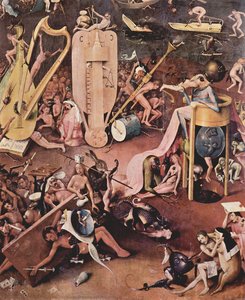


Еронимий Босх
Странник
() ·
With its frame: · Hand-painted in oil on linen
Total