


 Zobraziť v interiéri
 Odoslať
 Zdieľať
 Podrobnosti
 Príručkovo

 Stiahnuť
 Podobné položky
 RTG skúška
 Prehliadanie diapo\]
 Štatistiky
Orpheus and Eurydice
 Oil On Panel
- WallArt
- High Renaissance
 1508
1508- Renaissance
 39.0 x 53.0 cm
 Accademia Carrara
A dramatic High Renaissance scene of Orpheus playing his lyre beside the lifeless Eurydice by Titian Ramsay Peale II captures a profound sense of grief and classical beauty that invites you to explore this timeless masterpiece.
 Prečítať si viac
Titian Ramsay Peale II - Sebeportrét: Výnimočná obrazová dielka z obdobia renesansu zobrazujúca umelecké schopnosti autora a jeho introspektívnu povahu. Detailné olejomaľovanie z roku 1562.
Giclée / Umenotlač
Giclée tlač alebo plátno múzeálnej kvality s rýchlou výrobou a rôznymi možnosťami povrchovej úpravy. ( Objednať ručne maľovanú reprodukciu Prepnúť na digitálnu verziu obrazu)




P118B $10

P118H $10

P118W $10

P438Z $10

P508JH $12

P508YH $12

P805H $10

P805Z $10

P919BZ $10

P919G $10

P919XJ $10

P959ZH $10

P968JZ $12

W106C $8

W218G $10

W218JH $8

W218Y $10

W307PJ $10

W316G $10

W316PJ $8

W316Y $10

W398PJ $8

W4111J $10

W500HY $15

W500JH $15

W692G $12

W849H $8

W940BG $15

W953PJ $8




Štandardné rozmery
na mieru
CM
INCH
Vyberte si z našich preddefinovaných rozmerov, ktoré zodpovedajú pôvodným pomeroḿ diela.
Loading sizes...

šírka
výška
Môžete zadať vlastné rozmery, aby sa reprodukcia prispôsobila konkrétnemu rámu alebo priestoru. Ak zvolená veľkosť nebude zodpovedať proporciám originálu, dielo buď orežeme, alebo obraz rozšírime pomocou zrkadlenia či farebného doplnenia okrajov. Pred začatím výroby vám pošleme digitálnu ukážku na schválenie.
Máte na vedomí, že náhľad na obrazovke neodzrkadľuje skutočné orezanie alebo rozšírenie. Len digitálna ukážka presne zobrazí finálnu kompozíciu.
Hoci sú k dispozícii vlastné rozmery, pre zachovanie pôvodných proporcií odporúčame vybrať si rozmer z vopred definovaného zoznamu.
Celosvetová doprava () do 2 týždňov namiesto štandardných 4 až 5 týždňov. (25 september)

Bezplatná expresná doprava po celom svete

Vysokokvalitné lnianske plátno

Úplné poistenie prepravy

Záruka vrátenia colného poplatku

Záruka presného farebného zhodnutia

100-dená politika vrátenia tovaru (iba pri vadách)

100% záruka vrátenia peňazí

Ponuka množstevnej zľavy
 Možnosť skla je dostupná len pri rozmeroch pod 110 cm

Orpheus and Eurydice
Giclée / Umenotlač
Veľkosť reprodukcie
-


Celková cena
$ 69
Titian Ramsey Peale II: A Rediscovered Renaissance Voice
The allure of Titian Ramsey Peale II’s “Orpheus and Eurydice” transcends mere visual representation; it embodies the very spirit of High Renaissance artistic ideals. More than just a depiction of myth, this painting stands as a testament to humanist thought—a profound meditation on love, loss, and the transformative power of art itself.
Created in 1508, “Orpheus and Eurydice” immediately captivates with its masterful composition. The central figures – Orpheus, his lyre held aloft, and Eurydice lying motionless beside him – dominate the canvas, drawing the viewer’s gaze into a scene brimming with emotion. Surrounding them are additional figures—a shepherd, two attendants, and birds soaring overhead—creating a layered tableau that speaks to the complexities of human experience.
Titian Ramsey Peale II's artistic vision is rooted in meticulous observation and technical skill. He employed oil paint on panel, utilizing subtle glazing techniques to achieve luminous colors and remarkable detail. The muted palette – dominated by earthy tones—evokes a palpable sense of sorrow and solemn contemplation. Light plays a crucial role, bathing the scene in a soft glow that accentuates Orpheus’s lyre and Eurydice's serene repose.
The painting’s symbolism resonates deeply within the framework of classical mythology. Orpheus represents artistic genius—the ability to transcend earthly limitations through creative expression. His music serves as a conduit for communicating grief, yet simultaneously embodies hope—the yearning for reunion with lost love. Eurydice symbolizes purity and beauty, tragically extinguished by mortality.
“Orpheus and Eurydice” continues to inspire artists and collectors alike. Its enduring appeal lies in its ability to capture the essence of human emotion—a timeless portrayal of grief, longing, and the transformative potential of art. For those seeking a piece of artistic history infused with profound spiritual significance, Titian Ramsey Peale II's "Orpheus and Eurydice" offers a stunning reproduction that faithfully conveys the original artwork’s beauty and emotional depth.
- The Three Ages of Man by Titian Ramsey Peale II
- Portrait of Benedetto Varchi by Titian Ramsey Peale II
- Portrait of a Bearded Man by Titian Ramsey Peale II
To delve deeper into the artist’s oeuvre and explore his remarkable contribution to Renaissance art, visit Titian Ramsay Peale II.
Biografia umelca
Znovuzrodenie v Novom Svete: Život a dielo Titiana Ramsayho Pealea II
Titian Ramsay Peale II (1799-1885) predstavuje fascinujúcu, často prehliadanú postavu v krajine amerického umenia 19. storočia. Narodený vo Philadelphii, pochádzal z umeleckej rodiny – bol najmladším synom Charlesa Willsona Pealea, kľúčovej osobnosti raného amerického portrétneho maliarstva a zakladateľa prvého múzea v krajine. Hoci dedičstvo otca bolo výrazné, Titian si vydláždil vlastnú cestu, hlboko zakorenenú v estetických ideáloch Vysokého renesančnej umeleckej tradície, najmä tých prichádzajúcich z Benátok. Netvoril len repliky štýlov; kanalizoval hlbokú umeleckú citlivosť, prenášajúc do plátien precízny detail a živú farebnú paletu, ktorá ho odlišovala od mnohých jeho súčasníkov. Jeho život sa odohrával na pozadí rozvíjajúcej sa americkej identity, no jeho umelecké srdce zostalo spojené s klasickými majstrami, vytvárajúc presvedčivé napätie medzi úctou k starému svetu a novým výrazom.Od prírodovedcovho zápisníka k maliarskemu plátnu
Pealeove rané roky boli poznačené dvojakou fascináciou umením a prírodnou históriou – kombináciou podporovanou mnohostrannými záujmami jeho otca. Zúčastnil sa expedícií, najmä cesty Stephena Harrimana Longa do Skalistých hôr v rokoch 1819-20, kde s narastajúcou umeleckou zručnosťou dokumentoval flóru a faunu. Toto obdobie nešlo len o zaznamenávanie pozorovaní; išlo o *pochopenie* formy, svetla a textúry – zručnosti, ktoré sa ukázali ako neoceniteľné, keď sa plne venoval maliarstvu. Jeho práca prírodovedca obohatila jeho umenie, prenášajúc vedeckú precíznosť do zobrazení prírodného sveta, no zároveň ich napĺňala emocionálnou rezonanciou presahujúcou holé dokumentovanie. Neukazoval nám len to, ako veci vyzerajú; odhaľoval ich vnútornú krásu a duchovný význam. Táto oddanosť obom disciplínám je evidentná v dielach ako „Daň peniazmi“, dramatické stvárnenie s majstrovským využitím svetla a tieňa pripomínajúcim Rubensa, a „Nymfa a pastier“, ktoré spájajú prírodu, mytológiu a zmyselnú krásu.Benátsky vplyv a posvätné vízie
Vplyv benátskeho kolorizmu – dôrazu na bohaté, žiarivé farby a atmosférické efekty presadzované umelcami ako Titian (po ktorom pomenoval svoje meno) – je nepopierateľný v Pealeovom diele. Nekopíroval len týchto majstrov; internalizoval ich princípy a prispôsoboval ich vlastnej umeleckej vízii. To je obzvlášť zreteľné v jeho náboženských dielach, ako sú „Oltárny svätyňa so štyrmi svätými“ a „Klananie sa pastierov“. Tieto obrazy nie sú len zobrazením biblických scén; sú to pohlcujúce zážitky, ktoré vtiahnu diváka do sveta duchovnej kontemplácie prostredníctvom starostlivo komponovaných kompozícií a majstrovského využitia farieb na vyvolanie emócií. Precízna pozornosť detailom v týchto dielach hovorí nielen o jeho technickej zručnosti, ale aj o hlbokej úcte k predmetu jeho tvorby. „Krása“, pôsobivý portrét, ďalej demonštruje jeho schopnosť zachytiť ľudskú formu a charakter s eleganciou a rafinovanosťou.Opätovné objavenie a trvalý význam
Počas väčšiny 20. storočia zostal Titian Ramsay Peale II do značnej miery skrytý v art-historických príbehoch. Jeho práca nezapadala hladko do prevládajúcich trendov a jeho oddanosť klasickému štýlu sa zdala anachronistická v rýchlo sa meniacej umeleckej krajine. V posledných rokoch však nastalo rastúce prehodnocovanie jeho prínosu. Vedci a zberatelia uznávajú jedinečnú kombináciu americkej citlivosti a európskych tradícií, ktorá charakterizuje jeho obrazy. Opätovné objavenie jeho diela nie je len o vyplňovaní medzier v dejinách umenia; ide o získanie hlbšieho porozumenia komplexným kultúrnym silám, ktoré formovali 19. storočnú Ameriku. Peale predstavuje most medzi svetmi, svedectvo trvacej sily klasických ideálov a pripomienku toho, že umelecká inovácia často pramení z nečakaných kombinácií vplyvov. Jeho obrazy, ktoré sa teraz nachádzajú v zbierkach ako TopImpressionists, Uffizi Gallery a Palazzo Pitti, ponúkajú presvedčivý pohľad do zabudnutého kúta amerických dejín umenia – kúta osvetleného žiarivým leskom renesancie.- Vplyvní umelci: Titian, benátski majstri
- Dátum narodenia: 1799
- Dátum úmrtia: 1885
- Národnosť: Americká
- Pozoruhodné umelecké diela: „Oltárny svätyňa so štyrmi svätými“, „Klananie sa pastierov“, „Krása“, „Daň peniazmi“, „Svätá rodina s pastierom“, „Nymfa a pastier“

Titian Ramsay Peale II
1799 - 1885 , USA
Rýchle fakty
- Artistic Movement Or Style: Vysoká renesancia
- Artists Who Influenced This Artist:
- Titian
- Rubens
- Date Of Birth: 1799
- Date Of Death: 1885
- Full Name: Titian Ramsay Peale II
- Nationality: Američan
- Notable Artworks:
- Altar Shrine with Four Saints
- Adoration of the Shepherds
- The Beauty
- Tribute Money
- Place Of Birth: Philadelphia, USA
Súvisiace články

Gods and Heroes: A Definitive Guide to the Eternal Masterpieces of Greek Mythology
Explore the profound beauty of Greek mythology through art history. From Baroque masterpieces to Renaissance classics, discover how gods and heroes have inspired the world's greatest painters in this expert guide for collectors and history lovers.

Hravosť v umení: Top 10 diel pre radostný interiér | TopImpressionists
Objavte top 10 diel s hravou atmosférou od Picassa, Matissea a ďalších majstrov. Inšpirujte sa impresionizmom a farebnými plátnami pre váš interiér. Umelecké reprodukcie v múzejnej kvalite na TopImpressionists.com.
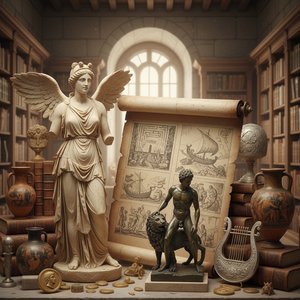
Timeless Legends: A Curated Guide to the Eternal Allure of Mythological Masterpieces
Embark on a sophisticated journey through the eternal allure of mythological art. Discover how master painters breathe life into ancient legends, from Greek deities to Baroque masterpieces, and learn to curate these timeless narratives within your own exquisite art collection.

Top 10 majstrovských diel renesancie: Umění, ktoré zmenilo svet | TopImpressionists.sk
Objavte top 10 majstrovských diel renesancie – od Leonarda da Vinciho po Michelangela. Prežite príbehy umenia, techniky a nadčasnej krásy. Reprodukcie obrazov pre váš interiér na TopImpressionists.sk! Preskúmajte celú kolekciu online.

Echoes of Olympus: Mythological Narratives in Western Art Through the Ages
Explore the captivating history of mythological narratives in Western art! From ancient Greece to modern masterpieces, discover iconic artworks & symbolism. Expert analysis and high-quality reproductions at TopImpressionists.
Preskúmajte umelecká diela usporiadané podľa tém, štýlov a charakteristík.


