


 Preverite v realnem okolju
 Pošlji kot čestitko
 Deli
Deli
 Podrobnosti
 Navodila

 Prenesi
 Podobni artefakti
 Rentgenski posnetek
 Predvajaj diaporama
 Statistika
Živo mesto z rdečo krpano
 Olje na platnu
- Stenska umetnost
- Fauvism
 1906
1906- Moderna doba
 89.0 x 116.0 cm
Živo mesto z rdečo krpano iz leta 1906}}; Matissejeva lepota barve in obliki! Raziskujte živče frutta, tekstila ter umetnikova revolucionarno uporabo forme in odtenka.
 Preberi več
Odkrijte Henrija Matissea (1869-1954), mojstra barve in fauvizma! Raziščite njegove ikonične slike, rezalne kolaže in vpliv na moderno umetnost. Vodilni francoski slikar 20. stoletja.
Ročno izdelana oljna reprodukcija
Ročno slikano olje na platnu v vaši izbiri velikosti in okvirja, izdelano po naročilu naših umetnikov. ( Preklop na tiskanine Preklop na digitalno sliko)




P118B $10

P118H $10

P118W $10

P438Z $10

P508JH $12

P508YH $12

P805H $10

P805Z $10

P919BZ $10

P919G $10

P919XJ $10

P959ZH $10

P968JZ $12

W106C $8

W218G $10

W218JH $8

W218Y $10

W307PJ $10

W316G $10

W316PJ $8

W316Y $10

W398PJ $8

W4111J $10

W500HY $15

W500JH $15

W692G $12

W849H $8

W940BG $15

W953PJ $8




Standardna velikost
po meri
CM
INCH
Izberite eno od naših vnaprej določenih velikosti, ki ustrezajo prvotnim proporcijam umetničkega dela.
Loading sizes...

širina
višina
Svoje dimenzije lahko vnesete tako, da se prilagodite določenemu okvirju ali prostoru. Če izbrana velikost ne ustreza razmerjem originalne slike, bomo umetniško delo obrezali ali sliko dopolnili z dodatnimi ročno naslikanimi elementi. Pred začetkom proizvodnje vam bo poslan digitalni osnutek v odobritev.
Upoštevajte, da predogled na zaslonu ne odraža dejanskega obrezovanja ali podaljšanja. Le osnutek bo natančno prikazal končno kompozicijo.
Čeprav so na voljo velikosti po meri, priporočamo izbiro dimenzije s preddefiniranega seznama, da ohranimo originalne razmere.
Primeri možnih sprememb: Zamenjava obraza s fotografijo stranke; Dodajanje hišnega ljubljenčka (npr. zamenjava mačke s psom); Vključitev skritega sporočila v ozadje; Sprememba pokrajine ali elementov v ozadju.
Po oddaji naročila bo ekipa TopImpressionists.com stranki po e-pošti poslala navodila in predogled digitalnega predogleda.
Po oddaji naročila bo ekipa TopImpressionists.com stranki po e-pošti poslala navodila in predogled digitalnega predogleda.
Mednarodna dostava () v 3/4 tednih namesto običajnih 5 tednov. (25 september). Brez kompromisov pri kakovosti.

Brezplačna ekspresna dostava po vsem svetu

Visokokakovostno laneno platno

Popolno zavarovanje pošiljke

Garancija povračila carine in uvoznih davkov

Garancija popolnega barvnega ujemanja

Politika vračila v 100 dneh (le v primeru okvar)

Garancija 100% povračila denarja

Popust pri večjem naročilu
 Možnost stekla je na voljo le za velikosti pod 110 cm

Živo mesto z rdečo krpano
Tehnika reprodukcije
Velikost reprodukcije
-


Skupna cena
$ 269
Still Life with a Red Rug: A Fauvist Masterpiece by Henri Matisse
- Artist: Henri Matisse
- Year: 1906
- Medium: Oil on Canvas
- Dimensions: 89 x 116 cm
- Location: Musée National d'Art Moderne, Paris
Subject and Composition
“Still Life with a Red Rug” is a quintessential example of Henri Matisse’s exploration of color and form within the still life genre. The painting depicts an arrangement of everyday objects – fruits (apples and pears), a banana, two books, and a chair – placed upon a table draped with a vibrant red rug. A partially obscured figure can be seen in the background, adding a subtle human element to the scene. Matisse’s genius lies not in meticulous realism but in his ability to transform these ordinary items into a dynamic composition brimming with energy and emotion.
Fauvism: Embracing Bold Color
This artwork is deeply rooted in the Fauvist movement, which translates to "wild beasts." Matisse was a leading figure in this revolutionary art style that emerged around 1905. Fauvism rejected traditional representational techniques, prioritizing instead the expressive use of color and simplified forms. In “Still Life with a Red Rug,” Matisse employs intense, non-naturalistic colors – the fiery red of the rug contrasts dramatically with the yellows, greens, and oranges of the fruit, creating a visually striking effect. The brushstrokes are loose and visible, further emphasizing the painting's expressive quality rather than photographic accuracy.
Historical Context and Influences
The early 20th century was a period of significant artistic experimentation. Matisse’s work was heavily influenced by the late paintings of Paul Cézanne, particularly those exhibited at the Salon d'Automne in 1904. Cézanne’s emphasis on structure and form paved the way for Matisse’s exploration of color as an independent element. The Fauvist movement itself challenged established artistic conventions and helped pave the way for subsequent modern art movements like Cubism and Expressionism.
Symbolism and Emotional Impact
While seemingly a simple depiction of everyday objects, “Still Life with a Red Rug” evokes a sense of joy, vitality, and sensory pleasure. The vibrant colors create an atmosphere of warmth and exuberance. The red rug acts as a unifying element, tying together the disparate objects and creating a harmonious whole. Matisse’s focus on color and form transcends mere representation; it aims to convey a feeling – a celebration of life's simple pleasures through the power of artistic expression. The painting invites viewers to appreciate the beauty inherent in ordinary moments and to experience the world through a lens of vibrant, emotional intensity.
Biografija umetnika
Življenje Prežeto s Barvo: Svet Henrija Matissea
Henri Émile Benoît Matisse, rojen 31. decembra 1869 v majhni severnofrancoski vasici Le Cateau-Cambrésis, ni bil usojen za življenje, ki bi ga zaznamovale pigmente in oblike. Sprva je po končani srednji šoli v Parizu študiral pravo, a se je njegova pot drastično spremenila leta 1889 po okužbi z apendicitisom. Med okrevanjem je odkril latentno strast, ki jo je razplamtelo preprosto dejanje slikanja s kompletom slikarskih potrebščin, ki mu jih je podarila mati. To ni bila le odlika; bil je razkritje – trenutek, ki ga je odvlekel stran od pravnih spisov in proti svetu, v katerem bi postala barva njegov jezik, platno pa njegovo kraljestvo. Odraščal je v Bohain-en-Vermandois, kot sin trgovcev z žitom, sprva se je zdel neverjeten za življenje boemskega umetnika, a seme je bilo zasajeno, negovano s convalescenco in razcvetelo v življenjsko predanost. Vpisal se je na Académie Julian, kasneje pa še na École Nationale des Beaux-Arts, kjer sta ga poučevala William-Adolphe Bouguereau in Gustave Moreau, vpijal klasične tehnike, ki so mu stale ob strani pri prihodnjih inovacijah. Njegova zgodnja dela so odražala to akademsko usposobljenost, pokazala znanje, a manjkalo je značilnega glasu, ki bi kmalu definiral njega.Zoranja Fauvizma in Drzne Eksperimente
Ključni trenutek je prišel leta 1896 med obiskom Belle Île z avstralskim slikarjem Johnom Russellom. To srečanje se je izkazalo za transformativno. Russell mu je predstavil živahni svet impresionizma in še pomembneje, strastna platna Vincenta van Gogha. Vpliv je bil globok. Van Goghjeva ekspresivna uporaba barve je uničila Matissejevo dosedanjo zadržano paleto, spodbujala ga k bolj odvažnemu in subjektivnemu pristopu. Začel se je oddaljevati od zemljih tonov in sprejemati odtenke, ki so resonirali s čustvi namesto striktne reprezentacije. To raziskovanje je vrhunsko pripeljalo do nastanka fauvizma okoli leta 1905 – gibanja, v katerem je Matisse postal vodilna figura. Ime samega, kar pomeni "divje zveri", so sprva kritično označevali za skupino slikarskih del, ki so bila šokantno živahna in nestriktno naravarska, razstavljena na Salonu d'Automne. Matisse je bil skupaj z umetniki kot sta André Derain in Maurice de Vlaminck zagovornik intenzivne barve kot samostojnega elementa izraza, poenostavljal oblike za povečanje njenega vpliva. Slike, kot je The Gourds (1905), utelešajo ta slog – razkošje rdeče, zelene in rumene barve, naneseno s svobodo, ki je ignoriralo tradicionalno perspektivo in mimetično natančnost. Ključne značilnosti so bile intenzivno nasičene palete, poenostavljene oblike, izrazni potezi čopiča ter namenit zavrnitev konvencionalne reprezentacije v prid čustvenemu odzivu.Izpopolnjevanje in Dekorativna Harmonija
Po prvotnem navdušenju fauvizma je Matissejev slog doživel subtilen, a pomemben razvoj. Čeprav ni nikoli zapustil svoje ljubezni do barve, so se njegova dela izboljšala, nagibajoč k dekorativni estetiki, ki poudarja sploščene oblike in zapletene vzorce. Raziskoval je teme prostega časa, domačnosti in človeške figure v mirnih okoljih, ustvarjal kompozicije, ki so bile hkrati harmonične in čustveno resonanantne. Selitev v Nico na francoski Rivièri leta 1917 je dodatno pripomogla k tej spremembi, obdarila pa njegovo delo s čutom mirnosti in klasičnega ravnovesja. Začel se je osredotočiti na ustvarjanje okolij – slik, skulptur in dekorativnih predmetov – ki so obvladala gledalca v atmosferi lepote in umiritve. Ta obdobje je zaznamovalo eksperimentiranje z različnimi mediji, vključno s keramiko in tekstilom, razširjajoč njegovo umetniško vizijo izven tradicionalnega platna. Ni le prikazoval prizorov; ustvarjal svete, zasnovane za sprožanje določenega čustvenega odziva.Pozne Lete: Inovacije Skozi Omejitve
Ko je upad zdravja omejil Matisseovo zmožnost slikanja na tradicionalen način, se je podal na izjemno novo poglavje svojega umetniškega potovanja – ustvarjanje izrezanih papirnatih kolažev (*découpages*). Že okoli leta 1947 so ta dela nastala zaradi potrebe. Omejen na invalidski voziček ni mogel fizično stati in slikati, vendar je lahko še vedno manipuliral s papirjem z škarjami. Tisto, kar se je začelo kot praktično rešitev, se je razvilo v revolucionarno umetniško tehniko. Bi barval velike liste papirja v živahne barve, nato pa jih izrezal v oblike – organske oblike, listje, figure – in jih uredil na platno, ustvarjal kompozicije, ki so bile dinamične in zavajajoče preproste. Ti *découpages* niso bili le nadomestilo za slikanje; predstavljali so nov način razmišljanja o barvi, obliki in kompoziciji. Nadaljevali so njegovo življenjsko raziskovanje teh elementov, pokazali pa trajno umetniško vizijo tudi v primeru fizičnih omejitev.- Tehnika izrezovanja mu je omogočila doseči čistost oblike in barve, ki jo je bilo težko doseči s sliko.
- Ta dela so pogosto referirala na zgodnejše teme in motive iz njegovih slik, vendar so jih predstavila na svež in inovativen način.
- Prikazali so njegovo sposobnost prilagajanja in razvoja kot umetnika skozi celotno kariero.
Trajna Zapuščina: Matisseov Vpliv na Sodobno Umetnost
Henri Matisse je umrl v Nici leta 1954 in za seboj pustil delo, ki še naprej navdihuje in očara občinstvo po vsem svetu. Njegov vpliv na svet umetnosti je neizrecen; izzval je konvencionalne predstave o reprezentaciji, zagovarjal izrazno moč barve in utiral pot prihodnjim generacijam umetnikov. Pogosto se ga uvrščajo skupaj s Pablom Picassom kot enim največjih vplivnih likov 20. stoletja, Matisse je temeljito oblikoval modernizem. Njegova zapuščina sega izven njegovih del – obseča filozofijo praznovanja veselja, lepote in transformativnega potenciala barve. Ni le slikAL to, kar je videl; ustvarjal čustveno izkušnjo za gledalca, vabijo ga, da si delijo njegovo vizijo sveta, ki je prekrit s svetlobo in živahnimi odtenki. Matisse'ov vpliv je mogoče opaziti v neshtetih delih umetnikov iz različnih disciplin, kar utrjuje njegov položaj pravega mojstra sodobne umetnosti – slikarja, ki se je upal videti svet ne takšnega, kot je, temveč takšnega, kakršen bi lahko bil, poln barve, harmonije in neskončne možnosti.
Henri Matisse
1869 - 1954 , Francija
Ključne informacije
- Datum Rojstva: 31. december 1869
- Datum Smrti: 1954
- Kraj Rojstva: Le Cateau-Cambrésis, Francija
- Nacionalnost: Francoska
- Pod Vplivom:
- Modernizem
- Ekspresionizem
- Polno Ime: Henri Émile Benoît Matisse
- Umetniški Slog: Fauvizem
- Vplivneži:
- Van Gogh
- Russell
- Znani Dela:
- The Gourds
- Laurette in a White Turban
Sorodni članki

Fauvism's Boldest Visions: 10 Masterpieces That Revolutionized Modern Art | TopImpressionists
Explore 10 Fauvist masterpieces by Matisse, Derain & Vlaminck that ignited Modern Art! Discover bold colors, expressionist landscapes & the history of this revolutionary movement. Find museum-quality prints at TopImpressionists.com.

Henri Matisse: 25 Mojstrovskih Del za Navdih v Vašem Domu | TopImpressionists
Odkrijte 25 mojstrovskih del Henrija Matissea! Preučite fauvizem, barvite kompozicije in zgodbe za ikoničnimi slikami. Najdite popolno umetniško reprodukcijo za vaš dom na TopImpressionists.com.

The Wild Beast Within: Exploring Fauvism's Revolutionary Use of Color and Form
Explore the revolutionary Fauvism movement & Henri Matisse's bold use of color! Discover key characteristics, iconic artworks, and its lasting impact on modern art history with TopImpressionists.
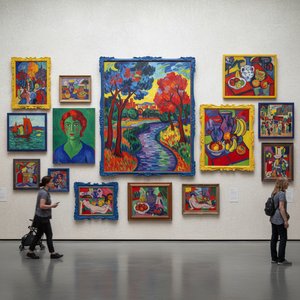
Fovizem: 10 mojstrovin, ki so definirale umetnostno gibanje
Odkrijte 10 mojstrovin fovizma – Matisse, Derain & več! Raziskujte izrazito barvo in umetniške tehnike, ki so definirale to revolucionarno umetnostno gibanje. Najdite navdih za notranji dizajn in vrhunske reprodukcije slik na TopImpressionists.com!
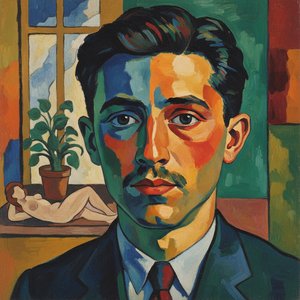
Henri Matisse: A Revolutionary Use of Color and Form in Modern Art
Explore the revolutionary art of Henri Matisse! Discover his bold use of color, Fauvist origins, and lasting impact on modern painting. A comprehensive guide for art enthusiasts.
Raziščite umetniška dela, razvrščena po temah, slogih in značilnostih.


