Of all Албрехт Дирер's paintings, Knight, Death, and the Devil (1513) is the most famous. Close behind come Mladi zec (1502) and Портрет младе жене (1493). Among the 1,220 works by Албрехт Дирер in our catalogue, these 100 are the most celebrated, each shown with its date, its museum and its story.
Ranked by our popularity score, which combines the searches, visits and orders for each work. Updated октобар 2026. Each painting on this page can be ordered as an oil reproduction painted by hand on linen canvas, or as a fine art print, made to the size you choose.


Mladi zec Albrehta Džurera: Studija prirode i majstorstva Albrecht Džurerova "Mladi zec", nastala 1502. godine, nije samo portret životinje; to je duboka studija prirode, testament umetničke veštine i svojevrsna oda lepoti malih detalja. Ovo remek-delo severne renesanse, čuvano u Albertini u Beču, fascinira posmatrače već pet vekova svojom neverovatnom preciznošću i živopisnošću. Džurer je ovim delom prevazišao granice običnog životinjskog portreta, stvarajući umetničko delo koje govori o pažnji, strpljenju i…

Albrecht Dürer’s “Portrait of the Artist Holding a Thistle,” completed around 1493, stands as an emblem of Renaissance introspection and artistic ambition. Executed in oil paint on vellum—a technique favored by Northern European artists—this remarkable artwork captures Dürer himself at the cusp of his career, presenting him with a thistle plant.

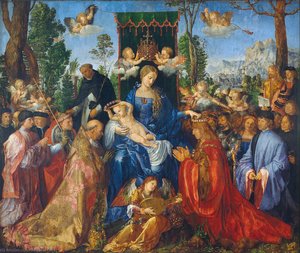
Feast Of The Rose Garlands: A Renaissance Masterpiece The Feast of the Rose Garlands by Albrecht Dürer stands as an enduring testament to the artistic fervor of the German Renaissance, capturing not merely a biblical scene but also the intellectual currents shaping Europe at the dawn of the sixteenth century. Executed in 1506 on a monumental panel destined for an altar in Venice—a city brimming with artistic patronage and humanist…

Albrecht Dürer's Self-Portrait at 26, completed in 1498, stands as an unparalleled achievement of Northern Renaissance art—a testament to meticulous observation and profound psychological insight. More than just a likeness of the artist himself, it’s a carefully constructed symbol reflecting Dürer’s intellectual ambitions and artistic identity during a pivotal moment in European history.

Albrecht Dürer i „Adoracija Magi“ – Simbolička Moć Šampionskog Renesanse „Adoracija Magi“ Albrehta Dürera iz godine 1504. godine predstavlja jedan od najvažnijih umetničkih dela ovog doba, potvrđujući vrhunsku umetnost šampionskog renesanse i ostavljajući nezaboravno snažan utisak na posetilaca. Ova veličanstvena slika je pronađena u Galeriji Uffizi u Firenci, Italija, gde se danas nalazi kao jedan od najlepših primeraka Dürerove umetnosti. ### Kompozicija i Stil – Preciznost Šampionskog Renesanse Kompozicija slike…

A Glimpse into Artistic Maturity: Dürer’s Self-Portrait at 22 This striking self-portrait, created in 1500 by the masterful Albrecht Dürer, is far more than a simple likeness; it's a bold statement of artistic identity and a pivotal work within the Northern Renaissance. Painted when he was just twenty-eight years old (though misdated as 1493), this piece resides in the Louvre Museum and showcases Dürer’s remarkable skill and evolving style. He…

Обожавање Свете Тројице (Ландауров алтар) излази из кисти Албрехта Дюрера, присуство који захтева пажњу гледаоца својом огромном скалом и духовном тежином. Створено 1511. године, ово монументално дело захвата тренутак небеске конвергенције. Оно постоји као дубока визуелна химна, у којој се божанско и земљоносно сусрећу у једном, јединственом акту поклона. Чини се да се ваздух густи од тежине фигура сакупљених у овом светом простору, као да је гледалац случајно наишао на…

Portret mlade venecijanske žene: Pogled u renesansnu Veneciju kroz oči Dürera Albreht Dürer, nemački majstor renesanse, zauvek je ostavio neizbrisiv trag u svetu umetnosti svojim izvanrednim gravurama i slikama. Među njegovim mnogobrojnim delima, portret mlade venecijanske žene, nastao 1505. godine tokom njegove druge posete Italiji, zauzima posebno mesto. Ovaj intiman prizor ne samo da prikazuje lepotu jedne žene, već i pruža retku priliku da se uđe u svet venecijanskog društva…

Albrecht Dührerova slika "Hristos među učenicima", nastala 1506. godine, nije samo vizualni prikaz biblijske scene, već duboki odraz renesansne intelektualne klime i spiritualnog traganja. Ulje na panelu prenosi trenutak kada dvanaestogodišnji Isus raspravlja sa učenim muškarcima u hramu Jerusalima, kao što je opisano u Lukinom evanđelju. Dührerov pristup nije samo ilustrativan; on stvara atmosferu intelektualnog dijaloga i duhovne napetosti koja privlači posmatrača u srce ove izuzetne kompozicije.

Stajati ispred dela Albrehta Dürera, Fešta ružinih venaca, znači biti prenet u samo srce nemačke renesanse, period u kojem su humanistički intelekt i duboka religiozna pobožnost plesali u…
Order this canvas →
Albreht Dürer i "Cvetne Girlande": Svedočanstvo Majstorstva Severne Renesanse "Cvetne girlande" (Rosenkranzfest) Albrehta Dürera, nastalo 1506. godine, nije samo slika; to je portal u svet vernosti, umetničke briljantnosti…
Bring this light home →
Subjekat i fokus Ovaj izvrsni portret beleži intimni krupni plan ljudskog lica, naglašavajući dubinu i složenost ljudskih emocija. Spokojan, ali intenzivan izraz lica subjekta poziva posmatrače u trenutak…
Bring this light home →
Portret mlade Venecijanke – Svedočenje o Renesansnoj Efinernosti Ovaj portret, nastao 1505. godine od strane Albrehta Dürera, predstavlja ne samo sliku mlade žene, već i izuzetan primer umetničkog…
Have it painted by hand →
To gaze upon Albrecht Dürer’s Self-Portrait at the Age of Twenty Eight is to encounter more than just a painted likeness; it is to witness a profound moment…
Bring this light home →
In the quiet, hallowed halls of the Alte Pinakothek in Munich, there exists a masterpiece that does more than merely occupy space; it commands a profound silence. Albrecht…
Have it painted by hand →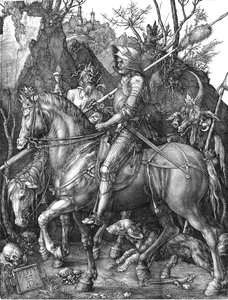
In the annals of the Northern Renaissance, few works command the same visceral intensity as Albrecht Dürer’s 1513 masterpiece, Knight, Death and the Devil. This monumental engraving is…
Bring this light home →
In the profound stillness of 1513, Albrecht Dürer captured a moment of intense spiritual confrontation in his masterful engraving, Knight, Death, and the Devil. This work, one of…
Bring this light home →
The Men's Bath is a woodcut created by Albrecht Dürer in 1497. The image captures a group of nude men gathered within a bathhouse. They occupy a space…
Bring this light home →
In the quiet, shadowed corners of the Northern Renaissance, few works capture the profound essence of human devotion as poignantly as Albrecht Dürer’s St Jerome in the Wilderness.…
Have it painted by hand →
In the annals of the Northern Renaissance, few images possess the haunting, visceral magnetism of Albrecht Dürer’s “The Sea Monster.” Created around 1498, this extraordinary engraving serves as…
Bring this light home →
Албрехт Дирер је био симбол немачке ренесансе рођен 1471. године у Нирнбергу. Отац му је био успешан златар који се преселио из Мађарске, носећи са собом породицу прожета…
Have it painted by hand →
The scene unfolds in a moment of profound stillness and heavy sorrow. In this depiction of the Crucifixion of Jesus Christ, the weight of the event hangs in…
Order this canvas →
In the quiet, contemplative depths of Albrecht Dürer’s "The Seven Sorrows of the Virgin," created in 1496, we encounter more than a mere religious relic; we enter a…
Have it painted by hand →
In the quiet, shadowed corners of the Northern Renaissance, few works capture the profound essence of human devotion as poignantly as Albrecht Dürer’s St Jerome Penitent in the…
Order this canvas →
In the quiet, shadowed corridors of art history, few works command the visceral intensity of Albrecht Dürer’s Harrowing of Hell, also known as Christ in Limbo. Created between…
Bring this light home →
The monochrome print depicts a celestial event centered on the Virgin Mary. She sits upon a throne decorated with floral patterns. Christ, acting as King of Heaven, places…
Bring this light home →
Tiho posmatranje zeca: Albreht Durerov „Hase” Muzej Albertina u Beču čuva jedno od najprevarljivo jednostavnih, a istovremeno duboko rezonantnih dela renesanse – „Hase” (Zec) Albrehta Durerа, dovršen 1502.…
Bring this light home →
Albrecht Dürer's "Small Passion: 2. Expulsion from Paradise," created in 1510, stands as a cornerstone of Northern Renaissance art—a testament to meticulous observation and profound symbolic representation. More…
Bring this light home →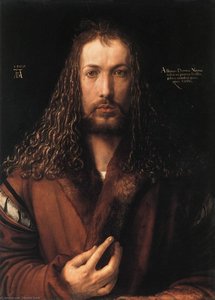
Albrecht Dürer's ‘Self-Portrait in a Fur-Collared Robe,’ painted circa 1500, stands as an unparalleled testament to the artistic fervor of the German Renaissance. More than just a depiction…
Have it painted by hand →
In the quiet, shadowed corridors of the Northern Renaissance, few works capture the raw, trembling essence of human vulnerability as masterfully as Albrecht Dürer’s Agony in the Garden.…
Have it painted by hand →
Albrecht Dürer's "The Temptation of the Idler," completed around 1498, stands as a cornerstone of Northern Renaissance printmaking—a masterful distillation of humanist thought and allegorical representation. More than…
Have it painted by hand →
The drawing, titled Hands of an Apostle, is a detailed study rendered in pen and ink on blue colored paper. The composition focuses exclusively on a pair of…
Order this canvas →
In the quiet, profound depths of Albrecht Dürer’s 1513 engraving, St Peter and St John Healing the Cripple (No. 16), we encounter a moment where the earthly and…
Have it painted by hand →
The forest holds its breath as a sudden, divine light pierces the dense canopy. Within this shadowed woodland, a Roman general named Placidus halts his pursuit, frozen by…
Have it painted by hand →
Albrecht Dürer’s “Courtyard of the Former Castle in Innsbruck with Clouds,” completed in 1494, transcends mere depiction; it embodies the very essence of Northern Renaissance artistic ambition. More…
Order this canvas →
Albrecht Dürer’s “The Bagpiper,” created in 1514, transcends mere visual representation; it embodies the spirit of the German Renaissance—a period defined by humanist ideals and an unwavering fascination…
Bring this light home →
Albrecht Dürer's "The Harrowing of Hell," or Christ in Limbo, from his monumental “Large Passion,” is not merely a depiction of biblical narrative; it’s a profound exploration of…
Order this canvas →
In the quiet, meticulous world of Northern Renaissance printmaking, few works command as much reverence as Albrecht Dürer’s 1513 masterpiece, Sudarium Displayed by Two Angels. This profound engraving…
Have it painted by hand →
Слика приказује двоје младића обучено у средњовековну опрему, сваки држећи штит украшен гералдичким симболима. Младић са леве стране стоји поред мача, док и онaj с десне стране носи…
Order this canvas →
Albrecht Dürer's “The Virgin Mary in Prayer,” painted in 1518, isn’t merely a depiction of the biblical figure; it’s an intensely personal meditation rendered in oil on panel.…
Have it painted by hand →
In the annals of the German Renaissance, few names command as much reverence as Albrecht Dürer, a master who possessed the rare ability to marry scientific precision with…
Bring this light home →
St Eustace: A Detailed Exploration of Dürer's Masterpiece Subject Matter: Тај сликарски предмет приказује Светог Еустака, познатог као Светог Хуберта, римског војника који је преобратио веру после посвећења…
Order this canvas →
Albrecht Dürer's "The Martyrdom of the Ten Thousand" stands as a monumental achievement of German Renaissance art, capturing not merely visual splendor but also profound theological contemplation. Painted…
Have it painted by hand →
Albrecht Dürer's "St Jerome in His Study" is a remarkable black and white engraving that transports viewers to the private world of a Christian scholar and hermit. Completed…
Order this canvas →
Step closer to the print and observe how the ink settles into the paper. In this 1511 woodcut, we find St. Christopher navigating the currents of a river,…
Order this canvas →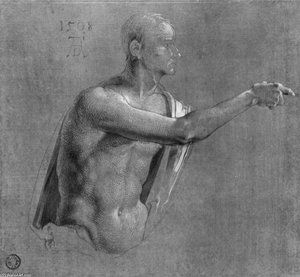
This detailed black and white drawing, executed in pen and ink on paper, presents a study of human anatomy focusing on the upper body of a male figure.…
Bring this light home →
This black and white drawing is a detailed portrait of Willibald Pirckheimer, created by Albrecht Dürer. The composition is a study in profile, focusing on the subject's face…
Order this canvas →
This monochrome drawing, executed in 1520, presents a bust-length view of Erasmus, depicted from the chest upward. The subject is positioned centrally, with his head slightly tilted to…
Order this canvas →
The Breath of Creation: A Vision of Adam In the quiet shadows of the Museo del Prado, Albrecht Dürer’s Adam stands as a monumental testament to the dawn…
Order this canvas →
Durerova „Studija čoveka od 93 godine”, naslikana 1521. godine, nije samo običan portret; to je duboka meditacija o vremenu, smrtnosti i tihom dostojanstvu starenja. Stvoreno tokom ključnog perioda…
Order this canvas →
The German artist Albrecht Dürer captures the essence of a profound intellect in his 1526 portrait, Erasmus of Rotterdam. This work emerges from a personal connection between the…
Order this canvas →
The Emperors Charlemagne and Sigismund: A Nuremberg Commission Reflects Renaissance Ideals This drawing by Albrecht Dürer represents more than just a portrait; it embodies the aspirations of a…
Have it painted by hand →
The artwork titled Jabach Altar: Saints Simeon and Lazarus is a religious art piece created by the artist Albrecht Dürer. This specific panel constitutes the right wing inside…
Have it painted by hand →
Wing of a Blue Roller, also known as Wing of a European Roller, is a nature study watercolor by the German artist Albrecht Dürer. Completed in 1512, the…
Order this canvas →
The Small Courier is a black and white engraving from 1496. The image depicts a dynamic scene of a man on horseback riding through a forest. The composition…
Have it painted by hand →
A Window Into Renaissance Identity: Examining Albrecht Dürer’s Self-Portrait at 26 The painting “Self-Portrait at 26,” executed by Albrecht Dürer in 1498, transcends mere representation; it embodies the…
Order this canvas →
In the quietude of Albrecht Dürer’s “Virgin and Child with a Pear,” we are invited into a sacred space that transcends the boundaries of time. Completed in 1512,…
Bring this light home →
In the quiet intensity of Albrecht Dürer’s Crowning with Thorns, we are invited into a moment of profound spiritual gravity. Created in 1504, during the height of the…
Order this canvas →
In this woodcut from 1511, we find ourselves drawn into a quiet, intimate corner of a room where a profound act of service is unfolding. The scene captures…
Order this canvas →
In the quietude of Albrecht Dürer’s “Head of an Angel,” completed in 1506, one encounters more than a mere portrait; one enters a meditative space where the boundaries…
Bring this light home →
In the quiet, hallowed halls of the Gemäldegalerie Alte Meister in Frankfurt, there exists a window into a vanished world, a moment of profound intimacy captured by the…
Order this canvas →
Albrecht Dürer’s “Eve,” completed in 1507, stands as a monumental achievement within the artistic landscape of the German Renaissance. Currently residing at the Museo del Prado in Madrid,…
Have it painted by hand →
In the annals of the German Renaissance, few names command as much reverence as Albrecht Dürer. Emerging from the industrious, artisan-driven atmosphere of Nuremberg in 1471, Dürer was…
Order this canvas →
A Dreamscape of Anxiety: Decoding Dürer’s Traumgesicht Albrecht Dürer's *Traumgesicht* (Dream Face), created in 1525, isn’t merely a depiction of a landscape; it’s an unsettling meditation on fear…
Have it painted by hand →
Two elderly figures, Joseph and Joachim, occupy the foreground in a formal, iconographic arrangement. On the left, a man in a green mantle and pink tunic holds a…
Bring this light home →
In the quiet stillness of 1504, Albrecht Dürer captured a moment that would transcend time, weaving together the earthly and the divine in his masterpiece, Adoration of the…
Have it painted by hand →
The air feels still around the Virgin Mary as she cradles the Christ Child in a quiet, intimate embrace. A soft light descends from the upper left, brushing…
Order this canvas →
In the quiet intersection of scientific inquiry and artistic mastery, Albrecht Dürer’s “The Southern Hemisphere of the Celestial Globe” emerges as a breathtaking window into the Renaissance mind.…
Have it painted by hand →
In the Martyrdom of the Ten Thousand, Albrecht Dürer presents an arresting testament to the artistic fervor and moral contemplation characteristic of the German Renaissance. This monumental work…
Order this canvas →
In the quiet, meticulous world of the German Renaissance, few works capture the unsettling intersection of the carnal and the supernatural as profoundly as Albrecht Dürer’s Satyr Family.…
Have it painted by hand →
Albrecht Dürer's "Study of Hands," created in 1506, is far more than a simple depiction of two hands grasping a hat; it’s a profound meditation on human skill,…
Have it painted by hand →
In the annals of the Northern Renaissance, few works command as much reverence for their technical complexity and symbolic depth as Albrecht Dürer’s "Triumphal Arch." Created in 1515,…
Bring this light home →
Albrecht Dürer's "Life of the Virgin: 6. Marriage of the Virgin," executed in 1504, stands as a testament to the artistic fervor of the German Renaissance—a period defined…
Bring this light home →
In the year 1496, within the vibrant, industrious atmosphere of Nuremberg, Germany, a young Albrecht Dürer captured a moment that would transcend the boundaries of mere sketchwork to…
Order this canvas →
In the quiet, shadowed corridors of the Northern Renaissance, few moments capture the intersection of the human and the divine as poignantly as Albrecht Dürer’s Small Passion: 32.…
Have it painted by hand →
In the quiet, profound depths of the Northern Renaissance, few artists possessed the ability to bridge the gap between the earthly and the divine as masterfully as Albrecht…
Have it painted by hand →
A Window into Renaissance Self-Reflection: Examining Albrecht Dürer’s “Self-Portrait at 26” The Museo del Prado in Madrid houses a masterpiece that transcends mere portraiture—Albrecht Dürer's "Self-Portrait at 26,"…
Have it painted by hand →
The artwork is a detailed black and white engraving depicting two figures, a man and a woman, seemingly engaged in conversation. The composition is vertically oriented with the…
Have it painted by hand →
The image is a monochromatic woodcut characterized by intricate linework and high contrast. The composition is dense with figures and architectural elements, creating a sense of dramatic tension.…
Order this canvas →
The engraving, titled Man Of Sorrows With Hands Raised, presents a central figure, presumably Christ, depicted in a state of suffering. The figure stands with arms raised, positioned…
Order this canvas →
In the quiet, meticulous lines of Albrecht Dürer’s Prudentia, we encounter more than just a portrait; we enter a profound meditation on the human intellect and the virtue…
Have it painted by hand →

Albrecht Dürer's woodcut, "Christ on the Cross with the Virgin and St John," stands as a profoundly moving testament to the artist’s mastery of German Expressionism and his…
Order this canvas →

The artwork is a detailed black and white woodcut depicting a celestial scene with angels playing musical instruments. The image is vertically oriented, densely populated with figures and…
Bring this light home →
The artwork is a detailed black and white engraving depicting a chaotic battle scene between angels. The composition is vertically oriented and densely populated with figures engaged in…
Have it painted by hand →

A Moment Frozen in Ink: The Tension of the Northern Renaissance Christ before Caiaphas (No. 4) is not merely an engraving; it is a profound psychological drama captured…
Bring this light home →
In the heart of the German Renaissance, where the scent of heated metal and the precision of goldsmithing once defined the streets of Nuremberg, there emerged a portrait…
Have it painted by hand →
This artwork is a detailed black and white woodcut depicting two figures in conversation. The composition is centered around the two figures, positioned on either side of the…
Bring this light home →
A skull rests upon a draped cloth in the foreground, its hollow sockets staring from a position of quiet prominence. Beside this symbol of mortality, a crowned woman…
Order this canvas →

In the quiet, meticulous world of the German Renaissance, few hands could command the copper plate with as much spiritual authority as Albrecht Dürer. His 1523 engraving, Saint…
Order this canvas →
U srcu Nirnberga, grada koji je bio centar umetnosti i zanata tokom renesanse, stvorena je ikona. ‘Posnjak’, ili ‘The Last Supper’ kako ga je poznavao Albrehth Dürer, nije…
Have it painted by hand →
In the quiet intimacy of a single copperplate engraving, Albrecht Dürer managed to capture the thunderous pulse of human existence. Peasant Couple Dancing, executed in 1514, is far…
Have it painted by hand →
In the quiet intersection of art and science lies Albrecht Dürer’s Studies on the Proportions of the Female Body, a profound window into the intellectual fervor of the…
Have it painted by hand →
In the annals of the German Renaissance, few images possess the raw, kinetic energy found in Albrecht Dürer’s St Michael Fighting the Dragon. Created around 1498, this masterpiece…
Have it painted by hand →

The four subjects that return most often on these canvases, each with its best-loved example.
 #1 Knight, Death, and the Devil
 #7 Self-portrait at 22,1493, louvre
 #9 Portret mlade venecijanske žene
 #10 Renaissance dijalog: otkrivanje intelektualne scene Dürera
Albrecht Dürerova slika "Hristos među učenicima" (1506) je zadivljujuća eksplozija vere, znanja i omladinske mudrosti. Ova uljana slika na panelu pruža retki uvid u intimni trenutak – dvanaestogo
The 8 museums that hold the most of the paintings on this page.
| Museum | City | Works by Албрехт Дирер | Paintings from this list |
|---|---|---|---|
 Metropoliten музеј у Њујорку |
Њујорк | 52 | The Sea Monster, Crucifixion, St Jerome Penitent in the Wilderness |
 Graphische Sammlung Albertina |
Beograd | 51 | Life of the Virgin: 18. The Coronation of the Virgin, Courtyard of the Former Castle in Innsbruck with Clouds, Studija čoveka od 93 godine |
 British Museum |
London | 67 | The Men's Bath, Small Passion: 2. Expulsion from the Paradise, Pattern from the Series of Six Knots 3 |
 Kunsthistorisches Museum |
Beč | 30 | Обожавање Свете Тројице (Ландауров алтар), Portret mlade venecijanske žene, Портрет млади жене из Венеције |
 Музеј Прадо |
Мадрид | 9 | Samoportret, Adam, Self-Portrait at 26 |
 Bavarske državne slikopisne kolekcije |
Minhen | 10 | Self-Portrait at the Age of Twenty Eight, The Four Apostles, Jabach Altar: Saints Simeon and Lazarus |
 Alte Pinakothek |
Minhen | 26 | The Seven Sorrows of the Virgin, Self-Portrait in a Fur-Collared Robe, Силвански људи са гералдичким штитовима |
 Albertina |
Beč | 19 | Mladi zec, Zec, The Harrowing of Hell or Christ in Limbo, from The Large Passion |

Albrecht Dürer’s “Portrait of the Artist Holding a Thistle,” completed around 1493, stands as an emblem of Renaissance introspection and artistic ambition. Executed in oil paint on vellum—a…

Mladi zec Albrehta Džurera: Studija prirode i majstorstva Albrecht Džurerova "Mladi zec", nastala 1502. godine, nije samo portret životinje; to je duboka studija prirode, testament umetničke veštine i…
In the quiet, hallowed halls of the Alte Pinakothek in Munich, there exists a masterpiece that does more than merely occupy space; it commands a profound silence. Albrecht…
Knight, Death, and the Devil (1513), followed by Mladi zec (1502) and Портрет младе жене (1493).
Албрехт Дирер, born in 1471, was 42 years old: Knight, Death, and the Devil dates from 1513.
Knight, Death, and the Devil, Mladi zec, Портрет младе жене, Feast Of The Rose Garlands, Samoportret, Поклоњење светих | Поклоњење светих, Self-portrait at 22,1493, louvre, Обожавање Свете Тројице (Ландауров алтар), Portret mlade venecijanske žene and Renaissance dijalog: otkrivanje intelektualne scene Dürera Albrecht Dürerova slika "Hristos među učenicima" (1506) je zadivljujuća eksplozija vere, znanja i omladinske mudrosti. Ova uljana slika na panelu pruža retki uvid u intimni trenutak – dvanaestogo. Each canvas in the ranking above comes with its year and its museum.
1,220 works by Албрехт Дирер are in our catalogue, dated 1493 to 1528.
Mostly in Metropoliten музеј у Њујорку (Њујорк), Graphische Sammlung Albertina (Beograd) and British Museum (London); the list above names each museum and its canvases.
In 1500s, which gave 33 of the 100 works on this page, Mladi zec among them.
The earliest canvas here is Портрет младе жене (1493); the latest is Studies on the Proportions of the Female Body (1528).
Renaissance (30), Renaissance art (27) and Engraving (11), across the 100 works on this page.
Engraving, used in 26 of the 100 works on this page.
Severna renesansa, as the canvases on this page show.
The Metropoliten музеј у Њујорку, Њујорк holds 14 of the works on this page, among them The Sea Monster, Crucifixion and St Jerome Penitent in the Wilderness.
Yes. Every painting on this page can be ordered from its own page as an oil reproduction painted by hand, or as a fine art print, in the size you choose.
U užurbanom franconijskom gradu Nirnbergu, mestu gde je vazduh često nosio miris metala i preciznost vrhunskog ručnog rada, Албрехт Дюрер je došao na svet 1471. godine. Rođen je u domaćinstvu koje je definišeao postojani, disciplinovani ritam zanatstva. Njegov otac, Албрехт Дюрер stariji, bio je uspešan zlatar koji je svoje zanatstvo i porodično nasleđe preneo u ovaj grad. Ovo okruženje pedantnog rada i vladanja materijom pružilo je plodno tlo u kojem će talent mladog dečaka na kraju pustiti korenje.
Iako je njegov otac možda zamišljao život proveden u radu sa plemenitim metalima, dečak je posedovao drugačiju vrstu unutrašnje žeđi. Njegove ruke nisu bile privlačne kovačevom čekiću, već nežnoj preciznosti crteža i dubokim mogućnostima slike. Ova urođena sklonost vremenom će ga pretvoriti u čoveka mnogih disciplina. Postao je slikar, crtač, pisac i grafičar, pri čemu je svaka uloga omogućavala da istražuje svet kroz drugačije prizme posmatranja i tehničke veštine.
Njegove rane godine oblikovane su tom napetosti između porodičnog zanata i njegovog sopstvenog, naglo bujajućeg identiteta. Disciplina zlatarske radionice u njemu je usadila rigoroznu etiku rada koju će nositi u svaki medij koji dotakne. Čak i kao dete, njegov talenat je bio očigledan, što se ogledalo u ranim delima, kao što je samoportret srebrnom olovkom iz oko 1484. godine. Ovaj rani znak njegove veštine nagoveštavao je složenog, intelektualnog umetnika kakav je suđeno da postane.
U užurbanim ulicama Nirnberga, mladi Албрехт Дюрер oblikovan je stalnim, disciplinovanim ritmom očevog zanatskog polja. Njegov otac, zlatar koji je putovao iz Mađarske tražeći svoju sreću, sa sobom je nosio nasleđe pedantnog umeća. Mladi Албрехт je započeo svoju obuku pod očevim pažljivim nadzorom, učeći preciznost neophodnu za rad sa metalom. Ipak, dečja ruka posedovala je neku drugu vrstu gracioznosti. Svima u njegovom okruženju bilo je očigledno da njegovo pravo pozvaje ne leži u oblikovanju zlata, već u fluidnom pokretu alata za crtanje koji klizi preko površine.
Sa trstaest godina, njegov talenat odveo ga je dalje od porodičnog zanata, pravo u radionicu Mihaila Volgemuta, vodećeg umetnika tog vremena. Ovaj prelazak označio je početak dubokog uranjanja u vizuelni jezik tog doba. Od 1486. do 1490. godine, radio je pod Vołgemutovim vođstvom, upijajući tajne kompozicije i dizajna. Našao se okružen teškim mirisom mastila i neprekidnom aktivnošću izrade drvoreza. Ovaj period učenja bio je temeljno obrazovanje o mehanici stvaranja slike, gde je naučio kako da složene ideje prevede na oštre, snažne linije drvenog bloka.
Njegov rani razvoj obeležila je prerana sposobnost da sa zatezajućom preciznošću zabeleži svet oko sebe. Čak i kao tinejdžer, njegova veština bila je očigledna u ranim crtežima, kao što je samoportret srebrnom olovkom stvoren kada je imao jedva trstaest godina. Ove formativne godine u Nirnbergu pružile su tehničku osnovu na kojoj će se izgraditi čitava njegova karijera, spajajući rigoroznu radnu etiku zlatara sa prostranim vizionarskim duhom vrhunskog ilustratora.
Vođen nemirnom radoznošću i željom da ovlada tajnama forme i perspektive, Албрехт Дюрер je okrenuo svoj pogled ka jugu. Godine 1494. započeo je svoje prvo putovanje u Italiju, tražeći izvor novog umetničkog jezika koji se rađao u Mediteranu. Prolazio je kroz Veneciju i Bolonju krajem 1490-ih godina, upijajući klasične motive i harmonične kompozicije koje su definiisale italijanski stil. To nije bilo puko razgledanje; on je bio učenik potpuno drugačijeg načina posmatranja. Težio je da razume kako majstori juga organizuju prostor i ljudsku figuru, kako bi te lekcije vratio u svoje severne krajeve.
Njegovo drugo boravište u Italiji dogodilo se između 1505. i 1507. godine, u periodu koji je dodatno izoštrio njegovo razumevanje proporcije i gracioznosti. On nije samo slepo usvojio italijanski manir; umesto toga, stopio ga je sa sopstvenim, pedantnim severnim senzibilitetom. Ova sinteza omogućila mu je stvaranje dela koja poseduju i strukturnu jasnoću juga i intenzivan detalj svog nemačkog porekla. Čak i u svojim kasnijim godinama, njegova radoznalost ostala je neugasiva, vodeći ga kroz Holandiju između 1520. i 1521. godine. Ostao je čovek u neprestanoj kretnji, večito tražeći matematičke i vizuelne istine koje upravljaju prirodnim svetom.
Radionica pravog zanatlije mesto je intenzivnog truda, a Албрехт Дюрер je svoju najveću svrhu pronašao u ritmičkoj preciznosti štamparije. Bio je to čovek neopisivih tehničkih veština, sposoban da klesa reljef u drvenim pločama, ali i da radi sa oštrim, odlučnim urezivanjem metalnog burina. Dok su mnogi njegovi savremenici ove metode koristili samo da bi replikovali postojeće slike, on je transformisao samu prirodu ovog medija. Pretvorio je grafiku u nezavisnu umetničku formu, koja je nosila sopstvenu težinu i dostojanstvo. Tokom svoje dugog karijere, stvorio je preko 300 grafika, od kojih je svaka bila plod njegove neumorne ruke i istraživačkog pogleda.
Njegovo majstorstvo bilo je najočiglednije kada bi se okrenuo dubokoj štampi, koristeći bakrene ploče kako bi postigao dubinu tona kojoj je malo ko mogao da parira. Nije se oslanjao na prosto senčenje; umesto toga, svoje je slike gradio kroz složen jezik linija. Primenom krakiranja, unakrsnog senčenja, pa čak i dvostrukog krakiranja, mogao je da oponaša suptilne prelaze svetlosti i senke koje pronalazimo u prirodi. Ovaj pedantni pristup omogućio mu je da prevaziđe ravninu ranijih drvoreza, stvarajući osećaj volumena i atmosfere koji su onima koji su držali papir delovali zapanjujuće stvarno.
Албрехт Дюрер je nastojao da pronađe skrivenu logiku unutar vidljivog sveta, verujući da umetnost mora biti utemeljena u sigurnostima matematike i nauke. On nije samo posmatrao površinu stvari; primenjivao je rigorodan, analitički pristup načinu na koji svetlost pada na ud ili kako telo zauzima prostor. Ova posvećenost matematičkim temeljima reprezentacije omogućila mu je da postigne duboko razumevanje anatomije i proporcije. Izašao je iz okvira jednostavnog imitiranja prirode, težeći, umesto toga, da obuhvati osnovna pravila koja upravljaju njenim oblikom. Kroz to disciplinovano oko, postigao je izuzetan naturalizam koji je delovao istovremeno duboko ljudski i intelektualno precizno.
Njegova ruka posedovala je jedinstvenu sposobnost da premosti dva udaljena sveta. Uzeo je pedantnu, oštru preciznost severnoevropske tradicije i prožela je gracioznošću i harmoničnom kompozicijom koju je sreo u Italiji. Ova sinteza mu je omogućila da prikaže teksture sa gotovo opsesivnom pažnjom posvećenom detalju, a da pritom zadrži osećaj fluidne elegancije. Čak je usvojio i suptilno mešanje tonova poznato kao sfumato, koristeći ga da ublaži prelaze i doda osećaj atmosferske dubine svojim kompozicijama. Ovaj brak tehničke rigoroza i estetske gracioznosti dao je njegovom radu težinu i prisustvo koji su bili potpuno njegov, neponovljivi.
Glad za prevaganjem složenih duhovnih istina u drvo i metal pokretala je veći deo njegovog kreativnog stvaralaštva. Godine 1498. proizveo je seriju Apokalipsa, zbirku od četrnaest drvoreza koji su dočarali intenzivnu vizuelnost Otkrivenja. Ovi printovi su demonstrirali koliko detalja može biti urezano u običnu drvenu ploču. Njegov prodor u svet gravure omogućio je još veću preciznost, kao što se vidi u njegovoj gravuri iz 1504. godine koja prikazuje Adama i Evu. Ovo delo je težilo da uhvati ljudsku formu sa novim osećajem anatomske tačnosti. Takođe je svoju veštinu primenio na religiozne narudžbine velikih razmera, kao što je oltarski panel Feast of the Rose Garlands iz 1506. godine.
Kako je sazrevao, njegove gravure su postajale introspektivnije i intelektualno gušće. Između 1513. i 1514. godine stvorio je nekoliko dela koja se često nazivaju njegovim remek-delima, uključujući Melanholiju I i Svetog Jeronima u njegovoj radionici. Ova dela su prevazišla puku ilustraciju, istražujući duboke psihološke stane kroz zamršeni rad linija i senki. Čak i u svojim kasnijim godinama, njegova ruka je ostala stead i svrsishodna. Godine 1526. okončao je rad na delu Četiri apostola, delu koje je nastavilo njegovu životnu težnju ka spajanju tehničkog majstorstva sa dubokim duhovnim značenjem.
Senka koju je Albreht Dürer bacio proteže se duboko u istoriju zapadne umetnosti, dotičući samu suštinu načina na koji percipiramo mesto umetnika u društvu. On je težio da umetnika oslobodi statusa običnog zanatlije, koji u radionici proizvodi robu, i podigne ga ka dostojanstvu intelektualnog stvaratelja. Ovaj preokret bio je pokrenut njegovim sopstvenim, rigoroznim proučavanjem matematičkih i naučnih osnova lepote. U svojim poslednjim godinama, on je ove uverenja kodifikovao u svojim teorijskim spisima, uključujući Četiri knjige o ljudskim proporcijama, objavljene oko 1528. godine. Kroz ove tekstove, on je tvrdio da je umetnost disciplina uma, koja zahteva duboko razumevanje geometrije i prirodnog sveta.
Delovao je kao vitalni most između dva različita sveta, utkano precizne, simboličke tradicije Severne Evrope u harmonične ideale italijanske renesanse. Upijajući klasične motive i perspektivu juga i spajajući ih sa zahtevnim detaljima svog nemačkog porekla, stvorio je vizuelni jezik koji je bio potpuno njegov. Ova sinteza omogućila je nastanak novog kinda naturalizma, onog koji ne žrtvuje duhovnu dubinu zarad anatomske tačnosti. Njegov pedantni realizam ostaje predmet proučavanja za naučnike i umetnike koji nastoje da razumeju preciznu tačku presek između posmatranja i izražavanja.
Da biste pratili put kojim je koračala njegova ruka, morate preći mnoge granice, jer se njegov duh oseća u velikim salama širom Evrope i izvan nje. U Londonu, Britanski muzej čuva ogromnu zbirku od šezdeset sedam njegovih dela, nudeći dubok uvid u preciznost njegove vizije. Oni koji traže duh njegovih gravura mogli bi se pronaći u Beču, u muzeju Albertina, gde je sačuvano pedeset i jedan njegov rad. Grad Njujork takođe čuva značajan deo njegovog stvaralaštva, sa četrdeset sedam dela koja se nalaze u Metropolitan muzeju umetnosti.
Težina njegovog nasleđa snažno se oseća i u Nemačkoj. Državni muzeji u Berlinu čuvaju trideset jedan njegov rad, dok Alte Pinakothek u Minhenu čuva dvadeset devet. Ove kolekcije omogućavaju nam da prisustvujemo evoluciji njegove veštine, od ranih crteža srebrnom olovkom iz mladosti do složenih, slojevitih kompozicija njegovih kasnijih godina. Čovek bi mogao pronaći Četvrtog apostola u Minhenu ili zamate se u zamamljujuće detalje njegovih drvoreza u raznim arhivima Berlina.