Atelje — Besplatna dostava širom sveta — Rok isporuke: 2–6 nedelja
      Ђорђоне, 1478 – 1510

      The 92 Most Famous Ђорђоне Paintings, Ranked

      The best-loved painting by Ђорђоне is Spavajuća Venera (1510), which hangs in the Gemäldegalerie Alte Meister, Dresden. Понор (Ђорђоне) and Tri Filozofa (1508) come next among the canvases readers know best. Our catalogue holds 92 works by Ђорђоне: here are the 92 most famous, each with its year, its museum and what makes it memorable.

      Ranked by our popularity score, which combines the searches, visits and orders for each work. Updated октобар 2026. Each painting on this page can be ordered as an oil reproduction painted by hand on linen canvas, or as a fine art print, made to the size you choose.

      Portrait of Ђорђоне
      Ђорђоне · 1478 – 1510
      Born · died
      1478 – 1510, Кастелфранко Венето
      Movement
      Visoka renesansa
      Works in our catalogue
      92
      Most famous
      Spavajuća Venera (1510)
      Most works at
      Kunsthistorisches Museum

      Top 10 Ђорђоне paintings: the canvases everyone knows

      Spavajuća Venera (1510) by Ђорђоне
      1

      Spavajuća Venera

      1510 · Ulje na platnu · Gemäldegalerie Alte Meister, Dresden

      , poznata i kao Venere dormiente, Dresdenska Venera ili Venere di Dresda, predstavlja jedno od najznačajnijih dela italijanske renesanse. Smatrano kao delo koje se pripisuje Đorđonu i/ili Ticijanu, ovo platno je nastalo oko 1510. godine. Ono simbolizuje sudbonosni odmak od krutih, linearnih stilova tog doba, umesto toga se snažno oslanjajući na estetiku venecijanske škole i naturalistički pokret renesanse.

      Понор (Ђорђоне) by Ђорђоне
      2

      Понор (Ђорђоне)

      Ulje na platnu · Gallerie dell'Accademia di Venezia, Venecija

      Јорђоново "Невоља": Венецијанска мистерија у бојама и сенкама "Невоља" (La Tempesta) Јорђонеа, једног од најутајношнијих и најзагонетнијих ликова ренесансне епохе, представља нешто више од пуке слике – то је приказ атмосфере, слика која позива на размишљање о сложености људских емоција и моћи природе. Настала у доба високе ренесансе, ова композиција се истиче као један од најизразитнијих и најдискутираних примера италијанске уметности из XVI века. Уместо јасне наративне линије, Јорђоне нам…

      Tri Filozofa (1508) by Ђорђоне
      3

      Tri Filozofa

      1508 · Ulje na platnu · Kunsthistorisches Museum, Beč

      Predmet i Kompozicija “Tri Filozofa” Giorgiona predstavljaju jednu od najtraženijih slika renesanse, prikazujući tri figure u dubokoj introspekciji, okružene idiličnim pejzažom. Ova scena, zabeležena oko 1508. godine, nije samo vizuelno lepota, već i simbolična reprezentacija potrage za mudrosti i harmonijom između čoveka i prirode. Tri figure, svedoči o intelektualnom dijalogu ili dubokoj introspekciji, svaka zauzete u čitanju, pisanju ili razmišljanju. Kompozicija, balansirana i elegantna, poziva gledalca da se upusti u…

      Madonna and Child with Saints Liberale and Francis (The Castelfranco Madonna) (1505) by Ђорђоне
      4

      Madonna and Child with Saints Liberale and Francis (The Castelfranco Madonna)

      1505 · Oil On Panel

      A Venetian Masterpiece Illuminated: Exploring Giorgione’s Madonna and Child The painting “Madonna and Child with Saints Liberale and Francis,” commonly known as The Castelfranco Madonna, stands as a cornerstone of Venetian Renaissance art—a testament to Giorgione's singular vision and enduring influence. Created in 1505 during the apex of Venetian artistic fervor, this masterpiece transcends mere representation; it embodies an atmosphere of serene contemplation and subtle emotional depth that continues to…

      Judith (1500) by Ђорђоне
      5

      Judith

      1500 · Oil On Canvas

      In this serene Renaissance painting, we encounter a woman in a state of profound contemplation. Set against a soft, atmospheric landscape of distant mountains and trees, the figure of Judith is positioned with a balanced, tranquil grace. There is a stillness here that contradicts the violent nature of her biblical narrative. She is draped in flowing garments of terracotta and sage green, her form integrated into the environment through the…

      Sveća Venere by Ђорђоне
      6

      Sveća Venere

      Ulje na platnu

      Spavanje Venere: Giorgioneova himna lepoti i misteriji Giorgiona "Spavanje Venere" nije samo slika; ona je vizija sna, utočište u harmoniji boja i oblika, i trajna oda lepoti koja prevazilazi vreme. Nastala u periodu visoke renesanse, ova ikonična dela predstavlja vrhunac venecijanske umetnosti, kombinujući klasičnu eleganciju sa prirodnim realizmom i poetskom spokojnošću. Pred nama se prostire prizor Venere, rimske boginje ljubavi i lepote, u mirnom snu, izlučujući auru senzualnosti i gracioznosti…

      Three Philosophers (1509) by Ђорђоне
      7

      Three Philosophers

      1509 · Oil On Canvas · Kunsthistorisches Museum, Beč

      Giorgione’s “Three Philosophers,” painted around 1509, isn't merely a portrait; it’s an invitation to a silent conversation across centuries. The painting, shrouded in mystery and speculation, resides within a captivating web of historical accounts, artistic interpretations, and tantalizing symbolism. Originally conceived as a monumental work for the Venetian merchant Taddeo Contarini, its journey through time – from the opulent collections of Venice to the Brussels court – has subtly altered…

      Armor (1510) by Ђорђоне
      8

      Armor

      1510 · Oil On Canvas

      In the annals of the High Renaissance, few figures possess the enigmatic allure of Giorgio Barbarelli da Castelfranco, known to history as Giorgione. His work, often shrouded in a poetic and atmospheric mystery, finds one of its most profound expressions in the painting Armor. This captivating portrait presents a nobleman clad in gleaming, meticulously rendered armor, a powerful symbol of status and military prowess that resonated deeply within the Venetian…

      Pastoralni koncert (Fête champêtre) (1509) by Ђорђоне
      9

      Pastoralni koncert (Fête champêtre)

      1509 · Akril na platnu · Luvr, Pariz

      Pastoralni koncert, koji se pripisuje Đorđonu — imenu koje je sinonim za umetničku misteriju — stoji kao jedno od najslavnijih dela visoke renesanse. Više od običnog prelepog prikaza figura u mirnom pejzažu, ovo delo otelovljuje fascinaciju tog doba klasičnim idealima i predstavlja ključni trenutak u istoriji umetnosti. Smešteno u samom srcu muzeja Luvr u Parizu, ovo monumentalno ulje na platnu nastavlja da očarava posetioce svojim eteričnim sjajem i dubokim simboličkim…

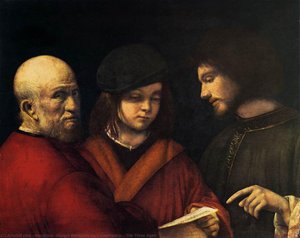
      Tri doba by Ђорђоне
      10

      Tri doba

      Renesanski dijalog: Otkrivanje Đorđonijevih „Tri doba” „Tri doba”, koje se pripisuje zagonetnom venecijanskom majstoru Đorđonu (Giorgio Barbarelli da Castelfranco, 1477/78–1510), predstavlja očaravajući portret koji prevazilazi puku reprezentaciju, uvodeći posmatrače u svet filozofske kontemplacije i tihe ljudske povezanosti. Iako tačno datovanje dela ostaje predmet rasprave zbog ograničenog broja definitivno pripisanih dela ovog umetnika, ono stoji kao svedočanstvo Đorđonijevog inovativnog pristupa renesanskom slikarstvu. Tema i kompozicija: Studija ljudske interakcije Delo prikazuje tri…

      More Ђорђоне canvases, 11 to 92

      David (1501) by Ђорђоне
      #11

      David

      1501 · Statens Museum For Kunst

      Svetlost pada iz gornjeg levog ugla, udarajući u poliranu površinu oklopnog okrugaš i izdvajajući lice iz dubokih, teških senki. U ovom monohromatskom svetu, čovek se izdvaja, a njegovo…

      Have it painted by hand →
      Rustic Concert (1530) by Ђорђоне
      #12

      Rustic Concert

      1530

      A Moment of Musical Leisure The scene unfolds with a quiet, pastoral grace, capturing a moment of shared repose in a landscape that feels both intimate and vast.…

      Bring this light home →
      Ceres (1510) by Ђорђоне
      #13

      Ceres

      1510 · Gemäldegalerie

      Giorgio Barbarelli da Castelfranco, širom sveta poznat kao Đorđone (1477–1510), ostaje jedna od najzagonetnijih enigmi u kanonu rane venecijanske renesansne slikarstva. Za razliku od mnogih umetnika svog doba…

      Bring this light home →
      Tempest (detail)_5 by Ђорђоне
      #14

      Tempest (detail)_5

      Giorgio Barbarelli da Castelfranco, known universally as Giorgione, remains one of the most enigmatic figures in Renaissance art—a painter whose life and legacy continue to fascinate scholars and…

      Order this canvas →
      Sacred conversation (1505) by Ђорђоне
      #15

      Sacred conversation

      1505

      A Moment of Divine Encounter: Giorgione’s *Sacred Conversation* This exquisite oil painting by Giorgione, created around 1505, exemplifies the blossoming artistry of the High Renaissance in Venice. More…

      Have it painted by hand →
      Judith by Ђорђоне
      #16

      Judith

      Ermitaž

      Introduction to the Artist: Giorgione (Giorgio Barbarelli Da Castelfranco) Giorgione, also known as Giorgio Barbarelli da Castelfranco, was an illustrious High Renaissance painter from the Venetian school. Born…

      Order this canvas →
      Madona iz Kastelfranka by Ђорђоне
      #17

      Madona iz Kastelfranka

      Madona iz Kastelfranka je svedočanstvo Đorđoneovog umetničkog genija i njegove sposobnosti da tradicionalne religiozne teme prožme osećajem prirodne lepote i ljudskih emocija. Kao jedno od retkih dela koja…

      Order this canvas →
      Nude young woman (1508) by Ђорђоне
      #18

      Nude young woman

      1508

      In the quiet corridors of the Museo Gallerie dell'Accademia in Venice, there exists a masterpiece that breathes with a life of its own, transcending the centuries since its…

      Order this canvas →
      Mlada žena ("Laura") (1506) by Ђорђоне
      #19

      Mlada žena ("Laura")

      1506 · Kunsthistorisches Museum

      Đorđo Barbareli da Kastelfranko, univerzalno poznat kao Đorđone, ostaje jedna od najprivlačnijih zagonetki u istoriji umetnosti renesanse. Njegov tragično kratak život – svega trideset dve ili trideset tri…

      Have it painted by hand →
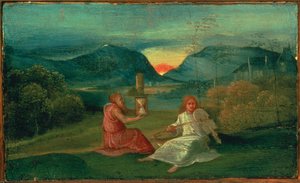
      Залог (Il Tramonto) by Ђорђоне
      #20

      Залог (Il Tramonto)

      A Moment Suspended: Giorgione’s “The Sunset” – A Venetian Poem in Light Giorgione’s *Il Tramonto*, or “The Sunset,” isn't merely a depiction of a landscape; it’s an immersion…

      Bring this light home →
      Tempest (detail)_3 by Ђорђоне
      #22

      Tempest (detail)_3

      The painting Tempest (detail)_3 features a landscape with several trees in the foreground and middle ground, including one tree that is larger than the others. The scene includes…

      Have it painted by hand →
      Portrait of a Young Man (1501) by Ђорђоне
      #23

      Portrait of a Young Man

      1501 · Statens Museum For Kunst

      The young man turns his head, breaking the stillness of his profile to meet the viewer directly. He wears a purple doublet, fastened with small bows, layered over…

      Bring this light home →
      Portret mladog čoveka1 by Ђорђоне
      #24

      Portret mladog čoveka1

      Bavarske državne slikopisne kolekcije

      Umetnik: Đorđone Đorđone (Giorgio Barbarelli Da Castelfranco), rođen oko 1477/78. ili 1473/74. godine, bio je slavni slikar visoke renesanse iz venecijanske škole. Njegova kratka karijera i ograničen broj…

      Have it painted by hand →
      Virgin and Child (The Tallard Madonna) (1510) by Ђорђоне
      #25

      Virgin and Child (The Tallard Madonna)

      1510 · Ešmolijan muzej umetnosti i arheologije

      Giorgione's "Virgin and Child," often referred to as the “Tallard Madonna,” is not merely a painting; it’s an enigma wrapped in Venetian light, a whispered secret from one…

      Order this canvas →
      The Judgment Of Solomon by Ђорђоне
      #26

      The Judgment Of Solomon

      In the quiet, atmospheric corridors of the High Renaissance, few works capture the tension between human frailty and divine wisdom as poignantly as Giorgione’s The Judgment of Solomon.…

      Order this canvas →
      Стара жена by Ђорђоне
      #27

      Стара жена

      Gallerie dell'Accademia di Venezia

      Umetnik: Đorđone Đorđone, poznatiji kao Đorđio Barbareli da Kastelfranko, bio je uticajni venecijanski slikar koji je stvarao tokom perioda visoke renesanse. Veruje se da je rođen između 1473.…

      Bring this light home →
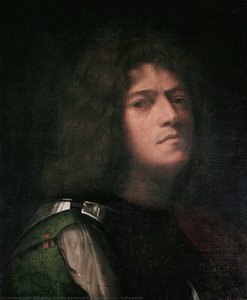
      Self-portrait As David by Ђорђоне
      #28

      Self-portrait As David

      In the quiet, shadowed depths of Giorgione’s Self-portrait As David, we encounter one of the most enigmatic encounters in the history of Venetian art. Painted around 1509–1510, this…

      Bring this light home →
      Woman with a Unicorn (1510) by Ђорђоне
      #30

      Woman with a Unicorn

      1510 · Rijksmuseum

      A young woman sits within a verdant landscape, her form draped in a gown of deep pink. Beside her, a white unicorn reclines, its mythical presence anchored to…

      Have it painted by hand →
      Self-Portrait by Ђорђоне
      #32

      Self-Portrait

      Giorgione, the Artist Giorgione, also known as Giorgio Barbarelli da Castelfranco (c. 1477/8 – 1510), was an Italian painter from Venice, who is considered one of the founders…

      Bring this light home →
      Tempest (detail)_4 by Ђорђоне
      #33

      Tempest (detail)_4

      To gaze upon Giorgione’s The Tempest is to step into a dreamscape where the boundaries between reality and myth dissolve into a soft, atmospheric haze. As one of…

      Order this canvas →
      Judith (detail) by Ђорђоне
      #34

      Judith (detail)

      In the hallowed halls of the Gallerie dell'Accademia, there exists a painting that defies the traditional clamor of biblical drama. Giorgione’s Judith is not the visceral, blood-soaked spectacle…

      Have it painted by hand →
      Tempest_2 by Ђорђоне
      #36

      Tempest_2

      Giorgione’s “Tempest_2,” painted circa 1506-1508, stands as a testament to Venice’s enduring fascination with beauty and contemplation. More than just a depiction of a woman cradling her child…

      Order this canvas →
      The Reading Madonna by Ђорђоне
      #38

      The Reading Madonna

      The Reading Madonna: A Glimpse into Venetian Renaissance Intimacy Artist: Giorgione (Giorgio Barbarelli da Castelfranco) Date: c. 1503-1504 Medium: Oil on Canvas Dimensions: 24 x 18 inches (60.96…

      Bring this light home →
      Adoration Of The Magi by Ђорђоне
      #39

      Adoration Of The Magi

      A Venetian Enigma: Decoding Giorgione’s ‘Adoration of the Magi’ Giorgio Barbarelli da Castelfranco, known to posterity as Giorgione – a name itself imbued with an air of mystery…

      Have it painted by hand →
      Homage to a poet by Ђорђоне
      #40

      Homage to a poet

      National Gallery

      A Venetian Reverie: Decoding Giorgione’s Enigmatic Masterpiece Giorgione's "Homage to a Poet," painted sometime around 1500, remains one of the most debated and cherished works within the Venetian…

      Order this canvas →
      Solomonovo suđenje by Ђорђоне
      #41

      Solomonovo suđenje

      Slika Solomonovo suđenje autora Đordjone prikazuje biblijsku priču iz Prve Knjige kraljevske, 3:16-28. U ovoj dramatičnoj predaji, dve žene pristupaju kralju Solomonu sa sporom oko jedne bebe. Obe…

      Have it painted by hand →
      Adoration of the Shepherds by Ђорђоне
      #42

      Adoration of the Shepherds

      National Gallery of Art

      The Adoration of the Shepherds, also known as the Allendale Nativity, stands as a captivating enigma within the realm of Venetian Renaissance art. Attributed to the elusive Giorgione…

      Bring this light home →
      Arithmetic (1510) by Ђорђоне
      #46

      Arithmetic

      1510

      In the heart of the Venetian Renaissance, where the shimmering reflections of the Adriatic met the intellectual fervor of humanist scholarship, emerged a work of profound and enigmatic…

      Ratnik sa mladoženjom (1510) by Ђорђоне
      #47

      Ratnik sa mladoženjom

      1510 · Galerija Ufizi

      Venecijanska enigma: Duša dela Ratnik sa mladoženjom Slika „Ratnik sa mladoženjom“, pripisana neuhvatljivom majstoru Đorđonu, stoji kao singularna enigma unutar kanona visoke renesanse. Nastvoreno negde između 1505. i…

      Bring this light home →
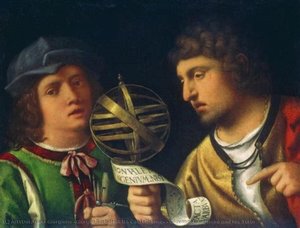
      Giovanni Borgherini and His Tutor (1508) by Ђорђоне
      #50

      Giovanni Borgherini and His Tutor

      1508 · National Gallery of Art

      Giorgione’s *Giovanni Borgherini and His Tutor*, painted around 1505, stands as a cornerstone of Venetian Renaissance art—a painting that continues to fascinate scholars and captivate viewers alike. Currently…

      Bring this light home →
      A Man in Armour by Ђорђоне
      #51

      A Man in Armour

      A Glimpse into Renaissance Valor: Giorgione’s ‘A Man in Armour’ This captivating portrait by giorgione (Giorgio Barbarelli da Castelfranco) offers a compelling study of a young man encased…

      Order this canvas →
      Self-portrait (1510) by Ђорђоне
      #52

      Self-portrait

      1510 · Herzog Anton Ulrich Museum

      Giorgio Barbarelli da Castelfranco, universally known as Giorgione, remains one of the most elusive figures in the artistic panorama of the High Renaissance. Born around 1477 or 1478…

      Bring this light home →
      Self-portrait by Ђорђоне
      #53

      Self-portrait

      A Window into Renaissance Introspection Giorgione’s *Self-Portrait*, housed in the Museum of Fine Arts in Budapest, is not merely a likeness captured on panel; it's an intimate encounter…

      Order this canvas →
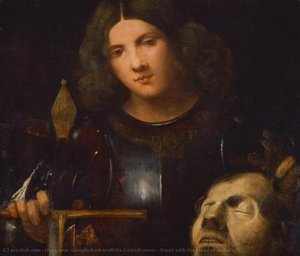
      David with the Head of Goliath (1510) by Ђорђоне
      #55

      David with the Head of Goliath

      1510 · Kunsthistorisches Museum

      David with the Head of Goliath – A Venetian Masterpiece Revisited Giorgione’s “David with the Head of Goliath,” painted around 1510, remains one of the most enigmatic canvases…

      Bring this light home →
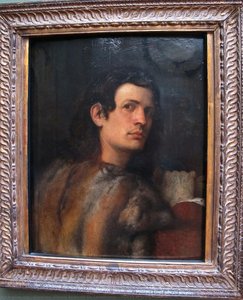
      Portrait of young man by Ђорђоне
      #56

      Portrait of young man

      Alte Pinakothek

      A Venetian Enigma Revisited: Exploring Giorgione’s Portrait of Young Man The painting “Portrait of Young Man,” attributed to Giorgio Barbarelli da Castelfranco – Giorgione – stands as a…

      Order this canvas →
      The Hour Glass by Ђорђоне
      #57

      The Hour Glass

      The Phillips Collection

      In the quiet corners of the High Renaissance, few works possess the haunting, poetic ambiguity of Giorgione’s "The Hour Glass." Painted between 1506 and 1507, this masterpiece serves…

      Bring this light home →
      Tempest (detail)_2 by Ђорђоне
      #58

      Tempest (detail)_2

      Giorgio Barbarelli da Castelfranco, known simply as Giorgione, remains one of the most enduring enigmas of the High Renaissance. His tragically brief career – a mere 32 or…

      Order this canvas →
      Tempest (detail) by Ђорђоне
      #59

      Tempest (detail)

      A Vision of Turbulent Beauty: Giorgione’s “The Tempest” Giorgione’s “The Tempest,” housed in the Gallerie dell'Accademia in Venice, remains one of the most enigmatic paintings of the High…

      Order this canvas →
      Pastoral Concert (detail) by Ђорђоне
      #60

      Pastoral Concert (detail)

      A Venetian Reverie: Decoding Giorgione’s Pastoral Concert Giorgione's "Pastoral Concert," painted around 1509, stands as a cornerstone of High Renaissance art—a masterpiece that continues to fascinate scholars and…

      Have it painted by hand →
      Portrait of a Man by Ђорђоне
      #62

      Portrait of a Man

      Giorgione’s Portrait of a Man is a testament to the artist's skill and innovative techniques, making it a must-see for anyone interested in High Renaissance art. With its…

      Have it painted by hand →
      Portrait of An Archer by Ђорђоне
      #63

      Portrait of An Archer

      Scottish National Gallery

      The painting “Portrait of An Archer,” attributed to Giorgione, stands as an enduring testament to the artistic spirit of Renaissance Venice—a city renowned for its patronage, humanist ideals,…

      Have it painted by hand →
      Portrait of a Young Man by Ђорђоне
      #64

      Portrait of a Young Man

      The Artist: Giorgione Giorgione (Giorgio Barbarelli Da Castelfranco), born in 1477/78 or 1473/74, was an illustrious High Renaissance painter from the Venetian school. Despite his brief career and…

      Bring this light home →
      Tempest (detail)_7 by Ђорђоне
      #65

      Tempest (detail)_7

      The Enigma of Giorgione’s Tempest Giorgio Barbarelli da Castelfranco – Giorgione – remains one of the most captivating and frustrating figures in Renaissance art, an artist whose legacy…

      Order this canvas →
      Tempest (detail)_6 by Ђорђоне
      #67

      Tempest (detail)_6

      Giorgione's "Tempest (detail)_6" presents a captivating tableau, a scene brimming with quietude and subtle drama within the heart of a Venetian forest. This remarkable detail offers a glimpse…

      Bring this light home →
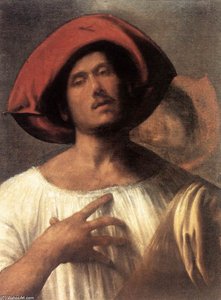
      The Impassioned Singer by Ђорђоне
      #69

      The Impassioned Singer

      Giorgione’s “The Impassioned Singer” is not merely a portrait; it's an immersion into the heart of Venetian Renaissance sensibility, a moment frozen in time that speaks volumes about…

      Have it painted by hand →
      Adoration Of The Shepherds (detail) by Ђорђоне
      #70

      Adoration Of The Shepherds (detail)

      A Venetian Dreamscape: Exploring Giorgione’s “Adoration of the Shepherds” Giorgio Barbarelli da Castelfranco, known simply as Giorgione, remains one of the most enigmatic figures in Renaissance art—a painter…

      Order this canvas →
      Old Woman by Ђорђоне
      #71

      Old Woman

      Giorgione's "Old Woman," a captivating portrait emerging from the shadowy depths of Venetian art, offers a poignant glimpse into the contemplative spirit of Renaissance Italy. Painted around 1500,…

      Order this canvas →
      Boy with flute (1508) by Ђорђоне
      #74

      Boy with flute

      1508 · Hampton Court Palace

      Giorgione's “Boy with Flute,” painted around 1508, isn’t merely a portrait; it’s an invitation into a fleeting moment of serene beauty – a quintessential example of the Venetian…

      Bring this light home →
      Portret Francesca Marije della Rovere (1502) by Ђорђоне
      #76

      Portret Francesca Marije della Rovere

      1502 · Kunsthistorisches Museum

      Pogled u renesansko plemićstvo: Giorgioneov portret Francesca Marije della Rovere Ovaj očaravajući portret, koji je 1502. godine naslikao venecijanski majstor Giorgione (Giorgio Barbarelli da Castelfranco), nudi upečatljiv prozor…

      Order this canvas →
      A Young Man by Ђорђоне
      #77

      A Young Man

      Gemäldegalerie

      Introduction This article will provide an overview of the painting 'A Young Man' by Giorgione, including information about the artist, the painting title, media, style and other relevant…

      Have it painted by hand →
      The Three Ages of Man by Ђорђоне
      #78

      The Three Ages of Man

      Galleria Palatina

      A Venetian Rhapsody: Exploring Giorgione’s ‘The Three Ages of Man’ Introduction: Created around 1500-1501, ‘The Three Ages of Man’ by Giorgione (Giorgio Barbarelli da Castelfranco) is a cornerstone…

      Order this canvas →
      Self-portrait (1510) by Ђорђоне
      #80

      Self-portrait

      1510 · Szépművészeti Múzeum

      Step closer to observe the quiet intensity within this portrait. We find ourselves face-to-face with a young man, his head turned slightly away from us, yet there is…

      Have it painted by hand →
      Bogorodica i dete u pejzažu by Ђорђоне
      #81

      Bogorodica i dete u pejzažu

      Ermitaž

      U tišini Giorgionea Bogorodica i dete u pejzažu, posmatrači su pozvani u carstvo gde se granice između božanskog i prirodnog sveta rastapaju u jedan, jedinstven, poetski trenutak. Naslikano…

      Bring this light home →
      Klanjanje kraljeva (1506) by Ђорђоне
      #82

      Klanjanje kraljeva

      1506 · National Gallery

      U tihim kutkovima Nacionalne galerije u Londonu nalazi se prozor u srce venecijanske renesanse—slika koja ne prikazuje samo biblijski događaj, već izdiše atmosferu duboke, svetačke tišine. Đorđonovo Klanjanje…

      Bring this light home →
      Musical instruments (music) (1510) by Ђорђоне
      #83

      Musical instruments (music)

      1510

      In the heart of the High Renaissance, amidst the golden prosperity of Venice circa 1510, there exists a canvas that transcends the mere depiction of objects to capture…

      Moses' Trial by Fire by Ђорђоне
      #84

      Moses' Trial by Fire

      Giorgione’s “Moses’ Trial by Fire,” a painting shrouded in the mists of Venetian history and artistic mystery, is not merely a depiction of a biblical narrative; it's an…

      Have it painted by hand →
      Nude (1508) by Ђорђоне
      #85

      Nude

      1508 · Gallerie dell'Accademia di Venezia

      The painting presents a single nude human figure, rendered as a fragmented fresco on an aged plaster substrate. The composition centers upon the torso and head of a…

      The Impassioned Singer by Ђорђоне
      #86

      The Impassioned Singer

      Galleria Borghese

      Introduction to Giorgione and the High Renaissance Giorgione (Giorgio Barbarelli Da Castelfranco) was an illustrious High Renaissance painter from the Venetian school, known for his lyrical and enigmatic…

      Bring this light home →
      Double Portrait (1502) by Ђорђоне
      #87

      Double Portrait

      1502 · Museo Nazionale del Palazzo di Venezia

      “Double Portrait,” painted in 1502 by Giorgione, remains one of the most stubbornly elusive masterpieces of the Early Venetian Renaissance. Its quiet contemplation and subtle ambiguities continue to…

      Have it painted by hand →
      Youth holding an Arrow (1505) by Ђорђоне
      #88

      Youth holding an Arrow

      1505 · Kunsthistorisches Museum

      A Portrait of Contemplation: Giorgione’s ‘Youth Holding an Arrow’ Giorgio Barbarelli da Castelfranco, known universally as Giorgione, remains a figure shrouded in artistic enigma—a master whose brief but…

      Bring this light home →
      A Soldier (1510) by Ђорђоне
      #89

      A Soldier

      1510 · Kunsthistorisches Museum

      Giorgione’s “A Soldier,” painted circa 1505–1510, stands as one of the most perplexing and celebrated canvases emerging from Venice during its golden age. More than just a portrait—though…

      Order this canvas →
      Portrait Of A Man by Ђорђоне
      #90

      Portrait Of A Man

      Museum of Art

      Giorgione's “Portrait of a Man” stands as one of the most enduring and perplexing enigmas in the history of Renaissance art. Painted circa 1508-1509, this seemingly simple depiction…

      Bring this light home →
      The Holy Family by Ђорђоне
      #91

      The Holy Family

      National Gallery of Art

      The Holy Family Giorgione’s *The Holy Family*, also known as the Benson Holy Family, stands as a cornerstone of Venetian Renaissance art—a masterpiece that continues to fascinate scholars…

      Have it painted by hand →

      Ђорђоне's canvases, period by period

      What Ђорђоне painted most

      The four subjects that return most often on these canvases, each with its best-loved example.

      Where Ђорђоне's canvases hang

      The 8 museums that hold the most of the paintings on this page.

      Museum City Works by Ђорђоне Paintings from this list
      Kunsthistorisches Museum, BečKunsthistorisches Museum Beč 7 Tri Filozofa, Three Philosophers, Mlada žena ("Laura")
      National Gallery, LondonNational Gallery London 4 Homage to a poet, Nymphs and Children in a Landscape with Shepherds, Il Tramonto (The Sunset)
      National Gallery of Art, WashingtonNational Gallery of Art Washington 4 Adoration of the Shepherds, Giovanni Borgherini and His Tutor, The Holy Family
      Gallerie dell'Accademia di Venezia, VenecijaGallerie dell'Accademia di Venezia Venecija 3 Понор (Ђорђоне), Стара жена, Nude
      Statens Museum For Kunst, KopenhagenStatens Museum For Kunst Kopenhagen 2 David, Portrait of a Young Man
      Gemäldegalerie, BerlinGemäldegalerie Berlin 2 Ceres, A Young Man
      Ermitaž, Sankt PeterburgErmitaž Sankt Peterburg 2 Judith, Bogorodica i dete u pejzažu
      Bavarske državne slikopisne kolekcije, MinhenBavarske državne slikopisne kolekcije Minhen 2 Portrait of Giovanni Borgherini and Trifone Gabriele, Portret mladog čoveka1

      Ђорђоне's best-loved canvases, year by year

      Some ten years of painting, 1500 to 1510, hold the dated canvases of Ђорђоне on this page: walk through them year by year.

      1. 1500
        Judith (1500) by Ђорђоне
        5 of 92

        Judith

        Age 22

        In this serene Renaissance painting, we encounter a woman in a state of profound contemplation. Set against a soft, atmospheric landscape of distant mountains and trees, the figure…

      2. 1500
      3. 1501
        David (1501) by Ђорђоне
        Canvas 11 of 92

        David

        Age 23 · Statens Museum For Kunst

        Svetlost pada iz gornjeg levog ugla, udarajući u poliranu površinu oklopnog okrugaš i izdvajajući lice iz dubokih, teških senki. U ovom monohromatskom svetu, čovek se izdvaja, a njegovo…

      4. 1501
        Portrait of a Young Man (1501) by Ђорђоне
        Ranked 23 of 92

        Portrait of a Young Man

        Age 23 · Statens Museum For Kunst

        The young man turns his head, breaking the stillness of his profile to meet the viewer directly. He wears a purple doublet, fastened with small bows, layered over…

      5. 1502
        Portret Francesca Marije della Rovere (1502) by Ђорђоне
        76 of 92

        Portret Francesca Marije della Rovere

        Age 24 · Kunsthistorisches Museum

        Pogled u renesansko plemićstvo: Giorgioneov portret Francesca Marije della Rovere Ovaj očaravajući portret, koji je 1502. godine naslikao venecijanski majstor Giorgione (Giorgio Barbarelli da Castelfranco), nudi upečatljiv prozor…

      6. 1502
        Double Portrait (1502) by Ђорђоне
        Canvas 87 of 92

        Double Portrait

        Age 24 · Museo Nazionale del Palazzo di Venezia

        “Double Portrait,” painted in 1502 by Giorgione, remains one of the most stubbornly elusive masterpieces of the Early Venetian Renaissance. Its quiet contemplation and subtle ambiguities continue to…

      7. 1505
      8. 1505
        Sacred conversation (1505) by Ђорђоне
        Canvas 15 of 92

        Sacred conversation

        Age 27

        A Moment of Divine Encounter: Giorgione’s *Sacred Conversation* This exquisite oil painting by Giorgione, created around 1505, exemplifies the blossoming artistry of the High Renaissance in Venice. More…

      9. 1505
        Youth holding an Arrow (1505) by Ђорђоне
        Ranked 88 of 92

        Youth holding an Arrow

        Age 27 · Kunsthistorisches Museum

        A Portrait of Contemplation: Giorgione’s ‘Youth Holding an Arrow’ Giorgio Barbarelli da Castelfranco, known universally as Giorgione, remains a figure shrouded in artistic enigma—a master whose brief but…

      10. 1506
        Mlada žena ("Laura") (1506) by Ђорђоне
        Canvas 19 of 92

        Mlada žena ("Laura")

        Age 28 · Kunsthistorisches Museum

        Đorđo Barbareli da Kastelfranko, univerzalno poznat kao Đorđone, ostaje jedna od najprivlačnijih zagonetki u istoriji umetnosti renesanse. Njegov tragično kratak život – svega trideset dve ili trideset tri…

      11. 1506
        Klanjanje kraljeva (1506) by Ђорђоне
        Ranked 82 of 92

        Klanjanje kraljeva

        Age 28 · National Gallery

        U tihim kutkovima Nacionalne galerije u Londonu nalazi se prozor u srce venecijanske renesanse—slika koja ne prikazuje samo biblijski događaj, već izdiše atmosferu duboke, svetačke tišine. Đorđonovo Klanjanje…

      12. 1508
        Tri Filozofa (1508) by Ђорђоне
        Canvas 3 of 92

        Tri Filozofa

        Age 30 · Kunsthistorisches Museum

        Predmet i Kompozicija “Tri Filozofa” Giorgiona predstavljaju jednu od najtraženijih slika renesanse, prikazujući tri figure u dubokoj introspekciji, okružene idiličnim pejzažom. Ova scena, zabeležena oko 1508. godine, nije…

      13. 1508
        Nude young woman (1508) by Ђорђоне
        18 of 92

        Nude young woman

        Age 30

        In the quiet corridors of the Museo Gallerie dell'Accademia in Venice, there exists a masterpiece that breathes with a life of its own, transcending the centuries since its…

      14. 1508
        Giovanni Borgherini and His Tutor (1508) by Ђорђоне
        Ranked 50 of 92

        Giovanni Borgherini and His Tutor

        Age 30 · National Gallery of Art

        Giorgione’s *Giovanni Borgherini and His Tutor*, painted around 1505, stands as a cornerstone of Venetian Renaissance art—a painting that continues to fascinate scholars and captivate viewers alike. Currently…

      15. 1508
        Boy with flute (1508) by Ђорђоне
        Ranked 74 of 92

        Boy with flute

        Age 30 · Hampton Court Palace

        Giorgione's “Boy with Flute,” painted around 1508, isn’t merely a portrait; it’s an invitation into a fleeting moment of serene beauty – a quintessential example of the Venetian…

      16. 1508
        Il Tramonto (The Sunset) (1508) by Ђорђоне
        Canvas 75 of 92

        Il Tramonto (The Sunset)

        Age 30 · National Gallery

        A Landscape of Light and Shadow The composition centers on a slender, sparse tree, framed by heavy foliage to the left and a massive, craggy rock formation to…

      17. 1509
        Three Philosophers (1509) by Ђорђоне
        Ranked 7 of 92

        Three Philosophers

        Age 31 · Kunsthistorisches Museum

        Giorgione’s “Three Philosophers,” painted around 1509, isn't merely a portrait; it’s an invitation to a silent conversation across centuries. The painting, shrouded in mystery and speculation, resides within…

      18. 1509
        Pastoralni koncert (Fête champêtre) (1509) by Ђорђоне
        Canvas 9 of 92

        Pastoralni koncert (Fête champêtre)

        Age 31 · Luvr

        Pastoralni koncert, koji se pripisuje Đorđonu — imenu koje je sinonim za umetničku misteriju — stoji kao jedno od najslavnijih dela visoke renesanse. Više od običnog prelepog prikaza…

      19. 1509
        Portrait of Giovanni Borgherini and Trifone Gabriele (1509) by Ђорђоне
        21 of 92

        Portrait of Giovanni Borgherini and Trifone Gabriele

        Age 31 · Bavarske državne slikopisne kolekcije

        The Weight of Knowledge A heavy shadow rests upon the faces of two men. In the foreground, an older man with a largely bald head and deep facial…

      20. 1510
        Spavajuća Venera (1510) by Ђорђоне
        1 of 92

        Spavajuća Venera

        Age 32 · Gemäldegalerie Alte Meister

        , poznata i kao Venere dormiente, Dresdenska Venera ili Venere di Dresda, predstavlja jedno od najznačajnijih dela italijanske renesanse. Smatrano kao delo koje se pripisuje Đorđonu i/ili Ticijanu,…

      21. 1510
        Armor (1510) by Ђорђоне
        Canvas 8 of 92

        Armor

        Age 32

        In the annals of the High Renaissance, few figures possess the enigmatic allure of Giorgio Barbarelli da Castelfranco, known to history as Giorgione. His work, often shrouded in…

      22. 1510
        Ceres (1510) by Ђорђоне
        Ranked 13 of 92

        Ceres

        Age 32 · Gemäldegalerie

        Giorgio Barbarelli da Castelfranco, širom sveta poznat kao Đorđone (1477–1510), ostaje jedna od najzagonetnijih enigmi u kanonu rane venecijanske renesansne slikarstva. Za razliku od mnogih umetnika svog doba…

      23. 1510
        Virgin and Child (The Tallard Madonna) (1510) by Ђорђоне
        25 of 92

        Virgin and Child (The Tallard Madonna)

        Age 32 · Ešmolijan muzej umetnosti i arheologije

        Giorgione's "Virgin and Child," often referred to as the “Tallard Madonna,” is not merely a painting; it’s an enigma wrapped in Venetian light, a whispered secret from one…

      24. 1510
        Woman with a Unicorn (1510) by Ђорђоне
        Canvas 30 of 92

        Woman with a Unicorn

        Age 32 · Rijksmuseum

        A young woman sits within a verdant landscape, her form draped in a gown of deep pink. Beside her, a white unicorn reclines, its mythical presence anchored to…

      25. 1510
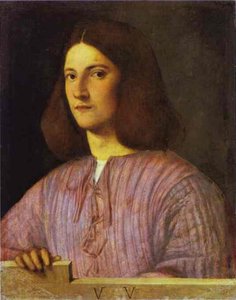
        Portrait of a Venetian Gentleman (1510) by Ђорђоне
        Ranked 43 of 92

        Portrait of a Venetian Gentleman

        Age 32

        The painting Portrait of a Venetian Gentleman stands as one of the most perplexing enigmas within Renaissance art. Created around 1510, this work captures a man dressed in…

      About Ђорђоне's canvases: your questions answered

      What is the best-known painting by Ђорђоне?Read the answer

      Spavajuća Venera (1510), Gemäldegalerie Alte Meister, Dresden. Понор (Ђорђоне) and Tri Filozofa (1508) follow.

      What age was Ђорђоне when Spavajuća Venera was painted?Read the answer

      Ђорђоне, born in 1478, was 32 years old: Spavajuća Venera dates from 1510.

      What are the 10 most famous paintings by Ђорђоне?Read the answer

      Spavajuća Venera, Понор (Ђорђоне), Tri Filozofa, Madonna and Child with Saints Liberale and Francis (The Castelfranco Madonna), Judith, Sveća Venere, Three Philosophers, Armor, Pastoralni koncert (Fête champêtre) and Tri doba. Each canvas in the ranking above comes with its year and its museum.

      How many works did Ђорђоне paint in all?Read the answer

      92 works by Ђорђоне are in our catalogue, dated 1500 to 1510.

      Where can I see Ђорђоне's most famous canvases?Read the answer

      Mostly in Kunsthistorisches Museum (Beč), National Gallery (London) and National Gallery of Art (Washington); the list above names each museum and its canvases.

      When did Ђорђоне paint the best-loved canvases?Read the answer

      In 1510, which gave 15 of the 92 works on this page, Spavajuća Venera among them.

      Which are Ђорђоне's earliest and latest famous canvases?Read the answer

      The earliest canvas here is Judith (1500); the latest is Spavajuća Venera (1510).

      What did Ђорђоне paint most often?Read the answer

      Venetian painting (22), Landscape (20) and Renaissance (19), across the 92 works on this page.

      Which medium did Ђорђоне paint in most often?Read the answer

      Oil On Canvas, used in 35 of the 92 works on this page.

      Which movement is Ђорђоне's painting part of?Read the answer

      Visoka renesansa, as the canvases on this page show.

      Which Ђорђоне canvases hang at the Kunsthistorisches Museum?Read the answer

      The Kunsthistorisches Museum, Beč holds 7 of the works on this page, among them Tri Filozofa, Three Philosophers and Mlada žena ("Laura").

      Can I buy a reproduction of a Ђорђоне canvas?Read the answer

      Yes. Every painting on this page can be ordered from its own page as an oil reproduction painted by hand, or as a fine art print, in the size you choose.

      Ђорђоне: a life in paint

      The Life and Identity of Giorgione

      To understand the trajectory of the Venetian school, one must confront the shadow cast by Giorgione. He was an Italian painter of the Venetian school during the High Renaissance, yet his biography remains a collection of fragments. Born in the small town of Castelfranco Veneto, Italy, around 1477 or 1478, he operated within a culture that valued both technical precision and atmospheric depth. His identity was as layered as his oil glazes. While history knows him by the name Giorgione, this was a nickname earned through his tall stature. His actual name was likely Zorzi.

      His career was a brief, intense flash in the history of the Republic of Venice. He died around 1510 at the age of thirty-two or thirty-three, a death that cut short a period of intense stylistic transition. This early passing left a void that his contemporaries had to fill, turning his limited output into a subject of intense scrutiny. He did not rely on a long, documented life to establish his presence; instead, his impact is measured by the suddenness of his departure and the specific, moody qualities he introduced to the Venetian landscape.

      Early Life and Artistic Training

      Giorgione’s origins lie in Castelfranco Veneto, Italy. While the exact year of his birth remains a subject of debate, his presence in the Venetian art scene was established early. He did not work in a vacuum; his development was shaped by the rigorous traditions of the Venetian school. He likely apprenticed under Giovanni Bellini, the dominant figure of the era. This connection provided him with a foundation in the established techniques of the time before he began to deviate from them. His training was not merely about imitation but about absorbing the technical language of a leading master.

      By the time he was established in Venice, he was recognized as a professional peer to other significant painters. Records identify him as a colleague of the master Vincenzo Catena. This status indicates that he had moved beyond the stage of a mere student and was actively participating in the competitive professional landscape of the Republic. His early career was defined by this transition from a student of Bellini to a recognized practitioner working alongside his contemporaries.

      Patrons and Early Commissions

      Giorgione’s early career was defined by high-level access to the Venetian power structure. He secured commissions from the most influential figures of the Republic, proving his utility to the state long before his death. The Council of Ten, the supreme governing body of Venice, commissioned him to produce a work for the Hall of the Audience in the Doge's Palace. This was no minor task. It placed his output directly within the political heart of the city. His ability to navigate these circles is further evidenced by his portraits of prominent figures, including Doge Agostino Barbarigo. These early assignments demonstrate that he was already a recognized professional with the technical skill required for state-level portraiture.

      His work also addressed the private, often somber, needs of the Venetian nobility. Tuzio Costanzo commissioned a painting from the artist in memory of his son, Matteo. This type of personal, commemorative work highlights the artist's role in the social and religious rituals of the time. Even his native region provided significant work; in 1504, he was tasked with painting an altarpiece for the cathedral in Castelfranco Veneto. These diverse commissions—ranging from state halls to private memorials and religious altarpieces—show a painter who was deeply integrated into the functional fabric of Venetian life.

      Technique and Artistic Style

      Giorgione’s approach fundamentally shifted the focus of Venetian painting from the rigid, linear precision of the Florentine tradition toward a sensory experience defined by color and atmosphere. He moved away from the heavy reliance on disegno, instead utilizing oil paint to construct the illusion of texture, light, and air. This technical mastery allowed him to build depth through the sophisticated layering of pigments rather than through sharp, structural outlines. By employing sfumato—the use of subtle gradations of tone—he softened the edges of his subjects, allowing them to merge into their surroundings. This method prioritized an overall harmony over the pursuit of meticulous, isolated detail.

      His innovation extended beyond technical execution into the very nature of subject matter. Giorgione introduced a range of themes that functioned through mood rather than through explicit narrative. He moved away from the requirement that a painting must tell a clear story, often presenting scenes that exist to embody a specific feeling or a lyrical quality. This shift allowed for a sense of ambiguity, where the landscape and the figures exist in a state of quiet tension. In works like The Tempest, the atmosphere itself becomes a primary subject, as much as the figures depicted within it.

      Key Masterpieces and Notable Works

      Giorgione’s output remains defined by a refusal to provide easy answers. The Tempest, dated between 1506 and 1508, remains a primary example of this ambiguity, presenting a scene that resists a single, definitive reading. Similarly, Pastoral Concert (c. 1509) prioritizes mood over a clear narrative, a technique that shifted the focus of Venetian painting toward atmosphere. His 1508 work, The Three Philosophers, further demonstrates this ability to use landscape and light to create a sense of mystery rather than a simple historical or religious record.

      The artist also redefined the depiction of the human form and its relationship to the natural world. The Sleeping Venus is a significant departure from previous traditions, establishing a specific genre of reclining nudes. In Judith, executed around 1504, he explored intense subject matter through a lens of subtle tonal shifts. His 1506 oil on canvas, Laura, is particularly notable as it is the only work he signed and dated, providing a rare, concrete anchor in his otherwise elusive career. This work shows a clear transition toward a style defined by muted colors and sfumato.

      Other significant works highlight his range in both religious and secular themes. The Castelfranco Madonna (c. 1503/04) uses a high throne and landscape to bridge the gap between the divine and the earthly. His 1506 painting, The Old Woman, functions as an allegory of time, while his portraiture continues to emphasize psychological depth through careful composition. These works collectively prove that his impact was rooted in a specific, technical mastery of light and color.

      Circle and Artistic Influence

      Giorgione’s impact is measured by the lineage of painters who absorbed his approach to atmosphere and color. His most significant connection was his mentorship of Titian, who would eventually dominate the High Renaissance. This transition from Giorgione’s moody, poetic sensibility to Titian’s more robust style defined the trajectory of Venetian art. Beyond Titian, his direct teaching shaped the hands of several notable figures, including Dosso Dossi, Giovanni da Udine, Andrea Schiavone, and Francesco Torbido. These artists carried his specific methods into the next generation of Venetian production.

      The reach of his style extended into the works of many others who did not necessarily study under him directly but operated within the stylistic wake he created. Palma Vecchio and Giovanni Cariani both utilized the tonal depth and light-driven compositions that Giorgione pioneered. Similarly, Sebastiano del Piombo integrated these Venetian qualities into his own practice. His influence was not a single, rigid school but a widespread shift in how painters handled the relationship between landscape and subject. This shift moved the focus away from strict line toward a more sensory, atmospheric execution.

      Legacy and Historical Significance

      Giorgione’s impact is measured by the fundamental shift he forced upon Venetian painting. He acted as the essential bridge between the established traditions of the early Venetian masters and the radical innovations later perfected by Titian. By moving away from the rigid, linear constraints of the Florentine school, he helped establish the foundations of the Venetian School of Italian Renaissance painting. His work prioritized the sensory experience of light and atmosphere over the mathematical precision of drawing. This shift changed how color was used to define form, moving the focus from the outline to the essence of the subject itself.

      His influence stems from a refusal to adhere to strict narrative clarity. By emphasizing poetic mood and atmospheric effects, he opened doors for subsequent generations to explore art as a medium for emotion rather than just storytelling. This approach allowed for a new kind of visual language where the landscape and the subject exist in a state of shared, often ambiguous, tension. He remains a primary symbol of artistic freedom and innovation, proving that a painter could prioritize feeling and suggestion over literal accuracy.

      Where to See His Works Today

      To encounter the physical reality of Giorgione's impact, one must travel across Europe's major museum collections. His presence is felt most strongly in Vienna, where the Kunsthistorisches Museum houses several significant pieces, including the Portrait of Francesco Maria della Rovere. This collection provides a clear look at his ability to handle individual likenesses. In London, the National Gallery preserves The Adoration of the Kings, a work that demonstrates his early command of religious subject matter.

      The landscape and mythological shifts he introduced are anchored in Paris and Dresden. The Louvre holds Pastoral Concert (Fête champêtre), a work central to understanding his departure from strict narrative. Meanwhile, the Gemäldegalerie Alte Meister in Dresden contains The Sleeping Venus, a painting that fundamentally altered the depiction of the female nude in Western art. These works are not mere relics; they are the primary evidence of his technical shifts.

      Venice and St. Petersburg offer the most direct connections to his most debated and intense compositions. The Gallerie dell'Accademia in Venice holds The Tempest, a painting that remains a central point of study for its ambiguous atmosphere. In Russia, the Hermitage Museum preserves Judith, providing a rare look at his handling of dramatic, high-stakes subject matter. These specific locations hold the actual surfaces where his innovations in color and light were first realized.

      All 92 works by Ђорђоне →