Atelje — Besplatna dostava širom sveta — Rok isporuke: 2–6 nedelja
      Фернандо Ботеро, 1932 – 2023

      The 100 Most Famous Фернандо Ботеро Paintings, Ranked

      The best-loved painting by Фернандо Ботеро is The President and First Lady. la collectionneuse and Dancing in Colombia (1980) come next among the canvases readers know best. Our catalogue holds 279 works by Фернандо Ботеро: here are the 100 most famous, each with its year, its museum and what makes it memorable.

      Ranked by our popularity score, which combines the searches, visits and orders for each work. Updated октобар 2026.

      Portrait of Фернандо Ботеро
      Фернандо Ботеро · 1932 – 2023
      Born · died
      1932 – 2023, Медељин
      Movement
      Boterismo
      Works in our catalogue
      279
      Most famous
      The President and First Lady
      Most works at
      Nacionalni muzej u Kolumbiji

      Top 10 Фернандо Ботеро paintings: the canvases everyone knows

      The President and First Lady by Фернандо Ботеро
      1

      The President and First Lady

      Oil On Canvas

      To stand before a work by Fernando Botero is not merely to observe paint on canvas; it is to encounter a celebration of form itself. His signature style, often termed Boterismo, immediately arrests the viewer with its magnificent exaggeration. Here, in "The President and First Lady," this characteristic volume takes center stage. The figures—the woman poised elegantly upon the horse, the attendant figures flanking the scene—are rendered with a delightful,…

      la collectionneuse by Фернандо Ботеро
      2

      la collectionneuse

      Oil On Canvas

      The gaze of the viewer meets the presence of la collectionneuse, a work that carries the unmistakable weight and volume of its creator. Fernando Botero, born in Medellín, Colombia, on April 19, 1932, breathes life into this scene through his singular way of seeing the world. The canvas holds a quiet, heavy energy that feels as though it has always existed in this specific, rounded state.

      Dancing in Colombia (1980) by Фернандо Ботеро
      3

      Dancing in Colombia

      1980 · Oil On Canvas · Metropoliten музеј у Њујорку, Њујорк

      In the vibrant tapestry of twentieth-century Latin American art, few works capture the exuberant pulse of a nation quite like Fernando Botero’s Dancing in Colombia. Completed in 1980, this masterful oil painting serves as a window into a world where movement and mass coexist in a joyful, rhythmic embrace. At first glance, the viewer is swept up in a scene of delightful disorder; a crowded café or social gathering teems…

      la famille by Фернандо Ботеро
      4

      la famille

      Oil On Canvas

      To stand before Fernando Botero’s depiction of la famille is to be enveloped in an atmosphere of profound, almost monumental warmth. This painting transcends a mere portrait; it is a celebration of connection, a visual ode to the enduring bond that ties generations together. The composition centers on a family unit—a mother seated between her two children, all gathered beneath the sheltering canopy of a tree. Botero masterfully captures not…

      scene de famille by Фернандо Ботеро
      5

      scene de famille

      Oil On Canvas

      To gaze upon Fernando Botero’s Scene de Famille is to be enveloped in an atmosphere of profound, yet utterly comfortable, domesticity. This painting transcends a mere depiction; it captures the very essence of togetherness—the quiet moments shared between loved ones that form the bedrock of human experience. The composition centers around a family unit of four—a man, a woman, and two children—all settled into a tableau of relaxed intimacy. Botero’s…

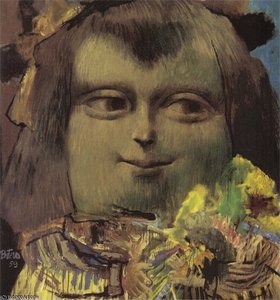
      mona lisa by Фернандо Ботеро
      6

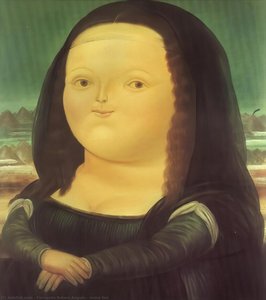
      mona lisa

      Oil On Canvas

      Introduction to the Artist and his Style Fernando Botero Angulo, a renowned Colombian figurative artist, is celebrated for his unique style characterized by voluminous, exaggerated forms. His work has been exhibited worldwide and can be found in prestigious museums such as the Metropolitan Museum of Art in New York City and the Museo de Arte Moderno in Bogotá. At AllPaintingsStore.com, we offer handmade oil paintings reproductions of famous artwork, including…

      Frank Lloyd et sa famille à paradise island by Фернандо Ботеро
      7

      Frank Lloyd et sa famille à paradise island

      Oil On Canvas

      In this scene, we find ourselves on a tropical shore, observing a quiet moment shared by a family of four. Two adults and two children are positioned amidst the soft sands of paradise island, their presence anchored to the landscape. There is a certain weight to the figures; they do not merely occupy the beach but seem to emerge from it, their rounded silhouettes mirroring the organic curves of the…

      les musiciens by Фернандо Ботеро
      8

      les musiciens

      Oil On Canvas

      The scene unfolds through les musiciens, a work that carries the unmistakable presence of its creator, Fernando Botero. Created in 1986, this piece captures a moment of quiet musicality. The artist, who was born in Medellín, Colombia, in 1932, brings a specific sense of weight and volume to the figures within the frame. Every shape feels substantial, as if the air in the room has a physical density that holds…

      Dog Turning a Corner (1980) by Фернандо Ботеро
      9

      Dog Turning a Corner

      1980 · Oil On Canvas

      In the masterful hands of Fernando Botero, a simple street corner is transformed into a theatrical stage where life unfolds with exaggerated grace and exuberant color. Dog Turning a Corner invites the viewer into a sun-drenched village scene, captured with the unmistakable warmth that defines the Colombian master's vision. The painting presents a bustling tableau of small-town life, where yellow buildings glow under an unseen sun, casting a nostalgic radiance…

      Walk in the hills (1977) by Фернандо Ботеро
      10

      Walk in the hills

      1977 · Oil On Canvas

      In the vast landscape of twentieth-century Latin American art, few figures command attention with as much whimsical gravity as Fernando Botero. His 1977 masterpiece, Walk in the hills, serves as a profound window into the artist's signature aesthetic, often referred to as "Boterismo." At first glance, the painting presents a scene of quietude: a solitary figure, draped in heavy, dark garments and crowned with a black hat, stands amidst the…

      More Фернандо Ботеро canvases, 11 to 100

      July 20th (1984) by Фернандо Ботеро
      #11

      July 20th

      1984 · Nacionalni muzej u Kolumbiji

      Fernando Botero’s “July 20th,” painted in 1984, isn't merely a depiction of two figures on a street; it’s a carefully constructed tableau brimming with quiet drama and subtle…

      Quatre Musiciens by Фернандо Ботеро
      #12

      Quatre Musiciens

      Fernando Botero Angulo's "Quatre Musiciens" is a captivating oil painting that exemplifies the artist’s signature style – a harmonious blend of bold colors, exaggerated forms, and a playful…

      couple dansant by Фернандо Ботеро
      #13

      couple dansant

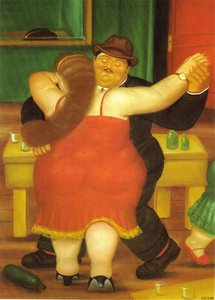
      is an oil painting by the Colombian artist Fernando Botero. The work captures a couple lost in the rhythm of dance, presenting a scene of movement and intimacy.…

      monna lisa by Фернандо Ботеро
      #14

      monna lisa

      The gaze of the woman in monna lisa by Fernando Botero holds a quiet, heavy presence. She sits before us, draped in a black dress that anchors her…

      danse en colombie by Фернандо Ботеро
      #15

      danse en colombie

      The painting "Danse en Colombie" by Fernando Botero Angulo is a captivating representation of the rich cultural heritage of Colombia. This vibrant artwork, available as a handmade oil…

      tablao flamenco by Фернандо Ботеро
      #16

      tablao flamenco

      In the painting tablao flamenco by Fernando Botero, the scene captures a lively performance taking place within a club setting. At the center of the activity is a…

      le chasseur by Фернандо Ботеро
      #17

      le chasseur

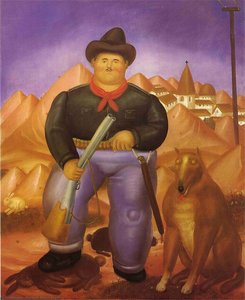
      The work before us is titled le chasseur, a painting by the Colombian artist Fernando Botero. Born in Medellín, Colombia, in 1932, Botero developed a singular visual language…

      pastèques et oranges by Фернандо Ботеро
      #18

      pastèques et oranges

      To stand before a piece evoking the spirit of Fernando Botero’s still life compositions is to encounter an immediate sense of opulent, almost monumental presence. This painting, featuring…

      tête de christ by Фернандо Ботеро
      #20

      tête de christ

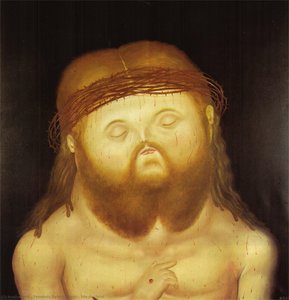
      The work before us is titled tête de christ, a painting by the Colombian artist Fernando Botero. Born in 1932 in Medellín, Colombia, Botero developed a singular visual…

      oranges by Фернандо Ботеро
      #21

      oranges

      In the vibrant world of Fernando Botero, even the simplest objects undergo a profound transformation. His painting, oranges, invites the viewer into a tactile universe where volume and…

      nature morte à la soupe verte by Фернандо Ботеро
      #22

      nature morte à la soupe verte

      To stand before Nature Morte à la Soupe Verte is to be enveloped in the warm, generous embrace of Colombian artistry. Fernando Botero Angulo’s vision here transcends a…

      les soeurs by Фернандо Ботеро
      #23

      les soeurs

      In the captivating realm of Fernando Botero’s les soeurs, the viewer is immediately enveloped by a sense of profound intimacy and exaggerated grace. The painting presents a tender…

      The Widower (1968) by Фернандо Ботеро
      #30

      The Widower

      1968

      “The Widower,” painted in 1968 by Colombian artist Fernando Botero, is a striking oil painting depicting a poignant family portrait set within the confines of a domestic interior.…

      jeune fille sur l'ane by Фернандо Ботеро
      #46

      jeune fille sur l'ane

      jeune fille sur l'ane is an oil painting by Fernando Botero. The artist was born in 1932 in Medellín, Colombia, and maintained a presence in international art hubs…

      nature morte de fruits by Фернандо Ботеро
      #73

      nature morte de fruits

      Fernando Botero Angulo's “nature morte de fruits” is more than just a depiction of fruit; it’s an embodiment of the artist’s singular vision, a testament to his mastery…

      El Presidente (1969) by Фернандо Ботеро
      #76

      El Presidente

      1969 · Bavarske državne slikopisne kolekcije
      The Prima Donna (1967) by Фернандо Ботеро
      #78

      The Prima Donna

      1967 · Kraljevski muzej lepih umetnosti u Antverpenu
      Guitar Lesson (1960) by Фернандо Ботеро
      #81

      Guitar Lesson

      1960 · Nacionalni muzej u Kolumbiji

      Fernando Botero’s “Guitar Lesson,” painted in 1960, isn’t merely a depiction of a musical scene; it’s an embodiment of the artist’s signature style – what he himself termed…

      hommage à Bonnard by Фернандо Ботеро
      #83

      hommage à Bonnard

      The painting Hommage à Bonnard by Fernando Botero Angulo is a unique and fascinating work of art that pays tribute to the French painter Pierre Bonnard. As a…

      rubens et sa femme by Фернандо Ботеро
      #84

      rubens et sa femme

      In the captivating realm of Fernando Botero, reality is not merely observed but reimagined through a lens of magnificent abundance. His work, rubens et sa femme, serves as…

      chambre avec jeux d'enfants by Фернандо Ботеро
      #85

      chambre avec jeux d'enfants

      In the captivating realm of Fernando Botero, reality is not merely observed but reimagined through a lens of magnificent abundance. The painting chambre avec jeux d'enfants invites the…

      le bain des évêques dans un fleuve by Фернандо Ботеро
      #86

      le bain des évêques dans un fleuve

      A Moment of Leisure: "Le Bain des Évêques dans un Fleuve" by Fernando Botero Angulo This captivating painting, “Le Bain des Évêques dans un Fleuve” (The Bathing of…

      l'étude de vermeer by Фернандо Ботеро
      #87

      l'étude de vermeer

      The painting l'étude de vermeer emerges from the year 1964, a moment when Fernando Botero captures a singular presence on canvas. This work presents a portrait of a…

      What Фернандо Ботеро painted most

      The four subjects that return most often on these canvases, each with its best-loved example.

      Where Фернандо Ботеро's canvases hang

      The 6 museums that hold the most of the paintings on this page.

      Museum City Works by Фернандо Ботеро Paintings from this list
      Nacionalni muzej u Kolumbiji, BogotaNacionalni muzej u Kolumbiji Bogota 2 July 20th, Guitar Lesson
      Bavarske državne slikopisne kolekcije, MinhenBavarske državne slikopisne kolekcije Minhen 2 The First Lady, El Presidente
      Metropoliten музеј у Њујорку, ЊујоркMetropoliten музеј у Њујорку Њујорк 1 Dancing in Colombia
      Museum of Latin American Art, Long BeachMuseum of Latin American Art Long Beach 1 Title translation: The Family
      Tucson Museum of Art, TucsonTucson Museum of Art Tucson 1 Sailor Boy
      Kraljevski muzej lepih umetnosti u Antverpenu, AntverpenKraljevski muzej lepih umetnosti u Antverpenu Antverpen 1 The Prima Donna

      Фернандо Ботеро's best-loved canvas of each decade

      1. 1950s
      2. 1960s
      3. 1970s
        Walk in the hills (1977) by Фернандо Ботеро
        10 of 100

        Walk in the hills

        Age 38 – 47

        In the vast landscape of twentieth-century Latin American art, few figures command attention with as much whimsical gravity as Fernando Botero. His 1977 masterpiece, Walk in the hills,…

      4. 1980s
        Dancing in Colombia (1980) by Фернандо Ботеро
        Ranked 3 of 100

        Dancing in Colombia

        Age 48 – 57 · Metropoliten музеј у Њујорку

        In the vibrant tapestry of twentieth-century Latin American art, few works capture the exuberant pulse of a nation quite like Fernando Botero’s Dancing in Colombia. Completed in 1980,…

      5. 1990s

      About Фернандо Ботеро's canvases: your questions answered

      What is the best-known painting by Фернандо Ботеро?Read the answer

      The President and First Lady, followed by la collectionneuse and Dancing in Colombia (1980).

      What are the 10 most famous paintings by Фернандо Ботеро?Read the answer

      The President and First Lady, la collectionneuse, Dancing in Colombia, la famille, scene de famille, mona lisa, Frank Lloyd et sa famille à paradise island, les musiciens, Dog Turning a Corner and Walk in the hills. Each canvas in the ranking above comes with its year and its museum.

      How many works did Фернандо Ботеро paint in all?Read the answer

      279 works by Фернандо Ботеро are in our catalogue, dated 1959 to 1992.

      Where can I see Фернандо Ботеро's most famous canvases?Read the answer

      Mostly in Nacionalni muzej u Kolumbiji (Bogota), Bavarske državne slikopisne kolekcije (Minhen) and Metropoliten музеј у Њујорку (Њујорк); the list above names each museum and its canvases.

      When did Фернандо Ботеро paint the best-loved canvases?Read the answer

      In 1960s, which gave 10 of the 100 works on this page, Camera degli Sposi (Homage to Mantegna) II among them.

      Which are Фернандо Ботеро's earliest and latest famous canvases?Read the answer

      The earliest canvas here is Mona Lisa, Age Twelve (1959); the latest is Title translation: The Family (1992).

      What did Фернандо Ботеро paint most often?Read the answer

      Woman (14), Portrait (9) and Volume (8), across the 100 works on this page.

      Which medium did Фернандо Ботеро paint in most often?Read the answer

      Oil On Canvas, used in 22 of the 100 works on this page.

      Which movement is Фернандо Ботеро's painting part of?Read the answer

      Boterismo, as the canvases on this page show.

      Which Фернандо Ботеро canvases hang at the Nacionalni muzej u Kolumbiji?Read the answer

      The Nacionalni muzej u Kolumbiji, Bogota holds 2 of the works on this page, among them July 20th and Guitar Lesson.

      Фернандо Ботеро: a life in paint

      Rano detinjstvo, porodica i obrazovanje

      Фернандо Ботеро je rođen 19. aprila 1932. godine u Medeljinu, u Kolumbiji. Njegove rane godine oblikirali su tihi, postojani ritmovi domaćinstva koje se borilo za obezbeđivanje osnovnih životnih potreba. Njegov otac, David Botero, izdržavao je porodicu kao trgovac, često putujući konjem kako bi stigao do svojih kupaca. Majka, Flora Angulo, radila je kao krojačica, pružajući neophodnu potporu porodici. Ovo rano okruženje pružilo mu je duboki osećaj pripadnosti i identiteta koji će ostati sa njim dugo nakon što je napustio grad.

      U mladosti, Фернандо Ботеро je proveo nekoliko godina pohađajući školu za matadora. Bio je obučen u pokretima i tradicijama bikobranja, ali su ga interesovanja na kraju povukla dalje od arene. Sa šesnaest godina, njegov fokus se prebacio na crtanje i skiciranje. Godine 1948. njegove prve ilustracije objavljene su u nedeljnom dodatku lista El Colombiano, što je označilo početak njegovog javnog prisustva kroz vizuelni rad.

      Umetnička obuka i evropska putovanja

      Godine 1952. godine, Фернандо Ботеро je iskoristio novac stečen prodajom svojih dela u galerijama kako bi zaputovao u pravcu Evrope. Njegovo prvo odredište bila je Barselona, ali je ubrzo nastavio put ka Madridu. Upravo je u Španiji počeo svoje studije na Akademiji San Fernando. Proveo je neprocenjivo vreme u muzeju Prado, sedeći i prepisujući remek-dela koje su stvorili Goya i Velaskez. Ova navika proučavanja starih majstora postala je neizostavan i konstanten deo njegove umetničke prakse.

      Njegova istraživanja umetnosti na kraju su ga odvela u Firencu, gde je pohađao Akademiju San Marko. Do 1953. godine, preselio se u Pariz. Veći deo svog vremena provodio je u Luvru, posmatrajući na koji način se svetlost i forma taložite na figure u muzejskim hodnicima. Te godine provedene u Evropi obeležene su kretanjem između gradova kao što su Madrid, Firenca i Pariz, dok je on apsorbovao težinu i prisustvo klasične umetnosti.

      Razvoj stila Boterismo

      Oblici u njegovim delima nose specifičnu težinu. Ovaj pristup, koji se često naziva Boterismo, fokusira se na ljude i figure prikazane u velikim, preuveličanim volumenima. Umesto da se oslanja na tanke linije, fokus ostaje na zaobljenim, krupnim oblicima koji zauzimaju prostor snažnim prisustvom. Ove figure poseduju određenu masu koja deluje fizički, kao da je sama boja dobila na težini. Često koristi jarke boje i odvažne konture kako bi definisao ove oblike, čineći da se subjekti ističu u odnosu na svoje pozadine.

      Do oko 1964. godine, ovo interesovanje za volumen prešlo je sa platna u tri dimenzije. Počeo je da stvara skulpture, prevodeći taj isti osećaj širenja u bronzu i druge materijale. Zaobljenost viđena u njegovim slikama pronašla je novi život u ovim čvrstim oblicima, omogućavajući preuveličanim proporcijama da postanu deo javnog prostora. Rad ostaje fokusiran na samu fizičku prirodu subjekta, bilo da je reč o ljudskoj figuri ili životinji.

      Ključna dela i umetničke teme

      Njegov rad se često fokusira na težinu ljudske forme i tiha napetost koja se krije unutar društvenih okruženja. U delu Mona Lisa, Age Twelve (1959), subjekat je prikazan sa specifičnim, zaobljenim prisustvom koje odstupa od tradicionalnih proporcija. Ovaj fokus na volumen postao je način istraživanja složenijih društvenih struktura. U delu The Presidential Family (1967), preuveličani oblici figura nude suptilan pogled na političke elite, koristeći masu kao sredstvo za komentarisanje ljudi na vlasti. On je ove oblike koristio kako bi se osvetlio i radost života i težina sukoba.

      Teme se često kreću između slavlja života i surove realnosti nasilja. Dancing in Colombia (1980) beleži živopisnu scenu muzičara i plesača, koristeći debele slojeve boje kako bi figurama dao taktilnu, tešku kvalitetu. Nasuprot tome, njegova kasnija dela često su se suočavala sa mračnijim aspektima njegove domovine. The Death of Pablo Escobar (1999/2006) i njegove razne serije koje se bave zlouporabama u Abu Ghraibu pokazuju spremnost da koristi svoj prepoznatljiv stil kako bi se suočio sa teškim istinama. Čak i njegova kasnija dela, poput La paloma de la paz (2016), nose osećaj monumentalne težine, bilo da je subjekat osoba, životinja ili simbol mira.

      • Mona Lisa, Age Twelve (1959)
      • The Presidential Family (1967)
      • Dancing in Colombia (1980)
      • The Death of Pablo Escobar (1999/2006)
      • La paloma de la paz (2016)

      Kasne godine i smrt

      Poslednje decenije njegovog života obeleženo su stalnim kretanjem između nekoliko međunarodnih centara kulture. Boravio je u Njujorku, Parizu i Monaku, dok se često vraćao u Medeljin kako bi ostao duboko povezan sa svojim korenima. Njegovo prisustvo u javnom prostoru postajalo je sve izraženije kako su njegove bronzane skulpture zauzimale istaknutu poziciju u parkovima i trgovima na različitim kontinentima. Čak i sa sticanjem godina, njegova umetnost nije prestala da istražuje teške i suptilne teme, poput društvenih i političkih napetosti u Kolumbiji ili tragičnih događaja u zatvoru Abu Ghraib.

      U svojim poslednjim godinama, Фернандо Ботеро je živeo u Kneževini Monako. Preminuo je tamo 15. septembra 2023. godine, u 91. godini života, usled komplikacija izazvanih upalom pluća. Njegov odlazak označio je kraj dugog i plamene umetničke karijere, posvećene posmatranju ljudske forme i složenosti društvenog života kroz njegov jedinstveni, neponovljiv prizmu volumena i proporcija.

      Nasleđe i uticaj

      Njegovo prisustvo u javnom prostoru bilo je neprestano i snažno. U Njujorku, njegove skulpture zauzimaju prostore poput Par](https://www.TopImpressionists.com/en/artist/fernando-botero) Avenue, gde teške, zaobljene forme koegzistiraju sa arhitekturom grada. U svojoj rodnoj Kolumbiji, on je postao nacionalno blago, figura čiji je rad postao utkan u svakodnevni život zemlje. Tokom svog života, bio je najprepoznatljiviji i najcitiraniji umetnik iz Latinske Amerike, što se ogleda u načinu na koji su njegove figure postale bliske ljudima širom sveta, prevazilazeći sve granice.

      Njegova posvećenost domovini bila je vidljiva kroz velika umetnička darivanja. Godine 2000. uradio je ogroman gest, poklonivši 208 umetničkih dela Banki Republike, čime je direktno doprineo oblikovanju kulturnog pejzaža Bogote. Takođe, podelio je veliki deo svoje privatne kolekcije, darujući 123 dela, kao i još 85 komada Muzeju Botero. Ovi doprinosi osigurali su da njegov specifičan način posmatranja sveta ostane dostupan svim generacijama koje će tek doći.

      • La paloma de la paz
      • The Death of Pablo Escobar
      • Mona Lisa, Age Twelve

      Gde danas možete posetiti njegova dela

      Prisustvo umetnika se može osetiti u najtišim kutcima Bogote, a posebno u četvrti La Candelaria. Museo Botero čuva ogroman deo njegovog stvaralačkog nasleđa, kolekciju koja je nastala zahvaljujući njegovoj odlučnoj volji da mnoge svoje radove pokloni svojoj naciji. U Medeljinju, Muzej Antioquia takođe čuva značajan broj njegovih dela, održavajući tako neraskidivu vezu sa njegovim korenima. Ovi prostori omogućavaju posetiocima da polako i s pažnjom razgledaju način na koji je Фернандо Ботеро manipulisao volumenom i težinom svojih subjekata.

      Izvan Kolumbije, njegove slike možete pronaći u Metropolitan Museum of Art u Njujorku. Tamo, skala njegovih figura dobija potpuno drugačiji karakter, smeštena u veličanstveni ambijent globalne institucije. Njegove bronzane skulpture takođe su pronašle svoj trajni dom u javnim prostorima, pozivajući prolaznike da ih obilaze u ulicama Firence i Medeljina. Ovi masivni, zaobljeni oblici postoje na otvorenom vazduhu, podloženi svetlosti i neprestanom dinamici grada.

      • Dancing in Colombia (1980)
      • July 20th (1984)
      • Mona Lisa (oko 1959)
      • The Death of Pablo Escobar (oko 1999)

      All 279 works by Фернандо Ботеро →