Atelje — Besplatna dostava širom sveta — Rok isporuke: 2–6 nedelja
      Фредерик Базиј, 1841 – 1870

      88 najpoznatijih dela umetnika Фредерик Базиј prema popularnosti

      Najomiljenije delo umetnika Фредерик Базиј je Купачи (Летња сцена) (1869), koje se nalazi u muzeju Fogg Art Museum, Cambridge. Уједињење породице (1867) i The Pink Dress (1864) su sledeći na listi najpoznatijih platana koje čitaoci najbolje poznaju. Naš katalog sadrži 88 dela umetnika Фредерик Базиј: evo 88 najpoznatijih, od kojih svako nosi godinu nastanka, naziv muzeja i opis onoga što ga čini nezaborotljivim.

      Rangirano prema našem koeficijentu popularnosti, koji kombinuje pretrage, posete i porudžbine za svako delo. Ažurirano октобар 2026. Svaku sliku sa ove stranice možete naručiti kao ručno oslikano ulje na platnu od lana ili kao umetnički print, izrađen u dimenzijama koje sami odaberete.

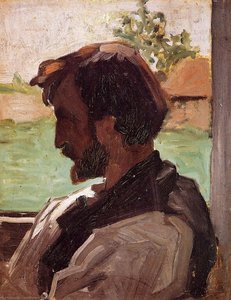
      Portret Фредерик Базиј
      Фредерик Базиј · 1841 – 1870
      Rođen · umro
      1841 – 1870, Монпеље
      Pokret
      Impressionist landscape
      Radovi u našem katalogu
      88
      Najpoznatije
      Купачи (Летња сцена) (1869)
      Najviše dela u
      Musée Fabre

      Top 10 slika umetnika Фредерик Базиј: platna koja svi poznaju

      Купачи (Летња сцена) (1869) čiji je Фредерик Базиј
      1

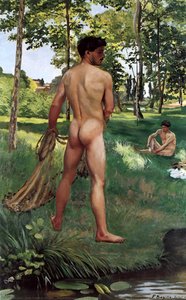
      Купачи (Летња сцена)

      1869 · Ulje na platnu · Fogg Art Museum, Cambridge

      Leto u Drage Bazila: Prizor Mladosti i Slobode Žan Friderik Bazilovo delo "Kupači (Letnji prizor)" iz 1869. godine predstavlja više od pukog oslikavanja scene; to je oda mladosti, vitalnosti i slobodi koju nalazimo u prirodi i ljudskom telu. Ovo remek-delo impresionizma, danas čuvano u Fogg Art Museumu u Kembridžu, Massachusettsu, poziva nas da se uronimo u sunčanu šumu pored potoka, gde grupa mladih muškaraca uživa u bezbrižnim aktivnostima – plivanju,…

      Уједињење породице (1867) čiji je Фредерик Базиј
      2

      Уједињење породице

      1867 · Ulje na platnu · Musée d'Orsay, Pariz

      Bazilovo remek-delo „Ujedinjenje porodice” predstavlja živopisnu i detaljnu prikazivanje društvenog okupljanja na otvorenom prostoru. Kreirano 1867. godine, ovo umetničko delo beleži živahnu scenu pod krošnjom velikog drveta, gde grupa ljudi uživa u razgovorima i opuštenim aktivnostima. Kompozicija je bogata detaljima, sa složenim uzorcima i teksturama koji sceni oduzimaju statičnost i oživljavaju je pred očima posmatrača.

      The Pink Dress (1864) čiji je Фредерик Базиј
      3

      The Pink Dress

      1864 · Acrylic On Canvas · Musée d'Orsay, Pariz

      Marilyn Monroe’s “Pink Dress,” designed by William Travilla for Howard Hawks’ 1953 film *Gentlemen Prefer Blondes*, transcends mere costume; it embodies an enduring symbol of glamour, ambition, and the seductive allure of Hollywood. The dress itself—a shocking pink silk satin gown adorned with black satin lining and a large bow—represents more than just fabric and embellishments; it encapsulates a pivotal moment in cinematic history and continues to fascinate audiences today.

      La Toilette (1870) čiji je Фредерик Базиј
      4

      La Toilette

      1870 · Acrylic On Canvas · Musée Fabre, Montpelje

      The Painting's Significance and Context La Toilette, an oil-on-canvas painting by Jean Frédéric Bazille, is a remarkable work of art that showcases the artist's skill in capturing intimate moments. Created in 1869-1870, this painting is one of Bazille's last works before his untimely death in the Franco-Prussian War. Composition and Symbolism The painting depicts three women in a room, with one woman lying on a bed while the other two…

      Landscape on the Shore of Lez (1870) čiji je Фредерик Базиј
      5

      Landscape on the Shore of Lez

      1870 · Oil

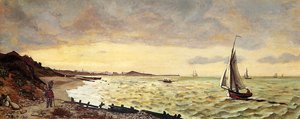
      Landscape on the Shore of Lez is a significant work by Frédéric Bazille, an artist whose life was marked by a brief but intense period of creativity. Born in 1841, Bazille’s career was tragically cut short when he died in 1870. This particular painting, completed in June 1870, represents one of his final artistic statements. It is a large landscape that the artist himself described as an eclogue, a term…

      The Family Gathering (1867) čiji je Фредерик Базиј
      6

      The Family Gathering

      1867 · Oil On Canvas · Musée d'Orsay, Pariz

      To stand before The Family Gathering is to step directly into a sun-dappled afternoon of pure, unscripted joy. This painting by Jean Frédéric Bazille captures more than just a social assembly; it arrests the very essence of conviviality. One feels the gentle warmth emanating from the canvas, as if the viewer has stumbled upon this private moment in time. The composition is masterfully arranged beneath the generous canopy of a…

      The Scoter (1864) čiji je Фредерик Базиј
      7

      The Scoter

      1864 · Oil · Musée Fabre, Montpelje

      The painting depicts a bird perched upon a wooden surface that possesses a yellowish hue. The central subject is a bird that appears to be dead or in the process of dying. This bird is positioned near the center of the frame and occupies most of the composition.

      Le petit jardinier, ca Museum of Fine Arts, (1867) čiji je Фредерик Базиј
      8

      Le petit jardinier, ca Museum of Fine Arts,

      1867 · Oil On Canvas · Muzej fine umetnosti u Hjustonu, Hjuston

      A woman in a pink dress occupies the center of this 1867 composition, her form integrated into a lush, verdant landscape. She holds a watering can, a quiet gesture of tending to the earth. Around her, the garden is alive with color and movement. A large bush erupts with red flowers, providing a sharp contrast to the deep greens of the foliage. In the distance, another figure walks away, adding…

      Portrait of an Unknown Sitter as a Troubadour (1875) čiji je Фредерик Базиј
      10

      Portrait of an Unknown Sitter as a Troubadour

      1875 · Oil On Canvas · Dallas Museum of Art, Dallas

      In this intimate oil portrait, we find ourselves drawn into a quiet, private moment with a young man. The composition is a close-up, bust-length study that pushes the subject toward the viewer through a dramatic use of chiaroscuro. A deep, nearly black background provides a void from which the sitter emerges, illuminated by a highly directional light source. This light catches the contours of his face, leaving the other side…

      Još Фредерик Базиј platna, od 11 do 88

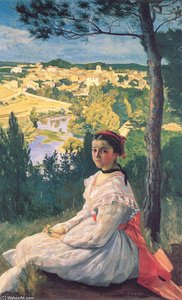
      View of the Village (1868) čiji je Фредерик Базиј
      #18

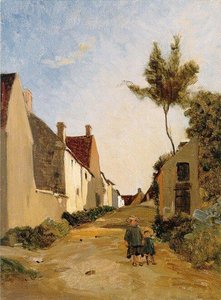
      View of the Village

      1868 · Musée Fabre

      Jean Frédéric Bazille’s “View of the Village,” painted in 1868, stands as a quintessential example of the Impressionist spirit—a movement that sought to capture fleeting impressions of light…

      Naručite ručno oslikano →
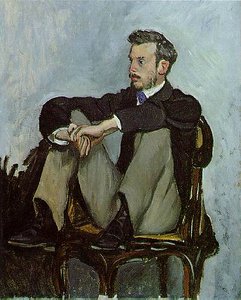
      Portrait of Renoir (1867) čiji je Фредерик Базиј
      #20

      Portrait of Renoir

      1867 · Musée d'Orsay

      Jean Frédéric Bazille's “Portrait of Renoir” stands as a testament to the burgeoning Impressionist movement, capturing not merely an likeness but also a palpable sense of contemplative emotion.…

      Unesite ovu svetlost u svoj dom →
      Portrait of Edmond Maitre (1869) čiji je Фредерик Базиј
      #22

      Portrait of Edmond Maitre

      1869 · National Gallery of Art

      In the quiet corners of art history, certain works possess the power to halt time, offering a window into a moment of profound stillness. Jean Frédéric Bazille’s “Portrait…

      Naručite ručno oslikano →
      Reclining Nude (1864) čiji je Фредерик Базиј
      #23

      Reclining Nude

      1864 · Musée Fabre

      Jean Frédéric Bazille's 'Reclining Nude,' painted in 1864, is more than just a depiction of the human form; it’s a carefully constructed evocation of serenity and sensual grace,…

      Naručite ovo platno →
      Fontainebleau forest (1865) čiji je Фредерик Базиј
      #24

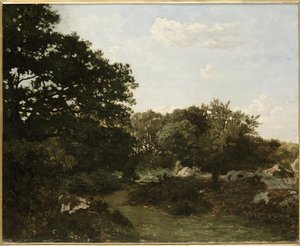
      Fontainebleau forest

      1865 · Musée d'Orsay

      In this 1865 oil on canvas, we find ourselves standing at the edge of the Fontainebleau forest. The composition is asymmetrical, drawing the eye toward a dense, dark…

      Naručite ovo platno →
      Portrait of Edouard Blau (1866) čiji je Фредерик Базиј
      #25

      Portrait of Edouard Blau

      1866 · National Gallery of Art

      “Portrait of Édouard Blau,” painted by Jean Frédéric Bazille in 1866, stands as a testament to the burgeoning Impressionist movement's fascination with capturing fleeting moments of light and…

      Naručite ovo platno →
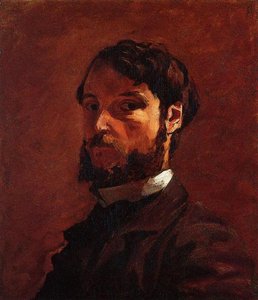
      Self Portrait (1870) čiji je Фредерик Базиј
      #26

      Self Portrait

      1870

      In this poignant Self Portrait, painted in 1870, we encounter Frédéric Bazille not merely as a painter, but as a man caught in the delicate transition between youthful…

      Naručite ovo platno →
      Self-Portrait (1867) čiji je Фредерик Базиј
      #28

      Self-Portrait

      1867 · Minneapolis Institute of Art

      Self-Portrait is an oil on canvas painting by the artist Frédéric Bazille. Created in France, this work belongs to the Impressionism movement. The subject of the painting is…

      Naručite ovo platno →
      Queens Gate at Aigues-Mortes (1867) čiji je Фредерик Базиј
      #63

      Queens Gate at Aigues-Mortes

      1867 · Metropoliten музеј у Њујорку

      Jean Frédéric Bazille's "Queens Gate at Aigues-Mortes," painted in 1867, isn’t merely a depiction of a medieval fortification; it’s an exquisite distillation of Impressionist philosophy and a poignant…

      Naručite ovo platno →
      Landscape at Chailly (1865) čiji je Фредерик Базиј
      #65

      Landscape at Chailly

      1865 · Art Institute of Chicago

      Jean Frédéric Bazille’s “Landscape at Chailly,” painted in 1865, isn't merely a depiction of a Swiss hillside; it’s a distilled essence of Impressionist philosophy—a fleeting capture of light,…

      Naručite ručno oslikano →
      Toilet (1870) čiji je Фредерик Базиј
      #70

      Toilet

      1870 · Musée Fabre

      Painted in 1870, tragically just months before Jean Frédéric Bazille's untimely death at the age of twenty-nine, *Toilet* (La Toilette) is a pivotal work within the burgeoning Impressionist…

      Naručite ručno oslikano →
      Portrait of Renoir (1867) čiji je Фредерик Базиј
      #82

      Portrait of Renoir

      1867 · Cleveland Museum of Art

      The Portrait of Renoir is an oil on canvas figure portrait created by the artist Frédéric Bazille. Executed in 1867, this work depicts Pierre-Auguste Renoir, who was a…

      Naručite ručno oslikano →
      Edouard Blau (1869) čiji je Фредерик Базиј
      #83

      Edouard Blau

      1869 · National Gallery of Art

      This oil on canvas work, titled Edouard Blau, was executed by the French artist Frédéric Bazille. It offers a quiet study of the sitter, a French dramatist, critic,…

      Naručite ručno oslikano →
      Young Woman with Peonies (1870) čiji je Фредерик Базиј
      #88

      Young Woman with Peonies

      1870 · National Gallery of Art

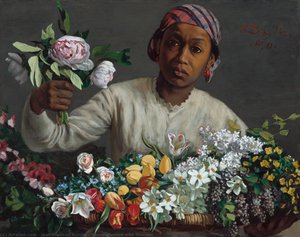
      Holding a bunch of peonies in one hand, a woman with brown skin leans forward, toward us from behind a large basket holding dozens of flowers in this…

      Naručite ovo platno →

      Platna umetnika Фредерик Базиј po periodima

      Šta je Фредерик Базиј najčešće slikao

      Četiri teme koje se najčešće pojavljuju na ovim platnima, svaka sa svojim najomiljenijim primerom.

      Gde se nalaze platna umetnika Фредерик Базиј

      8 muzeja u kojima se nalazi najviše slika sa ove stranice.

      Muzej Grad Radovi umetnika Фредерик Базиј Slike iz ovog spiska
      Musée Fabre, MontpeljeMusée Fabre Montpelje 23 La Toilette, The Scoter, Petite Italienne chanteuse des rues
      Musée d'Orsay, ParizMusée d'Orsay Pariz 8 Уједињење породице, The Pink Dress, The Family Gathering
      National Gallery of Art, WashingtonNational Gallery of Art Washington 6 Portrait of Edmond Maitre, Portrait of Edouard Blau, Edmond Maître
      Minneapolis Institute of Art, MinneapolisMinneapolis Institute of Art Minneapolis 2 Self-Portrait, The Banks of the Lez
      Art Institute of Chicago, ČikagoArt Institute of Chicago Čikago 2 Landscape at Chailly, Self Portrait with Palette
      Fogg Art Museum, CambridgeFogg Art Museum Cambridge 1 Купачи (Летња сцена)
      Muzej fine umetnosti u Hjustonu, HjustonMuzej fine umetnosti u Hjustonu Hjuston 1 Le petit jardinier, ca Museum of Fine Arts,
      Dallas Museum of Art, DallasDallas Museum of Art Dallas 1 Portrait of an Unknown Sitter as a Troubadour

      Najomiljenije platno umetnika Фредерик Базиј iz svakog decenije

      1. 1850s
      2. 1860s
        Купачи (Летња сцена) (1869) čiji je Фредерик Базиј
        1 od 88

        Купачи (Летња сцена)

        Godine 19 – 28 · Fogg Art Museum

        Leto u Drage Bazila: Prizor Mladosti i Slobode Žan Friderik Bazilovo delo "Kupači (Letnji prizor)" iz 1869. godine predstavlja više od pukog oslikavanja scene; to je oda mladosti,…

      3. 1870s
        La Toilette (1870) čiji je Фредерик Базиј
        Platno 4 od 88

        La Toilette

        Godine: 29 · Musée Fabre

        The Painting's Significance and Context La Toilette, an oil-on-canvas painting by Jean Frédéric Bazille, is a remarkable work of art that showcases the artist's skill in capturing intimate…

      O platnima Фредерик Базиј: odgovori na vaša pitanja

      Koje je najpoznatije delo umetnika Фредерик Базиј?Pročitajte odgovor

      Купачи (Летња сцена) (1869), Fogg Art Museum, Cambridge. Prate ih Уједињење породице (1867) i The Pink Dress (1864).

      Koliko je godina imao/la Фредерик Базиј kada je slika Купачи (Летња сцена) nastala?Pročitajte odgovor

      Фредерик Базиј, rođen/a 1841, imao/la je 28 godina: Купачи (Летња сцена) datira iz 1869.

      Koja su 10 najpoznatijih dela Фредерик Базиј?Pročitajte odgovor

      Купачи (Летња сцена), Уједињење породице, The Pink Dress, La Toilette, Landscape on the Shore of Lez, The Family Gathering, The Scoter, Le petit jardinier, ca Museum of Fine Arts,, Saint-Saveur i Portrait of an Unknown Sitter as a Troubadour. Svako platno u gornjem rangiranju sadrži godinu nastanka i naziv muzeja.

      Koliko je ukupno dela naslikao Фредерик Базиј?Pročitajte odgovor

      U našem katalogu se nalazi 88 dela umetnika Фредерик Базиј, datiranih od 1859 do 1870.

      Gde mogu da vidim najpoznatija platna umetnika Фредерик Базиј?Pročitajte odgovor

      Većinom u Musée Fabre (Montpelje), Musée d'Orsay (Pariz) i National Gallery of Art (Washington); gornja lista navodi svaki muzej i njegova platna.

      Kada je Фредерик Базиј naslikao svoje najomiljenije platna?Pročitajte odgovor

      U 1860s, koji obuhvata 54 od 88 dela na ovoj stranici, među njima je i Купачи (Летња сцена).

      Koja su najranija i najkasnija čuvena platna umetnika Фредерик Базиј?Pročitajte odgovor

      Najstarije platno ovde je iz Mystic marriage of Saint Catherine (1859) godine; najnovije je iz La Toilette (1870) godine.

      Šta je Фредерик Базиј najčešće slikao?Pročitajte odgovor

      Portraits (6), Men (6) i Man (5), kroz svih 88 dela na ovoj stranici.

      U kojoj je tehnici Фредерик Базиј najčešće slikao/la?Pročitajte odgovor

      Oil On Canvas, korišćeno u 23 od 88 dela na ovoj stranici.

      Kojoj umetničkom pravcu pripada delo Фредерик Базиј?Pročitajte odgovor

      Impressionist landscape, kao što pokazuju platna na ovoj stranici.

      Čija se dela Фредерик Базиј nalaze u Musée Fabre?Pročitajte odgovor

      Muzej Musée Fabre, Montpelje čuva 23 dela sa ove stranice, među kojima su i La Toilette, The Scoter i Petite Italienne chanteuse des rues.

      Mogu li da kupim reprodukciju platna od Фредерик Базиј?Pročitajte odgovor

      Da. Svaku sliku sa ove stranice možete naručiti sa njene posebne stranice kao ručno oslikano ulje na platnu ili kao umetnički print, u veličini koju odaberete.

      Фредерик Базиј: život u bojama

      Краткотрајни сјај Жана Фредерика Базила

      Прича о Жану Фредерику Базилу је прича о огромном потенцијалу трагично прекинутом, кратком али значајном доприносу рађајућем Импресионистичком покрету. Рођен у Монпелијеу, Француска, 6. децембра 1841. године, у просперитетној протестантској породици која се бавила производњом вина, Базил је у почетку изгледао предодређен за живот далеко од света уметности. Родитељи су га подстицали да паралелно са уметничким склоностима похађа медицинске студије – компромис који је одражавао друштвене норме тог времена и њихову жељу за његовом финансијском сигурношћу. Ова двострукост би обликовала његове ране године, подељену пажњу између анатомије и очаравајуће привлачности боје и светла. Међутим, у живописној атмосфери Париза, где се преселио 1862. године да настави медицинске студије, Базилов уметнички пут је заправо почео да се одвија.

      Ковање пута међу великанима

      Париз се показао као кључно место за младог Базила. Брзо се спријатељио са кругом уметника који ће бити синоним за Импресионизам: Клод Моне, Пјер-Огист Ренуар и Алфред Сисле. Студирање под Чарлсом Глером пружило му је формално образовање, али права ватра његове уметничке визије била је размена страсти и радикални идеја међу овим пријатељима. Базилова финансијска стабилност – срећна контраст често несигурном постојању његових другова – омогућила му је да великодушно их подржи, нудећи им студијски простор и материјале. Ова великодушност није била само практична; она је произашла из дубоког пријатељства и вере у њихов колективни потенцијал. Постао је витално чвориште ове нове групе, негујући атмосферу експериментисања и међусобног охрабрења. Његови рани радови, попут *Розе хаљине* (око 1864.), већ показују оштар поглед за хватање пролазних тренутака и ефеката светла – обележја која ће дефинисати Импресионизам. Он није само копирао утврђене стилове; активно је учествовао у стварању нечега потпуно новог.

      Стил дефинисан светом и пријатељством

      Базилов уметнички стил, иако се брзо развијао, поседовао је јединствен карактер у ширем Импресионистичком естетском контексту. Иако су делили фасцинацију сликањем на отвореном – радујући се директном хватању нијанси природног светла – његови композиције су често показивале структуриранији квалитет него Монеове или Ренуарове. Често је комбиновао фигурално сликарство са пејзажем, промишљено постављајући своје ликове у њихово окружење, као што се види у ремек-делима попут *Породичног окупљања* (1867-1868). Овај рад није само приказ породичног састанка; то је истраживање светла које пролази кроз дрвеће, анимирајући сцену и испуњавајући је осећањем топлине и интимности. Његове слике нису биле само о *чему* је видео, већ *како* га је видео – емоционални одјек који су изазвали боја, облик и светлост. Био је дубоко под утицајем Ежена Делакроа, чија је живописна употреба боје резонирала са његовом сопственом уметничком осетљивошћу, али се одмакао од академских конвенција да би прихватио модернији сензибилитет.

      Прекинути живот: наслеђе и памћење

      Раст каријере Жана Фредерика Базила је брутално прекинут Француско-пруским ратом 1870. године. Покренут осећањем патриотске дужности, придружио се пуку Зуава само неколико месеци након избијања конфликта. Трагично, погинуо је у борби 28. новембра 1870. године, у узрасту од само 28 година, недалеко од Боне-ла-Роланде. Његова смрт је изазвала шок кроз уметничку заједницу, лишавајући их талентованог пријатеља и великодушног добротвора. Његов превремени крај значио је да његово дело остало релативно непознато дуги низ година. Међутим, последњих деценија, Базилов допринос се све више признаје и слави. Данас се његове слике чувају у престижним музејима попут Мусее д’Орсеја у Паризу, а репродукције омогућавају љубитељима уметности широм света да искусе лепоту и иновацију његове визије. Базилово наслеђе се протеже ван његовог уметничког опуса; он оличава дух младог идеализма, непоколебљиве посвећености и моћи пријатељства које је дефинисало ране дане Импресионизма. Остаје емотиван подсетник на изгубљени потенцијал, али и сведочанство трајног утицаја кратког али сјајног живота.

      Sva 88 dela umetnika Фредерик Базиј →