Atelje — Besplatna dostava širom sveta — Rok isporuke: 2–6 nedelja
      Карло Долчи, 1616 – 1686

      87 najpoznatijih dela umetnika Карло Долчи prema popularnosti

      Najomiljenije delo umetnika Карло Долчи je The Adoration of the Kings (1649), koje se nalazi u muzeju National Gallery, London. The Guardian Angel (1675) i Madonna in Glory (1670) su sledeći na listi najpoznatijih platana koje čitaoci najbolje poznaju. Naš katalog sadrži 87 dela umetnika Карло Долчи: evo 87 najpoznatijih, od kojih svako nosi godinu nastanka, naziv muzeja i opis onoga što ga čini nezaborotljivim.

      Rangirano prema našem koeficijentu popularnosti, koji kombinuje pretrage, posete i porudžbine za svako delo. Ažurirano октобар 2026. Svaku sliku sa ove stranice možete naručiti kao ručno oslikano ulje na platnu od lana ili kao umetnički print, izrađen u dimenzijama koje sami odaberete.

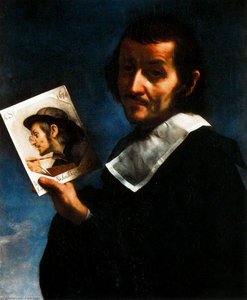
      Portret Карло Долчи
      Карло Долчи · 1616 – 1686
      Rođen · umro
      1616 – 1686, Фиренца
      Pokret
      Baroque
      Radovi u našem katalogu
      87
      Najpoznatije
      The Adoration of the Kings (1649)
      Najviše dela u
      Bavarske državne slikopisne kolekcije

      Top 10 slika umetnika Карло Долчи: platna koja svi poznaju

      The Adoration of the Kings (1649) čiji je Карло Долчи
      1

      The Adoration of the Kings

      1649 · Oil On Canvas · National Gallery, London

      To stand before Carlo Dolci's depiction of The Adoration of the Kings is to step across the threshold of time and into a sanctuary of profound, quiet devotion. This magnificent work captures not the bombast of grand public spectacle, but the intimate, luminous moment where divinity meets earthly reverence. The composition centers on Mary cradling the infant Jesus, figures bathed in a soft, almost palpable glow that speaks volumes about…

      The Guardian Angel (1675) čiji je Карло Долчи
      2

      The Guardian Angel

      1675 · Oil On Canvas · Museum of the Cathedral, Prato

      Carlo Dolci's “The Guardian Angel,” completed in 1675, transcends mere depiction; it embodies the spiritual fervor characteristic of Baroque art and stands as a testament to Dolci’s masterful artistic vision. Housed within the Museum of the Cathedral in Prato, Italy, this oil on canvas masterpiece invites contemplation and offers a glimpse into the profound symbolism woven throughout its composition.

      Madonna in Glory (1670) čiji je Карло Долчи
      3

      Madonna in Glory

      1670 · Oil On Canvas · Cantor Arts Center at Stanford University, Stanford

      Carlo Dolci's "Madonna in Glory," painted around 1670, is not merely a depiction of the Virgin Mary; it’s an immersion into the heart of Florentine Baroque piety. This intimate portrait, likely intended for private devotion, reveals a masterclass in restrained emotion and meticulous technique – qualities that cemented Dolci's reputation as one of Florence’s most revered artists during his era. The painting immediately draws the viewer in with its dark,…

      Vase of Flowers (1662) čiji je Карло Долчи
      4

      Vase of Flowers

      1662 · Acrylic On Canvas · Galerija Ufizi, Firenca

      The Vase of Flowers is a stunning oil on canvas painting created by the renowned Italian artist Carlo Dolci in 1662. This beautiful piece is housed at the prestigious Galleria degli Uffizi in Florence, Italy. The painting depicts a magnificent bouquet of rare and exotic flowers arranged in a stunning gilded vase, adorned with intricate patterns and the Medici coat of arms. A Masterpiece of Still Life Painting The Vase…

      Ecce Homo (1651) čiji je Карло Долчи
      5

      Ecce Homo

      The figure of Christ is presented in a vertical bust-length portrait, his gaze directed slightly upward in a state of profound suffering. A crown of thorns encircles his head, the sharp points protruding into the space around him. He is draped in a deep crimson mantle over a blue undergarment, with a thick rope tied around his neck. The composition focuses on the immediate, intimate connection between the subject and…

      Saint Philip Neri (1515–1595) (1645) čiji je Карло Долчи
      6

      Saint Philip Neri (1515–1595)

      1645 · Oil · Metropoliten музеј у Њујорку, Њујорк

      The room falls away into an indeterminate darkness, leaving only the figure of an elderly man to meet the eye. He sits in a quiet, heavy stillness, his face emerging from the gloom as if caught in a sudden, soft beam of light from the upper left. This is Saint Philip Neri, and even in this frozen moment, there is a sense of profound, inward movement. His skin, rendered with…

      Portrait of Vittoria della Rovere (1622-1694) as St. Catherine (1640) čiji je Карло Долчи
      7

      Portrait of Vittoria della Rovere (1622-1694) as St. Catherine

      1640 · Oil On Canvas · Kunsthistorisches Museum, Beč

      Vittoria della Rovere is presented within an octagonal frame, her likeness transformed through the lens of religious iconography. Portrayed as St. Catherine, she gazes directly at the viewer with a poised, calm expression. The composition centers on her bust-length figure, where the light focuses intensely upon her face and chest. This use of tenebrism creates a deep sense of three-dimensionality, pulling the subject forward from a dark, warm background.

      Mattias de' Medici (1613-1667) (1635) čiji je Карло Долчи
      8

      Mattias de' Medici (1613-1667)

      1635 · Oil On Canvas · Kunsthistorisches Museum, Beč

      A Presence in Polished Steel The figure of Mattias de' Medici commands the space, frozen in a moment of quiet authority. He stands centrally, his body encased in the dark, reflective weight of black plate armor that catches the light from the upper left. This metallic surface gleams with subtle highlights, contrasting sharply against the deep scarlet red of his breeches. A decorative sash and a fine lace collar add…

      Saint Andrew the Apostle (1658) čiji je Карло Долчи
      9

      Saint Andrew the Apostle

      1658 · Oil On Canvas · Statens Museum For Kunst, Kopenhagen

      In Saint Andrew the Apostle by Carlo Dolci, the viewer meets a figure caught in a moment of profound spiritual weight. The composition follows a vertical arrangement, pulling the gaze upward toward the saint's head and upper torso. He sits slightly off-center, creating a sense of natural, unforced presence. A large, dark wooden saltire cross cuts diagonally across the frame, its heavy shape anchoring the saint within the shadows. A…

      The Virgin (1658) čiji je Карло Долчи
      10

      The Virgin

      1658 · Oil On Canvas · Statens Museum For Kunst, Kopenhagen

      The Virgin is a somber and deeply emotive Baroque portrait of a woman, likely the Virgin Mary, rendered in oil on canvas. The composition is a close-up, centered on the subject's downward-looking face, which is partially shrouded by a heavy dark blue mantle. The color palette is restrained, dominated by deep blues, shadows, and warm skin tones, with a single highlight of white fabric at the neck.

      Još Карло Долчи platna, od 11 do 87

      Allegory of Sincerity (1665) čiji je Карло Долчи
      #15

      Allegory of Sincerity

      1665 · Kunsthistorisches Museum

      The oil painting titled Allegory of Sincerity was executed by the artist Carlo Dolci. This work is a product of Italian and Florentine culture. The piece is dated…

      Naručite ovo platno →
      Maria With Child (1665) čiji je Карло Долчи
      #29

      Maria With Child

      1665 · Kunsthistorisches Museum

      In "Maria With Child" by Carlo Dolci, the world narrows to an intimate, octagonal frame. The composition centers on the quiet gravity between mother and child. The Virgin…

      Unesite ovu svetlost u svoj dom →
      St Cecilia at the Organ (1671) čiji je Карло Долчи
      #40

      St Cecilia at the Organ

      1671 · Gemäldegalerie

      In this reverent portrait, St Cecilia at the Organ finds herself suspended in a moment of profound spiritual contemplation. Painted by Carlo Dolci in 1671, the work captures…

      Naručite ovo platno →
      Head of Christ (1658) čiji je Карло Долчи
      #41

      Head of Christ

      1658 · Statens Museum For Kunst

      In this intimate portrait, Head of Christ by Carlo Dolci presents a centered, close-up bust view. The composition focuses our attention entirely on the face and upper torso…

      Unesite ovu svetlost u svoj dom →
      Moses (1640) čiji je Карло Долчи
      #42

      Moses

      1640

      The painting "Moses" by Carlo Dolci is a masterpiece of Baroque art, created in 1640. This beautiful oil on canvas painting measures 40 x 30 cm and is…

      Unesite ovu svetlost u svoj dom →
      Self-Portrait (1674) čiji je Карло Долчи
      #43

      Self-Portrait

      1674 · Galerija Ufizi

      Carlo Dolci's "Self-Portrait," painted in 1674, is not merely a likeness; it’s an intimate glimpse into the soul of a Florentine master. This oil on canvas transcends the…

      Naručite ovo platno →
      Saint Paul the hermit (1640) čiji je Карло Долчи
      #44

      Saint Paul the hermit

      1640 · Narodni muzej u Varšavi

      In this oil painting, Saint Paul the hermit, we encounter a profound moment of spiritual sustenance captured by the Florentine artist Carlo Dolci. Created around 1640, the work…

      Naručite ovo platno →
      St Mary Magdalene (1644) čiji je Карло Долчи
      #50

      St Mary Magdalene

      1644 · Ermitaž

      Carlo Dolci’s “St Mary Magdalene,” painted in 1644, is not merely a portrait; it's an immersion into the profound devotional atmosphere of late Mannerism and early Baroque Florence.…

      Unesite ovu svetlost u svoj dom →
      St. Mary Magdalene čiji je Карло Долчи
      #54

      St. Mary Magdalene

      In this intimate portrait, we encounter a young woman caught in a moment of profound spiritual reflection. The subject, identified as St. Mary Magdalene, is rendered with a…

      Naručite ovo platno →
      Head of Christ čiji je Карло Долчи
      #57

      Head of Christ

      Statens Museum For Kunst

      The work before us is titled Head of Christ, a painting by the Florentine artist Carlo Dolci. Created in 1658, this piece offers a direct and intimate encounter…

      Naručite ovo platno →
      Allegory of Patience čiji je Карло Долчи
      #58

      Allegory of Patience

      Biennale Internazionale dell'Antiquariato di Firenze

      Carlo Dolci's “Allegory of Patience,” painted around 1677, isn’t merely a portrait; it’s an invitation to contemplate the enduring power of resilience. Rooted firmly in the Florentine Baroque…

      Unesite ovu svetlost u svoj dom →
      Self-Portrait (1674) čiji je Карло Долчи
      #59

      Self-Portrait

      1674 · Galerija Ufizi

      In the quiet corridors of the Galleria degli Uffizi, there exists a painting that does not merely capture a face, but rather invites the viewer into a profound…

      Naručite ručno oslikano →
      The Penitent Mary Magdalene čiji je Карло Долчи
      #63

      The Penitent Mary Magdalene

      Nationalmuseum

      This Baroque oil painting presents a close-up portrait of a solitary, sorrowful figure, Mary Magdalene, positioned slightly off-center to create dynamic movement. The composition focuses on her upper…

      Naručite ručno oslikano →
      Mater Dolorosa (1655) čiji je Карло Долчи
      #83

      Mater Dolorosa

      1655 · Национални музеј западне уметности

      The figure of the Virgin Mary is captured in a moment of profound grief, her head tilted downward and eyes cast low in a gesture of quiet suffering.…

      Unesite ovu svetlost u svoj dom →

      Platna umetnika Карло Долчи po periodima

      Šta je Карло Долчи najčešće slikao

      Četiri teme koje se najčešće pojavljuju na ovim platnima, svaka sa svojim najomiljenijim primerom.

      Gde se nalaze platna umetnika Карло Долчи

      8 muzeja u kojima se nalazi najviše slika sa ove stranice.

      Muzej Grad Radovi umetnika Карло Долчи Slike iz ovog spiska
      Bavarske državne slikopisne kolekcije, MinhenBavarske državne slikopisne kolekcije Minhen 7 Ecce Homo, Saint Agnes, The Penitent Mary Magdalene
      Kunsthistorisches Museum, BečKunsthistorisches Museum Beč 7 Portrait of Vittoria della Rovere (1622-1694) as St. Catherine, Mattias de' Medici (1613-1667), Archduchess Claudia Felicitas (1653-1676)
      Statens Museum For Kunst, KopenhagenStatens Museum For Kunst Kopenhagen 5 Saint Andrew the Apostle, The Virgin, Christ's Agony in the Garden of Gethsemane
      Galleria Palatina, FirencaGalleria Palatina Firenca 4 Diogenes, Magdalene, Portrait of Stefano Della Bella
      Galerija Ufizi, FirencaGalerija Ufizi Firenca 3 Vase of Flowers, Self-Portrait, Self-Portrait
      Nationalmuseum, СтокхолмNationalmuseum Стокхолм 3 Christ and Mary Magdalen in the House of Simon, The Penitent Mary Magdalene, Madonna med barnet
      Fitzwilliam MuseumFitzwilliam Museum 3 Sir Thomas Baines, F.R.S., F.R.C.P. 1622-1681, Sir John Finch F.R.S., F.R.C.P. 1626-1682, Mater Dolorosa
      Royal Collection, LondonRoyal Collection London 3 Salome with the Head of John the Baptist, The Penitent Magdalen, Salome with the Head of St John the Baptist

      Najomiljenije platno umetnika Карло Долчи iz svakog decenije

      1. 1630s
        Mattias de' Medici (1613-1667) (1635) čiji je Карло Долчи
        Rangiran/a 8 od 87

        Mattias de' Medici (1613-1667)

        Godine 14 – 23 · Kunsthistorisches Museum

        A Presence in Polished Steel The figure of Mattias de' Medici commands the space, frozen in a moment of quiet authority. He stands centrally, his body encased in…

      2. 1640s
        The Adoration of the Kings (1649) čiji je Карло Долчи
        Platno 1 od 87

        The Adoration of the Kings

        Godine 24 – 33 · National Gallery

        To stand before Carlo Dolci's depiction of The Adoration of the Kings is to step across the threshold of time and into a sanctuary of profound, quiet devotion.…

      3. 1650s
        Ecce Homo (1651) čiji je Карло Долчи
        5 od 87

        Ecce Homo

        Godine 34 – 43 · Bavarske državne slikopisne kolekcije

        The figure of Christ is presented in a vertical bust-length portrait, his gaze directed slightly upward in a state of profound suffering. A crown of thorns encircles his…

      4. 1660s
        Vase of Flowers (1662) čiji je Карло Долчи
        Rangiran/a 4 od 87

        Vase of Flowers

        Godine 44 – 53 · Galerija Ufizi

        The Vase of Flowers is a stunning oil on canvas painting created by the renowned Italian artist Carlo Dolci in 1662. This beautiful piece is housed at the…

      5. 1670s
        The Guardian Angel (1675) čiji je Карло Долчи
        Platno 2 od 87

        The Guardian Angel

        Godine 54 – 63 · Museum of the Cathedral

        Carlo Dolci's “The Guardian Angel,” completed in 1675, transcends mere depiction; it embodies the spiritual fervor characteristic of Baroque art and stands as a testament to Dolci’s masterful…

      6. 1680s

      O platnima Карло Долчи: odgovori na vaša pitanja

      Koje je najpoznatije delo umetnika Карло Долчи?Pročitajte odgovor

      The Adoration of the Kings (1649), National Gallery, London. Prate ih The Guardian Angel (1675) i Madonna in Glory (1670).

      Koliko je godina imao/la Карло Долчи kada je slika The Adoration of the Kings nastala?Pročitajte odgovor

      Карло Долчи, rođen/a 1616, imao/la je 33 godina: The Adoration of the Kings datira iz 1649.

      Koja su 10 najpoznatijih dela Карло Долчи?Pročitajte odgovor

      The Adoration of the Kings, The Guardian Angel, Madonna in Glory, Vase of Flowers, Ecce Homo, Saint Philip Neri (1515–1595), Portrait of Vittoria della Rovere (1622-1694) as St. Catherine, Mattias de' Medici (1613-1667), Saint Andrew the Apostle i The Virgin. Svako platno u gornjem rangiranju sadrži godinu nastanka i naziv muzeja.

      Koliko je ukupno dela naslikao Карло Долчи?Pročitajte odgovor

      U našem katalogu se nalazi 87 dela umetnika Карло Долчи, datiranih od 1630 do 1680.

      Gde mogu da vidim najpoznatija platna umetnika Карло Долчи?Pročitajte odgovor

      Većinom u Bavarske državne slikopisne kolekcije (Minhen), Kunsthistorisches Museum (Beč) i Statens Museum For Kunst (Kopenhagen); gornja lista navodi svaki muzej i njegova platna.

      Kada je Карло Долчи naslikao svoje najomiljenije platna?Pročitajte odgovor

      U 1650s, koji obuhvata 18 od 87 dela na ovoj stranici, među njima je i Ecce Homo.

      Koja su najranija i najkasnija čuvena platna umetnika Карло Долчи?Pročitajte odgovor

      Najstarije platno ovde je iz The Holy Family with God the Father and the Holy Spirit (1630) godine; najnovije je iz David with the Head of Goliath (1680) godine.

      Šta je Карло Долчи najčešće slikao?Pročitajte odgovor

      Man (11), Woman (10) i Religious (8), kroz svih 87 dela na ovoj stranici.

      U kojoj je tehnici Карло Долчи najčešće slikao/la?Pročitajte odgovor

      Oil On Canvas, korišćeno u 21 od 87 dela na ovoj stranici.

      Kojoj umetničkom pravcu pripada delo Карло Долчи?Pročitajte odgovor

      Baroque, kao što pokazuju platna na ovoj stranici.

      Čija se dela Карло Долчи nalaze u Bavarske državne slikopisne kolekcije?Pročitajte odgovor

      Muzej Bavarske državne slikopisne kolekcije, Minhen čuva 7 dela sa ove stranice, među kojima su i Ecce Homo, Saint Agnes i The Penitent Mary Magdalene.

      Mogu li da kupim reprodukciju platna od Карло Долчи?Pročitajte odgovor

      Da. Svaku sliku sa ove stranice možete naručiti sa njene posebne stranice kao ručno oslikano ulje na platnu ili kao umetnički print, u veličini koju odaberete.

      Карло Долчи: život u bojama

      Мајстор флорентинске барокне побожности

      Карло Долчи, рођен у Фиренци 1616. године, представља фасцинантну фигуру у оквиру италијанског барока – сликара чија су интензивно религиозно обојена дела и прецизна техника обезбедиле његово место међу најтраженијим уметницима свог времена. За разлику од многих савременика привучених драматичном величином Рима, Долчи је остао чврсто везан за флорентинску традицију, неговајући стил карактеризован тихом интензивношћу и дубоком духовном дубином. Његов живот се одвијао у атмосфери уметничке страсти, али је изградио јединствени пут дефинисан не пролифичном продукцијом већ непоколебљивом посвећеношћу детаљу и емоционалном резонансом. Већ од раног школовања под руководством Ђакопа Вињаља, Долчи је показао изузетан таленат, брзо стекавши репутацију прецизности која ће постати обележје његовог опуса. Није га водио тежња за екстензивним композицијама или динамичним наративима; уместо тога, фокусирао се на интимне портрете религиозних тема, често понављајући омиљене мотиве у више верзија – сведочење њиховог трајног апела и можда одраз његовог методичног приступа.

      Рани живот и уметнички формирање

      Уметничко путовање Долчија започело је у породици већ дотицаној креативношћу, пружајући рану негу његовим урођеним способностима. Уписан као ученик Ђакопа Вињаља у изузетно младој доби, апсорбовао је лекције мајстора познатог по драматичном стилу, али је Долчи ускоро почео да кова свој посебан глас. Чак и као дечак, била је очигледна његова посвећеност заробљавању ситних детаља и преношењу емоционалне тежине. Прича се о његовом педантном приступу – посвећености толико темељној да му је известио недеље да заврши чак и једну удовицу на фигури. Ова намерна брзина није била рођена спорошћу, већ интензивном жељом за савршенством, стремењем да се сваки потез четком прожди духовним значењем. Брзо је стекао признање у флорентинским круговима, привлачећи поруџбине од истакнутих породица и успоставивши своју радионицу пре пунолетства. Док су други уметници тражили бурну уметничку сцену Рима, Долчи је остао у Фиренци, дубоко повезан са њеним традицијама и покровитељима. Ова чврста лојалност родном граду обликовала је не само његову каријеру већ и суштину његове уметности.

      Стил и значајна дела

      Долчијев стил је одмах препознатљив – хармонична мешавина богате боје, прецизних детаља и дубоког емоционалног израза. Његови слике нису о грандиозној спектаклу; то су интимни сусрети са вером, рендеровани нежношћу која позива на размишљање. Често је приказивао сцене из живота светаца и библијских наратива, фокусирајући се на тренутке тихе преданости или болне патње. Свети Себастијан, на пример, није приказан као херојски мученик већ као фигура оптерећена духовном агонијом, његово тело изузетно рендеровано да би се нагласила рањивост уместо снаге. Слично томе, његови прикази четири јеванђелиста откривају дубоко разумевање људске психологије, хватајући њихове појединачне личности са изузетном осетљивошћу. *Христос ломи хлеб*, још једно славно дело, пример је његове способности да пренесе свете тренутке с уздржаном грациозношћу и емоционалном снагом. Његова ћерка, Ањезе Долчи, играла је важну улогу у ширењу његове уметничке визије, вешто стварајући копије слика свог оца које су даље прошириле његов досег и утицај. Ови репродукције, иако нису оригиналне креације, сведоче о потражњи за Долчијевим радом и трајном апелу његовог стила.

      Наслеђе и историјски значај

      Утицај Карла Долчија на флорентинску уметност је неоспоран. Он стоји као кључна фигура у развоју барокног стила унутар града, значајно доприносећи његовом богатом уметничком наслеђу. Иако су га обликовали рани мајстори попут Ђованија Белинија и Брамантина, изградио је свој посебан пут, карактеризован тихом интензивношћу и преданом фокусу који га разликује од многих његових савременика. Његове слике настављају да красе престижне институције као што је Галерија Уфици у Фиренци, где Контини Бонакоси колекција нуди посебно богат представљање његовог опуса. Трајни апел Долчијевог рада лежи не само у његовом техничком сјају већ и у његовој способности да изазове дубоке духовне емоције. Он није једноставно сликао религиозне сцене; стварао је визуелне медитације о вери, позивајући гледаоце да се на личном нивоу повежу са божанским. Његово наслеђе се протеже ван његових слика – он представља посвећеност уметничкој изврсности и веру у моћ уметности да инспирише побожност и размишљање. Чак и данас, истраживање Долчијевих ремек-дела нуди увид у срце 17. века Фиренца и трајну моћ барокне уметности.

      Sva 87 dela umetnika Карло Долчи →