Atelje — Besplatna dostava širom sveta — Rok isporuke: 2–6 nedelja
      Рој Ликтенстајн, 1923 – 1997

      100 najpoznatijih dela umetnika Рој Ликтенстајн

      Vam! (1963) je slika po kojoj je Рој Ликтенстајн najpoznatiji. Drowning girl oversize - (1600) i Look Mickey (1961) upotpunjuju triju najomiljenijih platna. Naš katalog sadrži 382 dela umetnika Рој Ликтенстајн. Evo 100 najpoznatijih, sa godinom nastanka, muzejom i pričom o svakom platnu.

      Rangirano prema našem koeficijentu popularnosti, koji kombinuje pretrage, posete i porudžbine za svako delo. Ažurirano октобар 2026.

      Portret Рој Ликтенстајн
      Рој Ликтенстајн · 1923 – 1997
      Rođen · umro
      1923 – 1997, Менхетн
      Pokret
      Поп арт
      Radovi u našem katalogu
      382
      Najpoznatije
      Vam! (1963)
      Najviše dela u
      Art Institute of Chicago

      Deset najomiljenijih slika umetnika Рој Ликтенстајн

      Vam! (1963) čiji je Рој Ликтенстајн
      1

      Vam!

      1963 · Akril na platnu

      Roy Lichtensteinova godina 1963. je remek-delo, "Whaam!", više od pukog prikaza vazdušne borbe; to je snažan komentar na odmaknutu, stilizovanu reprezentaciju nasilja koja je bila prisutna u američkoj kulturi polovine 20. veka. Ova monumentalna kompozicija nije samo slika sukoba u vazduhu, već i produbljen pogled u način na koji mediji oblikuju naše percepcije i potencijalno nas anesteziraju od stvarnih posledica konflikata. Lichtenstein je uspeo da uhvati trenutak eksplozivne akcije, a…

      Drowning girl oversize - (1600) čiji je Рој Ликтенстајн
      2

      Drowning girl oversize -

      1600 · Digitalna ilustracija

      Subjekat i kompozicija Ovo upečatljivo umetničko delo beleži emocionalno nabijen trenutak kroz živopisni prikaz žene potopljene u vodi. Njen kontemplativni izraz lica, naglašen suzama koje joj klize niz obraze, poziva posmatrače u narativ o ranjivosti, otpornosti i unutrašnjoj borbi. Kompozicija je usredsređena na njeno lice i ruku, odmah skrećući pažnju na njeno emocionalno stanje, dok stilizovana voda koja se vrtloži oko nje pojačava osećaj haosa i uranjanja u dubinu. Uključivanje…

      Look Mickey (1961) čiji je Рој Ликтенстајн
      3

      Look Mickey

      1961 · Acrylic On Canvas

      Roy Lichtenstein's Look Mickey is a seminal work that bridges the artist's transition from abstract expressionism to pop art. Created in 1961, this oil on canvas painting is widely regarded for its ironic humor and aesthetic value, making it a cornerstone of the Pop Art movement. Artistic Technique Lichtenstein employed a limited palette consisting of primary colors and white, along with hand-painted dots to denote tonality in the comic strip…

      Дингвонг Ирл (1963) čiji je Рој Ликтенстајн
      4

      Дингвонг Ирл

      1963 · Ulje na platnu

      Remek-delo melodrame Ikonično slikarstvo Roj Lihtenštajna iz 1963. godine, „Devojka koja se utaplja“, predstavlja suštinski rad Pop art pokreta koji verno beleži samu srž emocionalnog nemira i dramatičnog pripovedanja. Ovo vibrantno i dinamično delo trenutno privlači pažnju svojim odvažnim linijama, živopisnim bojama i ekspresivnom tematikom. Centralna figura dela je žena upečatljive plave kose, koja deluje kao da je u stanju duboke teskobe ili dubokog promišljanja. Njeno lice i gornji deo…

      Ženska sa loparom (1961) čiji je Рој Ликтенстајн
      5

      Ženska sa loparom

      1961 · Akril na platnu

      Delo Roj Lichtenštajna „Devojka sa loptom“ predstavlja kultni primer iz 1961. godine koji savršeno hvata suštinu američke pop kulture sredine 20. veka. Ovo živopisno i dinamično umetničko delo prikazuje ženu u odbojci, koja zrači energijom i pokretom. Njegov stilizovani i ekspresivni pristup čini ovo delo istaknutim draguljem u bilo kojoj kolekciji.

      Torpedo...LOS! (1963) čiji je Рој Ликтенстајн
      6

      Torpedo...LOS!

      1963 · Akril na platnu

      Roaj Lihstenštajn, jedan od najuticajnijih umetnika Pop Art pokreta, zauvek je promenio način na koji gledamo na umetnost i svakodnevni život. Njegovo delo "Torpedo...Los!", nastalo 1963. godine, nije samo slika; to je eksplozija boja, linija i narativa koja nas vodi u svet stripova, rata i američke kulture šezdesetih godina prošlog veka. Ova kompozicija, sa svojim dramatičnim prikazom kapetana podmornice koji se probija kroz periskop, uz oprezni naređenje "Torpedo...LOS!", odmah privlači…

      Roto Broil (1961) čiji je Рој Ликтенстајн
      7

      Roto Broil

      1961 · Akril na platnu

      U srcu umetnosti XX veka, Roy Fox Lichtenstein nije samo bio umetnik; on je bio revolucionar koji je preoblikovao način na koji gledamo svet oko nas. Njegova dela, često provocativna i punih ironije, nisu samo reprodukcije stvarnosti, već kritike društvenih vrednosti i potrošačke kulture. "Roto Broil" (1961), jedno od njegovih najpoznatijih delova, predstavlja maestralan primer ovog talenta – živopisnu i izuzetno zanimljivu reinterpretaciju običnog kućanskog predmeta koji je postao ikoničan…

      Рој Лихтенштајн

172 x 203 cm

Комикс, америчка потрошена култура

Поп арт, вероватно штампање на екрану или акрил на платно

Поп арт

Стил комикса, јаке линије, експлозивне боје, стилизована пуцалац, звук "БЛЕМ"

Графички, карикатурен, висок контраст, ра (1962) čiji je Рој Ликтенстајн
      8

      Рој Лихтенштајн 172 x 203 cm Комикс, америчка потрошена култура Поп арт, вероватно штампање на екрану или акрил на платно Поп арт Стил комикса, јаке линије, експлозивне боје, стилизована пуцалац, звук "БЛЕМ" Графички, карикатурен, висок контраст, ра

      1962 · Akril na platnu

      Roy Lichtenstein’s ‘Blam’: Eksplozija Pop Art-a i Kritika Moderne Roy Lichtensteinova “Blam” nije samo slika; ona je eksplozija energije, kritika moderne i maestralno izvedena ilustracija pop art pokreta. Stvorena 1962. godine, ova radnja prikazuje dramatičan trenutak – pucanj iz oružja u sredini eksplozije, obasjan intenzivnim, gotovo neonovim bojama i prepoznatljivim Ben-Day dotovima. Kompozicija je dinamična, gotovo kao da vas uvlači u sam trenutak udara, a svaki element, od oštrih linija…

      Bum (1963) čiji je Рој Ликтенстајн
      9

      Bum

      1963 · Tuš na papiru

      Dynamic Subject and Iconic Imagery This striking artwork captures a moment of explosive action, vividly illustrating a military aircraft amidst a powerful burst of destruction. The scene is infused with energy and intensity, depicting a missile or projectile unleashing a fiery explosion. The composition symbolizes themes of power, conflict, and the chaos of modern warfare, resonating with viewers who appreciate bold storytelling through visual art. Its dramatic subject matter makes…

      Bez naslova Roy Lichtenstein ^ Gian Franco Gorgoni (1988) (1988) čiji je Рој Ликтенстајн
      10

      Bez naslova Roy Lichtenstein ^ Gian Franco Gorgoni (1988)

      1988 · Mešovita tehnika

      Subjekat i kompozicija Ovo očaravajuće umetničko delo majstorski dočarava usamljenog jahača na konju koji preseca miran morski pejzaž u sumrak. Silueta jahača i konja stoji u oštrom kontrastu sa živopisnim, vrtložnim nebom, stvarajući moćnu fokusnu tačku koja evocira osećaj kretanja i introspekcije. Prostrano morsko prostranstvo, sa svojim svetlucavim vodama i dalekom linijom horizonta, poziva posmatrače da razmišljaju o temama putovanja, slobode i neprestane veze između čoveka i prirode. Suptilno prisustvo…

      Рој Ликтенстајн: platna od 11 do 100 na rang listi

      Hej ti - (2402193) čiji je Рој Ликтенстајн
      #11

      Hej ti - (2402193)

      Dynamic Subject and Iconic Gesture This striking artwork captures a universally recognizable gesture—a pointing hand—conveying immediacy, command, and engagement. The bold, graphic depiction emphasizes the power of simple…

      ГОЛА СА ПЛАВОМ КОС de (1994) čiji je Рој Ликтенстајн
      #12

      ГОЛА СА ПЛАВОМ КОС de

      1994

      Subjekat i kompozicija Ovo upečatljivo umetničko delo dočarava stilizovani portret žene očaravajuće plave kose, prikazane kroz smelu i grafičku estetiku. Direktni pogled subjekta i blago provokativan izraz lica…

      M-Možda (1965) čiji je Рој Ликтенстајн
      #13

      M-Možda

      1965

      Delo Roj Lichtenštajna „M-Možda“, nastalo 1965. godine, predstavlja suštinski primer pokreta pop art-a, beležeći prolazni trenutak emocionalne ranjivosti unutar konteksta modernog urbanog života. Ovo slikarstvo ulje na platnu,…

      Polako smo se podizali (1964) čiji je Рој Ликтенстајн
      #14

      Polako smo se podizali

      1964

      Roy Lichtenstein Godina: 1964 Tehnika: Ulje i Magna na platnu (dva panela) Dimenzije: 172 x 233 cm Trenutna lokacija: Museum für Moderne Kunst, Frankfurt am Main, Nemačka

      Žena u kupatilu (1963) čiji je Рој Ликтенстајн
      #15

      Žena u kupatilu

      1963

      A Pop Icon: Decoding Roy Lichtenstein’s ‘Woman in Bath’ Roy Fox Lichtenstein, rođen 27. oktobra 1923. godine u živopisnom gradu Novom Meksiku, ostavio je nezaboravno mesto u istoriji…

      Devojka sa vencem (1965) čiji je Рој Ликтенстајн
      #16

      Devojka sa vencem

      1965

      Увод у Ему је Светом Уметности XX Века Рој Лихтенштајн био је истинита икона Поп Арта и критичар културне производње, човек који је преобразио обичне слике у уверљиве…

      У аутомобилу (1963) čiji je Рој Ликтенстајн
      #17

      У аутомобилу

      1963

      A Moment Frozen: Decoding Roy Lichtenstein’s “In the Car” Roy Lichtenstein's 1963 painting, *In the Car*, is a quintessential example of Pop Art’s groundbreaking impact on the art…

      Sinking Sun (1964) čiji je Рој Ликтенстајн
      #18

      Sinking Sun

      1964

      Roy Lichtenstein’s Sinking Sun, painted in 1964, isn't merely a depiction of a sunset; it’s a carefully constructed meditation on the anxieties and visual language of the burgeoning…

      Drowning Girl (1963) čiji je Рој Ликтенстајн
      #19

      Drowning Girl

      1963

      A Masterpiece of Melodrama: Decoding Roy Lichtenstein’s *Drowning Girl* Roy Fox Lichtenstein – Pionir Pop Art-a i Kritičar Kulturne Produkcije Roy Lichtenstein, rođen 27. oktobra 1923. godine u…

      Beznađe (1963) čiji je Рој Ликтенстајн
      #20

      Beznađe

      1963

      Delo „Beznađa“ (Hopeless), koje je Roj Lihtenštajn stvorio 1963. godine, predstavlja ključnu prekretnicu unutar pokreta Pop Art i ostaje fascinantna tema kako za ljubitelje umetnosti, tako i za…

      Spray (1962) čiji je Рој Ликтенстајн
      #21

      Spray

      1962

      A Burst of Urban Energy: Decoding Roy Lichtenstein’s ‘Spray’ ‘Spray,’ created in 1962 by American Pop Art icon Roy Lichtenstein, is a dynamic and visually arresting work that…

      Uplašena (1964) čiji je Рој Ликтенстајн
      #22

      Uplašena

      1964

      U živopisnom, često uzburkanom pejzažu Amerike sredine 1960-ih, malo je slika koje su tako dirljivo uhvatile psihološku tenziju tog doba kao „Prestrašena” (Frightened) Roja Lihtenštajna. Završeno 1964. godine,…

      Thinking of Him (1963) čiji je Рој Ликтенстајн
      #23

      Thinking of Him

      1963

      A Window Into Yearning: Roy Lichtenstein’s “Thinking of Him” Roy Fox Lichtenstein – Pionir Pop Art-a i Kritičar Kulturne Produkcije Roy Lichtenstein, rođen 27. oktobra 1923. godine u…

      Devojka u ogledalu (1964) čiji je Рој Ликтенстајн
      #24

      Devojka u ogledalu

      1964

      Delo Roja Lictenštajna pod nazivom „Devojka u ogledalu”, nastalo 1964. godine, nije samo običan portret; to je pažljivo konstruisana meditacija o anksioznosti i težnjama Amerike sredine 20. veka.…

      Girl with ball (1961) čiji je Рој Ликтенстајн
      #25

      Girl with ball

      1961

      A Quintessential Pop Icon: Decoding Roy Lichtenstein’s ‘Girl with Ball’ Roy Lichtenstein's 1961 masterpiece, *Girl with Ball*, isn’t simply a painting; it’s a pivotal moment in art history…

      Stilski život sa zlatnim ribama (i slika golf loptice) (1972) čiji je Рој Ликтенстајн
      #26

      Stilski život sa zlatnim ribama (i slika golf loptice)

      1972

      Pop Art Still Life: Dekonstrukcija Domastičnosti u Kompoziciji Lichtensteina iz 1972. godine Still Life with Goldfish (and Painting of Golf Ball) Roja Lichtensteina je esencijalan primer njegovog potpisanog…

      Devojka koja plače (1964) čiji je Рој Ликтенстајн
      #27

      Devojka koja plače

      1964

      Devojka koja plače: Istraživanje emocija u Pop Art-u Umetnik: Roy Lichtenstein Umetnički pravac: Pop Art Godina: 1964. Tehnika: Porcelanski emajl na čeličnoj podlozi Dimenzije: 116 x 116 cm…

      Alka Seltzer (1966) čiji je Рој Ликтенстајн
      #28

      Alka Seltzer

      1966

      Introduction to Pop Art and Roy Lichtenstein Pop art is an art movement that emerged in the United Kingdom and the United States during the mid- to late-1950s.…

      Artist's studio - The dance (1974) čiji je Рој Ликтенстајн
      #29

      Artist's studio - The dance

      1974

      In the vibrant landscape of twentieth-century art, few works capture the playful tension between high culture and mass media as effectively as Roy Lichtenstein’s Artist's Studio - The…

      Смешњак (1961) čiji je Рој Ликтенстајн
      #30

      Смешњак

      1961

      A Whimsikal Glimsap u Početku Pop Art-a: Roy Lichtenstein-ova “Smejuća Mačka” Roy Lichtenstein-ova slika iz 1961. godine, “Smejuća Mačka”, predstavlja ključnu ranu radnu verziju umetnika na putu da…

      Varoom (1963) čiji je Рој Ликтенстајн
      #31

      Varoom

      1963

      Roy Fox Lichtenstein’s Varoom stands as an undeniable cornerstone of the Pop Art movement, born in 1963 and instantly captivating audiences with its audacious blend of color, texture,…

      Figure sa zalascem sunca čiji je Рој Ликтенстајн
      #32

      Figure sa zalascem sunca

      Zlatni sumrak pop arta U očaravatelju sjaju dela Figure sa zalascem sunca, Roj Liktenštajn nas poziva u svet u kojem se granice između visoke umetnosti i masovnih medija…

      Reclining Bather (1977) čiji je Рој Ликтенстајн
      #33

      Reclining Bather

      1977

      Roy Fox Lichtenstein's "Reclining Bather," completed in 1977, stands as a quintessential emblem of Pop Art—a movement that deliberately challenged the conventions of fine art by embracing imagery…

      Pop (1966) čiji je Рој Ликтенстајн
      #34

      Pop

      1966

      In the mid-1960s, the art world underwent a seismic shift, moving away from the heavy, emotional introspection of Abstract Expressionism toward something far more immediate and accessible. At…

      Sunrise (1965) čiji je Рој Ликтенстајн
      #35

      Sunrise

      1965

      Roy Fox Lichtenstein, born in Manhattan in 1923, wasn’t merely an artist; he was a provocateur, a cultural commentator who seized upon the burgeoning energy of post-war America…

      Vidim (1961) čiji je Рој Ликтенстајн
      #36

      Vidim

      1961

      Prozor u izolaciju: Dekodiranje Lichtensteinovog dela „Vidim” Lichtensteinovo slikarstvo iz 1961. godine, pod nazivom Vidim, predstavlja mnogo više od obične, upečatljive vizuelne izjave; to je dirljivo istraživanje posmatranja,…

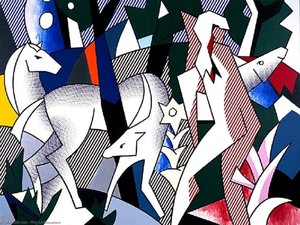
      Forest scene (1980) čiji je Рој Ликтенстајн
      #37

      Forest scene

      1980

      In the vast landscape of twentieth-century art, few works capture the tension between commercial aesthetics and natural majesty quite like Roy Lichtenstein’s “Forest Scene.” Created in 1980, this…

      Bauhaus stairway (1989) čiji je Рој Ликтенстајн
      #38

      Bauhaus stairway

      1989

      Bauhaus Stairway: A Dialogue Between Architecture and Pop Art Roy Lichtenstein’s *Bauhaus Stairway* (1989) stands as a fascinating testament to the artist's ability to synthesize seemingly disparate influences—the…

      Братта (1962) čiji je Рој Ликтенстајн
      #39

      Братта

      1962

      Roy Fox Lichtenstein, rođen 27. oktobra 1923. godine u živopisnom gradu Novom Meksiku, ostavio je nezaboravno mesto u istoriji umetnosti XX veka. Kao jedan od glavnih predstavnika Pop…

      Polovina Lica sa Košuljicom (1963) čiji je Рој Ликтенстајн
      #40

      Polovina Lica sa Košuljicom

      1963

      A Bold Declaration in Red and White: Decoding Lichtenstein’s ‘Half Face with Collar’ Roy Lichtenstein-ova dela iz 1963. godine, *Polovina Lica sa Jaknom*, više je od samo portreta;…

      Coast Village (1987) čiji je Рој Ликтенстајн
      #41

      Coast Village

      1987

      In the vibrant tapestry of twentieth-century art, few works capture the intersection of mass media aesthetics and serene natural beauty as effectively as Roy Lichtenstein’s “Coast Village.” Created…

      Art (1962) čiji je Рој Ликтенстајн
      #42

      Art

      1962

      In the pantheon of twentieth-century masterpieces, few works possess the immediate, arresting power of Roy Lichtenstein’s 1962 creation, “Art.” At first glance, the piece presents a deceptively simple…

      Lić (zeleni nos) (1986) čiji je Рој Ликтенстајн
      #43

      Lić (zeleni nos)

      1986

      A Bold Portrait of Modern Identity: Roy Lichtenstein’s *Face (green nose)* Roy Lichtenstein's 1986 oil on canvas, *Face (green nose)*, je izvanredan primjer zrelog stila umjetnika i njegove…

      Spavajuća Devojka (1964) čiji je Рој Ликтенстајн
      #44

      Spavajuća Devojka

      1964

      Platno iz 1964. godine, "Spavajuća Devojka" Rajoja Liktenštajna, više je od samo portreta mirovanja; predstavlja ključni trenutak u razvoju Pop Art pokreta i kompleksnu eksploraciju ženskosti, ranjivosti i…

      Collage for Landscape with Scholar's Rock čiji je Рој Ликтенстајн
      #45

      Collage for Landscape with Scholar's Rock

      In the mid-1960s, the art world underwent a seismic shift, moving away from the heavy, introspective shadows of Abstract Expressionism toward the bright, unapologetic energy of Pop Art.…

      Ruševine (1965) čiji je Рој Ликтенстајн
      #46

      Ruševine

      1965

      U prostranom pejzažu umetnosti dvadesetog veka, malo koji rad tako dirljivo beleži tenziju između večnog i prolaznog kao što to čini "Ruševine" Roj Lichtenštajna, naslikane 1965. godine. Ovo…

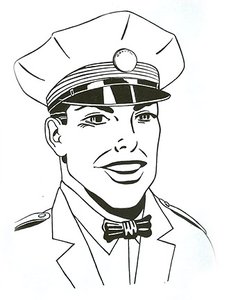
      Jet pilot čiji je Рој Ликтенстајн
      #47

      Jet pilot

      Roy Lichtenstein's 1962 graphite pencil drawing, “Jet Pilot,” is more than just a depiction of an aviator; it’s a meticulously crafted distillation of the anxieties and aspirations surrounding…

      Cathedral -6 State II (1969) čiji je Рој Ликтенстајн
      #48

      Cathedral -6 State II

      1969

      In the vibrant landscape of 1969, Roy Lichtenstein unveiled Cathedral -6 State II, an arresting testament to the transformative power of Pop Art. This artwork is far more…

      Glass and lemon in a mirror (1974) čiji je Рој Ликтенстајн
      #49

      Glass and lemon in a mirror

      1974

      In the vibrant landscape of twentieth-century art, few works capture the playful intersection of everyday reality and graphic illusion as masterfully as Roy Lichtenstein’s “Glass and lemon in…

      The hero's return (1950) čiji je Рој Ликтенстајн
      #50

      The hero's return

      1950

      The painting is a colorful and detailed depiction of a man holding a bow and arrow while standing next to two other people. The man with the bow…

      Landscape (1964) čiji je Рој Ликтенстајн
      #51

      Landscape

      1964

      The painting titled Landscape is a work by Roy Lichtenstein from 1964. The composition features a blue sky with white clouds, depicting a sunny day. In the foreground,…

      The kiss (1962) čiji je Рој Ликтенстајн
      #52

      The kiss

      1962

      Roy Lichtenstein's "The Kiss," painted in 1962, isn’t merely a depiction of romance; it’s a carefully constructed explosion of Pop Art sensibilities. This iconic work immediately grabs the…

      Stretcher Frame with Cross Bars III (1968) čiji je Рој Ликтенстајн
      #53

      Stretcher Frame with Cross Bars III

      1968

      Roy Lichtenstein, a prominent figure in the Pop Art movement, created Stretcher Frame with Cross Bars III in 1968. This painting is a quintessential example of his unique…

      Reflections Wonder Woman (1989) čiji je Рој Ликтенстајн
      #54

      Reflections Wonder Woman

      1989

      Roy Lichtenstein's "Reflections Wonder Woman," painted in 1989, isn’t merely a depiction of the iconic superhero; it’s a masterful distillation of Pop Art principles—a deliberate provocation and celebration…

      Kiss čiji je Рој Ликтенстајн
      #55

      Kiss

      Рој Лихтенштајн и Симболика Обичне Кисе Рој Лихтенштајн, рођен 27. октобра 1923. године у живописном граду Новом Мексику, оставио је незаборавно место у историји umetности XX века. Као…

      Baked potato (1962) čiji je Рој Ликтенстајн
      #56

      Baked potato

      1962

      Roy Fox Lichtenstein's "Baked Potato," painted in 1962, isn’t merely a depiction of a simple culinary item; it’s a masterful distillation of Pop Art’s core tenets—boldness, irony, and…

      Mr. Bellamy (1961) čiji je Рој Ликтенстајн
      #57

      Mr. Bellamy

      1961

      Background and Description Mr. Bellamy, a seminal work by Roy Lichtenstein, embodies the quintessence of pop art, blending humor and satire with the familiar tropes of comic books.…

      Bathroom (1961) čiji je Рој Ликтенстајн
      #58

      Bathroom

      1961

      In the vast landscape of twentieth-century art, few works possess the immediate, graphic punch of Roy Lichtenstein’s 1961 masterpiece, "Bathroom." At first glance, the viewer is presented with…

      Silver Frame (1984) čiji je Рој Ликтенстајн
      #59

      Silver Frame

      1984

      In the mid-1980s, the art world found itself captivated by a resurgence of energy that looked backward to move forward, and at the heart of this movement stood…

      Полица - 7 (1970) čiji je Рој Ликтенстајн
      #60

      Полица - 7

      1970

      A Window into Pop Reflection: Decoding Roy Lichtenstein’s ‘Mirror - 7’ Roy Lichtenstein-ova “Mirror – 7”, nastala 1970. године, је више од само апстрактне композиције; то је играва…

      Bedroom at Arles (1992) čiji je Рој Ликтенстајн
      #62

      Bedroom at Arles

      1992

      In the vast tapestry of art history, few encounters are as intellectually stimulating as Roy Lichtenstein’s 1992 masterpiece, Bedroom at Arles. This work is far more than a…

      Refrigerator (1962) čiji je Рој Ликтенстајн
      #63

      Refrigerator

      1962

      A Quintessential Lichtenstein: Exploring “Refrigerator” (1962) “Refrigerator,” created in 1962 by Roy Lichtenstein, is a striking example of the artist’s pioneering contribution to the Pop Art movement. This…

      Modular Painting with Nine Panels (1968) čiji je Рој Ликтенстајн
      #64

      Modular Painting with Nine Panels

      1968

      A Symphony of Structure: Deconstructing Lichtenstein’s ‘Modular Painting with Nine Panels’ Roy Lichtenstein's “Modular Painting with Nine Panels,” created in 1968, stands as a compelling testament to the…

      The Atom (1975) čiji je Рој Ликтенстајн
      #65

      The Atom

      1975

      Roy Lichtenstein’s “The Atom,” painted in 1975, is more than just a depiction of geometric shapes; it’s a carefully constructed explosion of Pop Art’s core tenets. This striking…

      House III (1997) čiji je Рој Ликтенстајн
      #66

      House III

      1997

      In the twilight of his illustrious career, Roy Lichtenstein turned his gaze toward one of the most enduring symbols of the American psyche: the suburban home. House III,…

      Bull Head III (1973) čiji je Рој Ликтенстајн
      #67

      Bull Head III

      1973

      In the vibrant landscape of twentieth-century art, few images command attention with such immediate, graphic authority as Roy Lichtenstein’s Bull Head III. At first glance, the viewer is…

      Donald Duck (1957) čiji je Рој Ликтенстајн
      #68

      Donald Duck

      1957

      The paper holds a sudden, frantic energy as Donald Duck stares out from a world of heavy, dark lines. There is no stillness here; instead, the charcoal moves…

      No - Nox (1962) čiji je Рој Ликтенстајн
      #69

      No - Nox

      1962

      Roy Lichtenstein's 1962 work, "No – Nox," isn’t a painting in the traditional sense; it’s a meticulously crafted graphic statement. Immediately arresting is its monochrome palette—a stark black…

      Washington crossing delaware (1951) čiji je Рој Ликтенстајн
      #70

      Washington crossing delaware

      1951

      Washington Crossing Delaware: A Pop Art Reinterpretation of History Roy Lichtenstein’s *Washington Crossing Delaware* stands as a pivotal artwork, encapsulating the spirit of Pop Art while simultaneously interrogating…

      Crvena Slika (Šrafkastost) (1965) čiji je Рој Ликтенстајн
      #71

      Crvena Slika (Šrafkastost)

      1965

      A Deceptive Simplicity: Unveiling Roy Lichtenstein’s ‘Red Painting (Brushstroke)’ Roy Lichtensteinova ‘Crvena Slika (Šrafica)’ iz 1965. godine, na prvi pogled, predstavlja vežbu u jarkoj kromatskoj redukciji. Vibrantna crvena…

      Artist's Studio "Foot Medication" (1974) čiji je Рој Ликтенстајн
      #72

      Artist's Studio "Foot Medication"

      1974 · Art Institute of Chicago

      The eye enters a space that feels both expansive and strangely compressed, a large-scale interior where the walls are composed of overlapping rectangular planes. There is no traditional…

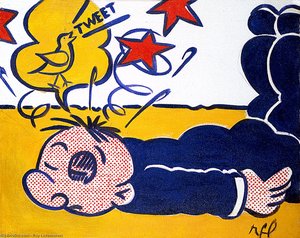
      Wimpy (Tweet) (1961) čiji je Рој Ликтенстајн
      #73

      Wimpy (Tweet)

      1961

      In the annals of twentieth-century art, few images possess the jarring, immediate power of Roy Lichtenstein’s 1961 masterpiece, "Wimpy (Tweet)." At first glance, the viewer is confronted with…

      Mao (1971) čiji je Рој Ликтенстајн
      #74

      Mao

      1971

      Snažna izjava u monokromiji: Istraživanje Lichtensteinovog dela „Mao” Slika „Mao”, koju je Roy Lichtenstein izveo 1971. godine, stoji kao upečatljiv simbol angažmana Pop art pokreta prema popularnoj kulturi…

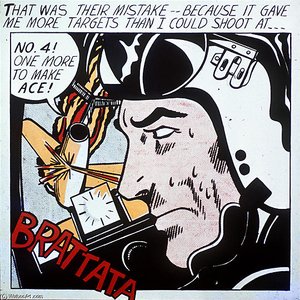
      Brattata (1962) čiji je Рој Ликтенстајн
      #75

      Brattata

      1962

      The Electric Pulse of Pop Art: Reimagining Brattata Brattata, a 1962 masterpiece by the visionary Roy Lichtenstein, serves as a thunderous declaration of the power inherent in popular…

      2 jabuke (1981) čiji je Рој Ликтенстајн
      #76

      2 jabuke

      1981

      A Bite of Pop: Decoding Lichtenstein’s “2 Apples” Рој Лихтенштајн-ова "2 apples", креирана 1981. године, је децењиво једноставан рад који сакупља основне принципе његовом слављеном стилу Поп арт-а.…

      The Cowboy (Red) (1951) čiji je Рој Ликтенстајн
      #77

      The Cowboy (Red)

      1951

      Roy Lichtenstein’s “The Cowboy (Red)” isn't merely a painting; it’s an explosion of color, a deliberate provocation, and a masterful distillation of the Pop Art movement’s core tenets.…

      Glass (1977) čiji je Рој Ликтенстајн
      #78

      Glass (1977)

      In his 1977 masterpiece, Glass, Roy Lichtenstein invites us to pause and reconsider the mundane objects that populate our daily lives. At first glance, the painting presents a…

      Live ammo (Ha! Ha! Ha!) (1962) čiji je Рој Ликтенстајн
      #79

      Live ammo (Ha! Ha! Ha!)

      1962

      In the landscape of twentieth-century art, few works capture the electric pulse of mid-century Americana as vibrantly as Roy Lichtenstein’s Live Ammo (Ha! Ha! Ha!). Created in 1962,…

      Preparedness (1968) čiji je Рој Ликтенстајн
      #80

      Preparedness

      1968

      In the vast landscape of twentieth-century art, few works capture the tension between mechanical precision and cultural anxiety as poignantly as Roy Lichtenstein’s 1968 masterpiece, Preparedness. This painting…

      Crying Girl (1963) čiji je Рој Ликтенстајн
      #81

      Crying Girl

      1963

      A Pop Art Icon: Exploring Roy Lichtenstein’s ‘Crying Girl’ Subject & Composition: This striking artwork is a faithful reproduction of Roy Lichtenstein's seminal 1963 work, ‘Crying Girl.’ The…

      Sailboats (1985) čiji je Рој Ликтенстајн
      #82

      Sailboats

      1985

      In the grand tapestry of twentieth-century art, few works capture the sun-drenched optimism of the American spirit quite like Roy Lichtenstein’s “Sailboats.” Completed in 1985, this masterpiece serves…

      Live ammo (1962) čiji je Рој Ликтенстајн
      #83

      Live ammo

      1962

      A Burst of Action: Decoding Roy Lichtenstein’s “Live Ammo” “Live Ammo,” created in 1962 by Pop Art master Roy Lichtenstein, is a dynamic and visually arresting work that…

      Interior with mobile čiji je Рој Ликтенстајн
      #84

      Interior with mobile

      A Sanctuary of Graphic Serenity In the quiet corners of Roy Lichtenstein’s Interior with Mobile, one finds a profound meditation on domestic peace. The painting invites the viewer…

      Despair (1979) čiji je Рој Ликтенстајн
      #85

      Despair

      1979

      In the pantheon of twentieth-century masterpieces, few works capture the intersection of mass media aesthetics and raw human vulnerability as poignantly as Roy Lichtenstein’s “Despair.” Created in 1979,…

      Magnifying glass (1963) čiji je Рој Ликтенстајн
      #86

      Magnifying glass

      1963

      A Window into Lichtenstein’s Pop Art Vision Roy Lichtenstein, born in Manhattan on October 27, 1923, irrevocably transformed the trajectory of twentieth-century art. His journey began with a…

      Two Green Apples (1980) čiji je Рој Ликтенстајн
      #87

      Two Green Apples

      1980

      A Pop Icon’s Subtle Still Life: Exploring Lichtenstein's "Two Green Apples" Roy Lichtenstein, a titan of the Pop Art movement, is overwhelmingly known for his bold, comic-inspired paintings.…

      That my ship was below them (1964) čiji je Рој Ликтенстајн
      #88

      That my ship was below them

      1964

      A Burst of Action: Decoding Roy Lichtenstein’s “That my ship was below them…” “That my ship was below them…” (1964), is a quintessential example of Roy Lichtenstein's groundbreaking…

      Brustrokes (1970) čiji je Рој Ликтенстајн
      #89

      Brustrokes

      1970

      In the vibrant landscape of twentieth-century American art, few works capture the electric pulse of popular culture quite like Roy Lichtenstein’s “Brustrokes.” Completed in 1970, this painting serves…

      Telaviv mural (1989) čiji je Рој Ликтенстајн
      #90

      Telaviv mural

      1989

      In the vibrant tapestry of twentieth-century art, few works command attention with such playful yet profound intensity as Roy Lichtenstein’s "Tel Aviv Mural." Completed in 1989, this striking…

      Collage for Nude (1997) čiji je Рој Ликтенстајн
      #91

      Collage for Nude

      1997

      Roy Lichtenstein's "Collage for Nude," created in 1997, isn’t merely a painting; it’s a carefully constructed dialogue between the familiar and the unsettling. This work, rendered in oil…

      Modular painting with four panels, #1 (1969) čiji je Рој Ликтенстајн
      #92

      Modular painting with four panels, #1

      1969 · Museum Ludwig

      Sinfonija Kruga: Dekonstrukcija Pop Art-a sa "Modular Painting #1" Roja Lihtenštejna Roy Fox Lichtenstein, jedan od najznačajnijih umetnika 20. veka, svojim radom “Modular Painting #1” (1969) ostavio je…

      Small explosion (1965) čiji je Рој Ликтенстајн
      #93

      Small explosion

      1965

      Roy Lichtenstein’s “Small Explosion,” painted in 1965, is more than just a depiction of a red circle; it’s a meticulously crafted detonation of Pop Art principles. This deceptively…

      I Love Liberty (1982) čiji je Рој Ликтенстајн
      #94

      I Love Liberty

      1982

      A Pop Icon Reimagined: Roy Lichtenstein’s “I Love Liberty” “I Love Liberty,” created in 1982 by master of Pop Art, Roy Lichtenstein, is a striking and dynamic reinterpretation…

      Woman (1981) čiji je Рој Ликтенстајн
      #95

      Woman

      1981

      A Dynamic Embrace: Decoding Lichtenstein’s ‘Woman’ (1981) This vibrant artwork by Roy Lichtenstein, created in 1981, is a quintessential example of his enduring Pop Art style. It depicts…

      Collage for Woman with Mirror (1996) čiji je Рој Ликтенстајн
      #96

      Collage for Woman with Mirror

      1996

      In the vast landscape of twentieth-century art, few names command as much immediate recognition as Roy Lichtenstein. His 1996 masterpiece, Collage for Woman with Mirror, serves as a…

      Drawing for Seductive Girl (1996) čiji je Рој Ликтенстајн
      #97

      Drawing for Seductive Girl

      1996

      This artwork is a drawing of a woman lying on her back with one leg raised in the air. She is depicted wearing a dress and has long…

      Collage for Interior with Ajax (1997) čiji je Рој Ликтенстајн
      #98

      Collage for Interior with Ajax

      1997

      Collage for Interior with Ajax is a painting created in 1997. The composition features a woman holding a vase up to her face, appearing to examine its contents…

      Mirror - 2 (1970) čiji je Рој Ликтенстајн
      #99

      Mirror - 2

      1970

      A Reflection on Modernity: Decoding Roy Lichtenstein’s “Mirror - 2” Roy Lichtenstein's "Mirror – 2," created in 1970, is not merely an image *of* a mirror, but rather…

      Art Critic (1996) čiji je Рој Ликтенстајн
      #100

      Art Critic

      1996

      The Stark Beauty of Pop: Roy Lichtenstein’s “Art Critic” Roy Lichtenstein's "Art Critic," painted in 1996, isn’t merely a portrait; it’s an arresting collision of styles and ideas…

      Platna umetnika Рој Ликтенстајн po periodima

      Šta je Рој Ликтенстајн najčešće slikao

      Četiri teme koje se najčešće pojavljuju na ovim platnima, svaka sa svojim najomiljenijim primerom.

      Gde se nalaze platna umetnika Рој Ликтенстајн

      2 muzeja u kojima se nalazi najviše slika sa ove stranice.

      Muzej Grad Radovi umetnika Рој Ликтенстајн Slike iz ovog spiska
      Art Institute of Chicago, ČikagoArt Institute of Chicago Čikago 4 Artist's Studio "Foot Medication"
      Museum Ludwig, KelnuMuseum Ludwig Kelnu 1 Modular painting with four panels, #1

      Najpoznatije platno umetnika Рој Ликтенстајн, deceniju za decenijom

      1. 1950s
        The hero's return (1950) čiji je Рој Ликтенстајн
        50 od 100

        The hero's return

        Godine 27 – 36

        The painting is a colorful and detailed depiction of a man holding a bow and arrow while standing next to two other people. The man with the bow…

      2. 1960s
        Vam! (1963) čiji je Рој Ликтенстајн
        Platno 1 od 100

        Vam!

        Godine 37 – 46

        Roy Lichtensteinova godina 1963. je remek-delo, "Whaam!", više od pukog prikaza vazdušne borbe; to je snažan komentar na odmaknutu, stilizovanu reprezentaciju nasilja koja je bila prisutna u američkoj…

      3. 1970s
        Stilski život sa zlatnim ribama (i slika golf loptice) (1972) čiji je Рој Ликтенстајн
        26 od 100

        Stilski život sa zlatnim ribama (i slika golf loptice)

        Godine 47 – 56

        Pop Art Still Life: Dekonstrukcija Domastičnosti u Kompoziciji Lichtensteina iz 1972. godine Still Life with Goldfish (and Painting of Golf Ball) Roja Lichtensteina je esencijalan primer njegovog potpisanog…

      4. 1980s
        Bez naslova Roy Lichtenstein ^ Gian Franco Gorgoni (1988) (1988) čiji je Рој Ликтенстајн
        Rangiran/a 10 od 100

        Bez naslova Roy Lichtenstein ^ Gian Franco Gorgoni (1988)

        Godine 57 – 66

        Subjekat i kompozicija Ovo očaravajuće umetničko delo majstorski dočarava usamljenog jahača na konju koji preseca miran morski pejzaž u sumrak. Silueta jahača i konja stoji u oštrom kontrastu…

      5. 1990s
        ГОЛА СА ПЛАВОМ КОС de (1994) čiji je Рој Ликтенстајн
        12 od 100

        ГОЛА СА ПЛАВОМ КОС de

        Godine 67 – 74

        Subjekat i kompozicija Ovo upečatljivo umetničko delo dočarava stilizovani portret žene očaravajuće plave kose, prikazane kroz smelu i grafičku estetiku. Direktni pogled subjekta i blago provokativan izraz lica…

      Platna umetnika Рој Ликтенстајн, odgovor po odgovor

      Po kojem platnu je Рој Ликтенстајн najpoznatiji?Pročitajte odgovor

      Vam! (1963), a zatim Drowning girl oversize - (1600) i Look Mickey (1961).

      Vam!: koliko je godina imao/la Рој Ликтенстајн kada je ovo delo nastalo?Pročitajte odgovor

      Рој Ликтенстајн, rođen/a 1923, imao/la je 40 godina: Vam! datira iz 1963.

      Koja su deset najpoznatijih platna umetnika Рој Ликтенстајн?Pročitajte odgovor

      Vam!, Drowning girl oversize -, Look Mickey, Дингвонг Ирл, Ženska sa loparom, Torpedo...LOS!, Roto Broil, Рој Лихтенштајн 172 x 203 cm Комикс, америчка потрошена култура Поп арт, вероватно штампање на екрану или акрил на платно Поп арт Стил комикса, јаке линије, експлозивне боје, стилизована пуцалац, звук "БЛЕМ" Графички, карикатурен, висок контраст, ра, Bum i Bez naslova Roy Lichtenstein ^ Gian Franco Gorgoni (1988). Svako platno u gornjem rangiranju sadrži godinu nastanka i naziv muzeja.

      Koliko je slika stvorio/la Рој Ликтенстајн?Pročitajte odgovor

      U našem katalogu se nalazi 382 dela umetnika Рој Ликтенстајн, datiranih od 1950 do 1997.

      Gde se danas nalaze najpoznatija platna umetnika Рој Ликтенстајн?Pročitajte odgovor

      Većinom u Art Institute of Chicago (Čikago) i Museum Ludwig (Kelnu); gornja lista navodi svaki muzej i njegova platna.

      Kada je Рој Ликтенстајн naslikao svoje najpoznatije platna?Pročitajte odgovor

      U 1960s, koji obuhvata 55 od 100 dela na ovoj stranici, među njima je i Vam!.

      Koje je čuveno platno umetnika Рој Ликтенстајн nastalo prvo, a koje poslednje?Pročitajte odgovor

      Najstarije platno ovde je iz The hero's return (1950) godine; najnovije je iz House III (1997) godine.

      Koje je motive Рој Ликтенстајн najčešće slikao?Pročitajte odgovor

      Pop art (32), Ben-day dots (20) i Geometric shapes (13), kroz svih 100 dela na ovoj stranici.

      Koji se medij najčešće pojavljuje u delima umetnika Рој Ликтенстајн?Pročitajte odgovor

      Akril na platnu, korišćeno u 25 od 100 dela na ovoj stranici.

      Sa kojim umetničkim pravcem je Рој Ликтенстајн povezan/a?Pročitajte odgovor

      Поп арт, kao što pokazuju platna na ovoj stranici.

      Upoznajte umetnika: Рој Ликтенстајн

      The Life of Roy Lichtenstein

      Manhattan, New York City, October 27, 1923. Roy Lichtenstein enters the world as the son of Milton and Beatrice. The urban energy of the metropolis provides the backdrop for a life that will eventually challenge the boundaries of fine art. He grows up in an upper-middle-class Jewish family, absorbing the cultural rhythms of the city through museums and jazz music.

      The trajectory of his career shifts during the mid-twentieth century. He emerges as a leading figure of the Pop Art movement, a period defined by a radical departure from the heavy, emotional brushwork of Abstract Expressionism. Instead of looking inward, he looks outward at the glossy, mechanical surfaces of American mass culture. He finds his subject matter in the most overlooked corners of daily life: the dramatic panels of comic books and the stark, repetitive patterns of commercial advertising.

      His work transforms the ephemeral language of print into something monumental. By adopting the visual shorthand of the masses, he forces a confrontation between high-end gallery prestige and the everyday pulse of the street. His presence in the art world is marked by a deliberate detachment, using the very tools of industrial reproduction to redefine what a painting can be.

      Early Life, Family and Training

      Manhattan, 1923. The city provides the backdrop for Roy Fox Lichtenstein's arrival into an upper-middle-class Jewish family. His father, Milton, works as a real estate broker, while his mother, Beatrice, a trained pianist, introduces him to the cultural rhythms of New York. These early years are marked by a dual immersion in the visual and the auditory; he spends his childhood exploring museums and attending concerts, developing a deep appreciation for jazz music that persists throughout his life.

      The trajectory shifts toward formal discipline in 1939. He enters the Art Students League of New York, placing himself under the instruction of Reginald Marsh. Here, the focus remains on the fundamentals of drawing and painting. He moves from these early explorations toward higher education, enrolling at Ohio State University to pursue a degree in fine arts. This academic foundation provides the technical rigor that will eventually underpin his later, more radical departures from traditional representation.

      Military Service and Return to Study

      The trajectory of Lichtenstein's education shifts abruptly in 1943. The draft pulls him from the classroom and into the United States Army. For two years, the focus moves from the studio to the front lines of Europe. He serves in France, Belgium, and Germany, navigating the chaos of the war years between 1943 and 1945. During this period, he works as an orderly, a draftsman, and an artist, sketching the reality of his surroundings while the conflict reaches its peak.

      The war ends, but the transition back to civilian life is not immediate. After the cessation of hostilities in 1945, Lichtenstein remains in France for a time, intending to study at the Sorbonne. This plan dissolves when his father becomes gravely ill, forcing a return to the United States. He heads back to Ohio State University to finish what he started. By 1946, he completes his BFA, ready to re-enter the professional art world as a trained practitioner.

      Teaching Career and Early Works

      The post-war years find Lichtenstein navigating the academic landscape of the American Midwest and East Coast. He serves as an art instructor at Ohio State University, a position he holds on and off for a decade. During this period, his creative output shifts. He moves away from the heavy, emotional brushwork of Abstract Expressionism. Instead, he begins to experiment with Cubist interpretations and lyrical works inspired by the Bayeux Tapestry. He also explores Western themes, producing series of drawings and paintings that reflect a growing interest in stylized, printed imagery.

      The transition toward a more graphic language accelerates through his various academic appointments. In 1957, he moves to the State University of New York, Oswego, to teach industrial design. This role coincides with a period of intense experimentation. He begins to combine cartoon characters, such as Mickey Mouse and Donald Duck, with abstract backgrounds. This hybrid approach marks a departure from traditional fine art. He later serves as an assistant professor at Douglass College, Rutgers, State University of New Jersey, and as an assistant professor at SUNY Oswego. These academic environments provide the stability for him to refine a visual language that rejects the texture of traditional painting in favor of something more mechanical and detached.

      Technique and Signature Style

      The canvas becomes a site of mechanical precision. Lichtenstein strips away the visible brushstroke, replacing the artist's hand with the cold, calculated language of mass production. He adopts the aesthetics of comic books and advertising, utilizing bold, primary colors and heavy black outlines to define his subjects. The imagery feels detached, mimicking the flat, impersonal quality of a printed page rather than a hand-painted surface.

      Texture is achieved through a deliberate, systematic application of Ben-Day dots. These small, colored circles create shading and gradations, replicating the look of cheap commercial printing. He does not paint these dots individually. Instead, he uses stencils made of thin plastic or metal, sweeping a brush or rag across the surface to ensure a uniform, machine-made appearance. This technique turns the act of painting into a process of reproduction, blurring the line between fine art and industrial output.

      Key Works and Iconic Paintings

      The shift toward his signature style arrives in 1961 with Look Mickey. Here, the appropriation of a Disney character marks a departure from his earlier abstract experiments. He moves away from the heavy, emotional brushwork of the previous decade, opting instead for the mechanical clarity of the comic strip. The work functions as a bridge, translating the language of pulp fiction into a formal, large-scale composition.

      By 1963, the scale of his visual interrogation expands. Whaam! explodes across the canvas, utilizing the dramatic, fragmented panels of war comics to capture a moment of high-octane violence. Simultaneously, Drowning Girl presents a different kind of tension. It focuses on a woman submerged in water, her face marked by stylized tears and a speech bubble that expresses a sense of personal defiance. These works do not merely depict scenes; they freeze the melodrama of mass media into static, graphic objects.

      The 1964 painting Nurse continues this exploration of the romantic and the dramatic. It utilizes the same high-contrast outlines and Ben-Day dots that define his most recognized period. The subject, a nurse from a comic romance novel, is rendered with a detachment that emphasizes the artificiality of the source material. His output during this era remains focused on the intersection of human emotion and industrial reproduction.

      Later Years and Death

      The 1960s brought a shift in his personal life when he married Dorothy Herzka in 1968. This period saw him continuing to produce a vast body of work, expanding his reach through various mediums. His output remained prolific, spanning over five thousand works including paintings, sculptures, and murals. He moved beyond the initial shock of his comic-inspired style to explore more complex compositions, including series that referenced classical art and landscapes.

      The end came abruptly in the late 1990s. In August 1997, he contracted pneumonia. The illness proved too much for his system. He died from complications of the infection on September 29, 1997. He was 73 years old.

      Legacy and Lasting Impact

      The boundaries between high art and popular culture dissolve in the wake of his influence. By lifting the visual language of comic strips and advertising into the gallery, he forced a confrontation between fine art and the mass-produced imagery of everyday life. This shift did more than change the subject matter of painting; it challenged the very definition of artistic authorship and originality. His work remains a catalyst for critical dialogue regarding the intersection of art, culture, and commerce.

      His presence is felt in major museum collections worldwide. From the halls of the Tate in London to the Museum of Modern Art in New York, his aesthetic remains a fundamental part of the modern canon. The impact of his method extends into graphic design, illustration, and contemporary digital art, where the tension between the mechanical and the hand-painted continues to resonate. He did not merely participate in the Pop Art movement; he helped originate it, establishing a visual vocabulary that remains a primary reference point for how we consume images in a media-saturated age.

      Sva 382 dela umetnika Рој Ликтенстајн →