Atelje — Besplatna dostava širom sveta — Rok isporuke: 2–6 nedelja
      Тео Ван Риселберг, 1862 – 1926

      Тео Ван Риселберг: 100 najpoznatijih dela

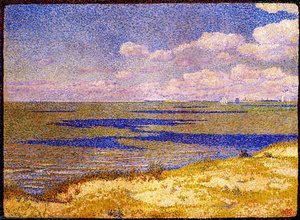
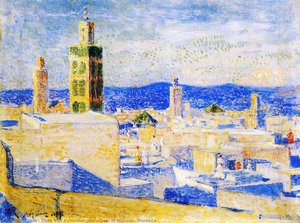
      Od svih slika umetnika Тео Ван Риселберг, View of Meknes, Morocco (1888) je najpoznatija. Odmah za njima su The Scheldt upstream from Antwerp: After the Fog (1892) i Man at the Helm (1892). Od 325 dela umetnika Тео Ван Риселберг u našem katalogu, ovih 100 su najpoznatija, a svako od njih prikazano je sa datumom nastanka, muzejom i pričom.

      Rangirano prema našem koeficijentu popularnosti, koji kombinuje pretrage, posete i porudžbine za svako delo. Ažurirano октобар 2026. Svaku sliku sa ove stranice možete naručiti kao ručno oslikano ulje na platnu od lana ili kao umetnički print, izrađen u dimenzijama koje sami odaberete.

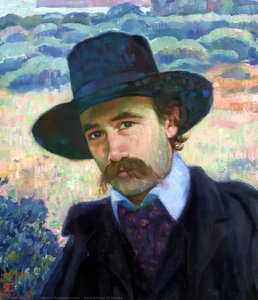
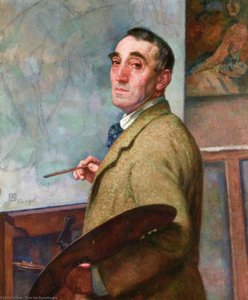
      Portret Тео Ван Риселберг
      Тео Ван Риселберг · 1862 – 1926
      Rođen · umro
      1862 – 1926, Гент
      Pokret
      Pointillism
      Radovi u našem katalogu
      325
      Najpoznatije
      View of Meknes, Morocco (1888)
      Najviše dela u
      Kröller-Müller Museum

      10 najpoznatijih dela umetnika Тео Ван Риселберг

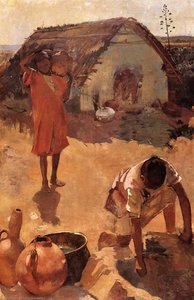
      View of Meknes, Morocco (1888) čiji je Тео Ван Риселберг
      1

      View of Meknes, Morocco

      1888 · Oil On Canvas

      To gaze upon this view of Meknes, Morocco, is to step through a veil into a sun-drenched memory, rendered with the luminous touch of late 19th-century mastery. The scene unfolds as a breathtaking, panoramic vista, capturing not merely the architecture but the very atmosphere of an exotic locale. Dominating the composition are the graceful silhouettes of minarets and buildings, which rise against a sky steeped in profound blues. This is…

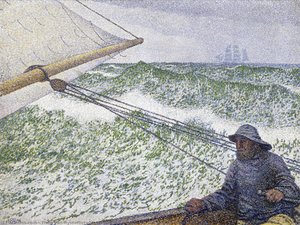
      Man at the Helm (1892) čiji je Тео Ван Риселберг
      3

      Man at the Helm

      1892 · Oil On Canvas · Musée d'Orsay, Pariz

      The canvas captures a moment of maritime tension through the rigorous application of Divisionism. Rather than blending pigments on the palette, the artist employs small, distinct dots of pure color that coalesce in the viewer's eye. This technique creates a shimmering luminosity across the surface, particularly where the light hits the crests of the choppy, turbulent waves. The composition is defined by strong diagonal lines, with the boat stretching from…

      Swimmer Resting (1922) čiji je Тео Ван Риселберг
      4

      Swimmer Resting

      1922 · Oil On Canvas

      The oil painting titled Swimmer Resting was created in 1922. This work is attributed to the Belgian painter Theo van Rysselberghe. The artist, who was born in Ghent in 1862, produced this piece during the final decade of his life.

      Fountain at Sans-Souci, Potsdam (1903) čiji je Тео Ван Риселберг
      5

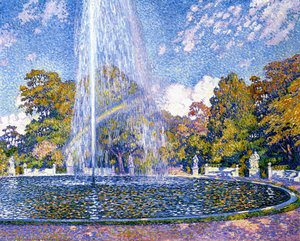
      Fountain at Sans-Souci, Potsdam

      1903 · Acrylic On Canvas · Bayerische Staatsgemaldesammlungen, Minhen

      The Legacy of Light: Exploring Theo van Rysselberghe’s “Fountain at Sanssouci” Theo van Rysselberghe's "Fountain at Sanssouci," painted in 1903, stands as a cornerstone of Neo-Impressionism—a movement born from the rejection of Impressionistic idealism and fueled by a fervent desire to capture the tangible essence of light itself. Situated within the opulent Baroque gardens of Sanssouci Palace near Potsdam, Germany, this artwork transcends mere depiction; it embodies a philosophical quest…

      Femme nue devant le miroir (1905) čiji je Тео Ван Риселберг
      6

      Femme nue devant le miroir

      1905 · Pastel · Boca Raton Museum of Art, Boca Raton

      The artwork is a pastel-toned drawing depicting a nude woman seated in a room, seemingly observing herself in a mirror. The figure dominates the foreground, occupying most of the space, while the background is suggested rather than fully rendered. Lines define the form of the woman and the furniture, with organic shapes used for the body and drapery, and angular forms for the chair and mirror frame.

      Portrait of Auguste Perret (1914) čiji je Тео Ван Риселберг
      7

      Portrait of Auguste Perret

      1914 · Oil On Canvas · Musée d'Orsay, Pariz

      A dark bowler hat rests upon a head framed by a thick, dark beard. The man sits in a three-quarter view, his arms crossed against a dark suit jacket. He is a figure of stillness. His gaze is steady, directed forward with a composed, serious temperament. The light falls softly across the contours of his face, catching the texture of his mustache and the pale collar of his shirt. He…

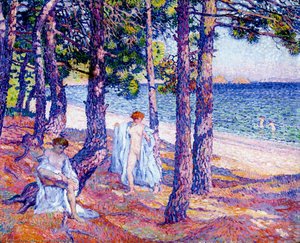
      In the Shade of the Pines (1905) čiji je Тео Ван Риселберг
      8

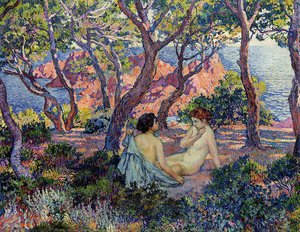
      In the Shade of the Pines

      1905 · Oil

      In the delicate dance of light and shadow, Théo van Rysselberghe’s 1905 masterpiece, In the Shade of the Pines, invites the viewer into a moment of profound tranquility. The painting captures a quiet, intimate scene where two women find respite beneath the sprawling branches of ancient trees. Set against a backdrop that suggests a coastal or lakeside retreat, the composition breathes with the freshness of a summer afternoon. One figure…

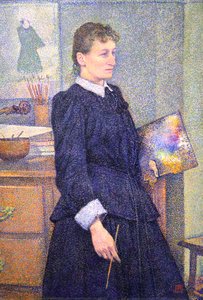
      Anna Boch in Her Studio (1893) čiji je Тео Ван Риселберг
      9

      Anna Boch in Her Studio

      1893 · Oil On Canvas

      In the quiet intimacy of an artist's sanctuary, Théo van Rysselberghe captures a profound moment of creative contemplation in Anna Boch in Her Studio. The painting presents us with a window into the late nineteenth-century art world, focusing on Anna Boch—a formidable figure in her own right as both an accomplished painter and a passionate collector. As she stands within her workspace, dressed in a sophisticated dark blue gown that…

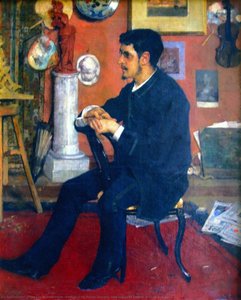
      Darío de Regoyos playing the guitar (1885) čiji je Тео Ван Риселберг
      10

      Darío de Regoyos playing the guitar

      1885 · Oil On Canvas · Музеј Прадо, Мадрид

      Step closer and observe the quiet intensity within this scene. We find ourselves in a private, shadowed space where the outside world seems to have fallen away. A bearded man sits deeply embedded in a large, high-backed chair, his body leaning slightly back as if surrendered to the rhythm of his instrument. His eyes are closed, suggesting a state of profound introspection or perhaps an emotional release found only through…

      Slika Тео Ван Риселберг rangirane od 11 do 100

      Èlisabeth Reading (1901) čiji je Тео Ван Риселберг
      #13

      Èlisabeth Reading

      1901

      In this quiet composition, titled Èlisabeth Reading, the artist Theo van Rysselberghe presents a focused study of a woman immersed in a moment of private contemplation. Created about…

      Naručite ovo platno →
      East Wind (1904) čiji je Тео Ван Риселберг
      #23

      East Wind

      1904

      The painting East Wind by Theo Van Rysselberghe is a beautiful representation of the ocean with waves crashing against rocks on the shore. Created in 1904, this piece…

      Naručite ovo platno →
      Madame Constantin Meunier (1882) čiji je Тео Ван Риселберг
      #24

      Madame Constantin Meunier

      1882 · Kraljevski muzej lepih umetnosti u Antverpenu

      The portrait titled Madame Constantin Meunier captures a quiet presence from the year about 1882. Theo van Rysselberghe rendered this formal likeness, focusing the gaze upon the subject…

      Naručite ovo platno →
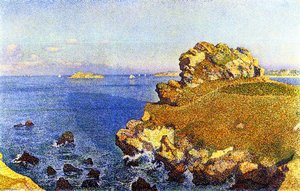
      Cap Bénat (1913) čiji je Тео Ван Риселберг
      #42

      Cap Bénat

      1913

      The painting "Cap Bénat" is a stunning post-impressionist piece created by the renowned artist Theo Van Rysselberghe in 1913. This beautiful artwork measures 81 x 100 cm and…

      Naručite ručno oslikano →
      Family in the Orchard (1890) čiji je Тео Ван Риселберг
      #51

      Family in the Orchard

      1890 · Kröller-Müller Museum

      Theo van Rysselberghe, a prominent Belgian Neo-Impressionist painter, created the enchanting piece titled Family in the Orchard in 1890. This captivating artwork is a testament to his skillful…

      Unesite ovu svetlost u svoj dom →
      Rainbow over Veere (1906) čiji je Тео Ван Риселберг
      #52

      Rainbow over Veere

      1906

      Theo van Rysselberghe's "Rainbow over Veere" is a captivating example of Pointillism, transporting viewers to a picturesque coastal town bathed in the vibrant hues of a rainbow. Painted…

      Naručite ručno oslikano →
      Rainbow (1892) čiji je Тео Ван Риселберг
      #55

      Rainbow

      1892 · Centraal Museum

      A Serene Coastal Vista: "Rainbow" by Theo van Rysselberghe Step into a tranquil moment captured on canvas in Theo van Rysselberghe's "Rainbow." This captivating painting transports the viewer…

      Naručite ovo platno →
      Renee Druet with violin (1910) čiji je Тео Ван Риселберг
      #56

      Renee Druet with violin

      1910

      Theo van Rysselberghe's "Renee Druet with violin," painted in 1910, is a captivating portrait that exemplifies the Post-Impressionist movement and showcases the artist’s mastery of Pointillism. This piece…

      Naručite ovo platno →
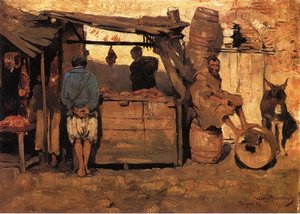
      Moroccan Butcher Shop (1882) čiji je Тео Ван Риселберг
      #57

      Moroccan Butcher Shop

      1882 · Muzej lepih umetnosti u Gentu

      Theo van Rysselberghe's "Moroccan Butcher Shop," painted in 1882, is a captivating post-impressionist work that transports viewers to the vibrant heart of Moroccan daily life. This oil on…

      Naručite ručno oslikano →
      Entrance to Volendam Harbour (1896) čiji je Тео Ван Риселберг
      #59

      Entrance to Volendam Harbour

      1896 · Музеј Тисен-Борнемиза

      Theo van Rysselberghe’s "Entrance to Volendam Harbour" transports the viewer directly to a moment suspended in time—a quintessential scene of coastal leisure. The painting captures the gentle rhythm…

      Unesite ovu svetlost u svoj dom →
      Nude Woman (1916) čiji je Тео Ван Риселберг
      #71

      Nude Woman

      1916

      Jackson Pollock’s paintings are no strangers to high prices at auction, and his Number 5 is no different. In November of 2006, Number 5, painted in Pollock’s unique…

      Naručite ručno oslikano →
      Spanish Woman (1881) čiji je Тео Ван Риселберг
      #73

      Spanish Woman

      1881

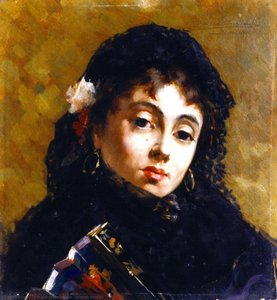
      A woman gazes directly at the viewer, her expression marked by a quiet, steady gravity. She is dressed in a dark, somber garment that absorbs the light, providing…

      Naručite ručno oslikano →
      Le Lavandou (1908) čiji je Тео Ван Риселберг
      #75

      Le Lavandou

      1908

      The painting Le Lavandou is a beautiful depiction of a field with sheep grazing in it, created by the renowned Belgian neo-impressionist painter Theo Van Rysselberghe in 1908.…

      Naručite ovo platno →
      Sunset (1916) čiji je Тео Ван Риселберг
      #77

      Sunset

      1916

      To stand before Theo van Rysselberghe’s Sunset is to step into a moment suspended between day and night, a breathtaking confluence of color rendered with meticulous devotion. This…

      Unesite ovu svetlost u svoj dom →
      Yellow Bouquet (1917) čiji je Тео Ван Риселберг
      #81

      Yellow Bouquet

      1917

      To gaze upon Theo van Rysselberghe's Yellow Bouquet is to step directly into a moment of vibrant, sun-drenched contemplation. This oil on canvas, painted in 1917, transcends the…

      Naručite ručno oslikano →
      Dahlias in a Vase (1907) čiji je Тео Ван Риселберг
      #82

      Dahlias in a Vase

      1907 · Harvard Art Museums

      In Dahlias in a Vase by Theo van Rysselberghe, we encounter a Post-Impressionist still life that centers entirely upon a lush bouquet of dahlias held within a glass…

      Naručite ručno oslikano →
      White Peonies (1913) čiji je Тео Ван Риселберг
      #84

      White Peonies

      1913

      In the delicate dance of light and shadow captured within White Peonies, we encounter one of the most tender moments in the career of Théo van Rysselberghe. Painted…

      Naručite ručno oslikano →
      Puzzuoli (Morning) (1909) čiji je Тео Ван Риселберг
      #86

      Puzzuoli (Morning)

      1909

      The painting Puzzuoli (Morning) by Theo Van Rysselberghe is a beautiful example of Post-Impressionism, a art movement that emerged in the late 19th century. Created in 1909, this…

      Naručite ručno oslikano →
      A Reading (1903) čiji je Тео Ван Риселберг
      #88

      A Reading

      1903 · Museum voor Schone Kunsten

      In the quiet, sun-drenched corners of Theo van Rysselberghe’s 1903 masterpiece, "A Reading," we are invited to step into a world where time seems to slow, suspended in…

      Naručite ručno oslikano →

      Platna umetnika Тео Ван Риселберг po periodima

      Šta je Тео Ван Риселберг najčešće slikao

      Četiri teme koje se najčešće pojavljuju na ovim platnima, svaka sa svojim najomiljenijim primerom.

      Gde se nalaze platna umetnika Тео Ван Риселберг

      8 muzeja u kojima se nalazi najviše slika sa ove stranice.

      Muzej Grad Radovi umetnika Тео Ван Риселберг Slike iz ovog spiska
      Kröller-Müller Museum, OtterloKröller-Müller Museum Otterlo 4 Family in the Orchard, Portrait of Constantin Meunier, Portrait of Madame V.R.
      Museum of Fine Arts Ghent (MSK), GentMuseum of Fine Arts Ghent (MSK) Gent 7 Portrait of a Girl, Still Life with Fruits, Armand Heins Painting Outdoors
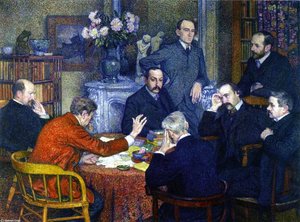
      Kraljevski muzeji fine umetnosti Belgije, BriselKraljevski muzeji fine umetnosti Belgije Brisel 4 Octave Maus Reading, The Promenade (also known as The Stroll, Women on the Beach), Fantasia Arabe
      Musée d'Orsay, ParizMusée d'Orsay Pariz 6 Man at the Helm, Portrait of Auguste Perret
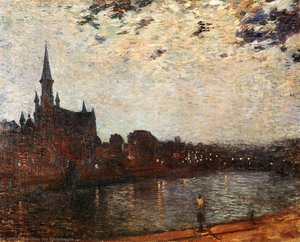
      Musée d'Ixelles, BrusselsMusée d'Ixelles Brussels 5 L'Eglise Sainte-Croix at Ixelles at Night, Summer Afternoon (also known as Apres-Midi d'ete)
      Музеј Тисен-Борнемиза, MadridМузеј Тисен-Борнемиза Madrid 4 Entrance to Volendam Harbour, The Mansur Gate in Meknes, Morocco
      Muzej lepih umetnosti u Gentu, GhentMuzej lepih umetnosti u Gentu Ghent 5 Moroccan Butcher Shop
      Centraal Museum, UtrechtCentraal Museum Utrecht 3 Rainbow

      Deceniju po deceniju: najpoznatije platno umetnika Тео Ван Риселберг

      1. 1880s
        View of Meknes, Morocco (1888) čiji je Тео Ван Риселберг
        1 od 100

        View of Meknes, Morocco

        Godine 18 – 27

        To gaze upon this view of Meknes, Morocco, is to step through a veil into a sun-drenched memory, rendered with the luminous touch of late 19th-century mastery. The…

      2. 1890s
      3. 1900s
        Fountain at Sans-Souci, Potsdam (1903) čiji je Тео Ван Риселберг
        Rangiran/a 5 od 100

        Fountain at Sans-Souci, Potsdam

        Godine 38 – 47 · Bayerische Staatsgemaldesammlungen

        The Legacy of Light: Exploring Theo van Rysselberghe’s “Fountain at Sanssouci” Theo van Rysselberghe's "Fountain at Sanssouci," painted in 1903, stands as a cornerstone of Neo-Impressionism—a movement born…

      4. 1910s
        Portrait of Auguste Perret (1914) čiji je Тео Ван Риселберг
        Platno 7 od 100

        Portrait of Auguste Perret

        Godine 48 – 57 · Musée d'Orsay

        A dark bowler hat rests upon a head framed by a thick, dark beard. The man sits in a three-quarter view, his arms crossed against a dark suit…

      5. 1920s
        Swimmer Resting (1922) čiji je Тео Ван Риселберг
        4 od 100

        Swimmer Resting

        Godine 58 – 64

        The oil painting titled Swimmer Resting was created in 1922. This work is attributed to the Belgian painter Theo van Rysselberghe. The artist, who was born in Ghent…

      Vaša pitanja o slikama umetnika Тео Ван Риселберг, odgovorena

      Koje je najpoznatije delo umetnika Тео Ван Риселберг?Pročitajte odgovor

      View of Meknes, Morocco (1888), a zatim The Scheldt upstream from Antwerp: After the Fog (1892) i Man at the Helm (1892).

      Koliko je godina imao/la Тео Ван Риселберг u vreme nastanka dela View of Meknes, Morocco?Pročitajte odgovor

      Тео Ван Риселберг, rođen/a 1862, imao/la je 26 godina: View of Meknes, Morocco datira iz 1888.

      Po kojim deset slika je Тео Ван Риселберг najpoznatiji/a?Pročitajte odgovor

      View of Meknes, Morocco, The Scheldt upstream from Antwerp: After the Fog, Man at the Helm, Swimmer Resting, Fountain at Sans-Souci, Potsdam, Femme nue devant le miroir, Portrait of Auguste Perret, In the Shade of the Pines, Anna Boch in Her Studio i Darío de Regoyos playing the guitar. Svako platno u gornjem rangiranju sadrži godinu nastanka i naziv muzeja.

      Koliko je poznato slika umetnika Тео Ван Риселберг?Pročitajte odgovor

      U našem katalogu se nalazi 325 dela umetnika Тео Ван Риселберг, datiranih od 1880 do 1926.

      U kojim muzejima se čuvaju najpoznatija platna umetnika Тео Ван Риселберг?Pročitajte odgovor

      Većinom u Kröller-Müller Museum (Otterlo), Museum of Fine Arts Ghent (MSK) (Gent) i Kraljevski muzeji fine umetnosti Belgije (Brisel); gornja lista navodi svaki muzej i njegova platna.

      U kojim godinama je Тео Ван Риселберг naslikao svoje najpoznatije platna?Pročitajte odgovor

      U 1900s, koji obuhvata 32 od 100 dela na ovoj stranici, među njima je i Fountain at Sans-Souci, Potsdam.

      Koja su prva i poslednja poznata platna umetnika Тео Ван Риселберг?Pročitajte odgovor

      Najstarije platno ovde je iz Portrait of a Girl (1880) godine; najnovije je iz Bathers under the Pines by the Sea (1926) godine.

      Koji se motivi najčešće pojavljuju u slikama umetnika Тео Ван Риселберг?Pročitajte odgovor

      Portrait (14), Landscape (12) i Woman (12), kroz svih 100 dela na ovoj stranici.

      Čime je Тео Ван Риселберг obično slikao?Pročitajte odgovor

      Oil On Canvas, korišćeno u 40 od 100 dela na ovoj stranici.

      Kojem umetničkom pravcu pripada Тео Ван Риселберг?Pročitajte odgovor

      Pointillism i Post-impressionism, kao što pokazuju platna na ovoj stranici.

      Šta mogu da vidim od dela Тео Ван Риселберг u muzeju Kröller-Müller Museum?Pročitajte odgovor

      Muzej Kröller-Müller Museum, Otterlo čuva 4 dela sa ove stranice, među kojima su i Family in the Orchard, Portrait of Constantin Meunier i Portrait of Madame V.R..

      Mogu li da naručim ručno oslikanu kopiju slike autora Тео Ван Риселберг?Pročitajte odgovor

      Da. Svaku sliku sa ove stranice možete naručiti sa njene posebne stranice kao ručno oslikano ulje na platnu ili kao umetnički print, u veličini koju odaberete.

      Тео Ван Риселберг: priča o umetniku

      Pionir svetlosti: Život i umetnost Teo van Riselbergea

      Teofil “Teo” van Riselberghe, rođen u Gentu, Belgija, 1862. godine, izrastao je u ključnu figuru koja je premostila jaz između impresionizma i neoimpresionizma. Njegov put nije bio obeležen trenutnom stilskom odlukom, već evolutivnim istraživanjem potaknutim putovanjima, intelektualnom razmenom i neumornom težnjom za hvatanjem suštine svetlosti. Potekao je iz udobne buržoaske frankofone porodice, a prvo umetničko obrazovanje primio je na Akademiji u Gentu pod vođstvom Tea Kanela, nakon čega su usledile studije na prestižnoj Kraljevskoj akademiji lepih umetnosti u Briselu. Ove formativne godine usađene su mu osnove zasnovane na tradicionalnom realizmu, što se vidi u ranim radovima kao što je *Autoportret sa lulom* (1880), karakterizovan sumornim tonovima i preciznim detaljima – odraz prevladajuće belgijske umetničke klime. Ipak, čak i unutar ovih ranih dela, naznake rastućeg senzibiliteta za svetlost i boju počele su da se pojavljuju, nagoveštavajući njegovu buduću putanju. Ključno delo iz ovog perioda, *Dete na otvorenim mestima u šumi* (1880), označilo je suptilan odmak, naznačujući svetliju paletu i slobodnije poteze kista koji će definisati njegov kasniji stil.

      Marokanski utisci i rođenje grupe “Les XX”

      Transformišući deo van Riselbergeovog umetničkog razvoja predstavljaju njegova putovanja u Maroko između 1882. i 1888. godine. Ova produžena boravišta uronili su ga u svet živopisnih boja, intenzivnog sunca i egzotičnih pejzaža – oštar kontrast prikrivenim tonovima njegovih ranijih radova. Slike kao što su *Arabijski obućar* (1882), *Arabijski dečak* (1882) i *Odmorujuća straža* (1883) demonstriraju rastuću fascinaciju hvatanjem efekata svetlosti na formi, udaljavajući se od strogog realizma ka impresionističkoj osetljivosti. Marokansko iskustvo nije bilo samo vizuelno posmatranje; to je bilo uranjanje u drugačiju kulturu koja je proširila njegove umetničke horizonte i usađivala doživotnu ljubav prema putovanjima. Po povratku u Brisel, van Riselberghe je postao pokretačka snaga na belgijanskoj umetničkoj sceni, suosnivač uticajne grupe *Les XX* (Dvadeset) 1883. godine zajedno sa Oktavom Mausom i Emilom Verhaerenom. Ovaj kolektiv služio je kao platforma za prikaz avangardne umetnosti, uvodeći nove pokrete poput impresionizma i simbolizma belgijanskoj publici koja nije bila upoznata sa takvim inovacijama. *Arabijska fantazija* (1884), slika velikih razmera egzotične tematike, postala je njegovo najslavnije delo iz ovog perioda, demonstrirajući njegovu veštinu u obradi svetlosti i kompozicije.

      Prihvatanje neoimpresionizma: Naučni pristup boji

      Pravi prelomni trenutak u van Riselbergeovom umetničkom razvoju stigao je sa susretom sa Žorž Seuraovim delom *Nedeljno popodne na ostrvu La Grande Jatte* na osmoj impresionističkoj izložbi u Parizu 1886. godine. Iako je prvobitno bio skeptičan prema Seurovoj preciznoj “pointilističkoj” tehnici – sistematskoj primeni sitnih tačaka čiste boje – van Riselberghe je postupno počeo da ceni njenu naučnu osnovu i potencijal za postizanje svetlih efekata. Počeo je da eksperimentiše sa divizionizmom, neoimpresionističkom metodom razdvajanja boja na njihove sastavne delove i omogućavanja oku posmatrača da ih optički sjedini. Ovo nije bila samo tehnička promena; to je predstavljalo fundamentalnu promenu u njegovom pristupu slikanju – prelazak ka analitičkijem i objektivnijem prikazivanju svetlosti i boje. Stekao je bliska prijateljstva sa drugim neoimpresionističkim slikarima poput Pola Sinjaka, putujući s njim duž Francuske Rivijere i razmenjujući ideje o tehnici i teoriji. Van Riselberghe se istakao unutar pokreta primenom pointilizma ne samo na pejzaže, već i na portretiranje, stvarajući izvanredno živopisne i psihološki uvidne slike svoje porodice i prijatelja – dela kao što je *Gospođa Šarl Maus* (1890) su odlični primeri.

      Iznad pointilizma: Trajno nasleđe

      Iako je bio duboko posvećen neoimpresionizmu duži vremenski period, van Riselberghe je krajem 1890-ih godina prevazišao njegove stroge principe. Tražio je veću slobodu u svom potezu kista i kompoziciji, istražujući nove načine da izrazi emocije i atmosferu. Nastavio je da bude plodan umetnik, radeći u raznim medijima uključujući dizajn nameštaja, ilustraciju knjiga i dekorativnu umetnost. Njegov uticaj se protezao daleko van granica Belgije, utičući na umetnike poput Pita Mondrijana i Jana Tooropa koji su bili inspirisani njegovom inovativnom upotrebom boje i svetlosti. Nasleđe van Riselbergea leži ne samo u njegovim prelepim slikama, već i u njegovoj ulozi kao katalizatora promene – šampiona modernizma koji je pomogao da se nove ideje i tehnike uvedu u belgijski umetnički svet. Njegova dela sada se nalaze u istaknutim muzejskim zbirkama širom sveta, uključujući Muzej Luksemburg u Parizu i Muzej za lepe umetnosti u Gentu, osiguravajući da njegov doprinos istoriji umetnosti nastavlja da bude slavljen i cenjen od strane generacija koje dolaze. Njegova posvećenost istraživanju interakcije svetlosti, boje i forme učvrstila je njegov položaj kao pravog pionira modernog slikarstva.

      Sva 325 dela umetnika Тео Ван Риселберг →