


 Visa i rummet
 Skicka
 Dela
Dela
 Detaljer
 Guide
Guide

 Ladda ner
 Liknande objekt
 Röntgen
 Bildspel
 Besökstatistik
Mont Sainte-Victoire sett från Bibemus kvarn


Paul Cézannes mästerverk "Mont Sainte-Victoire sett från Bibemus kvarn". En tidlös landskapsbild fylld av Provence’s energi och djup, utforskad med starka penseldrag och en rik färgpalett.
 Läs mer
Upptäck Paul Cézanne (1839-1906)! Pionjär inom postimpressionismen som brobyggare mellan impressionism och kubism. Geometriska former, stilleben & modern konst.
Handgjord oljereproduktion
Handmålad olja på duk i din valda storlek och ram, tillverkad efter beställning av våra konstnärer. ( Byt till tryckta exemplar Byt till digital bildförsäljning)




P118B $10

P118H $10

P118W $10

P438Z $10

P508JH $12

P508YH $12

P805H $10

P805Z $10

P919BZ $10

P919G $10

P919XJ $10

P959ZH $10

P968JZ $12

W106C $8

W218G $10

W218JH $8

W218Y $10

W307PJ $10

W316G $10

W316PJ $8

W316Y $10

W398PJ $8

W4111J $10

W500HY $15

W500JH $15

W692G $12

W849H $8

W940BG $15

W953PJ $8




Standardstorlek
anpassad
CM
INCH
Välj bland våra förinställda storlekar som motsvarar konstverkets ursprungliga proportioner.
Loading sizes...

bredd
höjd
Du kan ange egna mått för att passa en specifik ram eller yta. Om den valda storleken inte matchar originalbildens proportioner kommer vi antingen att beskära konstverket eller utöka målningen med ytterligare handmålade element. En digital skiss skickas till dig för godkännande innan produktionen påbörjas.
Observera att förhandsvisningen på skärmen inte återspeglar den faktiska beskärningen eller utökningen. Endast skissen visar den slutgiltiga kompositionen korrekt.
Även om anpassade storlekar är möjliga, rekommenderar vi att du väljer en dimension från den fördefinierade listan för att bevara originalproportionerna.
Exempel på vad som kan anpassas: Byt ut ansiktet mot ett foto av kunden; Lägg till ett husdjur (t.ex. byt ut en katt mot en hund); Inkludera ett dolt meddelande i bakgrunden; Ändra bakgrundens landskap eller element.
Efter beställning kommer TopImpressionists.com team att mejla kunden för instruktioner och tillhandahålla en skissförhandsvisning
Efter beställning kommer TopImpressionists.com team att mejla kunden för instruktioner och tillhandahålla en skissförhandsvisning
Leverans över hela världen () på 3–4 veckor istället för standard 5 veckor. (23 september). Inga kompromisser med kvaliteten.

Fri expressfrakt över hela världen

Högkvalitativ linnecanvas

Fullständig fraktförsäkring

Garantier för återbetalning av tullavgifter

Garantier för exakt färgåtergivning

100 dagars returrätt vid fabrikationsfel

100% pengarna tillbaka-garanti

Mängdrabatt erbjuds
 Glasalternativet är endast tillgängligt i storlekar under 110 cm.

Mont Sainte-Victoire sett från Bibemus kvarn
Tryckteknik
Reproduktionsstorlek
-


Totalpris
$ 269
A Glimpse of Provence: Cézanne’s Obsession with Mont Sainte-Victoire
Paul Cézanne's "Mont Sainte-Victoire Seen from the Bibemus Quarry" isn’t merely a landscape painting; it’s an intimate encounter with the very soul of Provence. Created in 1897, during a period of intense reflection and artistic evolution for the artist, this work captures more than just a mountain – it embodies Cézanne's profound connection to his homeland, Aix-en-Provence, and his revolutionary approach to depicting reality. The scene unfolds within the Bibemus quarry, offering a unique perspective on the iconic Mont Sainte-Victoire, a towering presence that dominated Cézanne’s artistic vision for decades. The painting immediately draws the eye with its vibrant energy, a testament to Cézanne's deliberate departure from the fleeting impressions of Impressionism and his embrace of a more structured, geometric approach to form.
Post-Impressionist Innovation: Form and Color in Dialogue
As a pivotal figure bridging the gap between Impressionism and Cubism, Cézanne’s technique is instantly recognizable. He abandons strict realism in favor of exploring fundamental geometric forms – triangles, cylinders, and spheres – that underpin the natural world. Thick, impasto brushstrokes, generously applied across the canvas, create a palpable sense of texture and movement, as if the very earth beneath our feet is vibrating with life. The color palette is equally dynamic: warm oranges, yellows, and browns dominate, contrasted by cooler blues and greens, not to represent reality faithfully, but to heighten the emotional impact and establish a visual harmony. Notice how Cézanne doesn’t blend colors smoothly; instead, he applies them in distinct patches, allowing their individual qualities to shine through – a technique that anticipates the work of later modernists.
- Impasto Technique: Thickly applied paint creates texture and volume.
- Geometric Forms: The mountain is broken down into basic shapes—triangles, cylinders, spheres—to emphasize structure.
- Dynamic Color Palette: Contrasting warm and cool tones generate visual energy and depth.
A Personal Journey: Mont Sainte-Victoire as a Recurring Theme
Cézanne’s fascination with Mont Sainte-Victoire is legendary; he painted the mountain over thirty times, each rendition offering a slightly different perspective and mood. This particular painting, created in 1897, reflects his late period, characterized by an intense focus on the mountain's internal structure rather than its external appearance. He wasn’t simply trying to capture what he saw; he was striving to represent the essence of the mountain itself – its solidity, its weight, and its relationship to the surrounding landscape. The inclusion of the quarry adds a layer of drama and mystery, creating an almost theatrical effect. The building nestled amongst the greenery isn't just a backdrop; it’s a symbol of human presence within this vast, timeless wilderness, highlighting the tension between man and nature.
Symbolism and Emotional Resonance: A Connection to Provence
“Mont Sainte-Victoire Seen from the Bibemus Quarry” evokes a profound sense of tranquility and connection to the natural world. The painting invites us to lose ourselves in the serene beauty of the Provençal landscape, feeling the warmth of the sun on our skin and breathing in the scent of pine trees. The mountain itself represents permanence and grandeur, while the quarry symbolizes human endeavor—a reminder of our place within this immense, enduring environment. Cézanne’s deliberate distortion of perspective and his emphasis on form and color create a painting that is both visually stimulating and emotionally resonant, capturing not just a landscape but also a feeling – a deep sense of belonging to the land.
Liknande konstverk


Om konstnären
Paul Cézannes revolutionerande vision
Paul Cézanne, född 1839 i Aix-en-Provence, är en av de mest betydelsefulla konstnärerna inom europeisk målerihistoria. Han utgör en avgörande brygga mellan impressionismens flyktiga intryck och kubismens fragmenterade former. Cézannes väg mot erkännandet var inte omedelbar; den präglades av perioder av tvekan och kritik, men kulminerade i ett arv som för alltid förändrade modern konst. Född i en välbärgad familj – hans far var till en början hattmakare men blev senare bankman – åtnjöt Cézanne en ekonomisk trygghet som var ovanlig för aspirerande konstnärer, vilket gav honom friheten att ägna sig åt sin passion utan omedelbara kommersiella krav. Även om han inledningsvis styrdes mot en juridisk karriär av faderns ambitioner, visade sig den konstnärliga uttryckslustan vara för stark och han övergav slutligen juriststudierna till förmån för måleriet, ett beslut som skulle definiera hans liv. Tidiga influenser inkluderade romantiken som var populär under hans ungdom och barbizonskolans hängivenhet åt landskapet, men det var genom möten med konstnärer som Paul Gauguin och Georges Seurat, och deras innovativa syn på färg och form, som Cézanne började forma sin egen särpräglade stil.Från mörker till struktur: En stils utveckling
Cézannes tidiga verk speglade ofta de dramatiska, känsloladdade teman som är karakteristiska för romantisk målning – mörka färgpaletter och uttrycksfull penseldräkt dominerade hans dukar. Denna inledande fas var dock bara ett steg på vägen mot en mycket mer analytisk och banbrytande approach. Missnöjd med att enbart fånga flyktiga ljusintryck, som impressionisterna föredrog, gav sig Cézanne ut i en strävan efter att förstå och representera objekts underliggande struktur. Han sökte inte bara *vad* han såg, utan *hur* han uppfattade de grundläggande formerna som utgjorde verkligheten. Detta ledde honom till att bryta ner naturliga former i deras geometriska motsvarigheter – koner, cylindrar, sfärer – och förutse kubistrevolutionen årtionden innan den materialiserades. Hans teknik kännetecknades av små, repetitiva penseldrag, noggrant lager på lager för att bygga upp komplexa färgfält och texturer, vilket skapade en känsla av soliditet och djup som tidigare var osedd i måleriet. Han var inte intresserad av illusionistiskt rum; istället presenterade han ofta objekt från flera synvinklar samtidigt, utmanade traditionella perspektivbegrepp och tvingade betraktaren att aktivt engagera sig i hans kompositioners konstruerade natur. Denna medvetna förvrängning var inte godtycklig utan snarare ett försök att förmedla en mer fullständig förståelse av formen, representera inte bara ett ögonblick i tiden utan en syntes av perception.Landskap, stilleben och den mänskliga formen: Viktiga verk och återkommande motiv
Cézannes oeuvre är anmärkningsvärt mångsidig och omfattar landskap, stilleben, porträtt och skildringar av badare, men alla förenas av hans unika syn på form och färg. Dammen vid Jas de Bouffan, målad 1880, exemplifierar hans landskapsarbete och visar hans förmåga att fånga naturens essens genom en noggrann arrangering av former och toner. Porträtt av Émile Zola, skapat 1866, avslöjar hans utvecklande stil och ger ett övertygande inblick i den intellektuella intensiteten hos sin nära vän och medförfattare. Hans stilleben, som de med äpplen och annan frukt, är inte bara representationer av objekt utan snarare utforskningar av volym, ljus och rumsliga relationer. Mont Sainte-Victoire-serien blev en besatthet för Cézanne, ett återkommande motiv som gav honom möjlighet att obevekligt undersöka form och perspektiv under årtionden. Dessa målningar är inte bara skildringar av ett berg; de är studier i hur vi uppfattar djup, volym och samspelet mellan ljus och skugga. Slutligen representerar hans serie Badare, som visar nakna figurer i idylliska landskap, en djupgående utforskning av den mänskliga formen och dess koppling till naturen, ofta genomsyrad av en känsla av tidlöshet och stilla kontemplation.Ett arv smitt av innovation: Cézannes inflytande på modern konst
Paul Cézannes inverkan på efterföljande generationer av konstnärer är omätbar. Han betraktas allmänt som ”modern konsts fader” för sina banbrytande bidrag till bildspråket och banade väg för många av de stora konstnärliga rörelserna under 1900-talet. Pablo Picasso och Georges Braque var djupt skuldsatta till Cézannes betoning på geometriska former och multipla perspektiv, vilket blev centrala principer inom kubismen. Hans djärva användning av färg inspirerade också fauviströrelsen, ledd av konstnärer som Henri Matisse, som omfamnade livfulla, icke-naturalistiska nyanser. Även surrealistiska konstnärer fann resonans i Cézannes utforskning av subjektiv perception och psykologiskt djup. Bortom specifika rörelser befriade Cézannes insisterande på konstnärens personliga vision och hans förkastande av traditionella akademiska begränsningar generationer av målare att utforska nya uttrycksformer. Han utmanade själva definitionen av representation, skiftade fokus från att imitera verkligheten till att konstruera en visuell upplevelse baserad på underliggande struktur och subjektiv perception. Hans död 1906 markerade inte ett slut utan en början – gryningen av en ny era inom konsthistorien, en som präglades djupt av hans revolutionerande vision.
Paul Cézanne
1839 - 1906 , Frankrike
Snabbfakta
- Artistic Movement Or Style: Postimpressionism
- Artists Or Movements Influenced By This Artist:
- Kubismen
- Fauvismen
- Artists Who Influenced This Artist:
- Romantiken
- Barbizonskolan
- Date Of Birth: 1839-01-19
- Date Of Death: 1906-10-22
- Full Name: Paul Cézanne
- Nationality: Fransk
- Notable Artworks:
- The Pond at Jas de Bouffan
- Portrait of Émile Zola
- Mont Sainte-Victoire
- Place Of Birth (City And Country): Aix-en-Provence, Frankrike
Relaterade artiklar
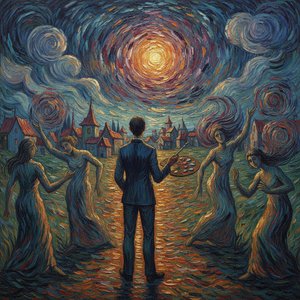
Beyond the Light: Capturing Emotion Through the Expressive Soul of Post-Impressionism
Explore the profound emotional depth of Post-Impressionism. Discover how masters like Van Gogh and Cézanne moved beyond light to capture raw feeling through color and texture. A journey into art history for the true connoisseur.
Utforska konstverk sorterade efter tema, stil och egenskaper.


