Işığın Aydınlık Yüzü: J.M.W. Turner'ın Yaşamı ve Sanatına Bir Yolculuk
Manzaranın yüce gücü ve ışığın büyüleyici dansıyla eş anlamlı hale gelen bir isim olan Joseph Mallord William Turner, Britanya'nın en ünlü ve etkili sanatçılarından biri olmaya devam ediyor. 1775 yılında Londra, Covent Garden'da bir berberin oğlu olarak dünyaya gelen Turner'ın, bir berber çırağından usta bir ressama uzanan yolculuğu; doğuştan gelen yeteneği, amansız azmi ve sanat tarihinin akışını sonsuza dek değiştirecek olan vizyoner ruhuyla şekilleli. Mimari detayları eskizlediği ilk günlerinden, atmosfer ve rengin neredeyse soyut sayılabilecek keşiflerine kadar Turner, sanatsal ifadenin sınırlarını her zaman zorlamıştır.
Resmi eğitimi 1789 yılında Royal Academy Schools'da başladı ve burada kısa sürede gelecek vadeden bir öğrenci olarak kendini kanıtladı. Ancak Turner, yalnızca yerleşik stilleri kopyalamakla yetinmedi; doğanın özünü, yani onun ham gücünü, geçici güzelliğini ve içsel dramını yakalamayı arzuladı. Erken dönem eserleri, dönemin hakim sanatsal zevklerini yansıtan titiz bir topografik detay dikkatini ortaya koymaktadır. Yine de bu erken parçalarda bile gelecekteki yöneliminin ipuçları görülebilir: ışık ve gölgeye karşı duyarlılık, renkle deney yapma isteği ve yüce olana (sublime) yönelik filizlenen bir hayranlık.
Bir Vizyonerin Evrimi: Topografyadan Aşkınlığa
Turner'ın sanatsal gelişimi, sürekli bir deneyim süreci ve salt temsiliyetin ötesine geçme arzusuyla damgalanmıştır. Claude Lorrain ve J.M.W. Cozens gibi ustaların etkisinde kalarak, manzaralarına romantik bir duyarlılık katmaya başladı ve kesin tasvir yerine duygusal tepkiyi ön plana çıkardı. 1802 yılında başlayan Avrupa seyahatleri, onu farklı manzaralarla tanıştırarak kompozisyon ve renk konusunda yeni yaklaşımlara ilham vermesi bakımından dönüm noktası oldu. O, sadece gördüklerini kaydetmiyordu; onları kendi eşsiz vizyonunun merceğinden yorumluyordu.
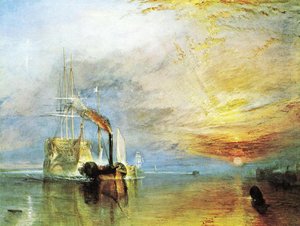
19. yüzyılın başları, Turner'ın üslubunda daha büyük bir dışavurumculuğa doğru bir kayda tanıklık etti. Özellikle deniz manzaraları giderek daha dramatik bir hal aldı; okyanusun öfkesini ve görkemini benzeri görülmemiş bir yoğunlukla yakaladı. “The Fighting Temeraire Tugged to Her Last Berth to Be Broken Up” (1839) gibi tablolar, yalnızca son durağına çekilen bir geminin tasviri değildir; bunlar ölüm, kayıp ve ilerlemenin amansız yürüyüşü üzerine dokunaklı düşüncelerdir. Bu eserdeki ışık kullanımı özellikle çarpıcıdır: sahneye melankolik bir parıltı saçan altın rengi bir gün batımı, bir dönemin sona erişini simgeler.
Atmosferin Ustası: Işık, Renk ve Yücelik
Turner'ın geç dönem eserleri, geleneksel sanatsal kurallardan neredeyse radikal bir kopuşla karakterize edilir. Form ve detay yerine giderek daha fazla atmosfer ve rengi önceliklendirmiş, saf ışık ve enerji içinde eriyormordaymış gibi görünen tablolar yaratmıştır. “Rain, Steam and Speed – The Great Western Railway” (1844) gibi eserler bu yaklaşımın en iyi örnekleridir; endüstriyel çağın dinamizmini yakalayan, renk ve hareketin girdap gibi dönen bir sentezidir. Eleştirmenler bu geç dönem eserleri karşısında sık sık şaşkına dönseler de, bu çalışmaların sonraki nesil sanatçılar üzerindeki etkisi derin olmuştur.
Işık ve atmosferin etkilerini keşfetme konusunda bir öncüydü; Empresyonistlerin anlık anları ve öznel algıları yakalama odağını önceden sezmişti. Renk kullanımı da aynı derecede yenilikçiydi: hareket ve enerji duygusu yaratmak için gevşek fırça darbeleriyle uygulanan cesur, canlı tonlar. Turner sadece manzara resmetmiyordu; doğanın içinde olmanın o saf *hissini* —hayranlığı, mucizeyi ve dehşeti— aktarmaya çalışıyordu.
Miras ve Etki: Resim Sanatını Değiştiren Ressam
J.M.W. Turner'ın mirası, 550'den fazla yağlı boya tablo, 2.000 suluboya ve 30.000 kağıt üzerine çalışmadan çok daha öteye uzanır. İzinden giden sayısız sanatçıyı etkileyerek sanat tarihine silinmez bir iz bıraktı. Özellikle Claude Monet gibi Empresyonistler, Turner'ın ışık ve renk keşiflerinden derinden ilham aldılar; Mark Rothko gibi soyut dışavurumcular ise atmosferik kompozisyonlarına olan borçlarını kabul ettiler.
Turner'ın geleneklere meydan okuma isteği, amansız deneyleri ve sanatsal vizyona olan sarsılmaz bağlılığı, bugün bile sanatçılar ve sanatseverler arasında yankı bulmaya devam ediyor. Modern sanatın gelişiminde kilit bir figür olarak kalmaya devam eden o, etrafımızdaki dünyayı görme ve deneyimleme biçimimizi dönüştüren gerçek bir vizyonerdir. Eserleri, ziyaretçilerin bu olağanüstü tabloların ışıklı güzelliğine ve derin duygusal derinliğine kendilerini kaptırabilecekleri Londra'daki Tate Britain da dahil olmaklı dünya çapındaki büyük müzelerde sergilenmektedir.
Önemli Eserler ve Koleksiyonlar
- The Morning After the Deluge (1843): Doğanın güçlerinin çarpıcı bir tasviri, Londra, Tate Koleksiyonu'nda bulunmaktadır.
- Chichester Canal (1828): George Wyndham tarafından sipariş edilmiştir, şu anda Tate Koleksiyonu'ndadır.
- Ruins of Tintern Abbey: Işık ve atmosfer üzerindeki ustalığını sergileyen büyüleyici bir suluboya, Calouste Gulbenkian Müzesi'nde (Lizbon, Portekiz) bulunmaktadır.
- The Fighting Temeraire Tugged to Her Last Berth to Be Broken Up (1839): Kayıp ve değişim temalarını işleyen dokunaklı bir şaheser.
- Rain, Steam and Speed – The Great Western Railway (1844): Endüstriyel çağın dinamizmini dönen renkler ve hareketle yakalayan eser.