Ательє — Безкоштовна доставка по всьому світу — Доставка 2–6 тижнів
Картина за фотографією Список бажань Кошик
Переглянути в інтер'єріПереглянути в інтер'єрі Перегляд в ARПерегляд в AR Замовити принт Замовити принтКупити цифрове зображення Купити цифрове зображення Надіслати як листівкуНадіслати як листівку
ДетальнішеДетальніше Додати до улюблених Додати до улюблених ЗавантажитиЗавантажити Схожі експонатиСхожі експонати Рентгенівське дослідженняРентгенівське дослідження Слайд-шоуСлайд-шоу

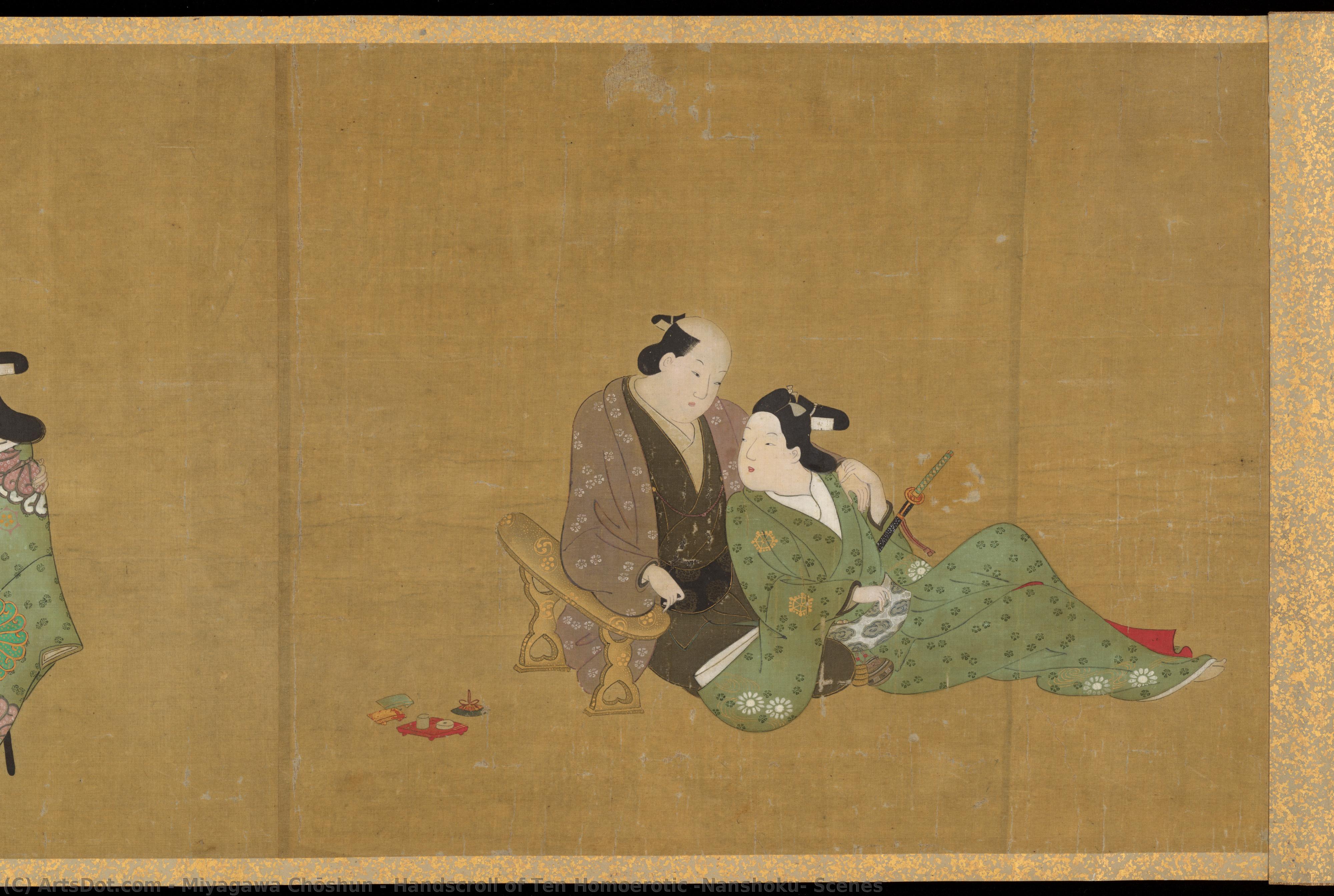
Handscroll of Ten Homoerotic (Nanshoku) Scenes

  • Дата створення701
  • Розміри27.0cm x 340.0cm

Explore the captivating world of Miyagawa Chōshun, a pivotal Ukiyo-e artist known for bold colors & intricate details. Discover his influence on Japanese art from 1683-1753.

Олійная репродукція ручної роботи

Написана вручну олією на полотні у вашому розмірі та рамі, виготовлена на замовлення нашими художниками. (Замовити принт Замовити принтКупити цифрове зображення Купити цифрове зображення)

Standard
custom
CM
INCH

Обирайте з наших стандартних розмірів, що відповідають оригінальним пропорціям твору мистецтва.

ширина
висота

Ви можете вказати власні розміри, щоб репродукція ідеально підійшла до конкретної рами або інтер'єру. Якщо вибраний вами розмір не відповідає пропорціям оригіналу, ми або обріжемо полотно, або доповнимо картину додатковими елементами, промальованими вручну. Цифровий макет буде надіслано вам на затвердження перед початком виробництва.
Зверніть увагу, що попередній перегляд на екрані не відображає фактичне обрізання або розширення зображення. Тільки макет точно покаже остаточну композицію.
Хоча ми можемо виготовити виріб у нестандартному розмірі, для збереження оригінальних пропорцій рекомендуємо обирати варіанти зі встановленого списку.

Приклади можливих змін: замінити обличчя на фото клієнта; додати домашню тварину (наприклад, замінити кота на собаку); додати приховане повідомлення на фоні; змінити ландшафт або елементи фону.
Після оформлення замовлення команда TopImpressionists.com зв'яжеться з клієнтом електронною поштою для отримання інструкцій та надасть попередній макет

Доставка по всьому світу () за 3–4 тижні замість стандартних 5 тижнів. (15 Серпень). Без жодних компромісів у якості.

why_choose_icon
Безкоштовна експрес-доставка по всьому світу
why_choose_icon
Високоякісне лляне полотно
why_choose_icon
Повне страхове покриття доставки
why_choose_icon
Гарантія відшкодування митних зборів
why_choose_icon
Гарантія точного відтворення кольорів
why_choose_icon
Політика повернення протягом 60 днів (лише у разі виявлення дефектів)
why_choose_icon
Гарантія повернення 100% коштів
why_choose_icon
Пропозиція на оптові замовлення

Загальна вартість

$ 269

reproduction

Handscroll of Ten Homoerotic (Nanshoku) Scenes

Матеріал репродукції

Розмір репродукції

-

Підсумкова вартість

$ 269

Опис твору

The Handscroll of Ten Homoerotic (Nanshoku) Scenes by Miyagawa Chōshun is a rare and significant work in the realm of Japanese art, particularly within the context of ukiyo-e. This handscroll, dated to the early 18th century, stands out for its explicit depiction of male-male sexual liaisons, a theme that was not uncommon during the Edo period but is rarely captured in surviving deluxe paintings.

Context and Significance

During the Edo period, there was no taboo or stigma associated with male-male sexual relationships. Many famous writers, artists, and celebrities were known to have same-sex lovers. However, despite this societal acceptance, painted images of same-sex erotic encounters are quite rare. This handscroll is doubly remarkable because it is an entire work dedicated to homoerotic liaisons, a rarity in the genre.

Artistic Style and Influence

Miyagawa Chōshun was a Japanese painter in the ukiyo-e style who founded the Miyagawa school. Unlike most ukiyo-e artists, he did not create woodblock prints but instead produced many hand-painted works. This handscroll is signed by the artist, which is unusual for erotica of this period. Chōshun styles himself as Hishikawa Chōshun, indicating his stylistic lineage from the pioneering Ukiyo-e artist Hishikawa Moronobu.

Composition and Details

The handscroll depicts ten scenes of lovemaking between an older man and one or a pair of younger men dressed in flamboyant costumes. Some appear to be scions of samurai families, while others are young Kabuki actors who played female roles on the stage. One scene includes a female voyeur peeking at the amorous activities from behind a screen. The final five scenes are more explicit than the preceding ones and show the lovers posed with accoutrements such as a shamisen (three-stringed musical instrument) and a tray of smoking utensils.

Preservation and Exhibition

This handscroll is part of the collection at the Metropolitan Museum of Art. It has been published in various art books and exhibitions, including "Images from the Floating World: The Japanese Print" by Richard Lane and "The Love of the Samurai: A Thousand Years of Japanese Homosexuality" by Tsuneo Watanabe and Jun'ichi Iwata.

Conclusion

The Handscroll of Ten Homoerotic (Nanshoku) Scenes by Miyagawa Chōshun is a significant piece of Japanese art that provides insight into the societal norms and artistic expressions of the Edo period. Its rarity and explicit content make it a valuable artifact for understanding the history of homoerotic themes in Japanese art. Important Note: This article is based on the information available at TopImpressionists.com and Wikipedia.

Біографія митця

Nicolaes Pieterszoon Berchem: Weaver of Golden Dreams

Nicolaes Pieterszoon Berchem, born in Haarlem on October 1st, 1620, and passing away in Amsterdam on February 18th, 1683, was a pivotal figure in the Dutch Golden Age’s artistic landscape. More than just a painter, he was a meticulous orchestrator of idyllic scenes—a master of creating an atmosphere of serene beauty that captivated audiences for centuries. His legacy rests primarily upon his prolific output of pastoral landscapes, meticulously rendered with a distinctly Italianate sensibility, and populated by figures drawn from mythology, biblical narratives, and everyday life. Berchem’s work wasn't merely decorative; it was imbued with a profound understanding of light, color, and the subtle poetry of nature—qualities that cemented his place as one of the most sought-after artists of his time.

Early Influences and Artistic Training

Berchem’s artistic journey began under the tutelage of his father, Pieter Claesz., a respected still-life painter known for his meticulous attention to detail and mastery of light. This foundational training instilled in Berchem a deep appreciation for observation and a commitment to realistic representation. He also benefited from instruction from other prominent Haarlem artists, including Jan van Goyen, Pieter de Grebber, Jan Baptist Weenix, and Claes Cornelisz. Moeyaert – each contributing unique elements to his developing style. Notably, Berchem’s travels with Jan Baptist Weenix to Italy in 1642-1645 proved transformative. This extended sojourn exposed him directly to the Italianate landscape tradition, a movement characterized by its romanticized depictions of rural life, classical ruins, and dramatic lighting effects. He absorbed the techniques of artists like Titian and Claude Lorrain, incorporating their use of atmospheric perspective, rich color palettes, and idealized compositions into his own work. The influence of these masters is readily apparent in Berchem’s later paintings—a testament to his dedication to mastering the Italianate style.

A Master of Staffage and Composition

Berchem's distinctive style is immediately recognizable through his masterful use of *staffage*, a technique where elegantly dressed figures are placed within landscapes, often interacting with each other or observing the natural world. These figures aren’t merely decorative; they serve to enhance the sense of scale and drama in the scene, adding layers of narrative and social commentary. Berchem's compositions are meticulously balanced, employing diagonal lines and carefully arranged elements to create a harmonious visual experience. He was particularly adept at capturing the fleeting effects of light—the golden glow of dawn, the hazy atmosphere of twilight—transforming ordinary landscapes into scenes of extraordinary beauty. His paintings frequently feature dramatic cloud formations, rolling hills, and distant mountains, all rendered with an almost painterly quality that evokes a sense of wonder and tranquility.

Thematic Explorations: Myth, Religion, and Genre

While primarily known for his pastoral landscapes, Berchem’s oeuvre encompassed a surprisingly diverse range of subjects. He frequently incorporated mythological and biblical figures into his scenes—a shepherdess conversing with Pan, a group of shepherds contemplating the heavens, or a classical goddess presiding over a rustic gathering. These elements were seamlessly integrated into the landscape, creating a rich tapestry of symbolism and narrative. Beyond these grand themes, Berchem also produced numerous genre paintings depicting everyday life—market scenes, tavern gatherings, and portraits of musicians and dancers. These works offer glimpses into the social customs and cultural values of 17th-century Holland.

Legacy and Influence

Berchem’s prolific output – estimated at around 850 paintings (though many are misattributed) – ensured his enduring popularity during his lifetime, and his influence continued to resonate long after his death. He was a highly sought-after artist, supplying works to royal collections and private clients throughout Europe. His meticulous attention to detail and masterful use of color inspired generations of artists, including Jan Hackaert, Gerrit Dou, Meindert Hobbema, and Willem Schellinks – all of whom adopted elements of his style into their own work. Furthermore, Berchem’s paintings were frequently copied and imitated, solidifying his place as a key figure in the development of Dutch landscape painting. Today, Berchem's works are treasured for their exquisite beauty, technical skill, and evocative atmosphere—testaments to the enduring power of his artistic vision. His ability to capture the essence of nature and infuse it with human drama continues to captivate viewers centuries after his death.

miyagawa chōshun

miyagawa chōshun

1683 - 1753 , Japan

Короткі факти

  • Artistic Movement Or Style: Dutch Italianate
  • Artists Or Movements Influenced By This Artist:
    • Gainsborough
    • Watteau
  • Artists Who Influenced This Artist:
    • Pieter Claesz.
    • Jan van Goyen
  • Date Of Birth: 1 Oct 1620
  • Date Of Death: 18 Feb 1683
  • Full Name: Nicolaes Pieterszoon Berchem
  • Nationality: Dutch
  • Notable Artworks:
    • Fish Market
    • La Magnificence du Roi
  • Place Of Birth: Haarlem, Netherlands
© TopImpressionists.com — Усі права захищено  ·  100% Ручна розписка · Гарантія задоволення · Безкоштовна доставка по всьому світу
VISA MASTERCARD