
 BronzeSculptureAmerican Old West
 192419th Century
 18.0 x 10.0 cm
 阿蒙·卡特美国艺术博物馆
从与原作比例一致的预设尺寸中进行选择。

您可以输入自定义尺寸,以适配特定的画框或空间。如果所选尺寸与原图比例不符,我们将通过裁剪作品或添加手绘元素来扩展画面。数字样稿将在制作开始前发送给您确认。
请注意,屏幕预览无法准确反映实际的裁剪或扩展效果,只有样稿才能真实呈现最终的构图。
虽然我们提供定制尺寸服务,但为了保留原作比例,建议您从预设列表中选择尺寸。

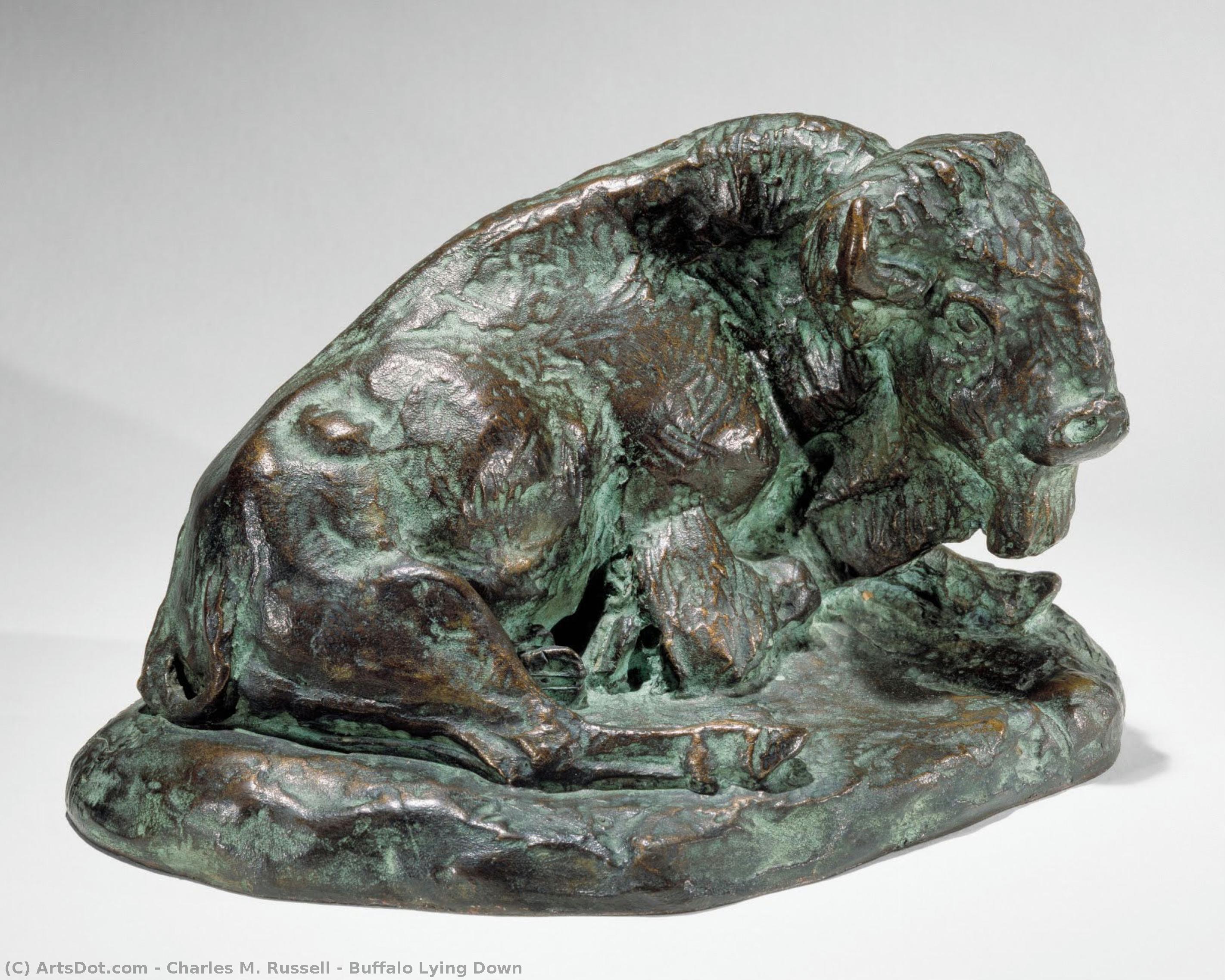
Buffalo Lying Down
复制品尺寸
Charles Marion Russell’s “Buffalo Lying Down,” created in 1924, isn’t merely a sculpture; it's a profound distillation of the American West—a landscape etched with hardship, resilience, and an enduring connection to nature. Cast in rich bronze, this piece captures a moment of unexpected serenity: a lone bison, rendered with remarkable anatomical detail and a palpable sense of weariness, rests peacefully on a subtly elevated base reminiscent of the earth itself. The sculpture immediately draws the viewer into its world, inviting contemplation on themes of strength, vulnerability, and the quiet dignity of the wild.
Charles Marion Russell, a pivotal figure in American art history, didn't simply depict the West; he lived it. Born in St. Louis and raised on ranches in Montana, Russell spent his life immersed in the cowboy culture, observing Native Americans, and documenting the vast landscapes of the region. His work evolved from simple sketches to elaborate bronzes, each imbued with a deep understanding of the subject matter—a blend of romanticism and gritty realism. “Buffalo Lying Down” exemplifies this approach: it’s not a heroic depiction of a cowboy or a dramatic scene of conflict, but rather a quiet observation of an animal in repose, reflecting Russell's fascination with the subtle beauty of the natural world.
The sculpture emerged during a period when the American West was undergoing rapid transformation. The bison population had been decimated by overhunting, and Russell’s work served as a poignant reminder of this loss—a celebration of an iconic animal facing extinction. Furthermore, Russell's deep respect for Native American culture is evident in his portrayal of the buffalo; it’s not just a beast of burden but a symbol of life, sustenance, and spiritual significance.
Russell’s process involved a complex combination of traditional sculpting techniques. He began with a clay model, meticulously refining its form until it captured the essence of the bison's anatomy and posture. This model was then used to create a wax cast, which served as the basis for the final bronze sculpture. The lost-wax casting method—a painstaking process involving creating a mold from the wax model and pouring molten bronze into it—resulted in a surface texture that is both smooth and subtly rough, mirroring the natural appearance of aged bronze. The patina – the green or reddish-brown coloration that develops over time due to oxidation – adds depth and character to the sculpture, further enhancing its sense of age and authenticity.
Notably, the piece was cast by Roman Bronze Works in New York City, a renowned foundry known for producing high-quality bronze sculptures. The presence of the foundry’s mark on the base—"R. B. W."—is a testament to the craftsmanship involved in creating this remarkable artwork.
Beyond its technical brilliance, “Buffalo Lying Down” resonates with profound symbolic meaning. The bison's relaxed posture conveys a sense of peace and vulnerability—a moment of respite from the challenges of survival. It’s an image that speaks to the interconnectedness between humans and nature, reminding us of our dependence on the natural world and the importance of respecting its delicate balance. The sculpture’s muted color palette – dominated by earthy browns and greens – evokes a sense of timelessness and reinforces the feeling of quiet contemplation. “Buffalo Lying Down” is more than just a bronze sculpture; it's a powerful meditation on the spirit of the American West, inviting viewers to connect with its history, its beauty, and its enduring legacy.

1864 - 1926 , 美国

Explore the profound beauty of bronze sculpture. From the ancient lost-wax technique to the interplay of light and patina, discover how this enduring alloy captures human emotion and history through masterful artistry and strength.


第一时间获取最新的艺术新闻、独家优惠及装饰灵感。
向我们介绍您的项目需求,我们的艺术专家将为您提供 3 个个性化的艺术品推荐。
由我们的专家为您精选 3 款心仪之作 —— 完全免费!

 购买印刷品
购买印刷品 分享
分享 分享
分享
 详情
详情

 下载
下载
 相似作品
相似作品 幻灯片播放
幻灯片播放 展开详情
展开详情






































 玻璃选项仅适用于110厘米以下的尺寸。


