





























从与原作比例一致的预设尺寸中进行选择。

您可以输入自定义尺寸,以适配特定的画框或空间。如果所选尺寸与原图比例不符,我们将通过裁剪作品或添加手绘元素来扩展画面。数字样稿将在制作开始前发送给您确认。
请注意,屏幕预览无法准确反映实际的裁剪或扩展效果,只有样稿才能真实呈现最终的构图。
虽然我们提供定制尺寸服务,但为了保留原作比例,建议您从预设列表中选择尺寸。

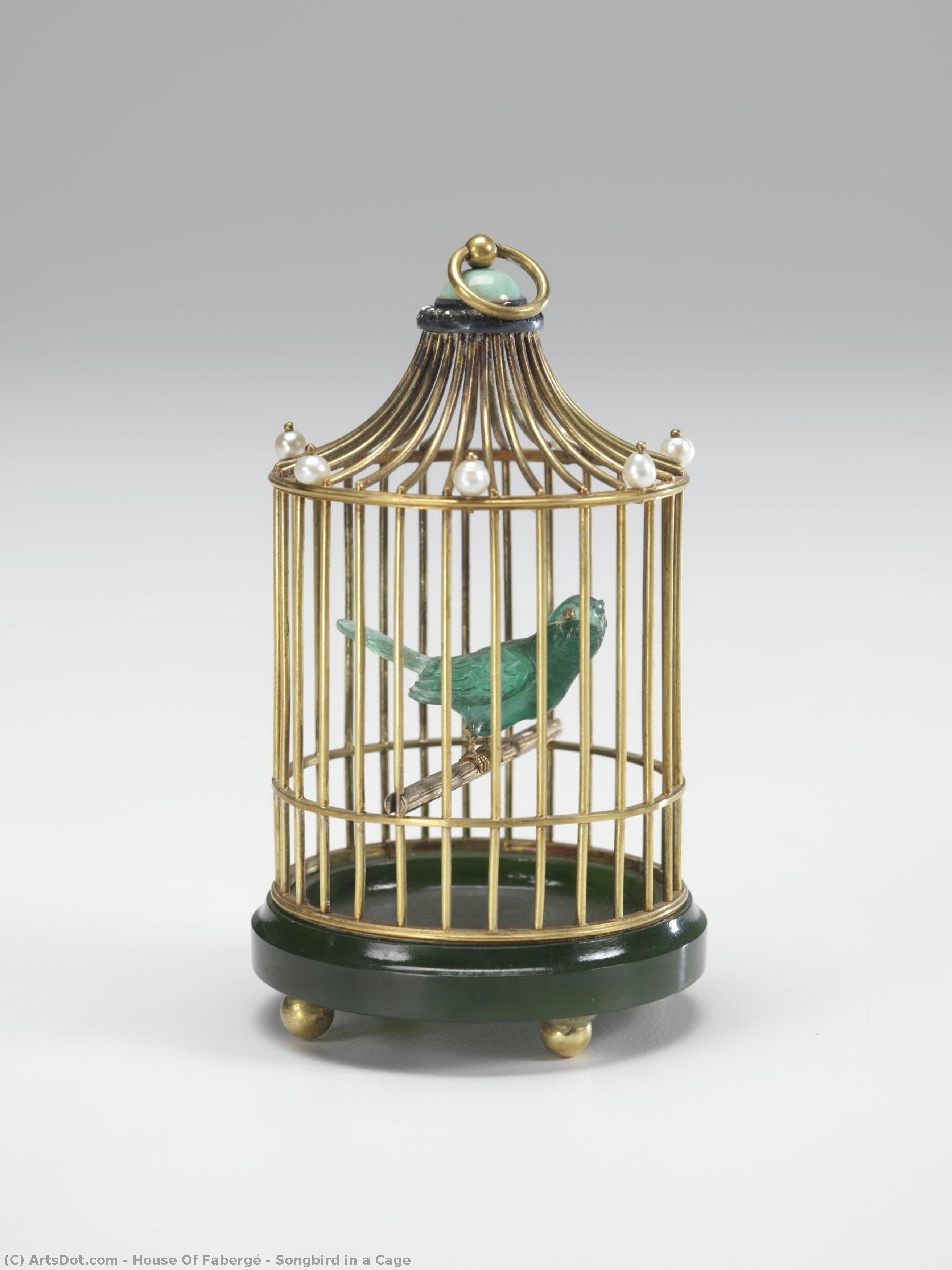
笼中鸟鸣
复制品尺寸
Élisabeth Louise Vigée Le Brun, born in Paris in 1755 and passing away in 1842, stands as a pivotal figure in the history of French art. More than simply a painter of portraits, she was a shrewd observer of her time, a master of social maneuvering, and an artist who navigated the complex currents of the late Ancien Régime with remarkable skill and ambition. Her life story is intertwined with the rise and fall of aristocratic patronage, offering a fascinating glimpse into the world of French high society during a period of dramatic transformation.
Vigée Le Brun’s early artistic training was unconventional for a woman of her era. Initially apprenticed to the painter François Boucher at the age of 13, she quickly demonstrated an aptitude for portraiture and began receiving commissions from wealthy patrons. However, it was her association with Louis XVI's sister, Madame du Deffand, that truly launched her career. Du Deffand recognized Vigée Le Brun’s talent and became a devoted supporter, commissioning numerous portraits that established the artist’s reputation for capturing both the likeness and the personality of her subjects. This early success provided a foundation upon which she would build a distinguished career, marked by both artistic achievement and strategic social connections.
Vigée Le Brun's most celebrated commission came in 1778 when she was appointed as the official portrait painter to Queen Marie Antoinette. This appointment solidified her position within the highest echelons of French society, providing access to a steady stream of wealthy clients – nobles, actors, writers, and even foreign dignitaries. Her portraits of the queen became legendary, capturing not only Marie Antoinette’s beauty but also her vivacious personality and regal bearing. These works are particularly significant for their intimate portrayal of the Queen, offering a rare glimpse into her private life—a departure from the more formal and distant representations that were typical of royal portraiture at the time.
Following the French Revolution, Vigée Le Brun faced considerable challenges as a member of the aristocracy. She bravely continued to paint, adapting her style to reflect the changing political landscape while maintaining her artistic integrity. She secured commissions from prominent figures across Europe – including Russian royalty and members of the British court—demonstrating her versatility and enduring appeal as a portraitist. Her ability to navigate these shifting alliances speaks volumes about her intelligence, adaptability, and business acumen.
Vigée Le Brun's artistic style is often described as a refined blend of Rococo elegance and emerging Neoclassical influences. Her early portraits are characterized by delicate brushwork, pastel colors, and an emphasis on capturing the textures of fabrics and hair. She skillfully employed light and shadow to create a sense of depth and volume, particularly in her depictions of clothing. Her compositions were typically balanced and symmetrical, reflecting the prevailing aesthetic principles of the Rococo period.
As she matured as an artist, Vigée Le Brun’s style evolved subtly. She began to incorporate elements of Neoclassicism—a greater emphasis on line, form, and classical motifs—into her portraits. This shift is particularly evident in her later works, where she demonstrated a more controlled and precise approach to painting. Despite these stylistic changes, she retained her signature elegance and attention to detail, creating portraits that are both beautiful and psychologically insightful.
Élisabeth Vigée Le Brun’s legacy extends far beyond her impressive body of work. She was one of the first women to achieve significant recognition as a professional artist in a male-dominated field. Her success paved the way for future generations of female artists, demonstrating that women were capable of producing high-quality art and achieving commercial success.
Her memoirs, published in three volumes between 1835 and 1837, offer a valuable firsthand account of life in aristocratic France during the late 18th and early 19th centuries. They provide insights into the social customs, political intrigues, and artistic trends of the era, offering a rich tapestry of information for historians and art enthusiasts alike. Vigée Le Brun’s enduring influence can be seen in the works of countless portraitists who followed her, and she remains a captivating figure whose story continues to resonate today.

1842 - 1918 , Russia

Explore the life & work of Jean Metzinger, a pivotal Cubist painter and theorist. Discover his innovations in proto-Cubism, 'Du Cubisme,' and Crystal Cubism – a journey through modern art's evolution.

Explore the revolutionary art & architecture of Friedensreich Hundertwasser. Discover his rejection of straight lines, organic forms, ecological activism, and iconic projects like the Hundertwasserhaus. A deep dive into a unique artistic vision.

Explore the rich history of decorative arts with TopImpressionists.com. Discover key movements, influential artists, and expert guidance for building a discerning collection. Learn about ornamentation, functionality & cultural significance.

Explore the fascinating history of status symbols in art, from Renaissance masterpieces to modern expressions of wealth & identity. Discover how collecting art reflects and shapes legacy with expert insights.

Explore the captivating world of Sergey Solomko (1867-1928), a master of Russian Art Nouveau. Discover his stunning paintings, illustrations & designs capturing Old Russia's beauty. Hand-painted reproductions available at TopImpressionists.


第一时间获取最新的艺术新闻、独家优惠及装饰灵感。
向我们介绍您的项目需求,我们的艺术专家将为您提供 3 个个性化的艺术品推荐。
由我们的专家为您精选 3 款心仪之作 —— 完全免费!

 效果预览
效果预览
 切换至印刷版
 分享
分享 分享
分享
 详情
详情

 下载
下载
 相似作品
相似作品 X射线
X射线 幻灯片播放
幻灯片播放

 展开详情
展开详情









 玻璃选项仅适用于110厘米以下的尺寸。


