أتيليه — شحن مجاني لجميع أنحاء العالم — مدة التوصيل ٢–٦ أسابيع
تحويل الصور إلى لوحات قائمة الأمنيات عربة التسوق
معاينة الحجم الحقيقيمعاينة الحجم الحقيقي معاينة بالواقع المعززمعاينة بالواقع المعزز التحويل للنسخة المطبوعة التحويل للنسخة المطبوعةالتبديل إلى الصورة التبديل إلى الصورة مشاركةمشاركة
التفاصيلالتفاصيل أضف إلى المفضلة أضف إلى المفضلة تحميل الملفتحميل الملف قطع مشابهةقطع مشابهة الأشعة السينيةالأشعة السينية عرض شرائحعرض شرائح

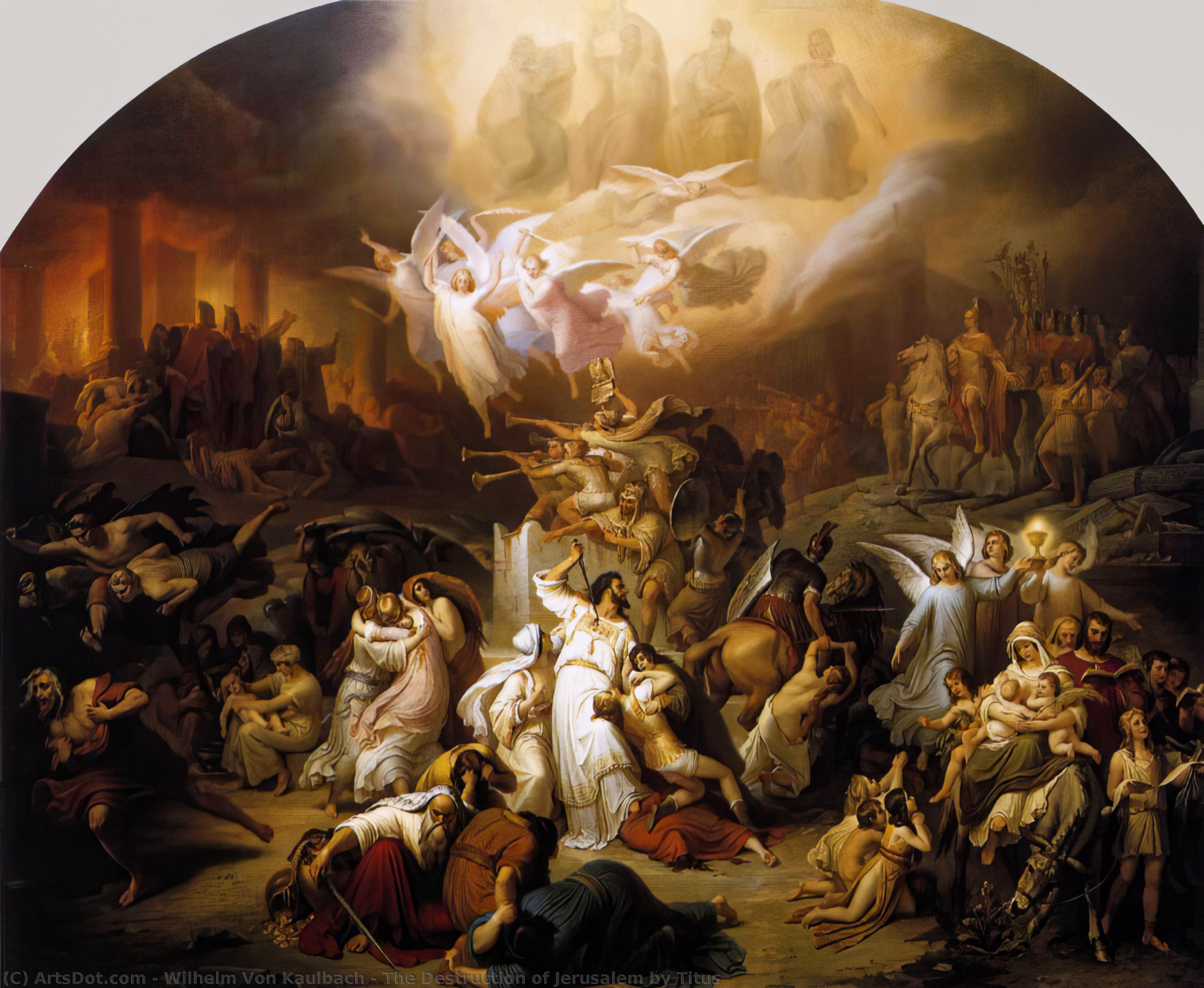
تدمير القدس

شاهد تحفة كاولوخ! "تدمير القدس".. لوحة رومانسية درامية تصور كارثة بابلية. استكشف أهميتها التاريخية وتأثيرها العاطفي القوي. #كاولوخ #القدس #فن_ديني

Wilhelm von Kaulbach (1805-1874) was a prominent German muralist & book illustrator of the Düsseldorf school. Known for historical, allegorical scenes & satirical works like 'Narrenhaus', he revitalized German art in Munich. Explore his masterpieces!

نسخة زيتية مصنوعة يدوياً

لوحة زيتية مرسومة يدوياً على الكانفاس بالمقاس والإطار الذي تفضله، تُنفذ حسب الطلب على أيدي فنانينا. (التحويل للنسخة المطبوعة التحويل للنسخة المطبوعةالتبديل إلى الصورة التبديل إلى الصورة)

P118B $10
P118H $10
P118W $10
P438Z $10
P508JH $12
P508YH $12
P805H $10
P805Z $10
P919BZ $10
P919G $10
P919XJ $10
P959ZH $10
P968JZ $12
W106C $8
W218G $10
W218JH $8
W218Y $10
W307PJ $10
W316G $10
W316PJ $8
W316Y $10
W398PJ $8
W4111J $10
W500HY $15
W500JH $15
W692G $12
W849H $8
W940BG $15
W953PJ $8

Standard
custom
CM
INCH

اختر من بين أحجامنا المُعدّة مسبقًا والتي تتطابق مع النسب الأصلية للعمل الفني.

العرض
الارتفاع

يمكنك إدخال أبعادك الخاصة لتناسب إطارًا معينًا أو مساحة محددة. وإذا لم يتطابق الحجم الذي اخترته مع نسب الصورة الأصلية، فسنقوم إما بقص العمل الفني أو توسيع اللوحة بإضافة عناصر مرسومة يدويًا. سيتم إرسال نموذج رقمي إليك للموافقة عليه قبل بدء الإنتاج.
يرجى ملاحظة أن المعاينة على الشاشة لا تعكس عملية القص أو التوسيع الفعلية؛ حيث إن النموذج الرقمي وحده هو الذي سيوضح التكوين النهائي بدقة.
وعلى الرغم من توفر أحجام مخصصة، إلا أننا نوصي باختيار أبعاد من القائمة المحددة مسبقًا للحفاظ على النسب الأصلية للعمل الفني.

أمثلة على التعديلات الممكنة: استبدال الوجه بصورة العميل؛ إضافة حيوان أليف (مثل استبدال قطة بكلب)؛ تضمين رسالة مخفية في الخلفية؛ تغيير المناظر الطبيعية أو العناصر في الخلفية.
بعد إتمام الطلب، سيرسل فريق TopImpressionists.com بريداً إلكترونياً للعميل لطلب التعليمات وتزويده بمعاينة تجريبية (mockup).

توصيل عالمي إلى خلال 3 إلى 4 أسابيع بدلاً من المدة المعتادة البالغة 5 أسابيع. (10 أغسطس). جودة لا تهاون فيها.

why_choose_icon
شحن سريع ومجاني لجميع أنحاء العالم
why_choose_icon
قماش كتان عالي الجودة
why_choose_icon
تأمين شحن شامل
why_choose_icon
ضمان استرداد الرسوم الجمركية
why_choose_icon
ضمان مطابقة الألوان الحقيقية
why_choose_icon
سياسة الإرجاع خلال 60 يومًا (في حالات العيوب فقط)
why_choose_icon
ضمان استرداد نقدي بنسبة 100%
why_choose_icon
خصم عند طلب عدة قطع

إجمالي السعر

$ 444

reproduction

تدمير القدس

خامة إعادة الإنتاج

مقاس النسخة المطبوعة

-

السعر الإجمالي النهائي

$ 444

معلومات سريعة

  • medium: Oil on canvas
  • notable_elements: Dramatic composition, divine figures, chaos, divine light
  • dimensions: 585 x 705 cm
  • style: Romantic/Baroque
  • artist: Wilhelm von Kaulbach
  • movement: Romanticism, Baroque
  • subject: Destruction of Jerusalem, biblical scene, divine judgment

اختبار الفنون

يوجد إجابة صحيحة واحدة فقط لكل سؤال.

سؤال 1:
Who is the artist of 'The Destruction of Jerusalem by Titus'?
سؤال 2:
In what year was 'The Destruction of Jerusalem by Titus' completed?
سؤال 3:
What artistic movement is 'The Destruction of Jerusalem by Titus' associated with?
سؤال 4:
What is the primary subject depicted in this artwork?
سؤال 5:
Which technique is most prominently used in this large-scale painting?

وصف العمل الفني

تصوير دراماتيكي لكارثة دينية

نقدم لكم تحفة فنية من روائع عالم الفن، لوحة "تدمير القدس" للفنان الألماني الشهير فيلهلم فون كولباخ. هذه اللوحة ليست مجرد عمل فني؛ بل هي نافذة تطل على لحظة محورية في التاريخ الإبراهيمي، وهي سقوط القدس تحت حكم تيطوس الروماني. اللوحة تجسد بشكل دراماتيكي وقوي الأحداث التي شهدتها المدينة المقدسة، مع التركيز على الصراع بين الخير والشر، والحكمة والجنون، والأمل واليأس.

تقنيات فنية مذهلة

تم إنتاج هذه اللوحة عام 1846، وهي مثال بارز على أسلوب الرومانسية الكلاسيكية. يعتمد كولباخ على تقنيات الرسم الزيتي الدقيقة للغاية، مما يسمح له بإنشاء طبقات غنية، وإبراز تدرجات الإضاءة بشكل مذهل، واستخدام الظلال لخلق جو من الغموض والدراما. يتميز الفنان بقدرته الفائقة على تصوير الأنسجة - من الملابس المتدفقة إلى الهياكل المعمارية المتداعية - مما يضفي بعدًا واقعيًا وملموسًا على المشهد. تستخدم الخطوط بشكل مكثف، مع التركيز على الزوايا والمنحنيات التي توجه العين عبر المجموعة الكبيرة من الشخصيات، مما يؤكد الفوضى والقوة الإلهية في قلب الحدث.

أهمية تاريخية ورمزية عميقة

تستند هذه اللوحة إلى سياق تاريخي مهم - حصار القدس وسقوطها خلال الحرب اليهودية الرومانية. بالإضافة إلى دقتها التاريخية، فهي مليئة بالرموز: الشخصيات الإلهية والملائكة ترمز إلى الأمل والخلاص في خضم الدمار، بينما يمثل البشر الذين يعانون التعاطف والتأمل في العدالة الإلهية. يلعب التفاعل بين الضوء والظلام دورًا حاسمًا في إبراز مواضيع التدخل الإلهي، والحكم، والوضع الضعيف للبشر، مما يجعل اللوحة بمثابة تأمل بصري قوي حول الإيمان والموت والسلطة الإلهية.

تأثير عاطفي وإلهام فني

تثير لوحة كولباخ استجابة عاطفية قوية - من الحزن والذهول إلى اليأس والإعجاب. يتم التقاط هذه المشاعر من خلال الإيماءات التعبيرية والوجوه الشديدة، مما يخلق مشهدًا حيًا ومؤثرًا. تُشجع اللوحة المشاهدين على التفكير في مواضيع العدالة الإلهية والضعف البشري، مما يجعلها قطعة فنية مثيرة للتأمل بشكل خاص. إنها ليست مجرد لوحة؛ بل هي دعوة إلى التأمل والتفكير العميق.

إضافة فريدة للمجموعات والديكور

تعد هذه اللوحة الضخمة التي تبلغ مساحتها 585 × 705 سم شهادة على الإتقان الفني وقصص التاريخ. إن حجمها الكبير يجعلها نقطة محورية مثالية في الغرف الكبيرة والمزينة بشكل أنيق، بينما تضيف رموزها الغنية وعمقها العاطفي جاذبية خاصة للمجموعات التي يسعى إليها هواة جمع الأعمال الفنية الباحثون عن قطع ذات معنى وعالية الجودة. سواء تم عرضها في معرض فني أو مؤسسة ثقافية أو مساحة خاصة فاخرة، فإن هذه القطعة الواعدة تضمن إثارة الإعجاب والتأمل، مما يعزز أي بيئة بفضل أهميتها التاريخية وجمالها الفني.


السيرة الذاتية للفنان

The Architect of German Grandeur: The Life of Wilhelm von Kaulbach

In the sweeping landscape of nineteenth-century German art, few figures loom as large or as dramatically as Wilhelm von Kaulbach. Born in 1805 in the quiet town of Bad Arolsen, Kaulbach’s early years were far from the gilded halls of academia; instead, they were defined by a profound struggle against poverty and the harsh realities of rural life. This early exposure to hardship did not stifle his ambition but rather forged a resilient spirit that would later allow him to tackle the most monumental canvases of his era. His journey into the heart of the art world began with a transformative opportunity at the Düsseldorf Academy of Fine Arts, where the mentorship of luminaries like Peter von Cornelius would fundamentally reshape his artistic trajectory.

Kaulbach’s development was inextricably linked to the rise of the Düsseldorf School, a movement characterized by its pursuit of classical ideals blended with a distinctly German emotional depth. Under the guidance of Cornelius, Kaulbach learned to navigate the complex intersection of historical narrative and allegorical symbolism. His time at the academy was marked by intense dedication, often persevering through periods of hunger and deprivation to master the intricate techniques required for large-scale compositions. This period of rigorous training prepared him for his most significant professional undertaking: the creation of massive frescoes that would breathe life into the walls of Munich’s Glyptothek. Working alongside fellow artists like Schweitzer, Kaulbach participated in a painstaking process of translating detailed cartoons into vibrant, permanent displays of color and history.

Mastery of Narrative and Symbolism

The true essence of Kaulbach’s genius lies in his ability to weave complex historical and biblical narratives into visually arresting compositions. He possessed a rare talent for capturing the chaotic energy of human conflict while maintaining a sense of divine order or tragic inevitability. His works often serve as windows into the soul of Romanticism, where the line between the earthly and the eternal becomes blurred. To understand his impact, one must look at the thematic breadth of his repertoire:

  • Biblical Catastrophe: In masterpieces such as The Destruction of Jerusalem by Titus, Kaulbach utilizes dramatic lighting and sweeping movement to evoke a sense of profound emotional impact and historical weight.
  • Historical Allegory: His engravings and paintings, including works like Die Hunnenschlacht Raab, showcase his ability to depict moments of intense struggle, utilizing detailed linework to convey the chaos of battle and the presence of divine intervention.
  • Satire and Illustration: Beyond the monumental, Kaulbach was a skilled book illustrator, capable of shifting from the epic scale of mural painting to the sharp, biting wit found in satirical works like Narrenhaus.

His technical prowess was not limited to a single medium; whether working in the delicate precision of an engraving or the expansive reach of a fresco, Kaulbach maintained a signature style characterized by rich symbolism and a profound sense of drama. His ability to utilize Baroque-inspired elements—such as the dramatic shadows seen in his depictions of the Fall of Babylon—allowed him to create works that felt both ancient and urgently contemporary to his nineteenth-century audience.

A Lasting Legacy in German Art

The historical significance of Wilhelm von Kaulbach extends far beyond the physical boundaries of the murals he painted. He was a pivotal figure who helped revitalize German art, moving it away from mere imitation of foreign styles toward a robust, self-assured aesthetic that celebrated national history and classical myth. By bridging the gap between the academic rigor of the Düsseldorf School and the emotive power of Romanticism, he provided a visual language for a generation seeking identity in a changing Europe.

Though the era of monumental mural painting eventually gave way to new artistic movements, Kaulbach’s influence remains etched in the annals of art history. He transformed the walls of museums and the pages of books into stages for the grandest human dramas, ensuring that his vision of history, faith, and struggle would endure. Today, he is remembered not just as a painter, but as a titan of his age—a man who took the hardships of his youth and transmuted them into a legacy of unparalleled artistic grandeur.

Wilhelm von Kaulbach

Wilhelm von Kaulbach

1805 - 1874 , Germany

حقائق سريعة

  • Artistic Movement Or Style: Düsseldorfs Schule
  • Artists Or Movements Influenced By This Artist: ['Middle Ages']
  • Artists Who Influenced This Artist: ['Peter von Cornelius']
  • Date Of Birth: 1805
  • Full Name: Wilhelm von Kaulbach
  • Nationality: German
  • Notable Artworks:
    • Die Zerstorung Jerusalems
    • Homer Und Die Griechen
    • Die Reformation
  • Place Of Birth: Bad Arolsen, Germany
استكشف الأعمال الفنية المصنفة حسب الموضوعات والأنماط والخصائص.
© TopImpressionists.com — جميع الحقوق محفوظة  ·  مطلية يدوياً 100% · ضمان الرضا · شحن مجاني لجميع أنحاء العالم
VISA MASTERCARD