


 Сподели
 Сподели
 Подробности
 Ръководство

 Изтегляне
 Подобни артикули
 Слайдшоу
 Статистика
Venus and Mars


Marvel at Antonio Canova's 'Venus and Mars,' a neoclassical sculpture celebrating peace & harmony. This iconic marble masterpiece, commissioned by the Prince Regent, embodies love and war’s union.
 Разгърни целия текст
Антонио Канаво е италиански скулптор от 18 век, известен с величествените си неокласически мраморни статуи като "Венера Италия" и "Триумфалният Нике", които олицетворяват хармонията и красотата на древногръцката култура.
Ръчно изработена маслена репродукция
Ръчно рисувана маслена картина върху платно във вашия размер и рамка, изработена по поръчка от нашите художници. ( Избор на принт Превключване към дигитално изображение)




































Стандартен размер
по поръчка
CM
INCH
Изберете от нашите предварително зададени размери, които съответстват на оригиналните пропорции на произведението.
Loading sizes...

ширина
височина
Можете да въведете свои собствени размери, за да паснат на конкретна рамка или пространство. Ако избраният от вас размер не съответства на пропорциите на оригиналното изображение, ние ще изрежем произведението или ще разширим картината с допълнителни ръчно рисувани елементи. Дигитален макет ще бъде изпратен за ваше одобрение преди започване на производството.
Моля, обърнете внимание, че предпрогледа на екрана не отразява действителното изрязване или разширяване. Само макетът ще покаже точно финалната композиция.
Въпреки че са налични персонализирани размери, препоръчваме да изберете размер от предварително дефинирания списък, за да запазите оригиналните пропорции.
Примери за възможности за персонализация: Заменете лицето с фотография на клиента; Добавете домашен любимец (например заменете котка с куче); Включете скрито послание на фона; Променете пейзажа или елементите на фона.
След получаване на поръчка, екипът на TopImpressionists.com ще изпрати имейл до клиента с инструкции и ще предостави примерен макет за преглед.
След получаване на поръчка, екипът на TopImpressionists.com ще изпрати имейл до клиента с инструкции и ще предостави примерен макет за преглед.
Доставка по целия свят () в рамките на 3-4 седмици вместо стандартните 5 седмици. (10 Октомври). Без компромис с качеството.

Безплатна експресна доставка по целия свят

Висококачествено ленено платно

Пълно застраховане на доставката

Гаранция за възстановяване на митнически такси

Гаранция за пълно съответствие на цветовете

Политика за връщане в рамките на 100 дни (само при дефекти)

100% Гаранция за връщане на сумата

Отстъпка при поръчка на повече произведения
 Опцията със стъкло е налична само за размери под 110 см

Venus and Mars
Техника на репродукция
Размер на репродукцията
-


Крайна цена
€ 232
A Moment of Divine Union: Antonio Canova’s “Venus and Mars”
Antonio Canova's "Venus and Mars," completed in 1822, is more than just a sculpture; it’s a carefully orchestrated tableau of opposing forces achieving an unexpected harmony. This magnificent marble work, currently residing within the Royal Collection at Buckingham Palace, offers a profound meditation on love, war, peace, and the enduring power of artistic creation. Commissioned by Prince Regent George IV during his visit to London, the sculpture represents a pivotal moment in Canova’s career – a bold departure from the rigid formality of Neoclassicism while firmly rooted in classical ideals.
The subject matter itself is strikingly original for its time. Rather than depicting Venus and Mars engaged in battle or mythological drama, as was common in earlier representations, Canova presents them in an intimate embrace. The goddess Venus, a figure synonymous with beauty, fertility, and love, is rendered with exquisite sensuality – her flesh soft and yielding, her limbs draped in delicate folds of fabric that hint at both vulnerability and power. Her gaze is directed towards Mars, the god of war, creating a dynamic tension within the composition. Mars, traditionally portrayed as a stern and imposing figure, stands powerfully upright, his musculature meticulously sculpted to convey strength and resolve. He holds his spear firmly in one hand, a symbol of his dominion over conflict, yet his posture suggests a willingness to yield to the allure of Venus’s affection.
The Neoclassical Masterstroke: Technique and Form
Canova's mastery of marble carving is immediately evident. The sheer scale of “Venus and Mars” – standing nearly two meters tall – commands attention, while the intricate detail of each muscle fiber, wrinkle, and drapery fold speaks to his unparalleled skill. The sculpture exemplifies the Neoclassical style, drawing inspiration from the idealized forms and balanced compositions of ancient Greek and Roman art. However, Canova transcends mere imitation; he infuses these classical elements with a profound sense of emotion and psychological depth. The smooth, polished surface of the marble creates an illusion of life, capturing the subtle nuances of human expression and movement.
The technique employed is particularly noteworthy. Canova utilized a subtractive method, carefully removing material from a larger block of Carrara marble to reveal the desired form. This process demanded immense patience and precision, allowing him to achieve an astonishing level of realism and anatomical accuracy. The subtle gradations in tone – achieved through meticulous polishing and shading – further enhance the sculpture’s three-dimensionality, creating a captivating interplay of light and shadow.
A Symbol of Reconciliation: Historical Context and Meaning
The creation of “Venus and Mars” coincided with the Congress of Vienna (1814–1815), an international conference that reshaped Europe after Napoleon’s defeat. The sculpture, therefore, can be interpreted as a potent symbol of reconciliation – a visual representation of the end of war and the dawn of a new era of peace. Venus, representing love and harmony, gently embraces Mars, signifying the triumph of diplomacy over conflict. This theme resonated deeply with Prince George IV, who commissioned the work to celebrate the restored stability of Europe.
Furthermore, Canova’s choice of depicting the figures in the nude was a deliberate artistic statement. In classical art, nudity served as a means of celebrating human beauty and virtue, stripping away artificial conventions to reveal the inherent dignity of the human form. By presenting Venus and Mars unclothed, Canova elevates their union to a realm of pure emotion and spiritual significance.
An Enduring Legacy: Emotional Impact and Artistic Significance
“Venus and Mars” continues to captivate viewers with its profound emotional resonance. The sculpture’s inherent tension – the interplay between love and war, beauty and strength – invites contemplation on the complexities of human nature. The figures' embrace is not merely a physical gesture; it represents a merging of opposing forces, suggesting that even the most seemingly irreconcilable elements can find harmony within themselves.
Beyond its historical and symbolic significance, “Venus and Mars” stands as a testament to Canova’s artistic genius. It remains one of his most celebrated works, admired for its technical brilliance, emotional depth, and enduring beauty. Reproductions of this iconic sculpture offer an opportunity to experience the power and grace of Canova's vision in any setting – a timeless reminder of the transformative potential of art.
Въпроси и отговори
Откъде мога да изтегля „Venus and Mars“ на Антонио Канова?
За "Venus and Mars" е налично сваляне: страницата за Изтегляне на произведението предлага дигитално изтегляне на изображение с висока резолюция.
Кой е авторът на "Venus and Mars" и към кое художествено направление принадлежи?
"Venus and Mars" е създадена от Антонио Канова в стила на Neoclassical Sculpture. Художникът и художественото направление определят традицията на произведението.
Кога е създадено "Venus and Mars"?
„Venus and Mars“ на Антонио Канова е създадена през 1816.
Кой е създал "Venus and Mars"?
„Venus and Mars“ се приписва на Антонио Канова.
Колко добре е известна творбата „Venus and Mars“ на Антонио Канова?
„Venus and Mars“ на Антонио Канова има Iconic ниво на популярност. Тази класификация отразява до каква степен произведението е разпознаваемо.
На колко години е бил Антонио Канова, когато е създал „Venus and Mars“ през 1816?
Антонио Канова е бил на 59 години, когато създава „Venus and Mars“ през 1816. Възрастта е изчислена въз основа на годината на раждане на художника, 1757.
Намира ли се „Venus and Mars“ на Антонио Канова в обществено достояние?
Статусът на авторското право за „Venus and Mars“ на Антонио Канова: произведението е в обществено достояние – авторското му право е изтекло. Това определя дали могат да се правят свободно репродукции на изображението.
Биография на художника
Антонио Канова: Живот в мрамор
- Роден: Посаньо, Италия (1757 г.)
- Починал: 1822 г.
Антонио Канова стои като величествена фигура в историята на западното изкуство, широко признат за най-значимия неокласически скулптор. Неговото майсторство в обработката на мрамор и способността му да вдъхновява класическите форми с дълбока емоция му осигуряват място сред най-великите творци на всички времена. Роден в Посаньо, Италия, в семейството на Пиетро Канова, майстор камънак, ранният живот на Канова е оформен от богатата художествена среда, която го заобикаля.
Ранен живот и обучение
- Семейна история: Професията на баща му осигурява първоначалното му запознаване с изкуството на ваенето в камък, а неговият дядо, Пасино Канова – скулптор, специализиран в създаването на алтари и нископластови релефи, играе решаваща роля в подхранването на неговия талант.
- Ранно художествено развитие: Дори преди навършване на десет години, Канова демонстрира забележително умение, създавайки малки мраморни светилища, които показват неговата вродена способност. Той преминава обучение под ръководството на Джузепе Бернарди („Торето“) и Джовани Ферари, допълнително усъвършенствавайки своите умения.
- Академични изследвания: Неговите изследвания в Академията по изкуства във Венеция донесоха множество награди, затвърждавайки репутацията му като обещаващ млад артист. Работилница в един манастир му осигурява пространство за развитие на неговото занаятчийско майсторство.
- Първи поръчки: Ранните поръчки, като статуите на Орфей и Евридика за сенатора Джовани Фалиер (1775-17му77), демонстрират възникващия стил рококо, предвещавайки неговото по-късно неокласическо изтънчение.
Издигането до прослава и неокласическият стил
- Дефиниране на неокласицизма: Работите на Канова се характеризират с елегантни форми, идеализирани фигури и завръщане към естетическите принципи на древна Гърция и Рим. Той умело избягва мелодрамата на бароковото изкуство, като същевременно съпротивлява студената безразличност, често свързвана с по-ранните опити за класическо възраждане.
- Ключови творби и признание: Скулптури като Купид и Психея (ок. 1787-1793), Покаяната Магдалина и Еракл и Лика утвърждават неговата репутация в цяла Европа. Творчеството му е изключително търсено от кралски фамилии и благородници.
- Изграждане на репутацията: Канова стратегически насърчава кариерата си чрез публикуване на гравюри на своите произведения и създаване на мраморни версии на гипсови отливки, осигурявайки широко разпространение на своето изкуство.
- Международно признание: Поръчки от цяла Европа, включително статуя на Тесей и Минотавърът за Джироламо Зулиан (венециански посланик в Рим), затвърждават неговия статус на един от най-прославните артисти в Европа.
Големи творби и наследство
- Бележките скулптури: Освен вече споменатите, значимите творби на Канова включват Венера Италия, Музата Полихимния, Танцуващите три грации и неговото пронизващо изображение на Евридика.
- Монументални поръчки: Той получава престижни поръчки за гробници, най-забележителната от които е сложният Гроб на папа Климент XIII в Базиликата Свети Петър в Рим – свидетелство за неговото умение както в скулптурата, така и в архитектурния дизайн.
- Gipsoteca Antonio Canova: Музеят Gipsoteca Antonio Canova притежава най-значимата колекция от неговите творби, предоставяйки безценен поглед върху неговия творчески процес и художествена еволюция.
- Влияние върху следващите поколения: Влиянието на Канова се простира далеч отвъд неговия живот, оформяйки хода на неокласическата скулптура и вдъхновявайки поколения артисти с неговото техническо майсторство и експресивна сила.
Историческа значимост
- Въплъщение на неокласицизма: Антонио Канова става синоним на неокласическото движение, олицетворявайки неговите идеали за ред, яснота и завръщане към класическата античност.
- Придворна скулптор и дипломат: Позицията му като придворна скулптор на множество европейски владетели му дава значително политическо влияние и му позволява да оформя художествените вкусове по целия континент.
- Техническа иновация: Несравнемото умение на Канова в ваенето на мрамор разширява границите на това, което се счита за възможно, поставяйки нов стандарт за скулптурно съвършенство.
- Трайно художествено наследство: Неговите скулптури продължават да очароват публиката по целия свят, затвърждавайки неговото място като един от най-важните и влиятелни артисти в историята.

Антонио Канова
1757 - 1822 , Италия
Бързи факти
- Artistic Movement Or Style: Неокласицизъм
- Artists Or Movements Influenced By This Artist: ['Неокласически скулптори']
- Artists Who Influenced This Artist: ['Бароккови скулптори']
- Date Of Birth: 1757
- Date Of Death: 1822
- Full Name: Antonio Canova
- Nationality: Италиански
- Notable Artworks:
- Евридика
- Три грации
- Венера Италичка
- Place Of Birth (City And Country): Посаго, Италия
Свързани статии
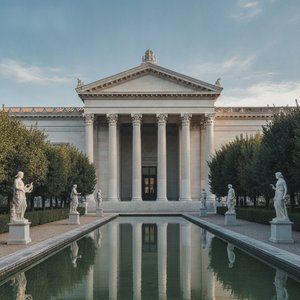
Neoclassicism Unveiled: Discovering the Timeless Elegance and Rational Order of Classical Art
Unveil the timeless elegance of Neoclassicism. Journey through an era defined by reason, order, and the revival of Greco-Roman ideals. Our expert exploration offers a sophisticated look at the transition from Rococo excess to classical precision for the true art enthusiast.

The Timeless Elegance of Academic Classicism: A Journey Through Order, Precision, and the Pursuit of Perfection
Explore the profound beauty of Academic Classicism. Discover how masters used order, precision, and classical ideals to achieve timeless perfection in art history, from Neoclassical portraits to the pursuit of ideal beauty.

The Eternal Beauty of Marble: A Guide to Sculpting Light, Stone, and the Soul of Art History
Explore the sublime artistry of marble sculpture. From Greek antiquity to the masters of light, discover how stone captures the eternal essence of human beauty and emotion through expert craftsmanship and historical mastery.
Разгледайте произведения на изкуството, организирани по теми, стилове и характеристики.
