


 Преглед в реален мащаб
 Изпрати
 Сподели
 Детайли
 Ръководство

 Изтегляне
 Подобни артикули
 Рентгенова снимка
 Слайдшоу
 Q&A
Q&A Статистика
le pavillonde flore


Edward Hopper’s evocative painting captures a poignant stillness—a solitary building bathed in muted light against a towering clock tower—reflecting the artist's signature style and capturing the mood of mid-century American realism. Explore this masterpiece and bring its quiet beauty into your home.
 Прочети повече
Едуард Хопер – американски художник, известен със своите илюстративни картини, пресъздаващи уединението и самотата в модерния живот. Нотърхоукс, House by the Railroad са негови емблематични творби.
Изкуството, представено на тази страница, е защитено от законите за авторско право, което означава, че не можем законно да създаваме или продаваме идентични репродукции. Тази защита се прилага съгласно международни споразумения като Бернска конвенция и от националното законодателство, включително разпоредбите на Закон за авторското право на САЩ – Раздел 17.
Този метод е напълно съвместим с законите за авторско право, тъй като не включва копиране или дублиране на защитеното произведение. Вместо това става въпрос за творческа реинтерпретация – нова картина, която е вдъхновена от оригинала, но не е идентична с него.
Жикле / Художествен принт
Giclée печат или принт върху платно с музейно качество, бързо производство и гъвкави опции за завършен вид. ( Купете ръчно рисувана картина Превключване към дигитално изображение)




P118B €10

P118H €10

P118W €10

P438Z €10

P508JH €12

P508YH €12

P805H €10

P805Z €10

P919BZ €10

P919G €10

P919XJ €10

P959ZH €10

P968JZ €12

W106C €8

W218G €10

W218JH €8

W218Y €10

W307PJ €10

W316G €10

W316PJ €8

W316Y €10

W398PJ €8

W4111J €10

W500HY €15

W500JH €15

W692G €12

W849H €8

W940BG €15

W953PJ €8




Стандартен
персонализиран
CM
INCH
Изберете от нашите предварително зададени размери, които съответстват на оригиналните пропорции на произведението.
Loading sizes...

ширина
височина
Въведете необходимата ширина и височина, за да паснат на вашата рамка или стена. Принтовете могат само да се изрязват, но никога не могат да бъдат по-големи от оригиналната картина, така че при размер с различен формат част от изображението ще бъде загубена. Преди да започнем печат, ще ви изпратим дигитален мок업 за одобрение. Изображението, показано на тази страница, не показва реалното изрязване — само мок업ът го показва.
Доставка по целия свят () в рамките на 2 седмици вместо стандартните 4/5 седмици. (30 Октомври)

Безплатна експресна доставка по целия свят

Висококачествено ленено платно

Пълно застраховане на доставката

Гаранция за възстановяване на митнически такси

Гаранция за пълно съответствие на цветовете

Политика за връщане в рамките на 100 дни (само при дефекти)

100% Гаранция за връщане на сумата

Оферта за отстъпка при поръчка на повече бройки
 Опцията със стъкло е налична само за размери под 110 см

le pavillonde flore
Жикле / Художествен принт
Размер на репродукцията
-


Обща цена
€ 61
A Study in Architectural Stillness
The scene presented by this painting, le pavillonde flore, immediately draws the eye into a tableau of imposing, yet strangely quiet, architecture. Dominating the composition is a grand structure, reminiscent of European civic buildings or perhaps an elaborate estate pavilion, crowned with a prominent clock tower and steeple. The facade itself speaks of permanence and measured time, emphasized by the visible clocks marking moments both central and peripheral to the main edifice. To the left, a smaller ancillary building anchors the foreground, lending a sense of lived-in reality to the grand backdrop. It is a setting that feels simultaneously public and deeply private.
The Echoes of Modern Life
What elevates this piece beyond mere architectural documentation is the subtle infusion of contemporary life into what otherwise appears to be a historical monument. The presence of a parked truck, its hood open as if awaiting inspection or repair, grounds the scene firmly in a specific, modern moment. Near this vehicle stand two figures, their posture suggesting contemplation—perhaps they are admiring the craftsmanship of the building, or perhaps they are simply pausing amidst the rhythm of daily routine. These elements—the mechanical interruption against the backdrop of enduring stone—create a fascinating dialogue between the passage of time measured by gears and hands, and the fleeting moments of human interaction.
Mastery in Light and Shadow
While the artist's hand is not explicitly named for this particular work, the overall mood resonates with the sensibilities of masters who understood the poetry inherent in light. The technique appears to favor a detailed realism, allowing the interplay of sunlight and shadow to sculpt the various planes of the buildings. One can almost feel the quality of the air—the crispness that illuminates the stonework while casting deep, contemplative shadows into recessed doorways. This careful handling of illumination is key; it prevents the grand architecture from feeling cold, instead imbuing it with a palpable sense of atmosphere.
Symbolism and Emotional Resonance
The emotional impact of le pavillonde flore lies in its masterful ambiguity. The clock tower itself serves as a potent symbol: time passing inexorably, yet the stillness captured by the brushstrokes suggests a momentary pause from that relentless march. The juxtaposition of the monumental and the mundane—the castle-like pavilion against the utilitarian truck—invites the viewer to contemplate their own place within the flow of history and daily existence. It speaks to moments of quiet observation, where grand structures meet the intimacy of human endeavor.
Bringing the Scene Home
For the collector or designer seeking a piece that anchors a space with intellectual depth, this reproduction offers more than just decoration; it offers contemplation. Imagine this scene rendered in your drawing-room or study—the solid presence of the architecture providing gravitas, while the subtle narrative elements invite conversation and reflection. It is an artwork perfect for those who appreciate the beauty found not in dramatic action, but in the quiet, enduring poetry of a well-observed moment.
Въпроси и отговори
Какво историческо място заема "le pavillonde flore"?
Исторически „le pavillonde flore“ е произведение от American Realism, принадлежащо към по-широката епоха на Modern.
Колко души разглеждат "le pavillonde flore"?
Статистиката за „le pavillonde flore“ на Едуард Хопър се намира на страницата Статистика на произведението: месечни посещения на творбата, посещения на произведенията на художника, както и разпределение на последните посетители по държава и език.
Как мога да си купя принт на „le pavillonde flore“ на Едуард Хопър?
За да поръчате принт на „le pavillonde flore“ на Едуард Хопър, просто го направете на неговата страница за поръчка: Художествен принт: художествен принт върху памучно платно или архивен канвас хартия.
Биография на художника
A Solitude Observed: The Life and Art of Edward Hopper
Edward Hopper, име силно свързано със спокойствието и фината меланхолия, която проникваше в живота на 20-ти век в Америка, не беше просто художник, създавал сцени; той беше поет на светлина и сянка, хронист на модерното самотачество. Роден в Nyack, Ню Йорк през 1882 г., в среднокланична фамилия от холандски произход, ранните години на Хопер бяха обградени от стабилно възпитание, което подхранваше неговите артистични стремежи. От детски скици, прецизно датиращи и подписани, стана ясно, че острият наблюдателност и вроден талант за рисуване са били централни за съществуването му. Въпреки първоначалното насърчаване към илюстрация – практично предложение от неговите родители – амбициите на Хопер се насочиха към изящни изкуства, което го доведе в Ню Йоркската школа по изкуства, където изучаваше под ръководството на Уилям Мъррити Чейс и Робърт Хенри. Тези формиращи години не само му дадоха технически умения, но и признание за реализъм и ангажимент към представянето на света такъв, какъвто той го виждаше – необработен и честен. Писанията на Ралф Уолтър Емерсън резонираха дълбоко с Хопер, укрепвайки неговото чувство за индивидуализъм и остра наблюдателност – качества, които ще станат отличителни черти на неговата художествена визия. Ранните пътувания до Париж му позволиха да се запознае с импресионизма, но Хопер бързо се отклони от мимолетните мастилени щрихи, създавайки свой собствен път.Finding His Voice: Realism and the American Scene
Художественото пътешествие на Хопер не беше незабавно или лесно. Той се бореше да открие своя отличителен глас, експериментирайки с различни стилове преди да се установи в реализма, който ще определи кариерата му. Това не беше просто реплика на реалността; това беше преработката ѝ до същността, отстранявайки излишните детайли, за да разкрие подлежащите емоционални истини. Картините му започнаха да се фокусират върху ежедневни сцени – къщи, ресторанти, офиси, хотелски стаи – обдарени със спокойствие и често самота. Той притежаваше изключителна способност да улавя психологическите състояния на своите предмети, намеквайки за наративи без да ги заявяваexplicitly. Точната прецизност на светлината и сянката стана ключова, не само като описателни елементи, но и като емоционални индикатори, създавайки атмосфери, които бяха едновременно завладяващи и тревожни. House by the Railroad (1925), ранна шедьовър, демонстрира този подход – на пръв поглед проста композиция, излъчваща дълбок смисъл на изолация и мистерия. Хопер не се интересуваше от грандиозни исторически разкази или алегорични символи; той се фокусира върху обикновеното, издигайки го чрез внимателно наблюдение и емоционално резонанс.Iconic Visions: Nighthawks and Beyond
Въпреки че кариерата на Хопер се развиваше бавно, определени произведения му донесоха широка известност. Nighthawks (1942), вероятно най-известната му картина, стана незабавна икона на американската култура. Нощният сцена в ресторанта, осветена от силна флуоресцентна светлина, перфектно улавя самотата и анонимността на модерния градски живот – дълбок коментар за човешкото състояние. Фигурите вътре са загубени в собствените си мисли, изолирани един от друг въпреки близостта си - трогателен намек за човешката природа. Gas (1940), с поразителното си представяне на бензиностанция, демонстрира интереса на Хопер към американските пейзажи и развиващата се автомобилна култура. Други забележителни произведения като *Automat*, *Office in a Small City* и *Summertime* всеки предлага уникални прозрения в сложността на американското общество през 20-ти век. Тези картини не бяха просто изображения на места; те бяха изследвания на настроението, психологията и фините драми, разгръщащи се в обикновени обстановки. Неговият съпруг, Josephine Nivison Hopper, играеше важна роля не само като негова вечна спътница, но и като често модел, допринасяйки значително за характеризирането на женските му фигури.Themes and Legacy: A Lasting Influence
Няколко повтарящи се теми проникват в творчеството на Хопер. Самотата в градска среда е може би най-забележителната – усещането за самота, изпитано от индивиди дори сред тълпите. Той изследва американския пейзаж, както селски, така и градски, често подчертавайки неговата суровост и празнота. Неговата работа проучва психологическия реализъм, проучвайки вътрешните животи на своите предмети с чувствителност, която надхвърля простото представяне. Има и подтекст за носталгия към по-просто минало, противопоставен на признаването на сложността и тревогите на модерния живот. Хопер е повлиял на многобройни художници, включително Pierre Sanford Ross, и продължава да резонира с съвременните артисти, които се стремят да уловят същността на човешкия опит. Неговите картини остават високо ценени от колекционери и се излагат в големи музеи по целия свят, утвърждавайки неговото място като ключова фигура в американското изкуство. Повече от художник, Едуард Хопер беше визуално философ, предлагащ дълбоки прозрения за човешкото състояние чрез своето майсторско използване на светлина, сянка и композиция.- Неговото наследство не е само красотата на неговите картини, но и тяхната трайна способност да провокират мисъл, да предизвикват емоции и да ни напомнят за тихата самота, която често определя нашия живот.
- Работата на Хопер продължава да пленява публиката, защото говори за универсални теми за самотата, изолацията и търсенето на смисъл в бързо променящия се свят.
- Неговите картини са станали иконични представителни изображения на американската култура, често използвани за символизиране на страховете и стремежите на 20-ти век – и отвъд него.
- Художественият стил на Хопер е повлиял значително върху многобройни режисьори (като Алфред Хичкок) и писатели, вдъхновявайки безброй произведения, които изследват подобни теми за изолация и психологическо напрежение.

Едуард Хопър
1931 - 1967 , Съединени Американски Щати
Бърза информация
- Artistic Movement Or Style: Реализъм
- Artists Or Movements Influenced By This Artist: ['Pierre Ross']
- Artists Who Influenced This Artist:
- William Chase
- Robert Henri
- Date Of Birth: 22 юли 1882
- Date Of Death: 15 май 1967
- Full Name: Edward Hopper
- Nationality: Американски
- Notable Artworks:
- Nighthawks
- House by the Railroad
- Gas
- Place Of Birth: Някък, САЩ
Свързани статии
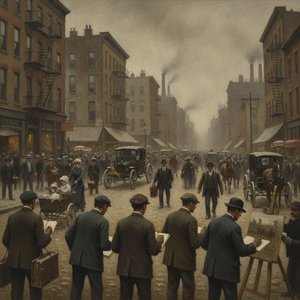
The Ashcan School: Capturing the Raw, Unfiltered Soul of Urban Life through American Realism
Discover the raw beauty of the Ashcan School. Explore how masters like Bellows and Henri captured the gritty, vibrant soul of early 20th-century New York through profound American Realism and evocative urban landscapes.

The Unvarnished Truth: A Cultural Journey Through the Soul of American Realism
Explore the profound beauty of American Realism. From the Ashcan School's urban grit to intimate portraits, discover how artists captured the authentic soul of a nation through unvarnished truth and masterful observation.

Capturing the Soul of Nature: A Journey Through the Sublime Majesty of American Romanticism
Explore the breathtaking beauty of American Romanticism. Discover how Hudson River School masters captured the sublime spirit of the wilderness through luminous oil landscapes and emotional depth. A journey into the soul of nature for the true art enthusiast.
Разгледайте произведения на изкуството, организирани по теми, стилове и характеристики.


