

 Преглед в реален мащаб
 Сподели
 Сподели
 Подробности
 Ръководство

 Изтегляне
 Подобни артикули
 Рентгенова снимка
 Слайдшоу
 Статистика
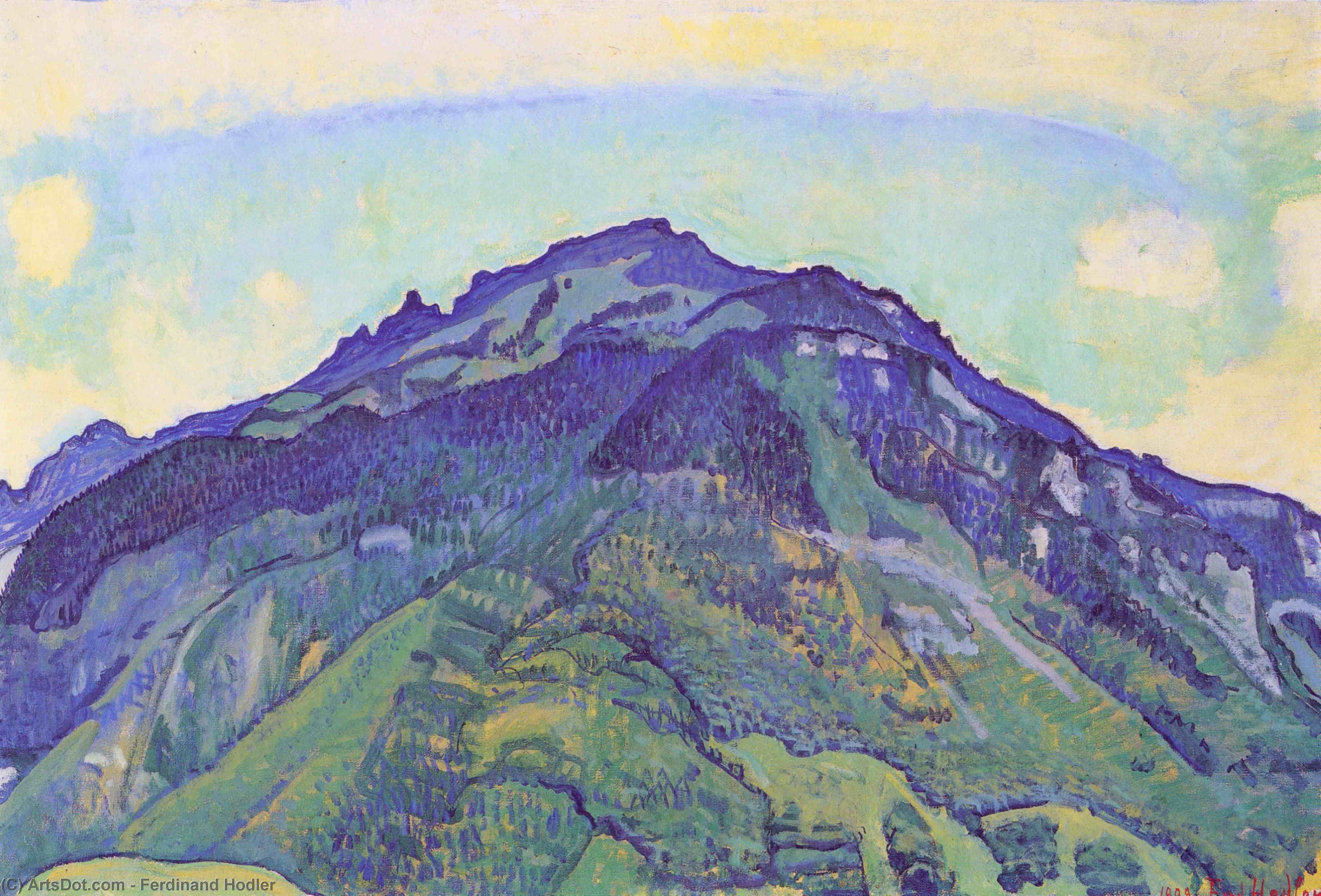
Schynige plate
 Oil On Canvas
- WallArt
- Expressionism
 1909
1909- Modern
 68.0 x 98.0 cm
Ferdinand Hodler’s "Schynige Plate" (1909) – a stunning Expressionist landscape of the Swiss Alps. Oil on canvas, showcasing dynamic lines & vibrant color. Explore Symbolism's beauty.
 Разгърни целия текст
Фердинанд Ходлер е швейцарски символist, известен с пейзажите и уникалния си стил „паралелизъм“. Разгледайте ръчно рисуваните репродукции на неговите шедьоври в TopImpressionists!
Жикле / Художествен принт
Giclée печат или принт върху платно с музейно качество, бързо производство и гъвкави опции за завършен вид. ( Поръчайте ръчно рисувано репродукция на този колекционерски предмет Превключване към дигитално изображение)




P118B €10

P118H €10

P118W €10

P438Z €10

P508JH €12

P508YH €12

P805H €10

P805Z €10

P919BZ €10

P919G €10

P919XJ €10

P959ZH €10

P968JZ €12

W106C €8

W218G €10

W218JH €8

W218Y €10

W307PJ €10

W316G €10

W316PJ €8

W316Y €10

W398PJ €8

W4111J €10

W500HY €15

W500JH €15

W692G €12

W849H €8

W940BG €15

W953PJ €8




Стандартен размер
по поръчка
CM
INCH
Изберете от нашите предварително зададени размери, които съответстват на оригиналните пропорции на произведението.
Loading sizes...

ширина
височина
Въведете необходимата ширина и височина, за да паснат на вашата рамка или стена. Принтовете могат само да се изрязват, но никога не могат да бъдат по-големи от оригиналната картина, така че при размер с различен формат част от изображението ще бъде загубена. Преди да започнем печат, ще ви изпратим дигитален мок업 за одобрение. Изображението, показано на тази страница, не показва реалното изрязване — само мок업ът го показва.
Доставка по целия свят () в рамките на 2 седмици вместо стандартните 4/5 седмици. (24 Октомври)

Безплатна експресна доставка по целия свят

Висококачествено ленено платно

Пълно застраховане на доставката

Гаранция за възстановяване на митнически такси

Гаранция за пълно съответствие на цветовете

Политика за връщане в рамките на 100 дни (само при дефекти)

100% Гаранция за връщане на сумата

Отстъпка при поръчка на повече произведения
 Опцията със стъкло е налична само за размери под 110 см

Schynige plate
Жикле / Художествен принт
Размер на репродукцията
-


Крайна цена
€ 61
The Majesty of the Alps: A Vision in Color
In the heart of the Swiss landscape, where the earth meets the heavens, Ferdinand Hodler captured a moment of profound geological and spiritual grandeur in his 1909 masterpiece, Schynige Plate. This breathtaking oil on canvas is far more than a mere depiction of a mountain range; it is an immersive experience that transports the viewer to the rugged heights of the Alps. The composition is dominated by towering, majestic peaks that pierce a heavy, cloud-swept sky, creating a sense of verticality that commands respect. Through his unique lens, Hodler transforms the familiar topography of Switzerland into a rhythmic dance of shapes and colors, where undulating green hills in the foreground serve as a soft, inviting prelude to the formidable, snow-dusted giants above.
The painting stands as a quintessential example of the transition between Symbolism and Expressionism. Eschewing the photographic precision of traditional realism, Hodler utilizes a technique characterized by flattened perspectives and simplified, almost geometric forms. The mountains are rendered as powerful triangles, while the hills roll in soft, organic curves, creating a visual language that feels both ancient and modern. His use of "parallelism"—a concept Hodler pioneered—is evident in the way repetitive lines and rhythmic patterns move across the canvas, suggesting an underlying order within the wildness of nature. This structural harmony gives the work a monumental stability, making it a captivating focal point for any sophisticated interior.
Texture, Light, and the Soul of the Landscape
To touch the surface of Schynige Plate with one's eyes is to feel the palpable energy of the artist's brush. Hodler employed a thick, impasto technique, applying oil paints with a vigor that lends a tactile, sculptural quality to the mountainside. These heavy strokes catch the light, creating subtle shadows and highlights that change as the viewer moves around the piece. The lighting itself is masterfully diffused, evoking the quiet, contemplative atmosphere of an overcast Alpine day. There is no harsh sunlight here; instead, a soft, pervasive glow illuminates the verdant valleys and the misty peaks, lending the scene a dreamlike, almost ethereal quality.
Beyond its physical beauty, the artwork carries a deep emotional and symbolic weight. For Hodler, the landscape was often a mirror for the human condition. The immense scale of the mountains can be interpreted as symbols of resilience, strength, and the eternal, standing in stark contrast to the fleeting nature of human life—a theme deeply rooted in his personal history of loss. There is a profound sense of solitude within the painting, yet it is not a lonely silence; rather, it is a majestic, awe-inspiring stillness that invites introspection. For collectors and designers, this piece offers more than decoration; it provides a window into a world of sublime beauty, making it an ideal acquisition for those looking to infuse their space with a sense of peace, power, and timelessness.
Въпроси и отговори
Как мога да получа цифров файл на „Schynige plate“ на Фердинанд Ходлер?
За да получите цифров файл на „Schynige plate“ на Фердинанд Ходлер, поръчайте дигитално изтегляне на изображение с висока резолюция на неговата страница Дигитален образ.
Кой е създал "Schynige plate" и през коя година?
Авторът на „Schynige plate“ е Фердинанд Ходлер, а произведението датира от 1909 г.
Какъв е емоционалният тон, който съпътства стила на Expressionism в „Schynige plate“?
Powerful емоцията на „Schynige plate“ допълва нейния Expressionism стил.
Свързани произведения


Биография на художника
A Life Etched in Symbolism: The World of Ferdinand Hodler
Ferdinand Hodler, a name inextricably linked to the landscape and evocative symbolism of Swiss painting, emerged from humble beginnings to become one of the most significant artists of the late 19th and early 20th centuries. Born in Bern, Switzerland, in 1853, his life was profoundly shaped by early loss – a recurring motif that would deeply inform his artistic vision. The untimely deaths of his father and two younger brothers before he reached adolescence instilled within him a contemplative awareness of mortality and the transient nature of existence. These experiences, interwoven with an acute sensitivity to the beauty and power of the natural world, formed the bedrock of his evolving oeuvre. Initially apprenticed to decorative painters, Hodler’s innate talent quickly transcended mere craftsmanship; he harbored a fervent desire for formal artistic training and exploration beyond the constraints of commercial work. This ambition led him to Geneva in 1871, where he immersed himself in study, attending science lectures alongside diligently copying masterpieces at the city's museum – a rigorous education that laid the foundation for his groundbreaking innovations.From Realism to ‘Parallelism’: Forging a Unique Vision
Hodler’s artistic journey was characterized by constant evolution and an unwavering pursuit of expressive power. His early works reflected the prevailing realist style prevalent at the time—portraits, landscapes, and genre scenes executed with meticulous detail. However, he soon found himself constrained by these conventions, seeking a means to convey deeper emotional truths and philosophical ideas. This quest led him towards Symbolism, a movement that deliberately rejected naturalistic representation in favor of subjective experience and evocative imagery. Yet Hodler didn’t simply adopt the tenets of Symbolism; instead, he meticulously crafted his own distinctive approach, which he termed “parallelism.” This unique style involved arranging figures and forms in rhythmic, almost geometric patterns—a visual manifestation of interconnectedness and a deliberate attempt to depict not just *what* he saw, but *how* he felt – the underlying emotional currents that connected all things. The Night, completed in 1890, stands as a pivotal work, marking his decisive turn towards symbolist imagery and sparking considerable debate amongst critics. Despite initial skepticism, the painting garnered significant attention in Paris, establishing Hodler’s reputation beyond Switzerland's borders and signaling the arrival of a truly original voice.Landmarks in Paint: Key Works and Their Significance
Throughout his prolific career, Hodler produced a remarkable body of work that continues to captivate audiences today. The Day, completed in 1893, stands as one of his most ambitious and celebrated achievements—a monumental historical painting showcasing his mastery of composition and symbolism. Housed at the Kunsthaus Zürich, this artwork is a powerful meditation on life, death, and renewal, rendered with an arresting blend of realism and visionary intensity. The sheer scale and emotional weight of The Day cemented Hodler’s position as a leading figure in European art. Other notable works include numerous depictions of the Swiss Alps, imbued with a sense of awe-inspiring grandeur—often capturing fleeting moments of light and shadow that evoke a profound connection to nature. Portraits, too, played a significant role in his oeuvre, revealing his remarkable ability to penetrate the inner lives of his subjects and convey their unique personalities through subtle gestures and expressions. He frequently revisited themes of loss and mourning, perhaps reflecting his own childhood traumas, but always imbued them with a sense of dignity and resilience—a testament to his artistic sensitivity. Works like Truth II (1897) demonstrate Hodler’s ability to seamlessly blend classical forms with modern sensibilities, creating images that are both timeless and strikingly contemporary – a reflection of his innovative spirit and willingness to challenge conventional artistic boundaries.A Lasting Legacy: Influence and Historical Context
Ferdinand Hodler's influence extended far beyond the borders of Switzerland. His innovative use of symbolism and his development of “parallelism” paved the way for Expressionism, with its emphasis on subjective emotion and distorted forms. Artists who followed in his footsteps recognized him as a precursor to their own explorations of inner experience. Hodler’s work also resonated with broader cultural currents of the late 19th and early 20th centuries—a period marked by rapid social change, scientific advancements, and a growing sense of existential anxiety. His paintings offered a visual language for grappling with these complex issues, providing solace and insight in an increasingly uncertain world. Hodler was deeply influenced by the writings of Nietzsche and the philosophical currents of his time, which informed his exploration of themes such as mortality, spirituality, and the search for meaning. Today, Hodler’s works are held in major museums across Europe and beyond, ensuring that his artistic vision continues to inspire and challenge generations of viewers. He remains a towering figure in Swiss art history, celebrated not only for his technical skill but also for his profound emotional depth and unwavering commitment to exploring the mysteries of the human condition.Exploring Hodler Further
- For an in-depth look at his life and work: Wikipedia - Ferdinand Hodler
- Discover more of his paintings at: TopImpressionists - Ferdinand Hodler Collection
- View *The Day* (1893) here: TopImpressionists - The Day

Фердинанд Ходлер
1853 - 1918 , Швейцария
Бързи факти
- Artistic Movement Or Style: Символизъм, Паралелизъм
- Artists Or Movements Influenced By This Artist: ['Експресионизъм']
- Artists Who Influenced This Artist: ['Густав Курбе']
- Date Of Birth: 1853 г.
- Date Of Death: 1918 г.
- Full Name: Фердинанд Ходлер
- Nationality: Швейцарец
- Notable Artworks:
- Нощ
- Ден
- Истина II
- Place Of Birth: Берн, Швейцария
Свързани статии
Capturing Emotion: A Journey Through the Soul of Expressionist Landscapes
Explore the profound emotional depth of Expressionist landscapes. Discover how Post-Impressionist masters moved beyond light to capture the soul through vibrant color and form. A curated journey for true art lovers seeking the beauty of expressive mastery.
Разгледайте произведения на изкуството, организирани по теми, стилове и характеристики.


