


 Преглед в реален мащаб
 Сподели
 Сподели
 Подробности
 Ръководство

 Изтегляне
 Подобни артикули
 Рентгенова снимка
 Слайдшоу
 Статистика
Gypsy Forest
 Oil On Canvas
- WallArt
- Impressionism
 19th Century
 70.0 x 91.0 cm
 Victoria Art Gallery
Explore 'Gypsy Forest' by Sir Frank William Brangwyn – an evocative impressionistic painting of a solitary figure in a dramatic woodland scene. Discover its rich textures & symbolism.
 Разгърни целия текст
Френк Брангвин (1867-1956) е валски художник, известен с ярки ориенталски картини, морски пейзажи и стенописи. Ключова фигура в движението „Изкуство и занаят“. Един от най-значимите декоратори на времето си.
Жикле / Художествен принт
Giclée печат или принт върху платно с музейно качество, бързо производство и гъвкави опции за завършен вид. ( Поръчайте ръчно рисувано репродукция на този колекционерски предмет Превключване към дигитално изображение)




P118B €10

P118H €10

P118W €10

P438Z €10

P508JH €12

P508YH €12

P805H €10

P805Z €10

P919BZ €10

P919G €10

P919XJ €10

P959ZH €10

P968JZ €12

W106C €8

W218G €10

W218JH €8

W218Y €10

W307PJ €10

W316G €10

W316PJ €8

W316Y €10

W398PJ €8

W4111J €10

W500HY €15

W500JH €15

W692G €12

W849H €8

W940BG €15

W953PJ €8




Стандартен размер
по поръчка
CM
INCH
Изберете от нашите предварително зададени размери, които съответстват на оригиналните пропорции на произведението.
Loading sizes...

ширина
височина
Въведете необходимата ширина и височина, за да паснат на вашата рамка или стена. Принтовете могат само да се изрязват, но никога не могат да бъдат по-големи от оригиналната картина, така че при размер с различен формат част от изображението ще бъде загубена. Преди да започнем печат, ще ви изпратим дигитален мок업 за одобрение. Изображението, показано на тази страница, не показва реалното изрязване — само мок업ът го показва.
Доставка по целия свят () в рамките на 2 седмици вместо стандартните 4/5 седмици. (22 Октомври)

Безплатна експресна доставка по целия свят

Висококачествено ленено платно

Пълно застраховане на доставката

Гаранция за възстановяване на митнически такси

Гаранция за пълно съответствие на цветовете

Политика за връщане в рамките на 100 дни (само при дефекти)

100% Гаранция за връщане на сумата

Отстъпка при поръчка на повече произведения
 Опцията със стъкло е налична само за размери под 110 см

Gypsy Forest
Жикле / Художествен принт
Размер на репродукцията
-


Крайна цена
€ 61
The Enigmatic Glow of the Forest Hearth
To stand before Gypsy Forest is to be drawn into a moment suspended between twilight and deep night. Frank Brangwyn captures not merely a scene, but an atmosphere—a profound communion between humanity and the wild embrace of nature. The painting centers on a solitary figure, their presence illuminated by the primal, flickering heart of an open fire. This is an impressionistic vision where the drama unfolds through light itself. The surrounding woods press in, rendered with such density that they feel less like painted trees and more like tangible shadows guarding a secret ritual. One senses the chill dampness of the forest floor contrasting sharply with the vital warmth emanating from the cooking flames.
A Masterclass in Impressionistic Light
Brangwyn’s handling of paint here is nothing short of masterful, showcasing an expressive technique that prioritizes mood over meticulous detail. The visible, broken brushstrokes are key to the painting's vitality; they do not merely describe the wood grain or the fluttering flames, they embody the very act of seeing in low light. This loose application allows the viewer’s eye to complete the picture, participating actively in the creation of the scene. Notice how the light source—the fire—is the compositional anchor, casting dramatic chiaroscuro effects that carve out the figure and the immediate cooking area from the encroaching gloom. The overall effect is one of immersive depth, pulling the observer deep into the heart of this rustic tableau.
Symbolism of Solitude and Sustenance
Beyond its technical brilliance, Gypsy Forest resonates with potent symbolism. The fire itself is a universal emblem: it speaks of sustenance, of community gathered against the cold, yet in this solitary context, it becomes a beacon of personal resilience. The figure, seemingly engaged in the simple act of preparing food, embodies human endurance—the quiet dignity of survival within nature’s vast indifference. It invites contemplation on our own moments of necessary solitude, those times when the essential comforts, like warmth and companionship (even if only with oneself), become paramount.
Bringing the Wild into Your Sanctuary
For the collector or designer seeking art that whispers stories rather than shouts them, this piece offers unparalleled emotional depth. Reproducing the rich texture and evocative color palette of Gypsy Forest allows one to infuse a space with an air of romantic mystery. Imagine this glow captured on a wall—it suggests cozy evenings, untold journeys, and the enduring spirit found at the edge of the known world. It is art that does not simply decorate; it transforms the ambiance, wrapping your room in the warm, mysterious embrace of the forest night.
Въпроси и отговори
Има ли слайдшоу за „Gypsy Forest“ на Френк Брангвин?
„Gypsy Forest“ на Френк Брангвин може да бъде разгледано като слайдшоу на страницата Слайдшоу на произведението.
По-скоро светла или по-скоро тъмна е „Gypsy Forest“ като цяло?
„Gypsy Forest“ е с обща яркост deep_shadow, а неговата светлост е Dark.
Как се свързва сюжетът на „Gypsy Forest“ с обичайните теми на Френк Брангвин?
Повторящите се теми в творчеството на Френк Брангвин включват orientalist landscapes, british empire influence, romantic wilderness", exploration & adventure, solitary human spirit, nature's power & danger, brangwyn's signature style, murals & decorative art; „Gypsy Forest“ се фокусира върху forest, firelight, solitude, wilderness, rustic, landscape, survival.
Свързани произведения


Биография на художника
A Life Forged in Light and Labor: The World of Frank Brangwyn
Frank William Brangwyn, a name synonymous with vibrant color, dramatic landscapes, and the spirit of the British Empire, was born on May 13th, 1867, in Bruges, Belgium. His early life, steeped in artistic tradition thanks to his father, William Curtis Brangwyn – an architect specializing in church furniture – laid the foundation for a career that would span over six decades and leave an indelible mark on both British and European art. The family’s return to England in 1875 proved pivotal, thrusting young Frank into the heart of London's burgeoning artistic scene, a world far removed from the quiet workshops of his Belgian upbringing. Despite limited formal education – he frequently skipped classes at Westminster City School to immerse himself in the South Kensington Museum and its treasures – this self-directed learning fostered an independent spirit and a profound appreciation for visual form that would define his unique approach to art. His apprenticeship with Arthur Heygate Mackmurdo and, crucially, William Morris, initially focused on practical skills like glazing, embroidery, and wallpaper design, instilled in him the core principles of the Arts and Crafts movement – a commitment to integrating art into everyday life and celebrating craftsmanship. However, it was his burgeoning passion for painting that truly ignited within him, culminating in a prestigious medal at the 1891 Paris Salon for his evocative “Funeral at Sea,” a recognition that solidified his dedication to a career as an artist.From Maritime Scenes to Orientalist Visions
Brangwyn’s artistic journey began with a deep fascination for the maritime world, mirroring both personal interests and the prevailing tastes of the late 19th century. He meticulously captured the drama and toil of life at sea – the churning waves, the weathered faces of sailors, the imposing silhouettes of ships against the horizon – demonstrating an exceptional eye for detail and atmospheric effect. His early works, such as “The Golden Horn, Constantinople,” stand in stark contrast to the more somber tones of pieces like "Funeral at Sea," reflecting a deliberate shift towards brighter palettes and exotic subject matter. This transformation was fueled by his extensive travels throughout the 1890s – to Istanbul, Spain, Egypt, Turkey, and Morocco – experiences that profoundly impacted his artistic vision. These journeys weren’t merely sightseeing trips; they were immersive explorations of cultures, landscapes, and light, resulting in a dramatic infusion of vibrant color, intricate motifs, and a newfound sense of luminosity into his work. The influence of Orientalism is undeniably present, particularly evident in paintings like “The Golden Horn,” where the warm hues of the Turkish landscape and the figures themselves evoke a sense of mystery and allure. He wasn’t simply copying exotic scenes; he was actively engaging with them, absorbing their essence and translating it into his own unique artistic language. This period marked a significant departure from traditional British painting, aligning him with a broader European trend towards embracing diverse cultural influences.A Prolific Output and Monumental Commissions
The sheer volume of Brangwyn’s output is truly astonishing – estimated to exceed 12,000 works encompassing paintings, drawings, etchings, wood engravings, lithographs, architectural designs, furniture design, ceramics, and even stained glass. This relentless productivity was driven by an unwavering dedication and a boundless curiosity, constantly seeking new subjects and techniques. He became renowned for his large-scale mural commissions, characterized by their breathtaking scale, intricate detail, and often monumental presence. These murals weren’t merely decorative; they were ambitious statements of artistic vision, transforming public spaces into vibrant showcases of color and imagination. A particularly significant moment came in 1895 when Siegfried Bing, a prominent art dealer, commissioned him to decorate the exterior of Galerie l'Art Nouveau in Paris – an opportunity that opened doors to a wider world of decorative arts collaborations. Beyond murals, Brangwyn excelled in illustration, creating stunning images for a six-volume reprint of Edward William Lane’s “One Thousand and One Nights,” showcasing his remarkable ability to capture narrative detail and exotic imagery. His work spanned diverse media – from intricate woodblock prints created in collaboration with Japanese artist Urushibara Mokuchu to detailed architectural plans – demonstrating a remarkable versatility that set him apart from many of his contemporaries.The British Empire Panels and Lasting Legacy
Perhaps the most ambitious, and ultimately controversial, project undertaken by Brangwyn was his commission for a series of sixteen monumental murals depicting scenes from the British Empire in 1924. These vast panels, measuring over 3,000 square feet, were intended to adorn the House of Lords and celebrate the wealth and power of the nation’s global reach. However, after initial acceptance, the panels were ultimately rejected by Parliament, deemed unsuitable for their intended location due to their scale and subject matter. These magnificent works found a new home in Swansea's Guildhall, where they now serve as a poignant reminder of Brangwyn’s artistic vision and the complexities of historical representation. The story behind this rejection highlights the evolving social and political landscape of Britain during that era – a period marked by growing scrutiny of colonialism and its impact on indigenous populations. Despite the setback, Brangwyn continued to produce works throughout his life, solidifying his reputation as one of the most prolific and influential artists of his time. He received numerous honors, including being knighted in 1941, and his legacy continues to be celebrated through exhibitions and scholarly research.Personal Reflections
Beyond his artistic achievements, Frank Brangwyn’s personal life was marked by both passion and complexity. He married Lucy Ray in 1896, a nurse who provided him with a stable domestic environment, though they remained childless. He spent much of his later years residing at Temple Lodge in Hammersmith, London, and later purchased The Jointure in Ditchling, Sussex – reflecting a desire for both urban engagement and the tranquility of rural life. Brangwyn’s life stands as a testament to the power of dedication, innovation, and an unwavering commitment to artistic expression—a legacy that continues to inspire awe and admiration today. His work remains a vibrant reminder of a transformative era in British art, blending historical grandeur with a deeply personal vision.
Френк Брангвин
1867 - 1956 , Белгия
Бързи факти
- Artistic Movement Or Style: Арт Нуво, Ориентализъм
- Artists Or Movements Influenced By This Artist: ['Британско декоративно изкуство']
- Artists Who Influenced This Artist: ['Уилям Морс']
- Date Of Birth: 1867
- Date Of Death: 1956
- Full Name: Sir Frank William Brangwyn
- Nationality: Британски
- Notable Artworks:
- Funeral At Sea
- The Golden Horn
- Arab Musicians
- Place Of Birth (City And Country): Брюгге, Белгия
Свързани статии

The Beauty of Impermanence: Capturing Decay through Impressionist Eyes
Explore the profound beauty of impermanence through Impressionist and Post-Impressionist eyes. Discover how masters like Monet and Van Gogh captured fleeting light and the poetic essence of nature's transitions in our deep dive into art history and emotional landscapes.

Capturing the Soul: The Most Emotionally Moving Impressionist and Post-Impressionist Masterpieces
Discover the profound emotional depth of Impressionist and Post-Impressionist masterpieces. Explore how legends like Monet, Van Gogh, and Gauguin captured light and soul through evocative landscapes and vibrant brushwork for a timeless connection to art history.

Beyond the Light: Capturing Raw Emotion and Subjective Vision in Post-Impressionist Landscapes
Explore the profound emotional depth of Post-Impressionist landscapes. Discover how masters like Van Gogh moved beyond light to capture raw human feeling through vibrant color and expressive texture in this expert art history retrospective.
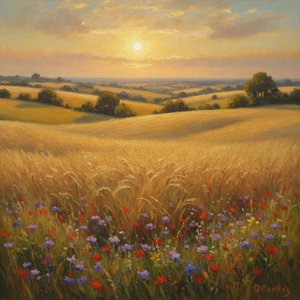
Golden Fields & Sun-Drenched Meadows: Capturing the Soul of Impressionist Landscapes
Immerse yourself in the luminous world of Impressionist landscapes. Discover how masters like Monet and Gauguin captured ephemeral light through plein air painting, and learn to bring the soul of sun-drenched meadows into your home with exquisite, hand-painted oil reproductions.
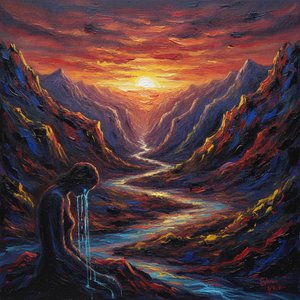
Capturing Emotion: A Journey Through the Soul of Expressionist Landscapes
Explore the profound emotional depth of Expressionist landscapes. Discover how Post-Impressionist masters moved beyond light to capture the soul through vibrant color and form. A curated journey for true art lovers seeking the beauty of expressive mastery.