


 Преглед в реален мащаб
 Сподели
 Сподели
 Подробности
 Ръководство

 Изтегляне
 Подобни артикули
 Рентгенова снимка
 Слайдшоу
 Статистика
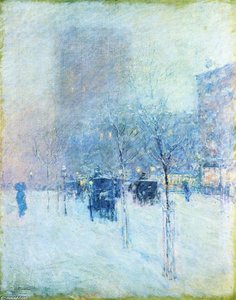
winter in union square


Discover Childe Hassam’s "Winter in Union Square," an atmospheric Impressionist painting of a snowy DC scene. Explore its loose brushwork, grand architecture & melancholic beauty.
 Разгърни целия текст
Фредерик Хасам е пионер на американския импресионизъм, известен с ярките си градски и крайбрежни пейзажи. Той улавя духа на Америка през 19 век и началото на 20-ти.
Жикле / Художествен принт
Giclée печат или принт върху платно с музейно качество, бързо производство и гъвкави опции за завършен вид. ( Поръчайте ръчно рисувано репродукция на този колекционерски предмет Превключване към дигитално изображение)




P118B €10

P118H €10

P118W €10

P438Z €10

P508JH €12

P508YH €12

P805H €10

P805Z €10

P919BZ €10

P919G €10

P919XJ €10

P959ZH €10

P968JZ €12

W106C €8

W218G €10

W218JH €8

W218Y €10

W307PJ €10

W316G €10

W316PJ €8

W316Y €10

W398PJ €8

W4111J €10

W500HY €15

W500JH €15

W692G €12

W849H €8

W940BG €15

W953PJ €8




Стандартен размер
по поръчка
CM
INCH
Изберете от нашите предварително зададени размери, които съответстват на оригиналните пропорции на произведението.
Loading sizes...

ширина
височина
Въведете необходимата ширина и височина, за да паснат на вашата рамка или стена. Принтовете могат само да се изрязват, но никога не могат да бъдат по-големи от оригиналната картина, така че при размер с различен формат част от изображението ще бъде загубена. Преди да започнем печат, ще ви изпратим дигитален мок업 за одобрение. Изображението, показано на тази страница, не показва реалното изрязване — само мок업ът го показва.
Доставка по целия свят () в рамките на 2 седмици вместо стандартните 4/5 седмици. (25 Октомври)

Безплатна експресна доставка по целия свят

Висококачествено ленено платно

Пълно застраховане на доставката

Гаранция за възстановяване на митнически такси

Гаранция за пълно съответствие на цветовете

Политика за връщане в рамките на 100 дни (само при дефекти)

100% Гаранция за връщане на сумата

Отстъпка при поръчка на повече произведения
 Опцията със стъкло е налична само за размери под 110 см

winter in union square
Жикле / Художествен принт
Размер на репродукцията
-


Крайна цена
€ 61
A Winter Reverie in Union Square – An Impressionistic Masterpiece by Frederick Childe Hassam
Frederick Childe Hassam’s “Winter in Union Square,” painted in 1892, is more than a depiction of a snowy urban scene; it's a poignant meditation on solitude, grandeur, and the subtle beauty found within the heart of American life. This evocative work, rendered with the signature loose brushstrokes of the Impressionist movement, transports us to a hushed Washington D.C. winter afternoon, capturing a fleeting moment of quiet contemplation amidst the bustle of city existence.
- Subject Matter: The canvas unfolds with a panoramic view of Union Square, dominated by the imposing Treasury Building – a symbol of American power and history – partially obscured by a blanket of fresh snow. Scattered figures, bundled in warm clothing, navigate the icy streets alongside horse-drawn carriages, creating a tableau of everyday urban life transformed by winter’s embrace.
- Style & Technique: Hassam's approach firmly anchors him within the American Impressionist movement. Rejecting the meticulous detail favored by academic painters, he prioritizes capturing the *impression* of light and atmosphere. The painting is characterized by short, broken brushstrokes – a wet-on-wet technique – that blend colors to create an ethereal effect, conveying the cold, shimmering quality of the snow and the diffused winter light.
The Painter’s Vision: Hassam's Unique Path
Born in Boston in 1859, Frederick Childe Hassam forged his own artistic path, diverging from the European tradition that dominated much of the late nineteenth century. Initially working as an illustrator for prominent American magazines like *Harper’s Weekly* and *Scribner’s Monthly*, he developed a keen eye for observation and storytelling – skills that would profoundly influence his later work. While a brief sojourn in Paris provided exposure to European artistic currents, Hassam ultimately found his inspiration in the landscapes and urban scenes of America. His paintings are not mere copies of reality; they are interpretations imbued with emotion and a distinctly American sensibility.
Symbolism and Emotional Resonance
“Winter in Union Square” resonates with a quiet melancholy, inviting viewers to contemplate the beauty of solitude and the passage of time. The muted color palette – dominated by blues, grays, and whites – reinforces this mood, while the blurred forms of the figures and carriages contribute to a sense of detachment and introspection. The grand scale of the Treasury Building subtly reminds us of America’s historical legacy, yet the scene's overall atmosphere suggests a moment of quiet reflection away from the pressures of public life. It is a painting that speaks to the human condition – our moments of peace amidst the chaos of existence.
Historical Context and Artistic Significance
Painted in 1892, “Winter in Union Square” reflects the burgeoning American Impressionist movement’s embrace of modern urban life. Hassam's work stands as a pivotal contribution to the development of American art, establishing a distinct national style that blended European influences with uniquely American themes and sensibilities. This piece exemplifies his ability to capture not just a visual scene but also the emotional essence of a particular moment in time – a testament to his artistic vision and enduring legacy.
Въпроси и отговори
За какво се разказва в "winter in union square"?
Темите, представени в „winter in union square“ на Фредерик Хасам, включват winter scene, urban landscape, snowy city, dc architecture, impressionism, atmospheric art, historical setting, american art. Заедно те обобщават съдържанието на произведението.
Кога е създадена и от кой стил е „winter in union square“ на Фредерик Хасам?
"winter in union square" е създадена през 1892 като произведение на течението Impressionism. Датата и художественото направление поставят творбата в контекста на историята на изкуството.
Използва ли „winter in union square“ на Фредерик Хасам силни контрасти или меки хармонии?
В „winter in union square“ Serene контрастът е съчетат с Strong Color Unity хармония.
Свързани произведения




Биография на художника
A Pioneer of American Impressionism: The Life and Art of Frederick Childe Hassam
Born in Boston on October 17, 1859, Frederick Childe Hassam emerged as a pivotal figure in the blossoming of American Impressionism. His journey from a childhood inclination towards art to becoming one of the nation’s most celebrated painters is a testament to his dedication and unique vision. Unlike many of his contemporaries who sought extensive formal training in Europe, Hassam largely developed his skills through self-study and practical application, initially working as an illustrator for magazines like *Harper's Weekly* and *Scribner’s Monthly*. This early experience honed his observational skills and instilled a sense of narrative within his compositions—qualities that would remain hallmarks of his style. Though he did eventually travel to Europe in 1886, studying briefly in Paris, it was the American landscape and urban life that truly captured his artistic imagination. He wasn’t simply replicating European techniques; he was adapting them to depict a distinctly *American* experience.
Hassam's early career began with illustration work for prominent magazines. This period provided him with invaluable training in capturing detail, composition, and storytelling – skills that would later inform his paintings of urban scenes and landscapes. He quickly developed a distinctive style, characterized by loose brushstrokes, vibrant colors, and an emphasis on capturing fleeting moments of light and atmosphere. His illustrations were not merely decorative; they possessed a narrative quality, reflecting the spirit of the times.
Early Influences and European Studies
Hassam’s artistic development was significantly shaped by his exposure to various influences. He initially admired the works of J.M.W. Turner, whose atmospheric landscapes demonstrated a masterful use of light and color. This admiration led him to study Turner's techniques extensively, which profoundly impacted his approach to painting. His travels to Europe in 1886 proved transformative. While he spent time in Paris, studying under artists like Monet and Degas, Hassam quickly realized that the true inspiration for his art lay not in mimicking European styles but in capturing the essence of American life.
He found beauty not only in idyllic landscapes but also in the bustling energy of modern cities like New York and Boston. His time in Paris provided him with a deeper understanding of Impressionist principles, particularly the importance of *plein air* painting – working outdoors to directly observe and capture the effects of light and atmosphere. However, Hassam’s artistic vision remained firmly rooted in his American identity.
Capturing Modern America: Urban Landscapes and Portraits
Hassam's art is immediately recognizable for its luminous quality, achieved through a masterful manipulation of light and color. He embraced the Impressionist principles of capturing fleeting moments and atmospheric effects, but he infused his work with a uniquely American sensibility. He found beauty not only in idyllic landscapes but also in the bustling energy of modern cities like New York and Boston. His paintings often depict scenes of urban life – fashionable ladies strolling along Fifth Avenue, horse-drawn carriages navigating crowded streets, or quiet moments within domestic interiors.
These weren’t just depictions of places; they were portraits of a rapidly changing society, capturing the vibrancy and dynamism of late 19th and early 20th century America. Works like *The Sonata* (1893) exemplify his ability to evoke mood and atmosphere through subtle color harmonies and delicate brushwork, creating an intimate and contemplative experience for the viewer. His coastal scenes, such as *Gloucester* (1899), demonstrate a similar sensitivity to light and atmosphere, transforming ordinary harbors into shimmering visions of tranquility.
The Flag Paintings and Patriotic Expression
With the outbreak of World War I, Hassam’s artistic focus shifted dramatically. Inspired by a surge of patriotic fervor, he embarked on a series of paintings depicting American flags waving along Fifth Avenue in New York City. These “Flag” paintings, created between 1916 and 1919, are perhaps his most iconic works. They aren't simply representations of national symbols; they are powerful expressions of civic pride and wartime solidarity.
The vibrant colors and dynamic compositions convey a sense of energy and optimism amidst the turmoil of global conflict. *Victory Day, May 1919* is a prime example, capturing the jubilant atmosphere of New York City following the armistice. These paintings represent a significant departure from his earlier work, reflecting the national mood and demonstrating his ability to engage with contemporary events through art.
Legacy and Enduring Influence
Frederick Childe Hassam passed away in East Hampton, New York, on August 27, 1935, leaving behind a vast and influential body of work. His legacy extends far beyond his technical mastery; he played a crucial role in establishing American Impressionism as a distinct artistic movement. He demonstrated that American artists could not only embrace European techniques but also adapt them to create something uniquely their own. His paintings continue to resonate with audiences today, offering glimpses into a bygone era and reminding us of the enduring power of art to capture the spirit of a time and place. Hassam’s influence can be seen in the work of countless artists who followed him, solidifying his position as one of the most important figures in American art history.

Фредерик Хасам
1859 - 1935 , Съединени американски щати
Бързи факти
- Artistic Movement Or Style: Импресионизъм, Тонализъм
- Artists Or Movements Influenced By This Artist: ['Американски импресионизъм']
- Artists Who Influenced This Artist: ['Клод Моне']
- Date Of Birth: 17 октомври 1859
- Date Of Death: 27 август 1935
- Full Name: Frederick Childe Hassam
- Nationality: Американски
- Notable Artworks:
- The Sonata
- Gloucester
- Victory Day
- Place Of Birth: Бостън, САЩ
Свързани статии

Modern Soul, Timeless Light: Bringing the Magic of Impressionist Masterpieces into Contemporary Interiors
Discover how to infuse contemporary spaces with the luminous magic of Impressionism. From Monet's light to Renoir's warmth, learn expert tips for styling hand-painted masterpieces and custom art reproductions in your modern home.

The Art of Connection: Capturing Beautiful Gatherings through Impressionist Masterpieces
Explore the profound beauty of human connection through Impressionist and Post-Impressionist masterpieces. Discover how masters like Renoir and Van Gogh captured light, emotion, and communal joy in timeless works of art designed to inspire your home.

Painting with Light: How Impressionist Masterpieces Transform Your Home's Mood
Discover how Impressionist masterpieces transform your home's mood. Explore the luminous beauty of Monet and Renoir through our exquisite, hand-painted oil reproductions designed to bring light, warmth, and timeless elegance to your living space.

Capturing Contemplation: The Most Thoughtful Impressionist Masterpieces
Explore the profound emotional depth of Impressionist and Post-Impressionist masterpieces. From Renoir's tranquil landscapes to Van Gogh's vibrant soul, discover how these legendary artists captured the essence of contemplation through light, color, and texture.

Capturing the Soul: The Most Emotionally Moving Impressionist and Post-Impressionist Masterpieces
Discover the profound emotional depth of Impressionist and Post-Impressionist masterpieces. Explore how legends like Monet, Van Gogh, and Gauguin captured light and soul through evocative landscapes and vibrant brushwork for a timeless connection to art history.
Разгледайте произведения на изкуството, организирани по теми, стилове и характеристики.


