

 Преглед в реален мащаб
 Изпрати
 Сподели
 Детайли
 Ръководство

 Изтегляне
 Подобни артикули
 Рентгенова снимка
 Слайдшоу
 Въпроси и отговори
 Статистика
Aicha and Laurette


Discover Henri Matisse's 'Aicha and Laurette,' a captivating 1917 portrait brimming with bold colors & simplified forms, exemplifying Post-Impressionism’s vibrant spirit. Explore its historical context & artistic significance.
 Прочети повече
Анри Матис (1869-1954) е френски художник, основоположник на фовизма и майстор на цвета. Известен с ярките си картини, колажите и влиянието си върху модерното изкуство.
Жикле / Художествен принт
Giclée печат или принт върху платно с музейно качество, бързо производство и гъвкави опции за завършен вид. ( Купете ръчно рисувана картина Превключване към дигитално изображение)




P118B €10

P118H €10

P118W €10

P438Z €10

P508JH €12

P508YH €12

P805H €10

P805Z €10

P919BZ €10

P919G €10

P919XJ €10

P959ZH €10

P968JZ €12

W106C €8

W218G €10

W218JH €8

W218Y €10

W307PJ €10

W316G €10

W316PJ €8

W316Y €10

W398PJ €8

W4111J €10

W500HY €15

W500JH €15

W692G €12

W849H €8

W940BG €15

W953PJ €8




Стандартен
персонализиран
CM
INCH
Изберете от нашите предварително зададени размери, които съответстват на оригиналните пропорции на произведението.
Loading sizes...

ширина
височина
Въведете необходимата ширина и височина, за да паснат на вашата рамка или стена. Принтовете могат само да се изрязват, но никога не могат да бъдат по-големи от оригиналната картина, така че при размер с различен формат част от изображението ще бъде загубена. Преди да започнем печат, ще ви изпратим дигитален мок업 за одобрение. Изображението, показано на тази страница, не показва реалното изрязване — само мок업ът го показва.
Доставка по целия свят () в рамките на 2 седмици вместо стандартните 4/5 седмици. (3 Ноември)

Безплатна експресна доставка по целия свят

Висококачествено ленено платно

Пълно застраховане на доставката

Гаранция за възстановяване на митнически такси

Гаранция за пълно съответствие на цветовете

Политика за връщане в рамките на 100 дни (само при дефекти)

100% Гаранция за връщане на сумата

Оферта за отстъпка при поръчка на повече бройки
 Опцията със стъкло е налична само за размери под 110 см

Aicha and Laurette
Жикле / Художествен принт
Размер на репродукцията
-


Обща цена
€ 62
A Captivating Portrait of Domesticity: Aicha and Laurette by Henri Matisse
Henri Matisse’s “Aicha and Laurette,” painted in 1917, is more than just a portrait; it's a carefully constructed tableau vivant—a snapshot of quiet intimacy rendered with the artist’s signature bold colors and simplified forms. Created during a pivotal period in his career, amidst the turmoil of World War I, this oil on canvas offers a glimpse into domestic life, subtly reflecting both the anxieties of the era and Matisse’s evolving artistic vision. The painting immediately draws the eye to its vibrant palette – primarily yellows, reds, and oranges—a deliberate choice that elevates the scene beyond mere realism, injecting it with an undeniable sense of warmth and energy. It's a testament to Matisse’s mastery of color as a means of conveying emotion and atmosphere.
At first glance, the composition appears remarkably simple: two women seated side-by-side, bathed in the golden light of a domestic interior. However, closer observation reveals a wealth of detail and carefully considered elements. The figures, Aicha and Laurette (their names themselves hinting at cultural diversity), are depicted with an almost childlike directness. Matisse’s technique emphasizes their essential forms—the curve of a shoulder, the suggestion of a hand—rather than striving for photographic accuracy. Their faces, rendered in broad strokes, convey a sense of serene contemplation, each woman seemingly lost in her own thoughts. The placement of the two chairs behind them subtly anchors the scene, creating a feeling of stability and groundedness amidst the vibrant colors.
The Fauvist Influence and Post-Impressionist Roots
“Aicha and Laurette” firmly establishes Matisse as a key figure in the Fauvist movement, a style he pioneered alongside André Derain. The Fauves—meaning “wild beasts”—were known for their use of intense, often jarring colors, rejecting traditional artistic conventions in favor of emotional expression. While Matisse’s palette is undeniably bold, it's crucial to recognize that "Aicha and Laurette" also retains elements of his earlier Post-Impressionist training. The flattened forms, the emphasis on decorative patterns—particularly evident in the arrangement of the oranges scattered throughout the scene—echo the work of artists like Cézanne and Pissarro, whom Matisse deeply admired. The deliberate simplification of shapes, a hallmark of both movements, serves to heighten the emotional impact of the painting.
A Reflection of Wartime France
It’s important to consider the historical context in which “Aicha and Laurette” was created: World War I profoundly impacted French society. Matisse, residing in Nice during this period, shifted his focus away from large-scale public works and towards more intimate subjects—domestic scenes and still lifes. This shift reflects a broader trend among artists seeking solace and stability amidst the chaos of war. The painting’s quiet atmosphere, its emphasis on human connection, can be interpreted as a yearning for normalcy and peace in a world ravaged by conflict. The oranges themselves, often associated with abundance and prosperity, might symbolize hope and resilience during a time of scarcity.
A Legacy Preserved at the Staatsgalerie
Currently housed within the prestigious collection of the Staatsgalerie Moderner Kunst in Munich, “Aicha and Laurette” stands as a testament to Matisse’s enduring legacy. The museum's commitment to showcasing this pivotal work ensures that future generations can appreciate the artist’s innovative approach to color, form, and composition. The painting continues to inspire art enthusiasts and scholars alike, offering a captivating glimpse into a moment in time—and a profound meditation on the beauty of everyday life.
Resources for Further Exploration:
- View the original painting on TopImpressionists: Here
- Learn more about the Staatsgalerie Moderner Kunst museum on TopImpressionists: Here
- Read more about Henri Matisse's life and work on Wikipedia: Here
Въпроси и отговори
Каква е техниката и датата на създаване на „Aicha and Laurette“ на Хенри Матис?
"Aicha and Laurette" е създадена през 1917 с използването на техниката Масло върху платно. Материалът и датата описват как и кога е създаден оригиналът.
За какво място и за каква цел се препоръчва "Aicha and Laurette"?
„Aicha and Laurette“ на Хенри Матис се препоръчва за Декларация, идеално в Дневна стая. Комбинацията от предназначение и пространство подсказва къде репродукцията ще изглежда най-добре.
Как мога да си купя принт на „Aicha and Laurette“ на Хенри Матис?
"Aicha and Laurette" е достъпна като художествен принт върху памучно платно или архивен канвас хартия. Можете да направите поръчка на страницата за Художествен принт, в размер по ваш избор.
Биография на художника
Животът, потопен в цвят: Светът на Анри Матис
Анри Емил Беноа Матис, роден на 31 декември 1869 г. в малкия севернофренски град Като-Камбрези, не е бил предопределен за живот, потопен в пигменти и форми. Първоначално изучавал право в Париж след завършване на средното училище, но пътят му драматично се променя след пристъп на апендицит през 1889 г. Прикован към леглото си, той открива латентна страст, запалена от простото рисуване с комплект художествени материали, подарен му от майка му. Това не е било просто разсейване; това е било откровение – повратна точка, която го отклонява от правните документи и към свят, в който цветът ще се превърне в негов език, а платното – в негово царство. Израснал в Боен-ан-Вермандоа като син на търговци на зърно, Матис първоначално изглежда малко вероятно да приеме бохемския живот на артист, но семето е било посадено, подхранвано от възстановяването и разцъфтяващо в цял живот отдаденост. Той се записва в Académie Julian, а по-късно в École Nationale des Beaux-Arts, изучавайки при Уилям-Адолф Бугро и Гюстав Моро, усвоявайки класически техники, които ще послужат като основа за бъдещите му иновации. Ранните му творби отразяват това академично обучение, демонстрирайки умения, но липсващи отличителният глас, който скоро ще го определи.Зората на Фовизма и смелите експерименти
Ключов момент настъпва през 1896 г., по време на посещение в Бел Ил с австралийския художник Джон Ръсел. Тази среща се оказва трансформираща. Ръсел запознава Матис с жизнения свят на импресионизма и, което е още по-важно, с емоционално заредените платна на Винсент ван Гог. Въздействието е дълбоко. Експресивната употреба на цвят от Ван Гог разбива предишната сдържана палитра на Матис, подтиквайки го към по-дързък, субективен подход. Той започва да се отдалечава от земните тонове, възприемайки нюанси, които резонират с чувствата, а не със стриктното представяне. Това изследване кулминира в появата на Фовизма около 1905 г. – движение, в което Матис става водеща фигура. Самото име, означаващо „диви зверове“, първоначално е презрително, дадено от критик върху шокиращо ярките и нереалистични картини на групата, изложени в Салона д'Отомн. Матис, заедно с художници като Андре Деран и Морис де Вламин, защитава интензивния цвят като независим елемент на изразяване, опростявайки формите, за да усили въздействието му. Картини като *Гурките* (1905) са пример за този стил – вихър от червени, зелени и жълти цветове, приложени със свобода, която пренебрегва традиционната перспектива и миметична точност. Ключовите характеристики включват интензивно наситени палитри, опростени форми, експресивни мазки и умишлено отхвърляне на конвенционалното представяне в полза на емоционалния резонанс.Рафиниране и декоративна хармония
След първоначалния ентусиазъм на Фовизма, стилът на Матис претърпява фин, но значителен еволюция. Въпреки че никога не се отказва от любовта си към цвета, работата му става по-рафинирана, клонейки към декоративен естетика, която подчертава сплесканите форми и сложните модели. Той изследва теми за свободното време, домашния живот и човешката фигура в спокойна обстановка, създавайки композиции, които се чувстват едновременно хармонични и емоционално резонансни. Преместването му в Ница на Френската Ривиера през 1917 г. допълнително повлиява тази промяна, изпълвайки работата му с усещане за спокойствие и класически баланс. Той започва да се фокусира върху създаването на среди – картини, скулптури и декоративни предмети – които обгръщат зрителя в атмосфера на красота и спокойствие. Този период го вижда експериментиращ с различни медии, включително керамика и текстил, разширявайки артистичното си виждане отвъд традиционното платно. Той не просто изобразяваше сцени; той конструираше светове, предназначени да предизвикат специфичен емоционален отговор.Късни години: Иновации чрез ограничения
Тъй като влошаващото се здраве ограничава способността на Матис да рисува по конвенционален начин, той предприема изключителен нов етап в артистичното си пътуване – създаването на колажи от хартия или *декупажи*. Започвайки около 1947 г., тези творби са родени от необходимост. Прикован към инвалидна количка, той не може физически да стои и рисува, но все още може да манипулира хартия с ножици. Това, което започва като практическо решение, се превръща в новаторна артистична техника. Той би боядисвал големи листове хартия в ярки цветове, след това ги изрязва във форми – органични форми, листа, фигури – и ги подрежда върху платното, създавайки композиции, които са едновременно динамични и привидно прости. Тези *декупажи* не бяха просто заместители на рисуването; те представляваха нов начин на мислене за цвят, форма и композиция. Те продължават цялостното му изследване на тези елементи през целия му живот, демонстрирайки трайно артистично виждане дори пред физическите ограничения.- Техниката с хартия му позволява да постигне чистота на формата и цвета, която е трудно да се постигне с боя.
- Тези творби често препращат към по-ранни теми и мотиви от неговите картини, но ги представят по свеж и иновативен начин.
- Те демонстрират способността му да се адаптира и развива като артист през цялата си кариера.
Трайно наследство: Въздействието на Матис върху модерното изкуство
Анри Матис умира в Ница през 1954 г., оставяйки след себе си тяло от работа, което продължава да вдъхновява и пленява публиката по целия свят. Неговото въздействие върху света на изкуството е неоспоримо; той оспорва конвенционалните представи за представяне, защитава експресивната сила на цвета и проправя пътя за бъдещите поколения художници. Често разглеждан заедно с Пабло Пикасо като една от най-влиятелните фигури в изкуството на 20-ти век, Матис фундаментално оформи модернизма. Неговото наследство се простира отвъд самите му произведения на изкуството – то обхваща философия, която празнува радостта, красотата и трансформиращия потенциал на цвета. Той не просто рисуваше това, което вижда; той създаваше емоционално преживяване за зрителя, канейки го да сподели неговото виждане за свят, наситен със светлина и ярки нюанси. Влиянието на Матис може да се види в безброй творби от художници в различни дисциплини, затвърждавайки мястото му като истински майстор на модерното изкуство – художник, който смее да види света не такъв, какъвто е, а какъвто би могъл да бъде, изпълнен с цвят
Хенри Матис
1869 - 1954 , Франция
Бърза информация
- Влиятелни Художници:
- Ван Гог
- Русел
- Шукин
- Дата На Раждане: 31 декември 1869 г.
- Дата На Смърт: 3 ноември 1954 г.
- Известни Творби:
- Гуршета
- Танц
- Място На Раждане: Като-Камбрези, Франция
- Националност: Французин
- Повлияни Течения/Художници:
- Модернизъм
- Експресионизъм
- Пълно Име: Анри Емил Беноа Матис
- Художествено Течение: Фовизъм
Свързани статии
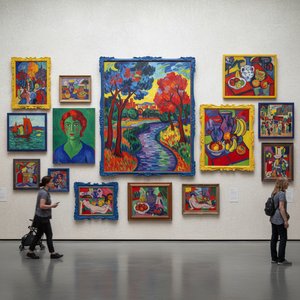
Топ 10 шедьоври на Фовизма: Цвят и емоция в изкуството | TopImpressionists.com
Открийте 10 шедьовъра на Фовизма с Анри Матис, Андре Дерен и други майстори! Разгледайте историите зад тези цветни произведения на изкуството и се вдъхновете за вашия интериор. Репродукции картини с музейно качество – TopImpressionists.com

Топ 25 шедьовъра на Анри Матис: Цвят, светлина и модерно изкуство за вашия дом
Разгледайте топ 25 шедьовъра на Анри Матис – от фовизма до абстрактното изкуство. Вдъхновете се за вашия интериор с цветните картини и репродукции високо качество на TopImpressionists.com. Открийте цялата колекция онлайн!

Beyond Impressionism: The Vibrant Revolution of Post-Impressionist Art
Explore the transformative era of Post-Impressionism. Discover how masters like Cézanne and Matisse revolutionized color and form, moving beyond Impressionism to shape modern art history through structural innovation and expressive emotion.

Топ 10 шедьоври на постимпресионизма: Изкуство за вашия дом от TopImpressionists.com
Разгледайте топ 10 шедьоври на постимпресионизма – Ван Гог, Сезан, Моне и други! Открийте историите зад картините, техниките и емоциите. Репродукции с музейно качество от TopImpressionists.com. Разгледайте пълната колекция онлайн!

Топ 10 шедьоври на Фовизма: Експресия и цвят за вашия дом | TopImpressionists.bg
Открийте 10 шедьовъра на Фовизма – Матис, Дерен и други! Разгледайте експресивните цветове и историите зад най-знаковите картини. Репродукции с музейно качество за вашия дом от TopImpressionists.bg. Разгледайте пълната колекция онлайн!
Разгледайте произведения на изкуството, организирани по теми, стилове и характеристики.


