


 Преглед в реален мащаб
 Сподели
 Сподели
 Подробности
 Ръководство

 Изтегляне
 Подобни артикули
 Рентгенова снимка
 Слайдшоу
 Статистика
Notre Dame


Inspired by Pablo Picasso, Matisse’s work continues to influence artists today, emphasizing color and form as central elements of artistic expression.
 Разгърни целия текст
Анри Матис (1869-1954) е френски художник, основоположник на фовизма и майстор на цвета. Известен с ярките си картини, колажите и влиянието си върху модерното изкуство.
Жикле / Художествен принт
Giclée печат или принт върху платно с музейно качество, бързо производство и гъвкави опции за завършен вид. ( Поръчайте ръчно рисувано репродукция на този колекционерски предмет Превключване към дигитално изображение)




P118B €10

P118H €10

P118W €10

P438Z €10

P508JH €12

P508YH €12

P805H €10

P805Z €10

P919BZ €10

P919G €10

P919XJ €10

P959ZH €10

P968JZ €12

W106C €8

W218G €10

W218JH €8

W218Y €10

W307PJ €10

W316G €10

W316PJ €8

W316Y €10

W398PJ €8

W4111J €10

W500HY €15

W500JH €15

W692G €12

W849H €8

W940BG €15

W953PJ €8




Стандартен размер
по поръчка
CM
INCH
Изберете от нашите предварително зададени размери, които съответстват на оригиналните пропорции на произведението.
Loading sizes...

ширина
височина
Въведете необходимата ширина и височина, за да паснат на вашата рамка или стена. Принтовете могат само да се изрязват, но никога не могат да бъдат по-големи от оригиналната картина, така че при размер с различен формат част от изображението ще бъде загубена. Преди да започнем печат, ще ви изпратим дигитален мок업 за одобрение. Изображението, показано на тази страница, не показва реалното изрязване — само мок업ът го показва.
Доставка по целия свят () в рамките на 2 седмици вместо стандартните 4/5 седмици. (22 Октомври)

Безплатна експресна доставка по целия свят

Висококачествено ленено платно

Пълно застраховане на доставката

Гаранция за възстановяване на митнически такси

Гаранция за пълно съответствие на цветовете

Политика за връщане в рамките на 100 дни (само при дефекти)

100% Гаранция за връщане на сумата

Отстъпка при поръчка на повече произведения
 Опцията със стъкло е налична само за размери под 110 см

Notre Dame
Жикле / Художествен принт
Размер на репродукцията
-


Крайна цена
€ 60
A Symphony of Color Against Parisian Stone
In the heart of Paris, where history meets the pulse of modern life, Henri Matisse’s 1914 masterpiece, Notre Dame, stands as a breathtaking testament to the power of expressive color. This work is far more than a mere architectural study; it is an embodiment of Fauvist fervor distilled onto paper. Through his masterful use of pastel, Matisse captures the iconic cathedral not through rigid, academic precision, but through a vibrant, rhythmic energy that mirrors the very soul of the city. The composition invites the viewer to step into a world where the boundaries between stone and spirit blur, offering a window into a Paris that feels both timeless and urgently alive.
The technique employed in this piece reveals Matisse’s profound command over his medium. Utilizing pastel crayons—a choice favored for their immediate luminosity and tactile richness—the artist achieved a remarkable textural depth. Rather than relying on traditional shading or the heavy shadows of classical realism, he utilized bold, sweeping strokes to create an impressionistic effect. This approach prioritizes feeling over precise observation, allowing the viewer to experience the atmosphere of the cityscape. The cathedral itself emerges from a sea of muted tones, its silhouette punctuated by the lively movement of the streets below, where pedestrians and vehicles drift through a landscape rendered with spontaneous, brilliant light.
The Spirit of Fauvism and Historical Resonance
To understand Notre Dame, one must look to the era of its creation. Painted on the precipice of World War I, the work reflects a period of intense intellectual and artistic upheaval. Matisse, alongside contemporaries like Picasso, was actively dismantling the constraints of Victorian sentimentality and academic naturalism. This piece belongs to his experimental period, where he embraced a radical simplification of form. The cathedral is not just a landmark; it is a symbol of resilience and faith, standing firm amidst a changing world. By eschewing realistic representation in favor of subjective experience, Matisse captures the tension and the beauty of an era on the brink of transformation.
The symbolism within the work is deeply tied to Matisse’s philosophical devotion to color. The strategic use of bold reds and yellows does more than decorate the canvas; these hues convey a sense of joy, vitality, and an unshakeable belief in art's ability to inspire contemplation. For the collector or interior designer, this painting offers a profound emotional resonance. It brings a sense of sophisticated energy to any space, acting as a focal point that celebrates both the grandeur of historical architecture and the liberating power of human emotion. Owning a reproduction of this work is an invitation to surround oneself with the enduring light of the Fauvist revolution.
Въпроси и отговори
Откъде идват посетителите на „Notre Dame“ на Хенри Матис?
Съществува страница с Статистика за „Notre Dame“. Тя проследява месечните посещения на произведението и на другите творби на художника, с разпределение по държави и езици.
Известен ли е Хенри Матис, създателят на "Notre Dame", под други имена?
Други известни имена на Хенри Матис, създателя на „Notre Dame“, включват Хенри Емил Беноит Матис.
Каква емоция предава „Notre Dame“ на Хенри Матис?
Емоционалният тон, отбелязан за „Notre Dame“ на Хенри Матис, е Energetic. Той обобщава усещането, което произведението изразява.


Биография на художника
Животът, потопен в цвят: Светът на Анри Матис
Анри Емил Беноа Матис, роден на 31 декември 1869 г. в малкия севернофренски град Като-Камбрези, не е бил предопределен за живот, потопен в пигменти и форми. Първоначално изучавал право в Париж след завършване на средното училище, но пътят му драматично се променя след пристъп на апендицит през 1889 г. Прикован към леглото си, той открива латентна страст, запалена от простото рисуване с комплект художествени материали, подарен му от майка му. Това не е било просто разсейване; това е било откровение – повратна точка, която го отклонява от правните документи и към свят, в който цветът ще се превърне в негов език, а платното – в негово царство. Израснал в Боен-ан-Вермандоа като син на търговци на зърно, Матис първоначално изглежда малко вероятно да приеме бохемския живот на артист, но семето е било посадено, подхранвано от възстановяването и разцъфтяващо в цял живот отдаденост. Той се записва в Académie Julian, а по-късно в École Nationale des Beaux-Arts, изучавайки при Уилям-Адолф Бугро и Гюстав Моро, усвоявайки класически техники, които ще послужат като основа за бъдещите му иновации. Ранните му творби отразяват това академично обучение, демонстрирайки умения, но липсващи отличителният глас, който скоро ще го определи.Зората на Фовизма и смелите експерименти
Ключов момент настъпва през 1896 г., по време на посещение в Бел Ил с австралийския художник Джон Ръсел. Тази среща се оказва трансформираща. Ръсел запознава Матис с жизнения свят на импресионизма и, което е още по-важно, с емоционално заредените платна на Винсент ван Гог. Въздействието е дълбоко. Експресивната употреба на цвят от Ван Гог разбива предишната сдържана палитра на Матис, подтиквайки го към по-дързък, субективен подход. Той започва да се отдалечава от земните тонове, възприемайки нюанси, които резонират с чувствата, а не със стриктното представяне. Това изследване кулминира в появата на Фовизма около 1905 г. – движение, в което Матис става водеща фигура. Самото име, означаващо „диви зверове“, първоначално е презрително, дадено от критик върху шокиращо ярките и нереалистични картини на групата, изложени в Салона д'Отомн. Матис, заедно с художници като Андре Деран и Морис де Вламин, защитава интензивния цвят като независим елемент на изразяване, опростявайки формите, за да усили въздействието му. Картини като *Гурките* (1905) са пример за този стил – вихър от червени, зелени и жълти цветове, приложени със свобода, която пренебрегва традиционната перспектива и миметична точност. Ключовите характеристики включват интензивно наситени палитри, опростени форми, експресивни мазки и умишлено отхвърляне на конвенционалното представяне в полза на емоционалния резонанс.Рафиниране и декоративна хармония
След първоначалния ентусиазъм на Фовизма, стилът на Матис претърпява фин, но значителен еволюция. Въпреки че никога не се отказва от любовта си към цвета, работата му става по-рафинирана, клонейки към декоративен естетика, която подчертава сплесканите форми и сложните модели. Той изследва теми за свободното време, домашния живот и човешката фигура в спокойна обстановка, създавайки композиции, които се чувстват едновременно хармонични и емоционално резонансни. Преместването му в Ница на Френската Ривиера през 1917 г. допълнително повлиява тази промяна, изпълвайки работата му с усещане за спокойствие и класически баланс. Той започва да се фокусира върху създаването на среди – картини, скулптури и декоративни предмети – които обгръщат зрителя в атмосфера на красота и спокойствие. Този период го вижда експериментиращ с различни медии, включително керамика и текстил, разширявайки артистичното си виждане отвъд традиционното платно. Той не просто изобразяваше сцени; той конструираше светове, предназначени да предизвикат специфичен емоционален отговор.Късни години: Иновации чрез ограничения
Тъй като влошаващото се здраве ограничава способността на Матис да рисува по конвенционален начин, той предприема изключителен нов етап в артистичното си пътуване – създаването на колажи от хартия или *декупажи*. Започвайки около 1947 г., тези творби са родени от необходимост. Прикован към инвалидна количка, той не може физически да стои и рисува, но все още може да манипулира хартия с ножици. Това, което започва като практическо решение, се превръща в новаторна артистична техника. Той би боядисвал големи листове хартия в ярки цветове, след това ги изрязва във форми – органични форми, листа, фигури – и ги подрежда върху платното, създавайки композиции, които са едновременно динамични и привидно прости. Тези *декупажи* не бяха просто заместители на рисуването; те представляваха нов начин на мислене за цвят, форма и композиция. Те продължават цялостното му изследване на тези елементи през целия му живот, демонстрирайки трайно артистично виждане дори пред физическите ограничения.- Техниката с хартия му позволява да постигне чистота на формата и цвета, която е трудно да се постигне с боя.
- Тези творби често препращат към по-ранни теми и мотиви от неговите картини, но ги представят по свеж и иновативен начин.
- Те демонстрират способността му да се адаптира и развива като артист през цялата си кариера.
Трайно наследство: Въздействието на Матис върху модерното изкуство
Анри Матис умира в Ница през 1954 г., оставяйки след себе си тяло от работа, което продължава да вдъхновява и пленява публиката по целия свят. Неговото въздействие върху света на изкуството е неоспоримо; той оспорва конвенционалните представи за представяне, защитава експресивната сила на цвета и проправя пътя за бъдещите поколения художници. Често разглеждан заедно с Пабло Пикасо като една от най-влиятелните фигури в изкуството на 20-ти век, Матис фундаментално оформи модернизма. Неговото наследство се простира отвъд самите му произведения на изкуството – то обхваща философия, която празнува радостта, красотата и трансформиращия потенциал на цвета. Той не просто рисуваше това, което вижда; той създаваше емоционално преживяване за зрителя, канейки го да сподели неговото виждане за свят, наситен със светлина и ярки нюанси. Влиянието на Матис може да се види в безброй творби от художници в различни дисциплини, затвърждавайки мястото му като истински майстор на модерното изкуство – художник, който смее да види света не такъв, какъвто е, а какъвто би могъл да бъде, изпълнен с цвят
Хенри Матис
1869 - 1954 , Франция
Бързи факти
- Влиятелни Художници:
- Ван Гог
- Русел
- Шукин
- Дата На Раждане: 31 декември 1869 г.
- Дата На Смърт: 3 ноември 1954 г.
- Известни Творби:
- Гуршета
- Танц
- Място На Раждане: Като-Камбрези, Франция
- Националност: Французин
- Повлияни Течения/Художници:
- Модернизъм
- Експресионизъм
- Пълно Име: Анри Емил Беноа Матис
- Художествено Течение: Фовизъм
Свързани статии

Топ 25 шедьовъра на Анри Матис: Цвят, светлина и модерно изкуство за вашия дом
Разгледайте топ 25 шедьовъра на Анри Матис – от фовизма до абстрактното изкуство. Вдъхновете се за вашия интериор с цветните картини и репродукции високо качество на TopImpressionists.com. Открийте цялата колекция онлайн!
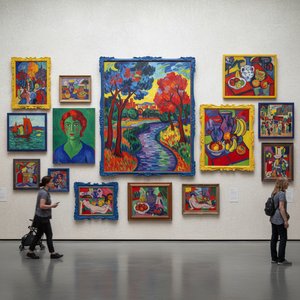
Топ 10 шедьоври на Фовизма: Цвят и емоция в изкуството | TopImpressionists.com
Открийте 10 шедьовъра на Фовизма с Анри Матис, Андре Дерен и други майстори! Разгледайте историите зад тези цветни произведения на изкуството и се вдъхновете за вашия интериор. Репродукции картини с музейно качество – TopImpressionists.com

Топ 10 шедьоври на Фовизма: Експресия и цвят за вашия дом | TopImpressionists.bg
Открийте 10 шедьовъра на Фовизма – Матис, Дерен и други! Разгледайте експресивните цветове и историите зад най-знаковите картини. Репродукции с музейно качество за вашия дом от TopImpressionists.bg. Разгледайте пълната колекция онлайн!

The Wild Beast Within: Exploring Fauvism's Revolutionary Use of Color and Form
Explore the revolutionary Fauvism movement & Henri Matisse's bold use of color! Discover key characteristics, iconic artworks, and its lasting impact on modern art history with TopImpressionists.
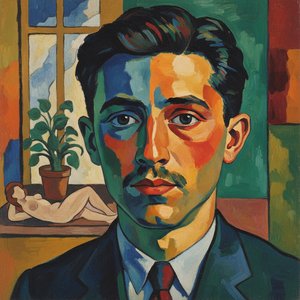
Henri Matisse: A Revolutionary Use of Color and Form in Modern Art
Explore the revolutionary art of Henri Matisse! Discover his bold use of color, Fauvist origins, and lasting impact on modern painting. A comprehensive guide for art enthusiasts.
Разгледайте произведения на изкуството, организирани по теми, стилове и характеристики.


