

 Преглед в реален мащаб
 Изпрати
 Сподели
 Детайли
 Ръководство

 Изтегляне
 Подобни артикули
 Рентгенова снимка
 Слайдшоу
 Статистика
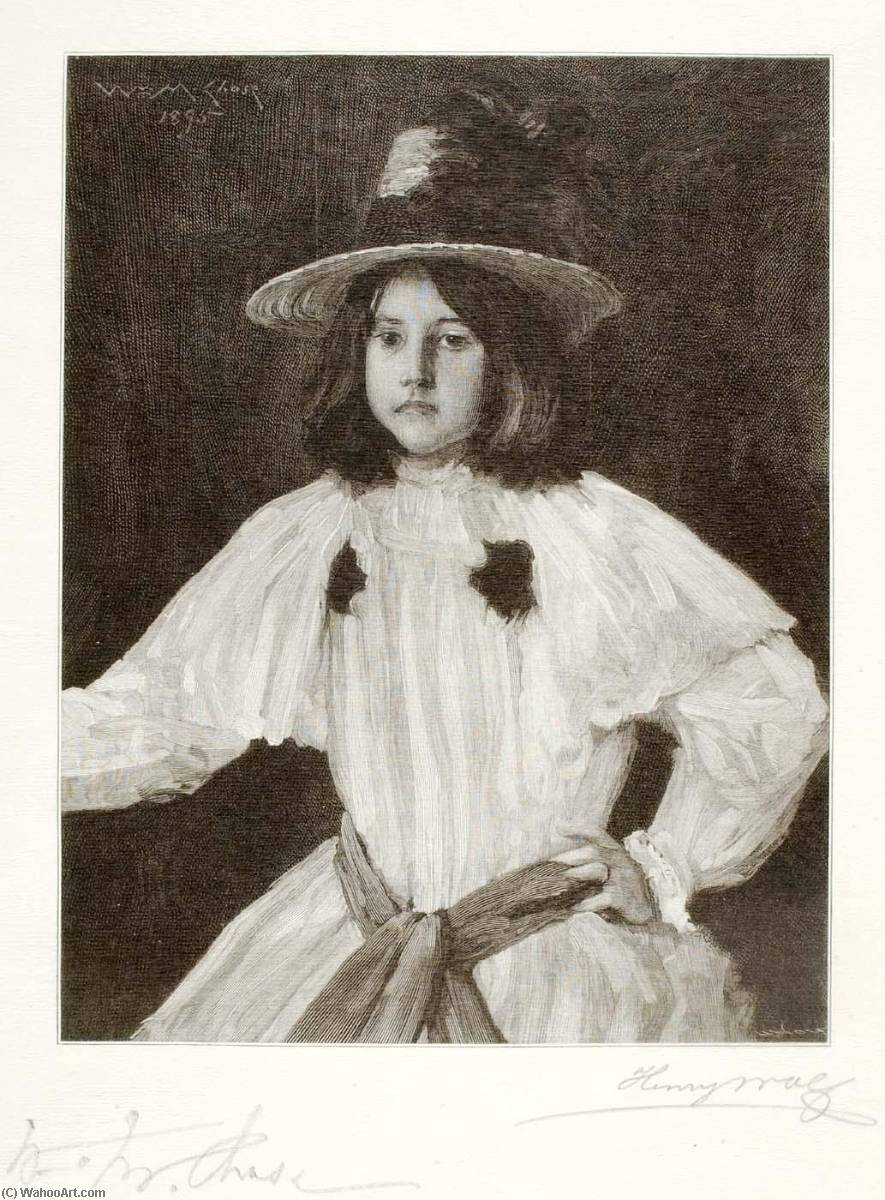
Alice
 Woodcut
- Academic Portraiture
 1892
1892- 19th Century
 18.0 x 14.0 cm
Discover 'Alice' by Henry Wolf - a captivating 1892 wood engraving from the Smithsonian! Admire intricate detail & Victorian charm in this stunning portrait.
 Прочети повече
Хенри Уолф (1925-2005): Овъздържал дизайн на списания като Esquire, Harper’s Bazaar и Show с иновативни размери и завладяваща фотография. Революционер в графичния дизайн.
Получете файл, готов за печат, който надхвърля възможностите на уеб прегледа. Всяко дигитално изображение, което предлагаме, е извлечено от висококачествен оригинал в нашата база данни — обикновено с ширина между 5 000 и 15 000 пиксела — така че да можете със сигурност да принтирате в голям формат, да кадрирате тесно или да възпроизведете фините детайли.
Нито един файл не напуска нашето студио без внимание. Дигитален експерт проверява цветовете спрямо оригиналната картина и ги коригира при необходимост, след което подобрява яснотата и детайлите с професионални инструменти за ретуш — винаги оставайки верен на мазките и стила на художника. Резултатът е изображение, което изглежда като самата картина, а не като сканиран образ с филтър.
Вие одобрявате преди финализиране: нашият експерт изпраща изображението по имейл в рамките на 72 часа за ваш преглед. Не сте доволни? Поискайте подобрения или корекции, или поискайте възстановяване на сумата, ако качеството не отговаря на очакванията ви.
Това е качеството, на което разчитат издателства, дизайн студиа, галерии и печатници.
Дигитално изображение
Изтеглете файл с висока резолюция за лично съхранение, принтиране и творчески проекти. ( Превключване към принт Купете ръчно рисувана картина)
Включено във всяка поръчка за дигитални изображения
Гарантирана експертна дигитална доставка
Избирайки TopImpressionists.com, вие не получавате просто изображение – вие придобивате професионално обработена дигитална творба, създадена с прецизност и подкрепена от гаранция за удовлетворение. Ето какво автоматично е включено във вашата поръчка:

Бърза доставка по имейл
Вашето дигитално изображение с висока резолюция ще бъде изпратено по имейл в рамките на 72 часа от поръчката – готово за незабавно използване.

Дигитален файл с подобрено качество чрез ИИ
Вашата картина е професионално оптимизирана чрез усъвършенствани инструменти с изкуствен интелект и ръчна редакция, което гарантира максимална детайлност, яснота и точност на цветовете.

Безплатна доживотна повторна доставка
Изгубили сте или сте изтрили файла си по погрешка? Не се притеснявайте – ще го изпратим отново на Вас по всяко време, безплатно.

Без митнически такси – завинаги
Насладете се на вашето произведение незабавно, без мита, такси или разходи за доставка – дигиталните изтегляния винаги са освободени от данъци.

Гаранция за цветово съответствие
Гарантираме, че вашето дигитално изображение отразява оригиналните цветове възможно най-точно чрез използването на професионални инструменти и системи за управление на цветовете.

100-дневна гаранция за удовлетвореност
Ако не сте доволни от вашето дигитално изображение, ще го преработим или ще възстановим 100% от сумата в рамките на 100 дни – без излишни въпроси.

100% Гаранция за връщане на сумата
Не сте доволни? Получете пълен възврат на сумата в рамките на 100 дни от получаването на вашия цифров файл – без излишни въпроси.

Отстъпки за големи поръчки
Купете 3 изображения, спестете 10% - Купете 5, спестете 15% - Купете 10+, спестете 20%. Идеално за творчески проекти, галерии и агенства.
Alice by Henry Wolf: A Victorian Portrait in Wood Engraving
“Alice,” created by Henry Wolf in 1892, is a captivating wood engraving that transports viewers to the elegance of the Victorian era. This piece, currently residing at the Smithsonian American Art Museum, exemplifies Wolf’s skill and attention to detail, offering a glimpse into a bygone time through a beautifully rendered portrait.
Artist Background: Henry Wolf's Journey
Henry Wolf (1852-1916) was a French-born wood engraver who significantly contributed to American art. Born in Eckwersheim, France, he studied under Jacques Levy and exhibited his work in Paris before immigrating to New York City in 1871. He became renowned for his ability to reproduce works by prominent artists through the intricate medium of wood engraving. Wolf’s legacy extends beyond this single piece; he was a master craftsman who helped popularize art reproduction during an era when access to original artworks was limited.
Description and Technique: A Study in Detail
The artwork depicts a young girl, presumably named Alice, wearing a hat and gazing directly at the viewer with a serious expression. The engraving showcases Wolf’s mastery of woodcutting techniques. He meticulously carved lines into blocks of wood, which were then inked and pressed onto paper to create the image. This process required immense precision and skill, as each line contributed to the overall tonal range and texture of the portrait. The grayscale palette enhances the sense of timelessness and adds a touch of solemnity to the subject’s demeanor. The level of detail in the girl's clothing and facial features is remarkable, demonstrating Wolf’s dedication to realism.
Historical Context and Symbolism
“Alice” reflects the artistic trends prevalent during the late 19th century, a period characterized by academic portraiture and a focus on realistic representation. Wood engraving was a popular medium for reproducing illustrations in magazines and books, making art more accessible to a wider audience. The subject’s attire suggests a middle-class Victorian upbringing, while her direct gaze conveys a sense of quiet dignity and perhaps introspection. While overt symbolism is minimal, the portrait evokes feelings of nostalgia and reverence for traditional values.
Similar Artists and Styles
For those appreciating Wolf's style and skill, exploring works by other artists from this period can provide further context and enjoyment:
- James McNeill Whistler: Known for his atmospheric landscapes and portraits, Whistler’s emphasis on tonal harmony resonates with the subtle gradations of tone in “Alice.”
- Boris Gorelick: Gorelick's expressive style and use of texture offer a contrasting yet complementary perspective on portraiture.
- Gabor Peterdi: A master printmaker, Peterdi’s work shares Wolf’s dedication to technical precision and detailed observation.
“Alice” by Henry Wolf is more than just a portrait; it's a testament to the artistry of wood engraving and a window into Victorian society. Its enduring appeal lies in its exquisite detail, historical significance, and ability to evoke a sense of quiet contemplation.
Въпроси и отговори
На кой период от кариерата на Хенри Уолф принадлежи „Alice“?
В рамките на кариерата на Хенри Уолф, „Alice“ принадлежи към периода Early Period. Тази фаза позволява да се направи сравнение с другите творби на художника.
За коя стая се препоръчва „Alice“ на Хенри Уолф, предвид цветовете му?
Цветовете от Neutrals палитрата на „Alice“ на Хенри Уолф се гарнират с препоръчаното пространство: Living Room.
Какъв вид произведение на изкуството е „Alice“ на Хенри Уолф?
„Alice“ на Хенри Уолф е класифициран като wall art. Тази категория описва вида на произведението, което представлява оригинала.
Биография на художника
A Life Interrupted, A Vision Forged: The Story of Henry Wolf
Henry Wolf’s life unfolded as a remarkable tapestry woven from threads of displacement, resilience, and artistic brilliance. Born in Vienna in 1925 into a secure, prosperous Jewish family, his early years were characterized by the comforts of a cultured upbringing – a world of music, art, and intellectual pursuits. This idyllic existence was tragically shattered in 1938 with the arrival of Nazi power, plunging his family into a harrowing odyssey through France and North Africa, seeking refuge from persecution. These formative years, marked by uncertainty, fear, and even internment in detention camps, instilled within him an acute sensitivity to visual communication – perhaps as a means of navigating a world increasingly defined by chaos and instability. The eventual relocation to the United States in 1941 offered a haven, but also demanded adaptation and reinvention, forging within him a unique aesthetic sensibility that blended European sophistication with American dynamism. His service in the army from 1943 to 1946 broadened his perspective further, laying the groundwork for his future artistic endeavors. This early experience wasn’t merely biographical detail; it was the crucible in which Wolf's distinctive vision was forged – a profound understanding of how images could shape perception and convey meaning amidst adversity.From Photographic Mentorship to Magazine Revolution
Post-war New York became Henry Wolf’s creative laboratory, a vibrant hub where he honed his skills under the tutelage of some of the most influential figures in photography. He sought guidance from giants like Richard Avedon, Melvin Sokolsky, and Art Kane – masters who imparted not only technical expertise but also a discerning eye for composition, lighting, and storytelling. These mentors instilled within him an appreciation for the power of visual narrative, emphasizing the importance of capturing authentic moments and conveying compelling narratives through carefully crafted images. Wolf’s breakthrough arrived in 1952 with his appointment as art director at Esquire magazine. At the time, Esquire was undergoing a significant transformation under Arnold Gingrich, seeking to elevate its image beyond mere sensationalism and establish itself as a publication of substance and style. Recognizing this opportunity, Wolf seized it with remarkable vision, injecting a new level of sophistication into the magazine’s visual identity. He moved away from the prevalent novelty lettering and sentimental illustrations that characterized much of the period, embracing bold layouts, elegant typography, and striking photography – elements that would become hallmarks of his distinctive style. His covers were particularly innovative, often employing witty photographic concepts that subtly referenced the magazine's iconic mustachioed mascot, Esky, creating a memorable and instantly recognizable brand identity.A Trilogy of Influence: Harper’s Bazaar, Show, and Beyond
Wolf’s influence extended far beyond his initial success at Esquire. In 1958, he assumed the prestigious role of art director for Harper’s Bazaar, succeeding the legendary Alexey Brodovitch – a position that demanded both artistic vision and meticulous attention to detail. He collaborated closely with leading photographers and illustrators, creating visually arresting spreads that pushed the boundaries of editorial design and showcased the magazine's commitment to fashion, art, and culture. Three years later, he embarked on another ambitious project: launching Show magazine for Huntington Hartford. This new venture provided Wolf with unprecedented creative freedom to explore innovative visual concepts and challenge conventional norms within the realm of contemporary art and design. He envisioned Show as a platform for experimentation, embracing bold typography, surreal photography, and conceptual illustration – elements that reflected his own unique aesthetic sensibilities. However, his time in advertising – first at McCann-Erickson in 1965, then as a partner at Trahey/Wolf – demonstrated his versatility and adaptability. He brought the same meticulous attention to detail and conceptual rigor to campaigns for renowned brands like Alka Seltzer, Buick, Gillette, and Coca-Cola, proving that his design principles transcended the boundaries of editorial work.The Legacy of a Pioneer
Throughout his career, Henry Wolf consistently championed collaboration between designers, photographers, and illustrators, recognizing that the most compelling visual narratives emerged from a synthesis of diverse talents. He wasn’t simply designing magazines; he was crafting experiences, shaping perceptions, and ultimately, influencing visual culture itself. His work at Esquire, Harper’s Bazaar, and Show established new standards for editorial design, elevating it from a purely functional craft to a sophisticated art form. Wolf's dedication to teaching ensured that his principles would be carried forward by future generations of designers, solidifying his place as a true pioneer in the field. He was inducted into the Art Directors Club Hall of Fame (1980) and received the American Institute of Graphic Arts Medal for Lifetime Achievement (1976), recognizing his profound impact on the world of visual communication. Henry Wolf’s passing in 2005 marked the end of an era, but his legacy continues to inspire designers today – a testament to the power of vision, resilience, and artistic innovation.A Lasting Impact on Visual Culture
Wolf's influence extends far beyond the pages of the magazines he transformed. He fundamentally altered the landscape of editorial design, elevating it from a purely functional craft to a sophisticated art form. His emphasis on visual clarity, conceptual rigor, and elegant aesthetics continues to inform contemporary graphic design practices.- His work demonstrated that effective communication wasn’t simply about conveying information; it was about creating an emotional connection with the audience.
- He championed collaboration between designers, photographers, and illustrators, recognizing that the most compelling visual narratives emerged from a synthesis of diverse talents.
- Wolf's dedication to teaching ensured that his principles would be carried forward by future generations of designers, solidifying his place as a true pioneer in the field.

Хенри Уолф
1925 - 2005 , Австрия
Бърза справка
- Artistic Movement Or Style: Журналистичен дизайн
- Artists Or Movements Influenced By This Artist: ['Журналистичен дизайн']
- Artists Who Influenced This Artist:
- Ричард Еведон
- Мелвин Соколски
- Арт Кейн
- Date Of Birth: 23 май 1925
- Date Of Death: 14 фев 2005
- Full Name: Henry Wolf
- Nationality: Австро-американец
- Notable Artworks:
- Esquire layouts
- Harper’s Bazaar designs
- Show magazine covers
- Place Of Birth: Виена, Австрия