

 Преглед в реален мащаб
 Изпрати
 Сподели
 Детайли
 Ръководство

 Изтегляне
 Подобни артикули
 Рентгенова снимка
 Слайдшоу
 Q&A
Q&A Статистика
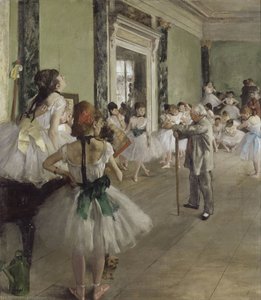
The Dance Class

- 72.0 x 88.0 cm


Captured in exquisite monochrome by Degas during the Impressionist era, ‘The Dance Class’ portrays a ballet studio brimming with youthful energy and focused movement—a testament to artistic observation and unwavering realism.
 Прочети повече
Едгар Дегас – революционен френски художник, известен с завладяващите си балетни танцьорки и парижки сцени, майстор на модерното изкуство.
Получете файл, готов за печат, който предлага много по-високо качество от уеб прегледа. Всяко дигитално изображение, което предлагаме, е извлечено от висококачествен оригинал в нашата база данни — обикновено с ширина между 5 000 и 15 000 пиксела — така че със сигурност да можете да принтирате в голям формат, да кадрирате тесно или да възпроизведете фините детайли.
Нито един файл не напуска нашето студио без внимание. Дигитален експерт проверява цветовете спрямо оригиналната картина и ги коригира при необходимост, след което подобрява яснотата и детайлите с професионални инструменти за ретуш — винаги оставайки верен на мазките и стила на художника. Резултатът е изображение, което изглежда като самата картина, а не като сканиран образ с филтър.
Одобрявате преди финализиране: нашият експерт ще изпрати изображението по имейл в рамките на 72 часа за ваш преглед. Не сте доволни? Можете да поискате подобрения или корекции, или пълно възстановяване на сумата, ако качеството не отговаря на очакванията ви.
Това е качеството, на което разчитат издателства, дизайн студиа, галерии и печатници.
Дигитално изображение
Изтеглете файл с висока резолюция за лично съхранение, принтиране и творчески проекти. ( Превключване към принт Купете ръчно рисувана картина)
Включено във всяка поръчка за дигитални изображения
Гарантирана експертна дигитална доставка
Избирайки TopImpressionists.com, вие не получавате просто изображение – вие придобивате професионално обработена дигитална творба, създадена с прецизност и подкрепена от гаранция за удовлетворение. Ето какво автоматично е включено във вашата поръчка:

Бърза доставка по имейл
Вашето дигитално изображение с висока резолюция ще бъде изпратено по имейл в рамките на 72 часа от поръчката – готово за незабавно използване.

Дигитален файл с подобрено качество чрез ИИ
Вашата картина е професионално оптимизирана чрез усъвършенствани инструменти с изкуствен интелект и ръчна редакция, което гарантира максимална детайлност, яснота и точност на цветовете.

Безплатна доживотна повторна доставка
Изгубили сте или сте изтрили файла си по погрешка? Не се притеснявайте – ще го изпратим отново на Вас по всяко време, безплатно.

Без митнически такси – завинаги
Насладете се на вашето произведение незабавно, без мита, такси или разходи за доставка – дигиталните изтегляния винаги са освободени от данъци.

Гаранция за цветово съответствие
Гарантираме, че вашето дигитално изображение отразява оригиналните цветове възможно най-точно чрез използването на професионални инструменти и системи за управление на цветовете.

100-дневна гаранция за удовлетвореност
Ако не сте доволни от вашето дигитално изображение, ще го преработим или ще възстановим 100% от сумата в рамките на 100 дни – без излишни въпроси.

100% Гаранция за връщане на сумата
Не сте доволни? Получете пълен възврат на сумата в рамките на 100 дни от получаването на вашия цифров файл – без излишни въпроси.

Отстъпки за големи поръчки
Купете 3 изображения, спестете 10% - Купете 5, спестете 15% - Купете 10+, спестете 20%. Идеално за творчески проекти, галерии и агенства.
A Glimpse into the Soul of the Studio
In the quiet, focused atmosphere of a Parisian rehearsal hall, Edgar Degas captures something far more profound than a mere ballet lesson. The Dance Class is not just a depiction of movement; it is an intimate study of the discipline, exhaustion, and quiet anticipation that define the life of a dancer. As we gaze upon this masterpiece, we are transported to 1873, stepping into a world where the soft rustle of tulle and the rhythmic breathing of young women fill the air. Degas, a master of observing the unvarnished truth, avoids the grand, theatrical spectacle often associated with the opera, choosing instead to present a candid snapshot of preparation. The composition draws the eye through a labyrinth of bodies—some stretching limbs, others adjusting ribbons or resting momentarily—creating a sense of lived-in reality that feels as though we have just walked through the studio door.
The emotional resonance of the piece lies in its ability to balance the grace of the ballet with the grueling physical labor behind it. There is a palpable tension between the elegance of the tutus and the weary, slumped shoulders of dancers caught in moments of repose. For the collector or the lover of fine art, this painting offers a window into the Belle Époque, capturing a period of intense cultural transformation. Degas’s ability to find beauty in the mundane—in the tilt of a head or the way light catches a stray strand of hair—makes this work an enduring symbol of human aspiration and the relentless pursuit of perfection.
Mastery of Light and Realist Precision
While often whispered about in the same breath as the Impressionists, Degas’s technique in The Dance Class reveals a soul deeply rooted in Realism. He does not rely on the fleeting, broken light of Monet; rather, he employs a purposeful, structured brushstroke that lends weight and volume to the dancers' forms. The palette is a sophisticated arrangement of muted tones, punctuated by the delicate pinks and soft whites of the costumes, which allows the viewer to focus on the subtle interplay of shadow and depth within the studio space. This careful use of tonal variation creates an atmospheric dimension, making the confined room feel expansive yet intimate.
The composition itself is a marvel of classical arrangement disguised as spontaneity. By utilizing architectural elements—such as the staircase and the arched doorway—Degas directs our gaze in a sweeping motion across the canvas. This prevents the eye from resting too long on any single figure, instead encouraging a continuous journey through the scene. For interior designers seeking to anchor a room with a sense of movement and history, this painting provides a dynamic focal point. It possesses a unique ability to breathe life into a space, offering a sophisticated narrative that complements both classical and contemporary decor with its timeless elegance and profound psychological depth.
Въпроси и отговори
Колко наситена е палитрата на "The Dance Class"?
Цветовете на „The Dance Class“ на Hilaire-Germain-Edgar Degas имат Muted наситеност. Наситеността определя колко ярки или приглушени са цветовете.
Каква цветова палитра използва "The Dance Class"?
Палитрата на „The Dance Class“ на Hilaire-Germain-Edgar Degas е описана като Earthy. Това е кратко описание на цветовете в произведението.
Как се съотнася стилът на „The Dance Class“ с епохата на неговия създател?
„The Dance Class“ на Hilaire-Germain-Edgar Degas се отнася към течението Realist Impressionism, създадено в епохата XIX век на своя автор.
Подобни произведения




Биография на художника
A Life Immersed in Movement
Edgar Degas, born Hilaire-Germain-Edgar De Gas in Paris on July 19, 1834, stands as a captivating figure of the late 19th century – an artist who defied easy categorization. Often grouped with the Impressionists alongside Monet and Renoir, he vehemently resisted this label, identifying instead as a realist, driven by a meticulous observation of the world and a commitment to portraying it with unflinching honesty. His early life was comfortably bourgeois; his father, a banker, and his mother, hailing from a Creole family in New Orleans, afforded him access to education and artistic training, though he often felt constrained by academic traditions. Initially enrolled at the Lycée Louis-le-Grand, Degas’s true education began with clandestine visits to the Louvre, where he diligently copied works by masters like Raphael, honing his skills and igniting a lifelong passion for classical art. However, Degas's path wasn’t one of rigid adherence; it was marked by constant questioning and a willingness to challenge artistic norms – a spirit that defined his entire career.Beyond Impressionism: A Unique Artistic Vision
While contemporaries like Monet chased the ephemeral effects of light outdoors, capturing fleeting moments in nature, Degas largely worked within the confines of his studio, constructing scenes with painstaking detail from observation and memory. His subject matter was decidedly modern – a deliberate departure from the historical or mythological themes favored by many academic painters. He found inspiration in the vibrant, often overlooked, realities of Parisian life: the weary laundresses hauling their heavy loads, the alluring figures of cabaret singers, the meticulous artistry of milliners, and, most famously, the captivating world of ballet dancers. Degas didn’t simply paint beautiful ballerinas; he captured the grueling reality of their profession – the endless rehearsals, the physical strain, the fleeting moments of grace amidst a demanding and often harsh environment. His compositions are frequently unconventional, cropping figures in unexpected ways, utilizing asymmetrical arrangements that create a sense of dynamism and immediacy, and employing a subtle manipulation of perspective to draw the viewer into the scene. He was a master of capturing movement – not through blurred lines or hazy effects, but through precise observation, careful rendering of form, and an understanding of how light interacts with the human body in motion. Works like *Dancer and Tambourine*, *The Ballet Class*, and *Women Combing Their Hair* exemplify this dedication to portraying the human figure in its most dynamic state, revealing both its beauty and its inherent struggles.Influences and Artistic Development
Degas’s artistic journey was shaped by a remarkably diverse range of influences. His early training emphasized classical principles, particularly the work of Jean-Auguste-Dominique Ingres, whose emphasis on draftsmanship and precise form left an indelible mark. However, Degas also admired the Realists, such as Gustave Courbet, who challenged academic conventions and championed the depiction of contemporary life with raw honesty. A pivotal moment in his development came through his association with Camille Pissarro, a leading Impressionist who encouraged him to experiment with new techniques and broadened his artistic horizons. He was deeply captivated by Japanese prints – Ukiyo-e – which profoundly influenced his compositions, particularly his use of asymmetrical arrangements, flattened perspectives, and bold patterns. These prints demonstrated a different way of seeing the world, one that prioritized composition over strict realism. Furthermore, Degas embraced photography as a tool for studying movement and capturing fleeting moments in time, often using photographs as reference material for his paintings. This willingness to incorporate diverse influences – from classical art to Japanese prints to photographic techniques – into his work is what truly sets Degas apart and contributes to the unique character of his oeuvre. He wasn’t merely imitating trends; he was synthesizing them into something entirely new and uniquely his own.Major Achievements and Techniques
Throughout his career, Degas produced a vast body of work encompassing painting, sculpture, printmaking, and drawing. His paintings are renowned for their remarkable draftsmanship, capturing the subtle nuances of human expression and movement with astonishing accuracy. He was particularly celebrated for his depictions of ballet dancers, which went far beyond mere portraiture to reveal the physicality and emotional intensity of these performers. Beyond dance, he also produced compelling images of Parisian life – laundresses, racehorses, café singers, and prostitutes – all rendered with a keen eye for detail and a subtle sense of social commentary. Degas’s use of pastel was particularly innovative, allowing him to create delicate textures and luminous colors that captured the fleeting effects of light and shadow. His prints, including etchings and lithographs, demonstrated his mastery of line and composition, often exploring similar themes as his paintings. His ability to capture a moment in time, imbued with both beauty and truth, cemented his place as one of the most significant artists of the late 19th century.Legacy and Lasting Impact
Edgar Degas died in Paris on September 27, 1917, leaving behind an extraordinary legacy that continues to resonate today. His innovative approach to composition, his unparalleled draftsmanship, and his unflinching portrayal of modern life have had a profound impact on the course of art history. He paved the way for future generations of artists who sought to break free from traditional conventions and explore new ways of representing the world around them. His influence can be seen in the work of Pablo Picasso and Henri Matisse, among others, demonstrating his enduring relevance as an artist. Museums worldwide – including the Musée d'Orsay and the Musée de l’Orangerie in Paris – house significant collections of his paintings, pastels, sculptures, and prints, ensuring that his artistic vision will continue to inspire and captivate audiences for generations to come. Degas wasn’t merely a painter of dancers or racehorses; he was a keen observer of human nature, a master of form and movement, and a true innovator who redefined the possibilities of art.
Hilaire-Germain-Edgar Degas
1834 - 1917 , Франция
Бърза справка
- Artistic Movement Or Style: Импресионизъм, Реализъм
- Artists Or Movements Influenced By This Artist:
- Пикасо
- Матис
- Artists Who Influenced This Artist:
- Дугон
- Бомон
- Писаро
- Date Of Birth: 1834
- Date Of Death: 1917
- Full Name: Hilaire-Germain-Edgar De Gas
- Nationality: Френски
- Notable Artworks:
- Танцьорка и тамбурин
- Балетен клас
- Дегас в зелена жилетка
- Събиране на цветя
- Жени, разплитащи коса
- Place Of Birth: Париж, Франция