


 Преглед в реален мащаб
 Сподели
 Сподели
 Подробности
 Ръководство

 Изтегляне
 Подобни артикули
 Рентгенова снимка
 Слайдшоу
 Статистика
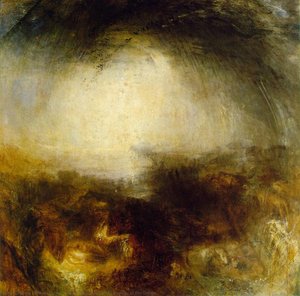
War, the Exile and the Rock Limpet
 Масло върху платно
- Стени и декорация
- Romanticism
 1842
1842 79.0 x 79.0 cm
 Tate Gallery
Experience 'War, the Exile and the Rock Limpet' by J.M.W. Turner – a haunting depiction of Napoleon’s isolation on Saint Helena, rendered with dramatic light and evocative atmosphere.
 Разгърни целия текст
Джоузеф Търнър (1775-1851) е британец, известен като "художник на светлината". Негови картини са изпълнени с драматични пейзажи и новаторски цветове. Разгледайте неговото наследство!
Ръчно изработена маслена репродукция
Ръчно рисувана маслена картина върху платно във вашия размер и рамка, изработена по поръчка от нашите художници. ( Избор на принт Превключване към дигитално изображение)




P118B $10

P118H $10

P118W $10

P438Z $10

P508JH $12

P508YH $12

P805H $10

P805Z $10

P919BZ $10

P919G $10

P919XJ $10

P959ZH $10

P968JZ $12

W106C $8

W218G $10

W218JH $8

W218Y $10

W307PJ $10

W316G $10

W316PJ $8

W316Y $10

W398PJ $8

W4111J $10

W500HY $15

W500JH $15

W692G $12

W849H $8

W940BG $15

W953PJ $8




Стандартен размер
по поръчка
CM
INCH
Изберете от нашите предварително зададени размери, които съответстват на оригиналните пропорции на произведението.
Loading sizes...

ширина
височина
Можете да въведете свои собствени размери, за да паснат на конкретна рамка или пространство. Ако избраният от вас размер не съответства на пропорциите на оригиналното изображение, ние ще изрежем произведението или ще разширим картината с допълнителни ръчно рисувани елементи. Дигитален макет ще бъде изпратен за ваше одобрение преди започване на производството.
Моля, обърнете внимание, че предпрогледа на екрана не отразява действителното изрязване или разширяване. Само макетът ще покаже точно финалната композиция.
Въпреки че са налични персонализирани размери, препоръчваме да изберете размер от предварително дефинирания списък, за да запазите оригиналните пропорции.
Примери за възможности за персонализация: Заменете лицето с фотография на клиента; Добавете домашен любимец (например заменете котка с куче); Включете скрито послание на фона; Променете пейзажа или елементите на фона.
След получаване на поръчка, екипът на TopImpressionists.com ще изпрати имейл до клиента с инструкции и ще предостави примерен макет за преглед.
След получаване на поръчка, екипът на TopImpressionists.com ще изпрати имейл до клиента с инструкции и ще предостави примерен макет за преглед.
Доставка по целия свят () в рамките на 3-4 седмици вместо стандартните 5 седмици. (23 Септември). Без компромис с качеството.

Безплатна експресна доставка по целия свят

Висококачествено ленено платно

Пълно застраховане на доставката

Гаранция за възстановяване на митнически такси

Гаранция за пълно съответствие на цветовете

Политика за връщане в рамките на 100 дни (само при дефекти)

100% Гаранция за връщане на сумата

Отстъпка при поръчка на повече произведения
 Опцията със стъкло е налична само за размери под 110 см

War, the Exile and the Rock Limpet
Техника на репродукция
Размер на репродукцията
-


Крайна цена
$ 269
A Moment of Despair: Turner’s ‘War, The Exile and the Rock Limpet’
Joseph Mallord William Turner's “War, The Exile and the Rock Limpet,” painted in 1842, is far more than a simple depiction of a desolate landscape. It’s a profoundly melancholic meditation on power, isolation, and the crushing weight of history—a cornerstone of the Romantic movement that continues to resonate with viewers today. This large oil painting, measuring 79 x 79 cm, transports us to the stark, windswept shores of Saint Helena, the remote island prison where Napoleon Bonaparte spent his final years, a poignant symbol of defeat and fading glory.
Turner’s genius lies in his ability to capture not just what he saw, but also the *feeling* of a scene. The composition is dominated by a vast, turbulent sky—a swirling vortex of bruised purples, fiery oranges, and deep blues – that seems to press down upon the solitary figure of Napoleon. He stands before a body of water, rendered in muted greys and browns, reflecting the bleakness of his surroundings. The horizon line is low, emphasizing the immensity of the landscape and the insignificance of the human presence within it. The painting’s palette is deliberately restrained, dominated by somber tones that heighten the sense of despair and confinement.
The Narrative of Exile
The painting's genesis lies in a specific historical event: Napoleon Bonaparte’s exile to Saint Helena following his defeat at Waterloo in 1815. Turner, deeply affected by news of the former Emperor’s plight, created “War” as a companion piece to "Peace – Burial at Sea," which depicted the return of Napoleon's remains to France. While ‘Peace’ celebrated a triumphant homecoming, 'War' offers a starkly different perspective—a glimpse into the final, desolate years of a man stripped of his power and surrounded by nothing but isolation. The painting isn’t a glorification of war; rather, it is an exploration of its devastating consequences for both the victor and the vanquished.
Turner masterfully uses symbolism to convey this sense of loss. Napoleon, depicted in a state of quiet contemplation, bows slightly as he examines a single rock limpet clinging to a stone. This seemingly insignificant detail—a humble creature from the sea—represents the ultimate insignificance of even the most powerful man when confronted with the relentless passage of time and the inevitability of mortality. The limpet’s presence serves as a visual metaphor for Napoleon's diminished state, reduced to observing a small, vulnerable life in his final hours.
Turner’s Revolutionary Technique
“War, The Exile and the Rock Limpet” is a testament to Turner’s innovative approach to landscape painting. He moved beyond traditional academic techniques, prioritizing atmosphere and emotional impact over precise representation. His brushstrokes are loose and expressive, creating a sense of movement and dynamism within the scene. Turner employed a technique known as ‘atmospheric perspective,’ where distant objects appear paler and less detailed, contributing to the illusion of depth and vastness. The use of color is particularly striking—not used to mimic reality but to evoke mood and emotion. Notice how the warm hues of the sunset contrast sharply with the cool, somber tones of the water and landscape.
Turner’s layering of glazes – applying thin washes of paint over dried layers – created a luminous quality that seemed to capture the very essence of light and shadow. This technique allowed him to achieve an unparalleled sense of depth and atmosphere, anticipating the techniques of Impressionist painters who would follow in his wake. The painting's almost abstract qualities—the blurred forms, the emphasis on color and light—demonstrate Turner’s willingness to break with convention and forge a new path for landscape art.
A Timeless Reflection
“War, The Exile and the Rock Limpet” is more than just a historical painting; it's a profound meditation on human nature, power, and mortality. It speaks to our own experiences of isolation, loss, and the enduring consequences of conflict. Reproductions of this iconic work offer a remarkable opportunity to bring Turner’s evocative vision into your home or office—a powerful reminder of the beauty and melancholy that can be found in even the darkest corners of history. Its dramatic composition and emotional depth make it a captivating addition to any art collection, inviting contemplation and sparking dialogue about the complexities of human experience.
Свързани произведения


Биография на художника
The Luminary of Light: A Journey Through the Life and Art of J.M.W. Turner
Joseph Mallord William Turner, име, което е синоним на мощта на пейзажа и танца на светлината, остава един от най-известните и влиятелни британски художници. Роден в Ковънди, Лондон, през 1775 г., пътешествието му от син на резбар до майстор на живописта беше задвижено от интуитивен талант, неуморна отдаденост и визионерски дух, който завинаги промени курса на изкуството. От ранните си дни, рисуващи архитектурни детайли, до по-късните си, почти абстрактни изследвания на атмосфера и цвят, Turner постоянно преминаваше границите на художественото изразяване. Неговото формално обучение започна в Академията на изкуствата през 1789 г., където бързо се открои като обещаващ студент. Въпреки това, Turner не беше доволен просто да копира установени стилове; той търсеше да улови самата същност на природата – нейната сурова сила, мимолетното й красота и вградената й драма. Ранните му творби разкриват прецизност в топографските детайли, отразяваща доминиращите художествени вкусове на времето. Въпреки това, дори и в тези ранни произведения са видими намеци за бъдещата му посока – чувствителност към светлина и сянка, готовност да експериментира с цвят и възникващ интерес към свръхмогъществото.The Evolution of a Visionary: From Topography to Transcendence
Творческото развитие на Turner беше белязано от постоянно експериментиране и нарастващо желание да надхвърли простото представяне. Вдъхновен от майстори като Клод Лоран и J.M.W. Козенс, той започна да внася романтичен нюанс в своите пейзажи, подчертавайки емоционалната реакция пред прецизното описание. Неговите пътувания през Европа, започващи през 1802 г., се оказаха решаващи, излагайки го на разнообразни пейзажи и вдъхновявайки нови подходи към композицията и цвета. Той не просто записваше това, което виждаше; той я интерпретираше през призмата на своя уникален поглед. Ранният 19-ти век свидетелства за промяна в стила на Turner – от топография към трансцендентност. Вдъхновен от романтичните пейзажи на Уилям Търнбул и други британски художници, той започна да се фокусира върху улавянето на емоциите и преживяванията, а не само върху реалистичното представяне на света. Неговите картини често са изпълнени с динамика, енергия и драматични цветове, което ги отличава от традиционните пейзажни изображения.A Master of Atmosphere: Light, Color, and the Sublime
Turner се превърна в пионер в изследването на светлината и атмосферата, предвиждайки импресионистичното фокусиране върху улавянето на мимолетни моменти и субективни възприятия. Неговата употреба на цветовете беше също толкова иновативна – смели, ярки нюанси, нанесени с разхвърлящи се мазки, за да създадат усещане за движение и енергия. Turner не просто рисуваше пейзажи; той се опитваше да предаде самата *чувство* на пребиваване в природата – изумлението, учудването, ужаса. Неговата работа често е описана като "светлинно" изкуство, защото все повече се фокусира върху улавянето на светлината и атмосферата. Той експериментира с различни техники, включително използването на воденери, за да създаде ефирни и преливащи цветове, които предават мимолетните промени в светлината и сянката.Notable Works & Collections
- The Morning After the Deluge (1843): Мощно изображение на природните сили, разположено в Tate Collection, Лондон.
- Chichester Canal (1828): Поръчана от Джордж Уинъм, в момента се намира в Tate Collection.
- Ruins of Tintern Abbey: Зашеметяваща воденерийна, демонстрираща майсторството му по отношение на светлината и атмосферата, намерена в Calouste Gulbenkian Museum (Lisboa, Portugal).
- The Fighting Temeraire Tugged to Her Last Berth to Be Broken Up (1839): Поетична картина, изследваща теми за загуба и промяна.
- Rain, Steam and Speed – The Great Western Railway (1844): Улавя динамиката на индустриалната епоха с въртящи се цветове и движение.
Legacy and Influence: The Painter Who Changed Painting
Turner’s наследство надхвърля огромния му творчески обем – повече от 550 маслени картини, 2000 воденерии и 30 000 произведения на хартия. Той остави незабратима следа в историята на изкуството, повлиявайки на безброй художници, които следваха стъпките му. Импресионистите, особено Клод Моне, бяха дълбоко вдъхновени от неговото изследване на светлината и цвета, докато абстрактните експресионисти признаха своя дълг към неговите атмосферни композиции. Turner не просто рисуваше пейзажи; той се опитваше да предаде самата *душа* на природата. Неговата готовност да предизвика конвенциите, неуморното му експериментиране и непоколебимата му отдаденост на художествения поглед продължават да резонират с художници и любители на изкуството днес. Той остава ключова фигура в развитието на модерното изкуство – истински визионер, който преобрази начина, по който виждаме и преживяваме света около нас. Неговите произведения са разположени в големи музеи по целия свят, включително Tate Britain в Лондон, където посетителите могат да потопят сетивата си в ослепителната красота и дълбокия емоционален резонанс на неговите изключителни картини. Разгледайте повече от творбите на Turner на https://TopImpressionists.com/@/williamturner и открийте неговия свят чрез Tate Collection: /bg/art/list/
Йосиф Малърд Уилям Търнър
1775 - 1851 , Великобритания
Бързи факти
- Artistic Movement Or Style: Романтизъм
- Artists Or Movements Influenced By This Artist:
- Клод Лоран
- Марк Ротко
- Date Of Birth: 23 април 1775
- Date Of Death: 19 декември 1851
- Full Name: Joseph Mallord William Turner
- Nationality: Британски
- Notable Artworks:
- Слънчев залез
- Канал Чичестер
- Руини на Тинтърн
- Place Of Birth: Лондон, Великобритания
Свързани статии

Capturing the Soul: The Emotional Magic and Sublime Grandeur of Romantic Landscape Painting
Explore the profound emotional depth of Romantic landscape painting. Discover how masters like Friedrich and Turner captured the sublime through light, shadow, and nature's power in this expert art history retrospective for discerning collectors.
Разгледайте произведения на изкуството, организирани по теми, стилове и характеристики.


