

 Преглед в реален мащаб
 Изпрати
 Сподели
 Детайли
 Ръководство

 Изтегляне
 Подобни артикули
 Рентгенова снимка
 Слайдшоу
 Q&A
Q&A Статистика
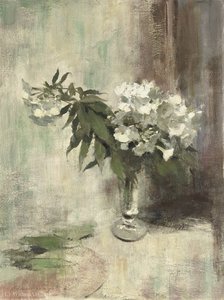
Goblet with Forget-me-nots


Admire Léon Bonvin’s "Goblet with Forget-me-nots" (1863). A poignant French watercolor capturing delicate still life beauty. Hand-painted reproduction available.
 Прочети повече
Discover Léon Bonvin: French watercolorist of poignant genre scenes & delicate landscapes. Explore his realist still lifes & haunting beauty, a tragic artist's legacy.
Получете файл, готов за печат, който предлага много по-високо качество от уеб прегледа. Всяко дигитално изображение, което предлагаме, е извлечено от висококачествен оригинал в нашата база данни — обикновено с ширина между 5 000 и 15 000 пиксела — така че със сигурност да можете да принтирате в голям формат, да кадрирате тесно или да възпроизведете фините детайли.
Нито един файл не напуска нашето студио без внимание. Дигитален експерт проверява цветовете спрямо оригиналната картина и ги коригира при необходимост, след което подобрява яснотата и детайлите с професионални инструменти за ретуш — винаги оставайки верен на мазките и стила на художника. Резултатът е изображение, което изглежда като самата картина, а не като сканиран образ с филтър.
Одобрявате преди финализиране: нашият експерт ще изпрати изображението по имейл в рамките на 72 часа за ваш преглед. Не сте доволни? Можете да поискате подобрения или корекции, или пълно възстановяване на сумата, ако качеството не отговаря на очакванията ви.
Това е качеството, на което разчитат издателства, дизайн студиа, галерии и печатници.
Дигитално изображение
Изтеглете файл с висока резолюция за лично съхранение, принтиране и творчески проекти. ( Превключване към принт Купете ръчно рисувана картина)
Включено във всяка поръчка за дигитални изображения
Гарантирана експертна дигитална доставка
Избирайки TopImpressionists.com, вие не получавате просто изображение – вие придобивате професионално обработена дигитална творба, създадена с прецизност и подкрепена от гаранция за удовлетворение. Ето какво автоматично е включено във вашата поръчка:

Бърза доставка по имейл
Вашето дигитално изображение с висока резолюция ще бъде изпратено по имейл в рамките на 72 часа от поръчката – готово за незабавно използване.

Дигитален файл с подобрено качество чрез ИИ
Вашата картина е професионално оптимизирана чрез усъвършенствани инструменти с изкуствен интелект и ръчна редакция, което гарантира максимална детайлност, яснота и точност на цветовете.

Безплатна доживотна повторна доставка
Изгубили сте или сте изтрили файла си по погрешка? Не се притеснявайте – ще го изпратим отново на Вас по всяко време, безплатно.

Без митнически такси – завинаги
Насладете се на вашето произведение незабавно, без мита, такси или разходи за доставка – дигиталните изтегляния винаги са освободени от данъци.

Гаранция за цветово съответствие
Гарантираме, че вашето дигитално изображение отразява оригиналните цветове възможно най-точно чрез използването на професионални инструменти и системи за управление на цветовете.

100-дневна гаранция за удовлетвореност
Ако не сте доволни от вашето дигитално изображение, ще го преработим или ще възстановим 100% от сумата в рамките на 100 дни – без излишни въпроси.

100% Гаранция за връщане на сумата
Не сте доволни? Получете пълен възврат на сумата в рамките на 100 дни от получаването на вашия цифров файл – без излишни въпроси.

Отстъпки за големи поръчки
Купете 3 изображения, спестете 10% - Купете 5, спестете 15% - Купете 10+, спестете 20%. Идеално за творчески проекти, галерии и агенства.
Léon Bonvin was born in Vaugirard, just outside Paris in 1834. Despite displaying great talent in the medium of watercolor he was largely unrecognized by his contemporaries. In 1866 he hanged himself at the age of 32, apparently due to financial difficulties. Working at his family
Въпроси и отговори
Къде мога да купя принт на „Goblet with Forget-me-nots“ на Léon Bonvin?
"Goblet with Forget-me-nots" е достъпна като художествен принт върху памучно платно или архивен канвас хартия. Можете да направите поръчка на страницата за Художествен принт, в размер по ваш избор.
Кой е художникът зад "Goblet with Forget-me-nots"?
„Goblet with Forget-me-nots“ се приписва на Léon Bonvin.
Къде може да бъде видяно „Goblet with Forget-me-nots“ на Léon Bonvin днес?
Оригиналът на „Goblet with Forget-me-nots“ може да бъде видян в The Walters Art Museum, Балтимор, United States of America.

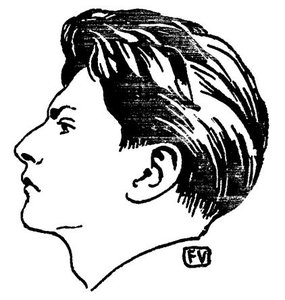



Биография на художника
Léon Bonvin: A Tragic Master of Melancholy
Born in the humble outskirts of Paris in 1834, Léon Bonvin’s life was a poignant paradox—a soul deeply attuned to beauty and melancholy, yet tragically cut short before his artistic potential could fully blossom. His story is not merely that of an artist; it's one of quiet resilience, profound observation, and the heartbreaking struggle against poverty and despair. His legacy resides in a collection of delicate watercolors, imbued with a haunting stillness that continues to captivate viewers today.
Bonvin’s early life was marked by hardship. The son of a constable and a seamstress who operated a small guinguette (a popular outdoor tavern), he grew up amidst scarcity and the constant awareness of his family's limited resources. His older stepbrother, François Bonvin, recognizing Léon’s nascent talent, provided him with rudimentary art supplies—paints and encouragement—and instilled in him a deep appreciation for the works of the Dutch masters, particularly their meticulous attention to detail and atmospheric perspective. While he likely attended some classes at the École royale gratuite de dessin, his primary education came from self-study and an innate sensitivity to light and shadow. Adding another layer to his life was a passion for music; he learned to play the harmonium, finding solace in its melodies amidst the difficulties of his existence.
A World Rendered in Watercolor
Bonvin’s artistic style is immediately recognizable—a quiet realism characterized by an exquisite delicacy and a pervasive sense of melancholy. He primarily worked in watercolor, a medium he favored for its affordability and ability to capture fleeting atmospheric effects. His subjects were often humble: domestic scenes, still lifes of fruit and flowers, and solitary figures immersed in contemplation. He meticulously studied the works of Jean Siméon Chardin, replicating his ability to convey profound emotion through seemingly simple objects. His still lifes are not merely depictions of items; they’re imbued with a sense of quiet dignity and a poignant awareness of mortality.
Unlike many artists of his time who sought grand narratives or dramatic events, Bonvin focused on the everyday—the ordinary moments of life that often go unnoticed. He possessed an extraordinary eye for detail, rendering textures and light with remarkable precision. His landscapes are particularly noteworthy, capturing the subtle shifts in mood and atmosphere with a sensitivity rarely seen. He was known to work at dawn, dusk, or late into the night, seeking out those quiet moments when the world seemed most receptive to his artistic vision.
Struggles and Rejection
Despite his undeniable talent, Bonvin faced significant challenges throughout his career. He struggled financially, working as an innkeeper alongside his wife, a venture that ultimately proved unsuccessful. He approached numerous Parisian gallerists—particularly those on Rue Laffitte and Rue du Bac—hoping to gain recognition for his work, but was largely dismissed due to his lack of fame and the prevailing preference for more established artists. His watercolors, though admired by some, were deemed too dark and melancholic for the tastes of the commercial art market.
In January 1866, driven by desperation and rejection, Bonvin traveled to Paris one last time, seeking a dealer who might appreciate his work. When this attempt failed, he tragically took his own life in the forest outside the city on January 30th of that year, at the young age of 32. His death was a devastating loss for the artistic community and a stark reminder of the precariousness faced by many artists during that era.
A Lasting Legacy
Remarkably, Bonvin’s work gained recognition posthumously thanks to the efforts of his stepbrother, François. A special art sale was organized in 1866, featuring works by both brothers and including donations from prominent artists like Claude Monet, Henri Fantin-Latour, and Johan Barthold Jongkind—individuals who recognized the quality of Léon’s art or knew of his brother's artistic abilities. This event helped to establish a collection of Bonvin’s watercolors that continues to be studied and admired today.
Today, Bonvin’s paintings reside in prestigious collections around the world, including those at the Metropolitan Museum of Art, the Walters Art Museum, and the J. Paul Getty Museum. His work is celebrated for its quiet beauty, its poignant observation of human experience, and its enduring sense of melancholy. Léon Bonvin's story serves as a testament to the power of art to transcend hardship and a reminder that even in the darkest of times, beauty can still be found—and captured with exquisite sensitivity.

Léon Bonvin
1834 - 1866
Бърза справка
- Full Name: Léon Bonvin
- Nationality: French
- Date Of Birth: 1834
- Date Of Death: 1866
- Place Of Birth: Vaugirard, France
- Notable Artworks:
- Goblet with Forget-me-nots
- Maisons au bord d'une route
- Moonlight Scene, Houses in the Background
- Artistic Movement Or Style: Watercolorist; Realism
- Artists Who Influenced This Artist: ['Jean Siméon Chardin']
- Artists Or Movements Influenced By This Artist: ['Dutch Golden Age']