

 Преглед в реален мащаб
 Изпрати
 Сподели
 Детайли
 Ръководство

 Изтегляне
 Подобни артикули
 Рентгенова снимка
 Слайдшоу
 Въпроси и отговори
 Статистика
Spring in Kaunas


Experience the serene watercolor beauty of Spring in Kaunas by Mstislav Dobuzhinsky (1923), capturing spring's gentle spirit; discover this masterpiece today.
 Прочети повече
Изследвайте призрачните градски пейзажи на Мстислав Добужински! Руско-литовски артист, известен с изразяването на градския разпад и индустриалния живот чрез експресионистично изкуство.
Изкуството, представено на тази страница, е защитено от законите за авторско право, което означава, че не можем законно да създаваме или продаваме идентични репродукции. Тази защита се прилага съгласно международни споразумения като Бернска конвенция и от националното законодателство, включително разпоредбите на Закон за авторското право на САЩ – Раздел 17.
Този метод е напълно съвместим с законите за авторско право, тъй като не включва копиране или дублиране на защитеното произведение. Вместо това става въпрос за творческа реинтерпретация – нова картина, която е вдъхновена от оригинала, но не е идентична с него.
Жикле / Художествен принт
Giclée печат или принт върху платно с музейно качество, бързо производство и гъвкави опции за завършен вид. ( Купете ръчно рисувана картина Превключване към дигитално изображение)




P118B €10

P118H €10

P118W €10

P438Z €10

P508JH €12

P508YH €12

P805H €10

P805Z €10

P919BZ €10

P919G €10

P919XJ €10

P959ZH €10

P968JZ €12

W106C €8

W218G €10

W218JH €8

W218Y €10

W307PJ €10

W316G €10

W316PJ €8

W316Y €10

W398PJ €8

W4111J €10

W500HY €15

W500JH €15

W692G €12

W849H €8

W940BG €15

W953PJ €8




Стандартен
персонализиран
CM
INCH
Изберете от нашите предварително зададени размери, които съответстват на оригиналните пропорции на произведението.
Loading sizes...

ширина
височина
Въведете необходимата ширина и височина, за да паснат на вашата рамка или стена. Принтовете могат само да се изрязват, но никога не могат да бъдат по-големи от оригиналната картина, така че при размер с различен формат част от изображението ще бъде загубена. Преди да започнем печат, ще ви изпратим дигитален мок업 за одобрение. Изображението, показано на тази страница, не показва реалното изрязване — само мок업ът го показва.
Доставка по целия свят () в рамките на 2 седмици вместо стандартните 4/5 седмици. (4 Ноември)

Безплатна експресна доставка по целия свят

Висококачествено ленено платно

Пълно застраховане на доставката

Гаранция за възстановяване на митнически такси

Гаранция за пълно съответствие на цветовете

Политика за връщане в рамките на 100 дни (само при дефекти)

100% Гаранция за връщане на сумата

Оферта за отстъпка при поръчка на повече бройки
 Опцията със стъкло е налична само за размери под 110 см

Spring in Kaunas
Жикле / Художествен принт
Размер на репродукцията
-


Обща цена
€ 62
The Gentle Awakening: Capturing Spring's Spirit in Kaunas
Mstislav Dobuzhinsky’s 1923 watercolor, "Spring in Kaunas," is not merely a depiction of a season; it is an immersion into a moment of profound, quiet renewal. The painting washes over the viewer with the soft luminescence of early spring, transforming a specific landscape into a universal meditation on hope. One can almost feel the gentle warmth filtering through the air, carrying the scent of blossoming life. Dobuzhinsky masterfully captures this ephemeral quality, allowing the lush greens and delicate pastels to speak volumes about nature’s persistent cycle of rebirth.
A Symphony in Watercolor: Technique and Atmosphere
The technical brilliance of this piece lies in its handling of watercolor itself. The artist employs loose brushstrokes and translucent washes, techniques that lend the entire scene a breathy, atmospheric quality. There is no harsh edge; instead, colors bleed into one another—the blues meeting the pinks, the yellows mingling with various shades of green foliage. This blending creates depth while maintaining an ethereal softness. Compositionally, the eye is guided by the foreground fence, which acts as a subtle leading line drawing us deeper into the middle ground where trees and bushes undulate in organic forms. The background anchors this natural exuberance with the steadfast presence of Orthodox church spires, providing both scale and a counterpoint to the wildness of the flora.
Symbolism Woven into the Landscape
Beyond its immediate beauty, "Spring in Kaunas" resonates with deep symbolic weight. The blossoming flowers are the quintessential emblems of renewal, marking the passage from dormancy to vibrant life. Juxtaposed against this natural efflorescence is the prominent religious architecture. This pairing suggests a harmonious dialogue between the spiritual and the earthly—faith rooted deeply within the cycle of nature itself. It speaks to a tradition that finds its deepest meaning not in permanence, but in the continuous promise of return, the promise embodied by spring.
Echoes of Place and Time
While Dobuzhinsky is often known for his haunting explorations of urban decay, this work offers a beautiful counter-narrative. Painted in 1923, it captures a specific moment in the life of Kaunas, blending the enduring spirit of its culture with the vibrant energy of nature reclaiming space. The overall emotional impact is one of profound serenity mixed with an undeniable sense of anticipation—the hopeful sigh that accompanies the first truly warm day after a long winter. For collectors and designers alike, this piece offers not just decoration, but a palpable infusion of tranquil, optimistic energy into any space.
Въпроси и отговори
За какво се препоръчва репродукция на „Spring in Kaunas“ на Мстислав Добужински?
Препоръчителното приложение за „Spring in Kaunas“ на Мстислав Добужински е Focal. Може да се използва и за други цели също.
Как се преплитат стилът и епохата в „Spring in Kaunas“ на Мстислав Добужински?
„Spring in Kaunas“ на Мстислав Добужински се отнася към течението Impressionism, създадено в епохата Модерно изкуство на своя автор.
За кого е подходящ подарък „Spring in Kaunas“ на Мстислав Добужински?
„Spring in Kaunas“ е предложен като подарък за Seasonal Gift, като се има предвид Focal.
Подобни произведения


Биография на художника
Мстислав Добужински: Визионерът на градския разпад
Мстислав Валерианович Добужински (1875-1957), име, може би по-малко познато от това на някои негови съвременници, остава дълбоко въздействаща фигура в историята на руското изкуство. Роден в Новгород и носещ литовска наследственост, той изгради уникален артистичен глас, дефиниран от пронизващото изследване на градския разпад, индустриалните пейзажства и психологическата цена на модерността. Неговата творба не са просто изображения на рушащи се сгради; тя е висцерално изразяване на изолацията, тревожността и притеснителната красота, открита в сенките на бързо променящите се градове. Наследството на Добужински се състои в способността му да трансформира ежедневието на Русия през 20-ти век в мощно експресивни образи, които продължават да резонират с публиката и днес.Ранен живот и художествено обучение
Изкуственият път на Добужински започва скромно, с обучение в Рисувалното училище на Обществото за насърчаване на художниците в Новгород, преди той да избере право в Имперския университет в Санкт Петербург, като същевременно се занимава със самообучение. Това двойно стремеж отразява неспокойното интелектуално любопитство, което би повлияло на по-късната му работа. Важно е да се отбележи, че той получава формално обучение от видни европейски художници – Антон Ажбе в Мюнхен и Симон Холоши в Австро-Унгария – което го излага на нарастващите влияния на Югендстил (Ар Нуво) и други съвременни движения. Тези ранни преживявания оформят неговите технически умения и му представят по-широк художествен речник, който по-късно ще синтезира в своя отличителен стил. Свързаността му с кръга на „Мир искуства“ (Свят на изкуството) – артистична група, която идеализира 18-ти век като златна ера на елегантност и изтънченост – се оказа решаваща за формирането на неговата перспектива върху ролята на изкуството в обществото; перспектива, която в крайна сметка го води до изправяне пред тъмните аспекти на модерния градски живот.Експресионистичният градски пейзаж
Творческият пробив на Добужински идва с изследването на руския градски пейзаж по време на период на бърза индустриализация и социални вълнения. Отхвърляйки идеализираните репрезентации, предпочитани от мнозина негови съвременници, той се фокусира върху суровата реалност на фабриките, жилищните сгради и претъпканите улици. Палитрата му често е доминирана от мрачни кафяви, сиви и дълбоки червени цветове – цветове, които предават както физическия разпад, така и емоционалната интензивност на тези среди. Смелите линии и драматичните контрасти подчертават усещането за клаустрофобия и отчуждение, заложени в градското съществуване. Неговата работа не е просто запис на архитектурни промени; тя е изследване на човешкото състояние в тези пространства – портрет на самотата, отчаянието и борбата за оцеляване сред неумолим прогрес. Влиянието на Експресионизма е неоспоримо, но Добужински развива уникално руско усещане, продиктувано от неговия личен опит и наблюдения.Значими творби и художествени техники
Няколко ключови произведения служат за пример за артистичната визия на Добужински. „Псков“ (1923), например, улавя меланхоличната атмосфера на руски пристанищен град с прецизни детайли с молив, разкривайки фината красота в неговия разпад. „Октомврийска идила“ (1905) е особено впечатляващ пример за неговия експресивен стил, представящ брутална градска сцена на насилие и бедност, предадена чрез смели линии и интензивни червени тонове – свидетелство за притеснителните реалности на индустриална Русия. Неговите илюстрации за „Белите нощи“ на Достоевски (1923) допълнително демонстрират способността му да предава сложни емоции чрез визуално разказване, използвайки приглушена палитра и въздействащи композиции. Майсторството на Добужински се простира отвъедки от живописта; той е бил и умел сценограф, допринасящ значително за театрални продукции в Париж, Брюксел и другаде, демонстрирайки универсалност, която подчертава неговата артистична дълбочина.Наследство и историческа значимост
Творчеството на Мстислав Добужински притежава значителна историческа важност като документ за Русия в началото на 20-ти век. Той улавя повратния момент в трансформацията на нацията – прехода от аграрно общество към индустриален мегаполис – и предлага критична перспектива върху неговите социални и психологически последици. Неговото безстрашно изображение на градския разпад предизвика конвенционалните представи за красота и прогрес, принуждавайки зрителите да се изправят пред неудобни истини за модерността. Въпреки че неговата работа може да не е постигнала широка слава по време на неговия живот, тя оттогава е призната за основополагащ принос към руския Експресионизъм и мощен отразен на тревожностите и несигурностите на модерната ера. Неговото влияние може да се види в следващите поколения художници, които продължават да изследват теми за градското отчуждение и социалната критика. Днес призрачните градски пейзажи на Добужински продължават да провокират размисъл върху връзката между човечеството и неговата среда, напомняйки ни за трайната сила на изкуството да осветява както красотата, така и тъмнината.
Мстислав Добужински
1875 - 1957 , Русия
Бърза информация
- Artistic Movement Or Style: Експресионизъм, Градски пейзажи
- Artists Or Movements Influenced By This Artist: ['Мир искуства']
- Artists Who Influenced This Artist:
- Антон Ажбе
- Симон Холоши
- Date Of Birth: 14 август 1875 г.
- Date Of Death: 20 ноември 1957 г.
- Full Name: Мстислав Валерианович Добужински
- Nationality: Руско-литовски
- Notable Artworks:
- Залез
- Псков
- Октомврийска идила
- Place Of Birth: Новгород, Русия
Свързани статии
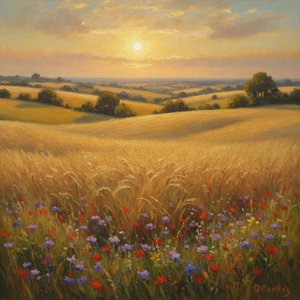
Golden Fields & Sun-Drenched Meadows: Capturing the Soul of Impressionist Landscapes
Immerse yourself in the luminous world of Impressionist landscapes. Discover how masters like Monet and Gauguin captured ephemeral light through plein air painting, and learn to bring the soul of sun-drenched meadows into your home with exquisite, hand-painted oil reproductions.

The Beauty of Impermanence: Capturing Decay through Impressionist Eyes
Explore the profound beauty of impermanence through Impressionist and Post-Impressionist eyes. Discover how masters like Monet and Van Gogh captured fleeting light and the poetic essence of nature's transitions in our deep dive into art history and emotional landscapes.

Capturing Light: The Ethereal Beauty and Timeless Legacy of Watercolor Landscapes
Embark on a visual journey through the ethereal beauty of watercolor landscapes. Discover how Impressionist masters captured light and emotion, and learn to bring this timeless, luminous elegance into your home with expert art curation and hand-painted reproductions.

Capturing the Soul: The Most Emotionally Moving Impressionist and Post-Impressionist Masterpieces
Discover the profound emotional depth of Impressionist and Post-Impressionist masterpieces. Explore how legends like Monet, Van Gogh, and Gauguin captured light and soul through evocative landscapes and vibrant brushwork for a timeless connection to art history.

Beyond the Light: Capturing Raw Emotion and Subjective Vision in Post-Impressionist Landscapes
Explore the profound emotional depth of Post-Impressionist landscapes. Discover how masters like Van Gogh moved beyond light to capture raw human feeling through vibrant color and expressive texture in this expert art history retrospective.