

 Преглед в реален мащаб
 Изпрати
 Сподели
 Детайли
 Ръководство

 Изтегляне
 Подобни артикули
 Рентгенова снимка
 Слайдшоу
 Въпроси и отговори
 Статистика
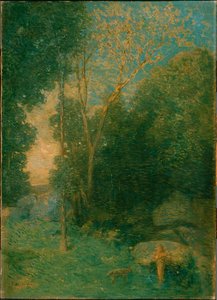
INTERIEUR DE FORET (COMPIEGNE)


Discover 'Interieur de Foret (Compiegne)' by Paul Huet – a captivating Romantic landscape painting. Explore its atmospheric brushstrokes, forest scene & human element. #art #landscapepainting #frenchart
 Прочети повече
Пол Хюе (1803-1869) е френски пейзажист, известен със своя романтичен стил и влияние върху художниците от Школата на Барбизон и импресионистите. Разгледайте неговите въздействащи акварели и маслени картини.
Жикле / Художествен принт
Giclée печат или принт върху платно с музейно качество, бързо производство и гъвкави опции за завършен вид. ( Купете ръчно рисувана картина Превключване към дигитално изображение)




P118B €10

P118H €10

P118W €10

P438Z €10

P508JH €12

P508YH €12

P805H €10

P805Z €10

P919BZ €10

P919G €10

P919XJ €10

P959ZH €10

P968JZ €12

W106C €8

W218G €10

W218JH €8

W218Y €10

W307PJ €10

W316G €10

W316PJ €8

W316Y €10

W398PJ €8

W4111J €10

W500HY €15

W500JH €15

W692G €12

W849H €8

W940BG €15

W953PJ €8




Стандартен
персонализиран
CM
INCH
Изберете от нашите предварително зададени размери, които съответстват на оригиналните пропорции на произведението.
Loading sizes...

ширина
височина
Въведете необходимата ширина и височина, за да паснат на вашата рамка или стена. Принтовете могат само да се изрязват, но никога не могат да бъдат по-големи от оригиналната картина, така че при размер с различен формат част от изображението ще бъде загубена. Преди да започнем печат, ще ви изпратим дигитален мок업 за одобрение. Изображението, показано на тази страница, не показва реалното изрязване — само мок업ът го показва.
Доставка по целия свят () в рамките на 2 седмици вместо стандартните 4/5 седмици. (3 Ноември)

Безплатна експресна доставка по целия свят

Висококачествено ленено платно

Пълно застраховане на доставката

Гаранция за възстановяване на митнически такси

Гаранция за пълно съответствие на цветовете

Политика за връщане в рамките на 100 дни (само при дефекти)

100% Гаранция за връщане на сумата

Оферта за отстъпка при поръчка на повече бройки
 Опцията със стъкло е налична само за размери под 110 см

INTERIEUR DE FORET (COMPIEGNE)
Жикле / Художествен принт
Размер на репродукцията
-


Обща цена
€ 62
The Enveloping Mystery of the Woodland
To stand before Paul Huet’s depiction of an interior forest—Intérieur de Forêt (Compiègne)—is not merely to observe a landscape; it is to step through a veil into a moment suspended between light and shadow. The painting immerses the viewer in the profound, almost palpable atmosphere of a dense woodland. Huet masterfully captures the overwhelming presence of nature, where the vertical thrust of countless tree trunks creates an architectural rhythm, guiding the eye deep into the cool embrace of the woods. This is a scene steeped in the Romantic sensibility, suggesting that the forest itself is a character, whispering secrets only to those who listen closely.
A Study in Light and Atmosphere
Technically, Huet’s handling of oil paint is breathtakingly evocative. One can almost feel the texture beneath the surface; the visible brushstrokes speak to an artist deeply engaged with his medium, prioritizing feeling over flawless polish. The light here is not direct but diffused—a celestial curtain filtering through a thick canopy overhead. This dappled illumination creates pockets of ethereal brightness on the forest floor and catches the edges of foliage, giving the scene a luminous quality despite its deep shadows. The palette relies heavily on earthy greens and rich browns, punctuated by those brilliant, almost accidental touches of yellow and white that suggest hope or revelation within the gloom.
Romantic Echoes and Human Presence
Historically, this work situates itself perfectly within the currents of 19th-century Romanticism. Huet, a pioneer whose vision bridged the gap between academic training and the burgeoning spirit of Impressionism, understood that nature was a mirror for the human soul. The inclusion of a small figure, subtly placed near the lower right corner, is crucial. This solitary presence acts as an anchor, providing scale and narrative focus against the immensity of the woods. It suggests contemplation—a moment where humanity pauses before the sublime power of the natural world, finding both solitude and companionship within its embrace.
Symbolism for the Modern Sanctuary
For the contemporary collector or designer, this piece transcends mere decoration; it functions as an emotional conduit. The forest setting symbolizes retreat, introspection, and the enduring connection to something wild and untamed. It speaks to a modern yearning for sanctuary—a place away from the clamor of urban life. Reproducing Intérieur de Forêt allows one to bring that sense of hushed tranquility into a formal interior space, transforming a room into a contemplative haven. The artwork doesn't shout its beauty; it whispers it, inviting quiet reflection upon its textured, deeply atmospheric surface.
Въпроси и отговори
С какви материали е създадено "INTERIEUR DE FORET (COMPIEGNE)"?
"INTERIEUR DE FORET (COMPIEGNE)" е изпълнено в Oil On Canvas.
Къде мога да видя оригиналния „INTERIEUR DE FORET (COMPIEGNE)“ на Пол Хюе?
„INTERIEUR DE FORET (COMPIEGNE)“ на Пол Хюе е изложена в Лувър, Paris, France. Информацията за музея се отнася за оригиналното произведение, а не за репродукции.
Присъства ли в „INTERIEUR DE FORET (COMPIEGNE)“ типичното за творчеството на Пол Хюе?
"INTERIEUR DE FORET (COMPIEGNE)" изобразява forest landscape, romantic art, natural scene, atmospheric view, tree silhouettes, human figure, tranquil nature, dark woods, докато утвърдените теми на Пол Хюе са key work in huet's career, demonstrates romantic vision, influential on impressionists, romantic landscape tradition, french barbizon school style, emphasis on atmospheric mood, connection to nature's power, solitude and reflection. Сравнението между двете показва как произведението се свързва с обичайните сюжети на художника.
Подобни произведения



Биография на художника
Пол Хюе: Пионер в романтичния пейзаж
Пол Хюе (1803-1869) се издига като ключова, макар и често недооценена фигура във френското изкуство на 19-ти век – пейзажист, който упражнява дълбоко влияние както върху Бабизонската школа, така и върху зародилищните импресионисти. Роден в Париж сред разцъфтяващия артистичен климат, пътят на Хюе е бил изпълнен с неумолимо наблюдение, дълбока връзка с природата и съзнателно отхвърляне на преобладаващите неокласически тенденции. Неговите творби не са били просто изображения на пейзажи; те са опит да се улови самата същност на светлината, атмосферата и преходната красота на природния свят – стремеж, който затвърждава неговото място като ключов новатор във френската живопис.Ранни влияния и художествено обучение
Художественото развитие на Хюе започва с основи в традиционните техники. Той получава първоначално обучение от бившия ученик на Жак-Луи Давид, Жан-Жюлиен Делтил, последвано от изследвания в École des Beaux-Arts под ръководството на Пиер Гирен и Антуан-Жан Гро. Решаващо е, че неговият път се пресича с този на Ричард Паркс Бонингтън, съученик в студиото на Гро. Това среща се оказва трансформираща. Подходът на Бонингтън към живописта на открито – работата директно от природата – завладява Хюе, водейки го до отказ от твърдата формалност на неокласицизма и приемане на по-спонтанен и наблюдателен стил. Британските пейзажи, експонирани в Салона през 1824 г., служат като откровение; способността на Джон Констебъл да предава свежест и зелена красота, без да прибягва до тъмни сенки или изкуственост, дълбоко резонира с Хюе, оформяйки неговата собствена художествена философия. Той прочуто описва творбите на Констебъл като „може би за първи път човек е почувствал свежестта, видял е буйна, зелена природа, без чернота, грубост или маниеризъм“.Бабизонският стил и холандските майстори
Стилът на Хюе се развива чрез една завладяваща синтеза на влияния. Първоначално той имитира техниката на Бонингтън при акварела, но неговите художествене сетива се простират далеч отвъд простото подражание. Той черпи вдъхновение от атмосферните пейзажи на холандските майстори като Якоб ван Рюйсдал и Мейндерт Хобама, особено от тяхното майсторско използване на светлината и цвета за предаване на настроение и атмосфера. Това възхищение към Старите майстори вдъхновява собствения му подход, което води до създаването на картини, притежаващи тихо достойнство и забележително чувство за реализъм – не фотографичен, а дълбоко усещащ се. Неговата работа през този период се характеризира с умишлено отхвърляне на академичните конвенции, предпочитайки свободни мазки, жизнени цветове и акцент върху улавянето на непосредственото впечатление от природата.Признание в Салона и политическа ангажираност
Художествената кариера на Хюе набира положителен импулс с неговия дебют в Салона през 1827 г., където една от осемте му изпратени картини е приета. Той продължава редовно да експонира в Салона през 30-те и 40-те години на القرن, постоянно изграждайки репутация сред критиците и колекционерите. Огюст Делакроа, негов колега и близък приятел, подкрепя творбите на Хюе, разпознавайки техните уникални качества. Въпреки това, Етьен-Жан Делеклюз предлага по-критична перспектива, виждайки в Хюе прекалено отдаден на Констебъл и Търнер, понякога пренебрегващ основните принципи на композицията. Извън своите художествени занимания, Хюе е активен участник в Юлийната революция от 1830 г. и по-късно се включва в републиканската политика, отразявайки бурната социална и политическа обстановка във Франция по това време. Ангажираността му с тези идеали му носи признание от крал Луи-Филип, който му награждава с чифт порцеланови вази от Севр през 1844 г., както и със златна медаль на Салона през 1848 г.Наследство и художествено значение
Влиянието на Пол Хюе върху френската пейзажна живопис е значително. Неговата иновативна употреба на акварела – не само за скици, но и като основен медиум за завършени творби – демонстрира потенциала му да постигне забележителна дълбочина и богатство, често наподобяващи маслени картини. Той е един от първите, които приемат живописта на открито, поставяйки директното наблюдение на природата пред студийния труд. Още по-важно е, че акцентът на Хюе върху улавянето на преходните ефекти на светлината и атмосферата повлиява дълбоко Бабизонската школа и по-късно импресионистите. Художници като Теодор Русо и Жан-Франсоа Миле, които се стремят да рисуват директно от природата с фокус върху селския живот и пейзажа, дължат дълг на пионерския подход на Хюе. Неговата работа стои като свидетелство за силата на наблюдението, красотата на простотата и вечното очарование на улавянето на същността на природния свят. Той умира в Париж през 1869 г., оставяйки след себе си обширно творческо наследство, което продължава да очарова зрителите със своята евокативна атмосфера и дълбока връзка с природата.
Пол Хюе
1803 - 1869 , Франция
Бърза информация
- Artistic Movement Or Style: Романтичен пейзаж
- Artists Or Movements Influenced By This Artist:
- Barbizon School
- Импресионисти
- Artists Who Influenced This Artist:
- Рембранд
- Джон Констебъл
- Ежен Делакроа
- Date Of Birth: 1803-10-03
- Date Of Death: 1869-01-08
- Full Name: Пол Юе
- Nationality: Френска
- Notable Artworks:
- Вила близо до Рим
- Ефектът на вечерта
- Под дърветата с езеро
- Place Of Birth: Париж, Франция
Свързани статии

Capturing the Soul: The Emotional Magic and Sublime Grandeur of Romantic Landscape Painting
Explore the profound emotional depth of Romantic landscape painting. Discover how masters like Friedrich and Turner captured the sublime through light, shadow, and nature's power in this expert art history retrospective for discerning collectors.
Capturing the Soul: The Emotional Majesty and Sublime Power of Romantic Landscape Painting
Explore the profound emotional depth of Romantic landscape painting. Discover how masters like Turner and Friedrich captured the sublime power of nature through intuition and imagination in this expert art history retrospective.