


 Преглед в реален мащаб
 Изпрати
 Сподели
 Детайли
 Ръководство

 Изтегляне
 Подобни артикули
 Рентгенова снимка
 Слайдшоу
 Q&A
Q&A Статистика
The Grammar


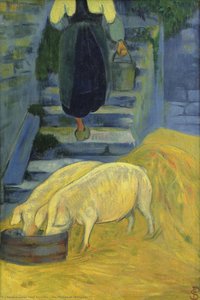
Paul Sérusier's 'The Grammar' (1892) is an iconic Cloisonnism painting, pioneering abstract art & inspiring the Nabis movement. Explore its symbolism and artistic innovation.
 Прочети повече
Паул Серусий е френски художник, пионер на абстрактното изкуство и вдъхновение за движението „Наби“. Известен с техниките си на cloisonnism и влиянието си върху развитието на модерното изкуство, особено творби като "The Talisman".
Получете файл, готов за печат, който предлага много по-високо качество от уеб прегледа. Всяко дигитално изображение, което предлагаме, е извлечено от висококачествен оригинал в нашата база данни — обикновено с ширина между 5 000 и 15 000 пиксела — така че със сигурност да можете да принтирате в голям формат, да кадрирате тесно или да възпроизведете фините детайли.
Нито един файл не напуска нашето студио без внимание. Дигитален експерт проверява цветовете спрямо оригиналната картина и ги коригира при необходимост, след което подобрява яснотата и детайлите с професионални инструменти за ретуш — винаги оставайки верен на мазките и стила на художника. Резултатът е изображение, което изглежда като самата картина, а не като сканиран образ с филтър.
Одобрявате преди финализиране: нашият експерт ще изпрати изображението по имейл в рамките на 72 часа за ваш преглед. Не сте доволни? Можете да поискате подобрения или корекции, или пълно възстановяване на сумата, ако качеството не отговаря на очакванията ви.
Това е качеството, на което разчитат издателства, дизайн студиа, галерии и печатници.
Дигитално изображение
Изтеглете файл с висока резолюция за лично съхранение, принтиране и творчески проекти. ( Превключване към принт Купете ръчно рисувана картина)
Включено във всяка поръчка за дигитални изображения
Гарантирана експертна дигитална доставка
Избирайки TopImpressionists.com, вие не получавате просто изображение – вие придобивате професионално обработена дигитална творба, създадена с прецизност и подкрепена от гаранция за удовлетворение. Ето какво автоматично е включено във вашата поръчка:

Бърза доставка по имейл
Вашето дигитално изображение с висока резолюция ще бъде изпратено по имейл в рамките на 72 часа от поръчката – готово за незабавно използване.

Дигитален файл с подобрено качество чрез ИИ
Вашата картина е професионално оптимизирана чрез усъвършенствани инструменти с изкуствен интелект и ръчна редакция, което гарантира максимална детайлност, яснота и точност на цветовете.

Безплатна доживотна повторна доставка
Изгубили сте или сте изтрили файла си по погрешка? Не се притеснявайте – ще го изпратим отново на Вас по всяко време, безплатно.

Без митнически такси – завинаги
Насладете се на вашето произведение незабавно, без мита, такси или разходи за доставка – дигиталните изтегляния винаги са освободени от данъци.

Гаранция за цветово съответствие
Гарантираме, че вашето дигитално изображение отразява оригиналните цветове възможно най-точно чрез използването на професионални инструменти и системи за управление на цветовете.

100-дневна гаранция за удовлетвореност
Ако не сте доволни от вашето дигитално изображение, ще го преработим или ще възстановим 100% от сумата в рамките на 100 дни – без излишни въпроси.

100% Гаранция за връщане на сумата
Не сте доволни? Получете пълен възврат на сумата в рамките на 100 дни от получаването на вашия цифров файл – без излишни въпроси.

Отстъпки за големи поръчки
Купете 3 изображения, спестете 10% - Купете 5, спестете 15% - Купете 10+, спестете 20%. Идеално за творчески проекти, галерии и агенства.
The Grammar: A Pioneering Exploration of Abstraction
Paul Sérusier’s “Grammar,” painted in 1892, stands as a pivotal work not just within the artist's oeuvre but also as a foundational piece in the development of modern art. More than simply a portrait, it’s an intensely personal and experimental exploration of color, form, and the very nature of representation – a bold step towards abstraction that profoundly influenced generations of artists to come. The painting depicts a woman seated on the ground, absorbed in reading a book, a scene rendered with remarkable intimacy and a deliberate departure from traditional academic styles.
Sérusier’s artistic journey was deeply intertwined with the burgeoning Nabis movement, a group of Symbolist painters who sought to move beyond mere imitation of nature towards expressing inner emotions and spiritual truths. He initially studied at the Académie Julian, but it was his summer sojourn in Pont-Aven, Brittany, that proved transformative. There, under the tutelage of Paul Gauguin – a figure whose influence extended far beyond technique – Sérusier encountered the revolutionary approach of Cloisonnism, championed by Gauguin himself. This style, characterized by sharply defined outlines and areas of flat color applied in small, separate strokes, aimed to mimic the appearance of stained glass, creating a sense of luminous clarity and symbolic resonance.
Cloisonnism and the Language of Color
“Grammar” exemplifies this Cloisonnism technique with striking precision. The woman’s figure is not rendered through subtle gradations of tone but rather defined by bold, distinct outlines – a deliberate simplification that prioritizes color and form over meticulous detail. Sérusier employs a vibrant palette, dominated by deep blues, greens, and ochres, creating an atmosphere both serene and slightly melancholic. The colors aren’t blended; instead, they are applied in small, separate strokes, building up layers of hue and texture. This technique, combined with the flattened perspective, creates a sense of immediacy and directness, as if the painting is capturing a fleeting moment of contemplation.
Crucially, Sérusier’s use of color isn't merely descriptive; it carries symbolic weight. The blues evoke a sense of introspection and mystery, while the greens suggest connection to nature – a key theme in Symbolist art. The muted ochres contribute to the painting’s overall feeling of quietude and contemplation. The deliberate choice of colors, rather than realistic representation, is central to the work's expressive power.
A Study in Form and Abstraction
Beyond its technical mastery, “Grammar” represents a significant shift towards abstraction. While not entirely devoid of recognizable forms – the woman’s figure, the book, the surrounding objects – the painting prioritizes the exploration of color and form over strict representation. The simplified shapes, flattened perspective, and emphasis on pure color anticipate later developments in abstract art, foreshadowing the work of artists like Kandinsky and Mondrian. It's a deliberate move away from photographic realism towards a more subjective and expressive approach to visual language.
The painting’s title, “Grammar,” is particularly intriguing. It suggests that Sérusier was not simply depicting a scene but rather exploring the fundamental building blocks of artistic expression – the elements of color, line, and form – in a way that transcends traditional representation. The book itself becomes a symbol of knowledge and contemplation, inviting the viewer to engage with the painting on a deeper level.
Legacy and Inspiration
“Grammar” remains a vital work in the history of modern art, demonstrating Sérusier’s pioneering spirit and his profound influence on subsequent generations. It's a testament to the power of abstraction to convey emotion, ideas, and spiritual truths. Reproductions of this evocative painting continue to inspire artists and collectors alike, offering a glimpse into the heart of artistic innovation and the enduring quest for new forms of visual expression.
Въпроси и отговори
Мога ли да използвам добавена реалност, за да видя „The Grammar“ на Пол Сезан в моята стая?
Можете да прегледате „The Grammar“ на Пол Сезан върху вашата собствена стена чрез страницата за Преглед с AR на произведението, използвайки добавена реалност на съвместимо устройство.
Как се съотнася стилът на „The Grammar“ с епохата на неговия създател?
„The Grammar“ на Пол Сезан се отнася към течението Cloisonnism / Nabis, създадено в епохата XIX век на своя автор.
Каква наситенност и интензивност притежава „The Grammar“ на Пол Сезан?
Цветът на „The Grammar“ е с Muted наситеност и с Monochromatic интензивност.
Подобни произведения




Биография на художника
Paul Sérusier: Pioneer of Abstraction and the Nabis Movement
Paul Sérusier, born in Paris on November 9th, 1864, and passing away on October 7th, 1927, remains a pivotal figure in the history of modern art. More than just a painter, he was a visionary who profoundly influenced the development of abstract art and played a crucial role in establishing the Nabis movement – a group dedicated to exploring new forms of expression and challenging traditional artistic conventions. His journey began with formal training at the Académie Julian, where he honed his skills alongside contemporaries like Maurice Denis and Édouard Vuillard, absorbing their innovative approaches while simultaneously forging his own distinctive style.
Sérusier’s early works are characterized by a quiet introspection and a deep connection to the landscapes of Brittany. He spent summers in Pont-Aven, a region renowned for its artistic community, where he encountered Paul Gauguin, whose influence was particularly significant. It was during this period that Sérusier developed his signature technique – Cloisonnism – a method inspired by medieval stained glass windows. This involved applying flat areas of color to the canvas, separated by bold outlines, creating an effect reminiscent of distinct panels or cells, as if painting with colored tape. This approach moved away from traditional perspective and representation, prioritizing sensation and emotional impact over meticulous detail.
The Birth of Abstraction and the Nabis
Sérusier’s most celebrated work, *La Forêt à Pont-Aven* (also known as *Le Talisman*), exemplifies this revolutionary approach. Painted in 1888, it's considered a foundational piece for both Cloisonnism and the broader development of abstract art. The painting isn’t a literal depiction of the forest; instead, it’s an exploration of color, form, and feeling – a distillation of Sérusier’s perception of the scene. Gauguin encouraged him to move beyond imitation and embrace a more symbolic and expressive language, leading to this groundbreaking work.
Sérusier's association with Paul Gauguin and Maurice Denis formed the core of the Nabis movement. The name “Nabis” itself derives from the Hebrew word for “prophet,” reflecting the group’s ambition to create art that transcended mere representation, aiming instead to convey spiritual truths and evoke profound emotions. Alongside Pierre Bonnard, Édouard Vuillard, and Maurice Denis, Sérusier sought a synthesis between decoration and fine art – a concept deeply rooted in the Arts and Crafts movement. They experimented with flattened forms, bold colors, and decorative patterns, rejecting academic realism in favor of a more subjective and expressive approach.
Notable Works and Artistic Legacy
Beyond *La Forêt à Pont-Aven*, Sérusier’s oeuvre includes numerous significant paintings that showcase his evolving style. *L'aversée* (1893), now housed in the Musée d'Orsay, exemplifies his exploration of color and form, while *Portrait de Paul Ranson* (1890) reveals a more intimate and psychologically charged approach. His later works, such as *Le Serpent Écailleux* (1894), displayed at the National Museum in Warsaw, continued to push the boundaries of abstraction, demonstrating his commitment to distilling essence from observation.
Sérusier’s influence extended beyond his own paintings. He played a crucial role in shaping the artistic landscape of early 20th-century France, particularly through his teaching at the École Ranson, founded by Paul Ranson – another key figure in the Nabis movement. This institution became a breeding ground for future modernist artists, and Sérusier’s emphasis on abstraction and expressive color profoundly impacted their work. His legacy is undeniable; he was not merely a follower of trends but a true innovator who helped to pave the way for abstract art and inspired generations of artists to explore new ways of seeing and representing the world.
Artistic Movement and Influence
Sérusier’s artistic journey was deeply intertwined with several key movements. His early work demonstrates an influence from Post-Impressionism, particularly in his use of color and light. However, he quickly moved beyond these influences to develop a unique style rooted in Cloisonnism – a technique that anticipates later developments in abstract art. The Nabis movement itself represents a significant artistic shift, rejecting the conventions of academic painting and embracing a more subjective and symbolic approach. Sérusier’s work is considered a cornerstone of this movement, demonstrating its core principles of color, form, and emotional expression.
Further exploration into Cloisonnism reveals its roots in medieval stained glass windows, where individual colored panels are separated by black outlines. This technique provided Sérusier with a powerful visual language for expressing his ideas – a way to create images that were both decorative and emotionally resonant. His work also reflects the influence of Theosophy, a philosophical movement that emphasized spiritual truths and sought to connect art with broader human experience.

Пол Сезан
1864 - 1927 , Франция
Бърза справка
- Artistic Movement Or Style: Постимпрерианизъм
- Artists Or Movements Influenced By This Artist: ['Ла Набиз']
- Artists Who Influenced This Artist:
- Пол Gauguin
- Морис Денс
- Date Of Birth: 9 ноември 1864
- Date Of Death: 7 октомври 1927
- Full Name: Louis-Paul-Henri Sérusier
- Nationality: Френски
- Notable Artworks:
- Л’аверс (1893)
- Портрет на Пол Рансон (1890)
- Меланхолия (1890)
- Змиите ядат (1894)
- Place Of Birth: Париж, Франция