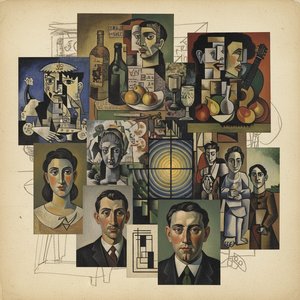
Kunstsammlung Nordrhein-Westfalen: A Sanctuary of Modern Vision
Nestled in the heart of Düsseldorf’s vibrant cultural landscape, the Kunstsammlung Nordrhein-Westfalen – often referred to as K20 and K21 – stands not merely as a repository of art, but as an immersive experience. It's a journey through pivotal artistic movements, bold innovations, and the evolving dialogue between artists and their world. Founded in 1961 with a foundational gift that would define its trajectory—the extraordinary collection of works by Paul Klee—the institution has blossomed into a multifaceted space encompassing three distinct venues, each offering a unique perspective on the spectrum of artistic expression. The story of this museum is one of deliberate vision, expanding horizons, and an unwavering commitment to showcasing the power of art across generations.
The Genesis of a Collection: Klee and Beyond
The very soul of the Kunstsammlung resides in its unparalleled assembly of 88 paintings and drawings by Paul Klee. This monumental acquisition wasn’t simply about adding masterpieces to a collection; it was an act of faith in the genesis of modern art—an understanding that Klee's experimentation with color, form, and technique represented a profound shift in visual language. To stand before these works is to witness the birth of new possibilities, a lyrical exploration of abstraction and symbolism. But the museum’s ambition didn’t stop there. Under the leadership of its first director, Werner Schmalenbach, the collection expanded dramatically, embracing masters like Pablo Picasso, Henri Matisse, and Wassily Kandinsky. These weren't isolated acquisitions; they were carefully chosen pieces that illuminated the interconnectedness of these revolutionary artists, revealing a shared pursuit of new visual vocabularies. The museum’s early years established a commitment to Classical Modernism, laying the groundwork for its future explorations into Postwar American Art and beyond.
Architectural Echoes: A Trilogy of Spaces
The Kunstsammlung's unique appeal extends far beyond its collection; it is inextricably linked to the architectural spaces that house it. K20, located at Grabbeplatz, is a striking example of contemporary architecture—a bold black granite façade punctuated by expansive windows that flood the galleries with natural light. Its location directly opposite the Kunsthalle Düsseldorf creates an immediate sense of cultural synergy, fostering a dynamic exchange between art forms. This building, inaugurated in 1986, isn’t just a container for art; it's a statement—a bold declaration of Düsseldorf’s commitment to modernism. K21, housed within the former parliamentary building alongside the Kaiserteich lake, embodies a spirit of adaptability and innovation. Designed by Sauerbruch & Peer, this space prioritizes flexibility, allowing for large-scale installations and exhibitions that challenge conventional museum layouts. The industrial aesthetic—exposed concrete, soaring ceilings—provides a dramatic backdrop for contemporary art, emphasizing its scale and ambition. Finally, the Schmela Haus, originally a private residence designed by Aldo van Eyck, offers an intimate counterpoint to the grand scale of the other venues. This protected landmark retains its original character, serving as a “rehearsal stage” and lecture venue—a space for artistic exploration and dialogue. The interplay between these three distinct architectural environments creates a layered and engaging museum experience, reflecting the diverse nature of the collection itself.
A Chronicle of Artistic Evolution and Dialogue
From its humble beginnings with Klee’s works in 1961, the Kunstsammlung has undergone a remarkable evolution. The collection gained momentum with a powerful representation of Postwar American Art – a period defined by radical abstraction and a rejection of traditional artistic conventions. Works by Jackson Pollock, whose drip paintings embody spontaneous energy; Frank Stella, known for his geometric explorations; and Robert Rauschenberg, who blurred the boundaries between painting and collage, are all integral to this section, offering a visceral understanding of America’s artistic transformation after World War II. The museum's ongoing dedication to education is evident through its diverse programs, including studios, workshops, and gallery integration—designed to engage visitors of all ages and backgrounds, fostering a deeper appreciation for the transformative power of art. What truly distinguishes the Kunstsammlung Nordrhein-Westfalen is not simply its impressive collection or its striking architecture; it’s its unwavering commitment to fostering dialogue—both within the artistic community and with the wider public. The museum actively challenges conventional museum displays, presenting exhibitions that are dynamic, engaging, and often provocative. It embraces a polyphonic approach, incorporating diverse perspectives and narratives into its programming, ensuring that art history is understood as a complex and multifaceted story.
Beyond the Canvas: A Living Institution
The Kunstsammlung isn’t simply about preserving the past; it's about shaping the future of artistic discourse. It consistently pushes the boundaries of artistic expression, reflecting the ever-changing landscape of contemporary culture. From photography and film to virtual reality, the museum embraces emerging media, recognizing that art is a living, breathing entity. It’s a place where art isn't merely observed—it’s experienced, debated, and ultimately, transformed. The Kunstsammlung Nordrhein-Westfalen stands as a testament to the enduring power of artistic vision, a sanctuary for creativity, and a beacon for those who seek to understand the world through the lens of art.