Ateliér — Doprava po celém světě zdarma — Dodání za 2–6 týdnů
Obraz z fotky Seznam přání Košík
NáhledNáhled Náhled v ARNáhled v AR Koupit tisk Koupit tiskKoupit ručně malovaný obraz Koupit ručně malovaný obraz SdíletSdílet
Podrobnosti o dílePodrobnosti o díle Přidat do oblíbených Přidat do oblíbených StáhnoutStáhnout Podobné položkyPodobné položky Rentgenové snímkyRentgenové snímky SlideshowSlideshow

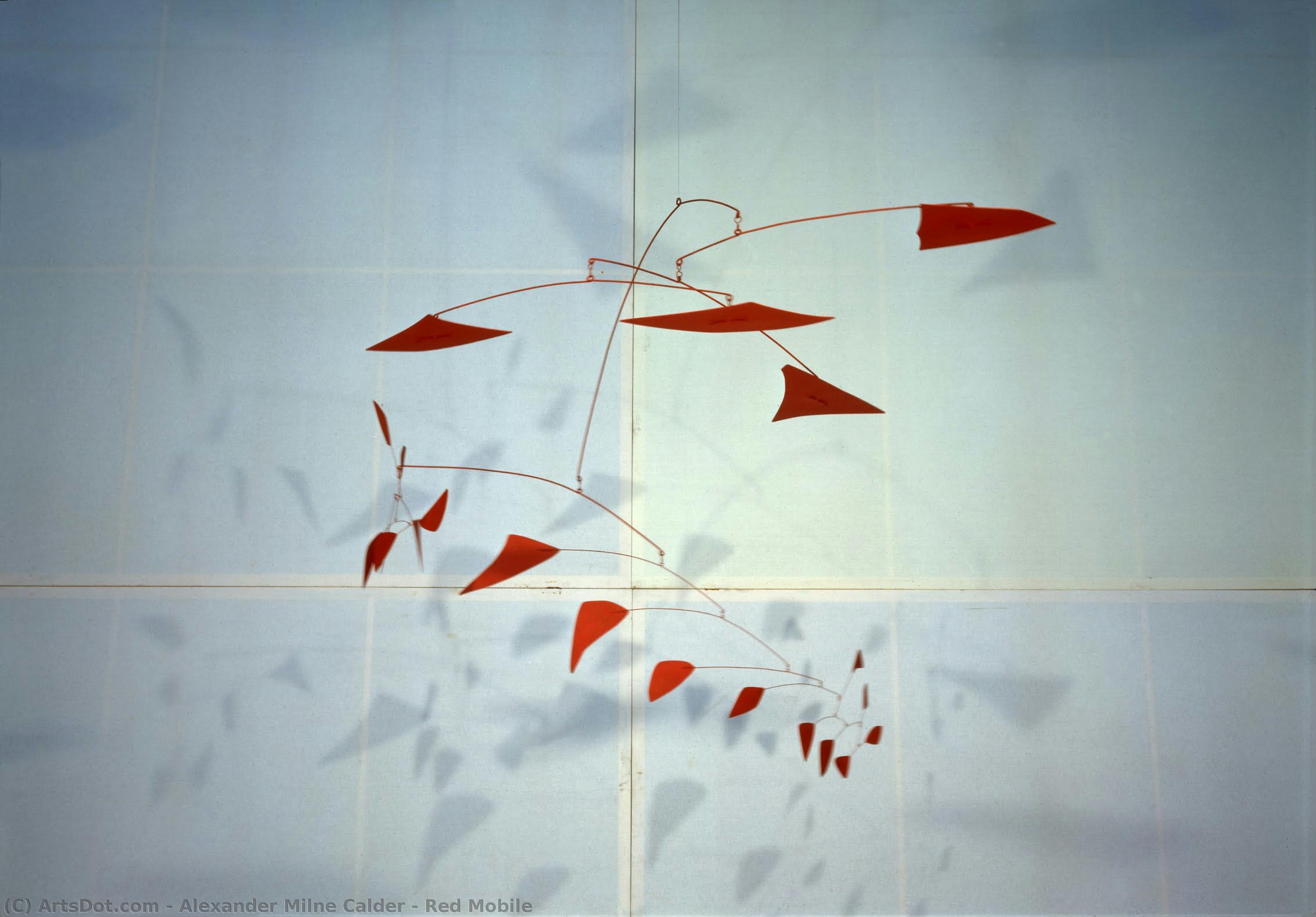
Red Mobile

Experience 'Red Mobile' by Alexander Calder – a dynamic 1930s kinetic sculpture! Explore its vibrant red triangles & biomorphic design. A unique, captivating art piece.

"meta_description": "Alexander Calder (1898-1976) byl skotsko-americký sochař známý inovativními mobily a stabilami. Jeho díla, včetně monumentalní sochy Williama Penn na Filadelfském náměstí, jsou svědectví o jeho stylu a vlivu na moderní umění."

Koupě vysoce rozlišeného, vylepšeného digitálního obrazu, který je mnohem kvalitnější než online náhled.

Každý soubor je pečlivě připraven našimi odborníky pomocí pokročilých nástrojů a expertní manuální retuše. Zajišťujeme, aby každý obraz disponoval výjimečnou ostrostí, přesnou barevnou věrností a jemnými detaily.

Finální soubor vám bude do 72 hodin zaslán e-mailem, optimalizovaný pro okamžité použití v profesionálním, redakčním i tiskovém prostředí. Nabízíme stejnou kvalitu, které důvěřují špičková designová studia, nakladatelství i galerie.

Digitální obrazy

Stáhněte si soubor ve vysokém rozlišení pro osobní prohlížení, tisk a kreativní projekty. (Koupit tisk Koupit tiskKoupit ručně malovaný obraz Koupit ručně malovaný obraz)

Celková cena

$ 24,90

Součást každé objednávky digitálního obrazu

Profesionální digitální doručení, zaručeno.

Když si vyberete TopImpressionists.com, nezískáváte pouze obrázek – získáváte digitální umělecké dílo s profesionálně vylepšenými detaily, zpracované s precizností a podpořené zárukou za spokojenost. Zde je vše, co vaše objednávka automaticky obsahuje:

shipping_icon
Rychlé doručení e-mailem

Váš digitální obraz ve vysokém rozlišení vám bude zaslán e-mailem do 72 hodin od objednávky – připraven k okamžitému použití.

canvas_icon
Digitální soubor s využitím AI

Vaše umělecké dílo je profesionálně optimalizováno pomocí pokročilých nástrojů umělé inteligence a manuální úpravy, což zajišťuje maximální úroveň detailu, ostrosti a přesnosti barev.

insurance_icon
Bezplatné doživotní znovuodeslání

Soubor jste omylem smazali nebo ztratili? Žádný problém – kdykoliv vám ho znovu zašleme zcela zdarma.

tax_icon
Bez poplatků za dovoz – navždy

Užijte si své umělecké dílo okamžitě bez celních poplatků, daní nebo nákladů na dopravu – digitální stažení je vždy bez daňových povinností.

color_icon
Záruka přesnosti barev

Pomocí profesionálních nástrojů a správy barev zajišťujeme, aby váš digitální obraz odrážel původní barvy co nejvěrněji.

return_icon
60denní záruka spokojenosti

Pokud nebudete s digitální fotografií spokojeni, provedeme její revizi nebo vám vrátíme 100% během 60 dnů – bez jakýchkoliv dotazů.

guarantee_icon
100% záruka vrácení peněz

Nespokojeni? Získejte plnou částku zpět do 60 dní od přijetí vašeho digitálního souboru – bez jakýchkoliv dotazů.

discount_icon
Slevy při hromadných objednávkách

Koupěte si 3 obrazy, ušetřete 10% - Koupěte si 5, ušetřete 15% - Koupěte si 10+, ušetřete 20%. Ideální pro kreativní projekty, galerie a agentury.

Popis sběratelského kusu

Between the 1920s and ‘30s, Calder regularly made long study and work trips to Paris, where he began to participate in the Abstraction-Création group. Finally, in 1932, at the Galleria Vignon – owned by Marie Cuttolì, an avant-garde collector – he exhibited for the first time, presenting thirty mobile works that were to pave the way for other mobiles to come. Fifteen of these were operated artificially by motors and others were composed of naturally oscillating parts. Later constructions often had supports or were suspended in the air, and were normally composed of painted metal sheets joined by a metal skeleton of slender veins and stems. Apparently it was Marcel Duchamp, on a visit to the exhibition by his American friend, who gave their name to these graceful, floating structures, which could catch the slightest change in the breeze, in stark contrast to the basic characteristics of traditional sculpture - gravity and stability. The Parisian context and close interest of the avant-guard led to the mechanical and biomorphic nature of these works being associated with the organic motifs of the surrealist painting and sculpture of Jean Mirò and Jean Arp. The Dadaist legacy of interest in movement, better still if unpredictable and casual in its effects and forms, which Calder combined with a preference for abstract and heavily stylised language, was stimulated by attention towards primitive cultures, which for the artist essentially meant the ethnic heritage of Native Americans, encountered while wandering around the United States in his youth. These influences spawned abstract anatomies, like this large Red Mobile, always in movement with a calculated balance, aimed at creating a visual equivalent of the harmonious yet unpredictable activity of nature.

Biografie umělce

Introduction to Alexander Milne Calder

Alexander Milne Calder (August 23, 1846 – June 14, 1923) was a Scottish-American sculptor renowned for architectural masterpieces like Philadelphia City Hall. His legacy extends beyond his own work, as both his son and grandson became prominent sculptors in the 20th century. Calder’s artistic journey began in Aberdeen, Scotland, where he honed his craft under the tutelage of his father, a stonemason—a profession that instilled in him a lifelong appreciation for material and form. He pursued formal education at the Royal Academy in Edinburgh, immersing himself in classical sculpture traditions before venturing into London's vibrant art scene.
  • Early Life and Education:
  • Born August 23, 1846, Aberdeen, Scotland
  • Attended Royal Academy in Edinburgh
  • Studied with John Rhind (sculptor)

Career Highlights

Calder’s professional life unfolded during a period of significant artistic innovation. He gained invaluable experience collaborating on monumental sculptures for Philadelphia City Hall—a project that demanded meticulous planning and execution over two decades. This ambitious undertaking cemented his reputation as a visionary architect and sculptor, pushing the boundaries of conventional design. Notably, he created William Penn, a colossal bronze statue commemorating Pennsylvania’s founding father, demonstrating his mastery of large-scale sculptural techniques. Furthermore, Calder's fascination with kinetic art culminated in the creation of *Indian Figure*, a striking sculpture that embodies movement and dynamism—a precursor to his groundbreaking mobiles.
  • Philadelphia City Hall:
  • Commissioned project requiring 250 pieces in marble and bronze
  • William Penn Statue:
  • Colossal bronze statue honoring Pennsylvania’s founder
  • *Indian Figure*:
  • Sculpture embodying movement and dynamism
  • Influence and Legacy

    Alexander Stirling Calder (1898–1976), Calder's son, carried forward his father’s artistic spirit, establishing himself as a celebrated sculptor in his own right. Similarly, Alexander “Sandy” Calder—Calder’s grandson—became a respected artist known for his innovative approach to sculpture and installation art. Calder’s influence resonated throughout the 20th century, shaping movements like Abstract Expressionism and inspiring generations of artists to explore new forms of artistic expression. His enduring contribution to modern art is commemorated in museums worldwide, ensuring that Calder's vision continues to captivate audiences and inspire creativity.
    • Alexander Stirling Calder:
    • Sculptor who followed in his father’s footsteps
  • Alexander “Sandy” Calder:
  • Artist known for innovative sculpture and installation art
  • ## Notable Achievements Calder's artistic achievements stand as testaments to his dedication and ingenuity. He achieved recognition as a sculptor by creating monumental sculptures like Philadelphia City Hall and William Penn, demonstrating exceptional skill in architectural design and bronze casting. His pioneering work with mobiles revolutionized the art world, introducing a new dimension of movement and balance into sculpture—a concept that profoundly impacted subsequent artistic explorations. Calder’s enduring legacy is celebrated through exhibitions and publications, solidifying his place as one of the most influential sculptors of his era.
    • Philadelphia City Hall:
    • Commissioned project showcasing architectural innovation
  • William Penn Statue:
  • Monumental bronze statue commemorating Pennsylvania’s founding father
  • Mobile Art:
  • Revolutionary contribution to sculpture, introducing movement and balance
  • ## Conclusion Alexander Milne Calder's artistic journey spanned decades of experimentation and innovation—leaving an indelible mark on the history of art. From his formative years in Scotland to his groundbreaking sculptures and the influence he exerted on subsequent generations of artists, Calder’s legacy continues to inspire creativity and appreciation for sculptural artistry. His enduring contribution ensures that Alexander Milne Calder remains a pivotal figure in the artistic landscape of the 20th century.

    Alexander Calder

    Alexander Calder

    1898 - 1976 , Skotsko

    Stručné informace

    • Artistic Movement Or Style: Architectural sculpture
    • Artists Who Influenced This Artist: ['John Rhind']
    • Date Of Birth: August 23, 1846
    • Date Of Death: June 14, 1923
    • Full Name: Alexander Milne Calder
    • Nationality: Scottish-American
    • Notable Artworks:
      • Philadelphia City Hall
      • William Penn statue
    • Place Of Birth: Aberdeen, Scotland
    © TopImpressionists.com — Všechna práva vyhrazena  ·  100% Ručně malováno · Spokojenost zaručena · Doprava po celém světě zdarma
    VISA MASTERCARD