


 Zobrazit v interiéru
 Odeslat
 Sdílet
 Podrobnosti
 Průvodce

 Stáhnout obrázek
 Podobné kousky
 Rentgenové snímky
 Slideshow
 Statistiky
A Forest Pool
 Barbizon School
 27.0 x 37.0 cm
 National Trust
Discover 'A Forest Pool' by algernon cecil newton – a serene oil painting reminiscent of Barbizon/Impressionism. Explore its balanced composition, textured brushstrokes & evocative landscape.
Algernon Cecil Newton (1880-1968) was a British landscape artist celebrated as the 'Canaletto of the canals'. Known for his evocative paintings of London scenes, industrial landscapes & quiet beauty in everyday life. RA, Tate collection.
 Přečíst si více
Umělecké dílo zobrazené na této stránce je chráněno autorským zákonem, což znamená, že nemůžeme legálně vytvářet ani prodávat jeho identickou reprodukci. Tato ochrana je vymáhána na základě mezinárodních dohod, jako například Berberská úmluva a národními zákony, včetně těch stanovených v Americký autorský zákon – Díl 17. Všechna práva vyhrazena.
Jako etickou a právní alternativu nabízíme vlastní, ručně malovaná umělecká díla inspirovaná originálem. Naši zdatní a profesionální umělci si pečlivě studují styl, náladu a uměleckou podstatu originálu, aby vytvořili nové, jedinečné dílo, které vyvolává stejný pocit – přičemž zůstává samostatným originálním tvůrčím dílem.
Tato metoda je plně v souladu s autorským právem, protože nezahrnuje kopírování ani duplikování chráněného díla. Jde o kreativní reinterpretaci – nový obraz, který je inspirován originálem, ale není s ním identický.
Ručně malovaná olejová reprodukce
Ručně malované olejné plátno v libovolném rozměru i s rámem, vyrobené našimi umělci na zakázku. ( Přepnout na tiskové verze Přepnout na digitální verzi obrazu)




































Standardní velikost
na zakázku
CM
INCH
Vyberte si z našich přednastavených velikostí, které odpovídají původním proporcím díla.
Loading sizes...

šířka
výška
Zadejte šířku a výšku, které potřebujete pro váš rám nebo stěnu. Protože se jedná o ruční malbu, při výběru jiného formátu může umělec kolem obrazu domalovat o něco více, nebo jej mírně oříznout — rozhodnete si vy. Před zahájením malby vám zašleme digitální náhled ke schválení. Obraz zobrazený na této stránce neodpovídá skutečnému výsledku — pouze digitální náhled jej zobrazuje.
Příklady možných změn: nahrazení obličeje vlastní fotografií; přidání domácího mazlíčka (např. nahrazení kočky psem); vložení skrytého vzkazu do pozadí; změna krajiny nebo prvků v pozadí.
Po přijetí objednávky vám tým TopImpressionists.com zašle e-mail s pokyny a poskytne náhledovou verzi.
Po přijetí objednávky vám tým TopImpressionists.com zašle e-mail s pokyny a poskytne náhledovou verzi.
Celosvětová doprava () za 3–4 týdny namísto standardních 5 týdnů. (20 říjen). Bez kompromisů v kvalitě.

Zdarma celosvětová expresní doprava

Vysoce kvalitní lněné plátno

Úplné pojištění přepravy

Záruka vrácení celního poplatku

Záruka věrného barevného shodu

100dení lhůta pro vrácení zboží (pouze při vadách výroby)

100% garance vrácení peněz

Sleva při více objednávkách
 Skleněná varianta je dostupná pouze u rozměrů menších než 110 cm

A Forest Pool
Technika provedení
Velikost reprodukce
-


Celková cena
Kč 5706
Související díla


Biografie umělce
The Canaletto of the Canals: The Soulful Landscapes of Algernon Cecil Newton
Algernon Cecil Newton (1880-1968) occupies a singular, luminous space in the pantheon of British landscape painting. Often whispered about in art circles as “The Canaletto of the Canals,” Newton possessed a rare, almost clairvoyant ability to find profound grace within the industrial and urban arteries of England. Where others saw only the grit of soot-stained brickwork or the murky depths of stagnant waterways, Newton perceived a quiet, rhythmic beauty. His work does not merely document a scene; it captures a mood, distilling the essence of London’s canals and industrial peripheries into compositions that breathe with a contemplative, almost spiritual serenity.
The roots of his meticulous approach to light and texture were deeply embedded in his very lineage. Born in Hampstead, Newton was the descendant of Henry Newton, one of the legendary founders of Winsor & Newton. This connection to the very materials of the painter’s craft instilled in him a lifelong reverence for the nuances of pigment and the delicate interplay of atmosphere. His early education at Clare College, Cambridge, placed him at the heart of a burgeoning intellectual and artistic movement, where he studied alongside figures such as Roger Fry and Vanessa Bell. These encounters with the pioneers of modernism provided him with a sophisticated understanding of form, even as his own heart remained tethered to a more evocative, tonal realism.
A Journey Through Light and Shadow
Newton’s artistic trajectory was profoundly shaped by the turbulence of the early 20th century. His service during the First World War, initially as a Sub-Lieutenant in the Royal Naval Volunteer Reserve and later with the Army, brought him face-to-face with the harsh realities of conflict. The physical toll of the war, which saw him invalided out in 1916 due to pneumonia, led him toward a period of profound introspection and healing. It was during this convalescence that he found sanctuary in the artistic colony of Lamorna, Cornwall. Surrounded by luminaries like William Nicholson and George Dyer, Newton embraced the practice of plein air painting, a method that would become central to his ability to capture the fleeting qualities of light.
In the rugged landscapes of Cornwall, his technique began to evolve into something truly distinctive. Moving away from rigid representation, he adopted a more fluid, impressionistic brushstroke, utilizing a muted palette that prioritized the atmospheric weight of the air itself. This period was crucial in developing his ability to render the "character" of a place—the way mist clings to a riverbank or how the twilight softens the hard edges of a dockside warehouse. His work became less about the literal depiction of objects and more about the emotional resonance of the environment.
Legacy and Artistic Significance
As his career matured, Newton turned his gaze back toward the urban landscapes that would become his most enduring legacy. He mastered the art of finding the poetic within the mundane, transforming the industrial canals of London into stages for light and shadow. His paintings serve as a bridge between the traditional landscape traditions of the 19th century and a more modern, psychological approach to subject matter. Through his eyes, the industrial world was not something to be shunned, but a landscape worthy of the same reverence once reserved for rolling hills and classical ruins.
The significance of Newton’s contribution to British art is cemented by his recognition by the Royal Academy and the inclusion of his works in the prestigious Tate collection. His ability to evoke nostalgia and peace through a mastery of tone ensures that his paintings remain timeless. To view a Newton landscape is to enter a world of quietude, where the bustle of the modern age fades into a soft, painterly dream, leaving the viewer alone with the gentle pulse of the water and the enduring beauty of the English landscape.

Algernon Cecil Newton
1880 - 1968
Rychlé informace
- Artistic Movement Or Style: Tonal realism
- Artists Who Influenced This Artist:
- Roger Fry
- Vanessa Bell
- Full Name: Algernon Cecil Newton
- Nationality: British
- Notable Artworks:
- A Forest Pool
- Evening by the Lake
- West Wycombe Park
- Dawn
- Place Of Birth: Hampstead, England
- Date Of Birth: 1880
- Date Of Death: 1968
Související články

Beyond the Light: Capturing Raw Emotion and Subjective Vision in Post-Impressionist Landscapes
Explore the profound emotional depth of Post-Impressionist landscapes. Discover how masters like Van Gogh moved beyond light to capture raw human feeling through vibrant color and expressive texture in this expert art history retrospective.

The Beauty of Impermanence: Capturing Decay through Impressionist Eyes
Explore the profound beauty of impermanence through Impressionist and Post-Impressionist eyes. Discover how masters like Monet and Van Gogh captured fleeting light and the poetic essence of nature's transitions in our deep dive into art history and emotional landscapes.

The Barbizon School: The Soulful Origins of Impressionism's Natural Light and Atmospheric Mastery
Discover the profound influence of the Barbizon School on Impressionism. Explore how these masters captured natural light and atmospheric beauty through plein air painting, paving the way for Monet and Renoir. A journey into the soulful origins of landscape art history.
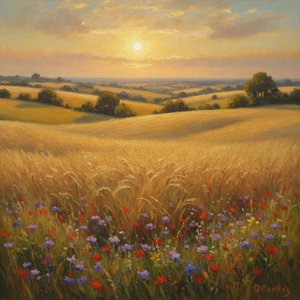
Golden Fields & Sun-Drenched Meadows: Capturing the Soul of Impressionist Landscapes
Immerse yourself in the luminous world of Impressionist landscapes. Discover how masters like Monet and Gauguin captured ephemeral light through plein air painting, and learn to bring the soul of sun-drenched meadows into your home with exquisite, hand-painted oil reproductions.

Capturing the Soul: The Most Emotionally Moving Impressionist and Post-Impressionist Masterpieces
Discover the profound emotional depth of Impressionist and Post-Impressionist masterpieces. Explore how legends like Monet, Van Gogh, and Gauguin captured light and soul through evocative landscapes and vibrant brushwork for a timeless connection to art history.