

 Zobrazit v interiéru
 Odeslat
 Sdílet
 Podrobnosti
 Průvodce

 Stáhnout obrázek
 Podobné kousky
 Rentgenové snímky
 Slideshow
 Statistiky
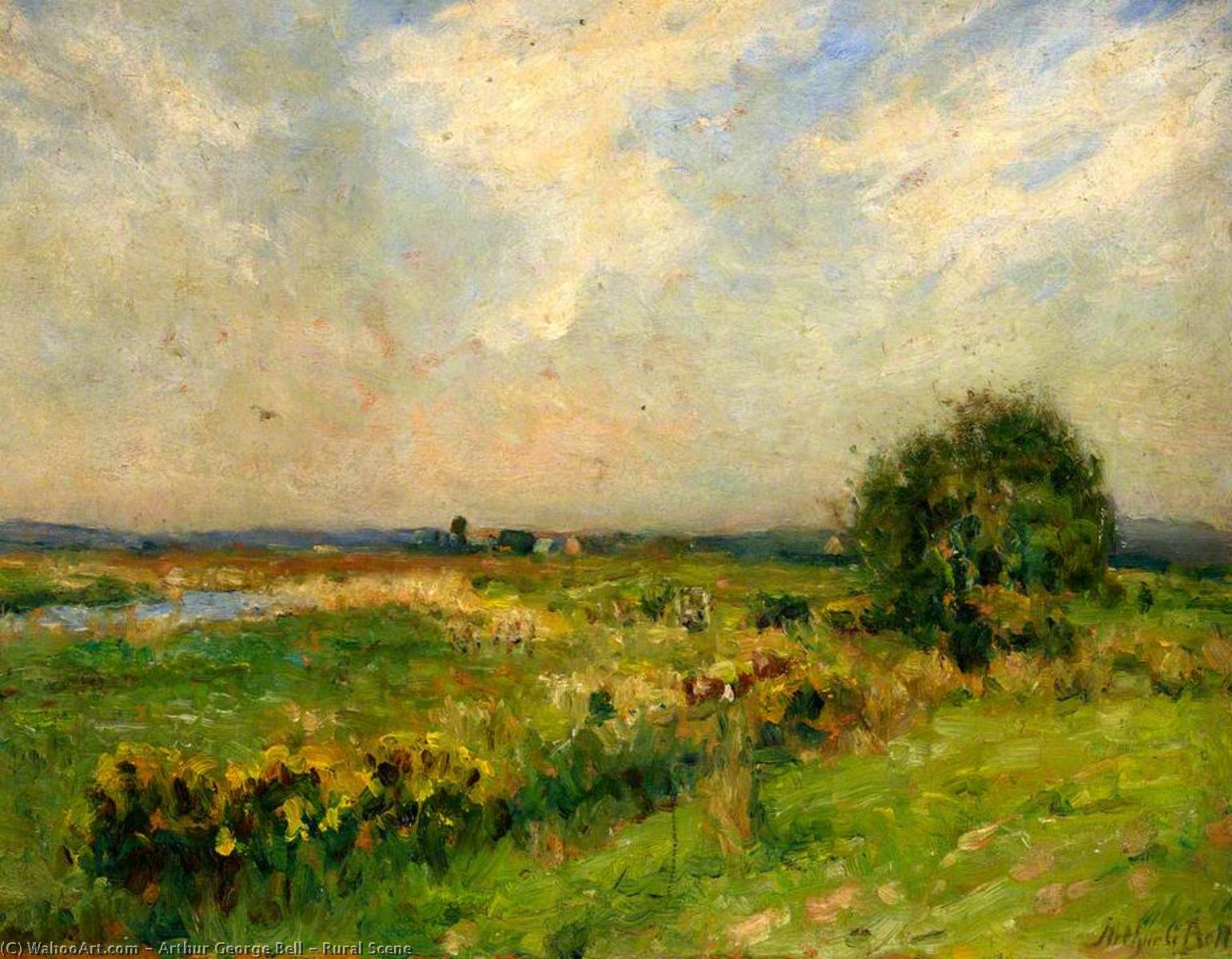
Rural Scene
 25.0 x 46.0 cm
Discover Arthur George Bell's captivating landscapes & rural scenes. Explore his nature-inspired artworks, from woodland rivers to autumnal vistas.
 Přečíst si více
Umělecké dílo zobrazené na této stránce je chráněno autorským zákonem, což znamená, že nemůžeme legálně vytvářet ani prodávat jeho identickou reprodukci. Tato ochrana je vymáhána na základě mezinárodních dohod, jako například Berberská úmluva a národními zákony, včetně těch stanovených v Americký autorský zákon – Díl 17. Všechna práva vyhrazena.
Jako etickou a právní alternativu nabízíme vlastní, ručně malovaná umělecká díla inspirovaná originálem. Naši zdatní a profesionální umělci si pečlivě studují styl, náladu a uměleckou podstatu originálu, aby vytvořili nové, jedinečné dílo, které vyvolává stejný pocit – přičemž zůstává samostatným originálním tvůrčím dílem.
Tato metoda je plně v souladu s autorským právem, protože nezahrnuje kopírování ani duplikování chráněného díla. Jde o kreativní reinterpretaci – nový obraz, který je inspirován originálem, ale není s ním identický.
Ručně malovaná olejová reprodukce
Ručně malované olejné plátno v libovolném rozměru i s rámem, vyrobené našimi umělci na zakázku. ( Přepnout na tiskové verze Přepnout na digitální verzi obrazu)




































Standardní velikost
na zakázku
CM
INCH
Vyberte si z našich přednastavených velikostí, které odpovídají původním proporcím díla.
Loading sizes...

šířka
výška
Zadejte šířku a výšku, které potřebujete pro váš rám nebo stěnu. Protože se jedná o ruční malbu, při výběru jiného formátu může umělec kolem obrazu domalovat o něco více, nebo jej mírně oříznout — rozhodnete si vy. Před zahájením malby vám zašleme digitální náhled ke schválení. Obraz zobrazený na této stránce neodpovídá skutečnému výsledku — pouze digitální náhled jej zobrazuje.
Příklady možných změn: nahrazení obličeje vlastní fotografií; přidání domácího mazlíčka (např. nahrazení kočky psem); vložení skrytého vzkazu do pozadí; změna krajiny nebo prvků v pozadí.
Po přijetí objednávky vám tým TopImpressionists.com zašle e-mail s pokyny a poskytne náhledovou verzi.
Po přijetí objednávky vám tým TopImpressionists.com zašle e-mail s pokyny a poskytne náhledovou verzi.
Celosvětová doprava () za 3–4 týdny namísto standardních 5 týdnů. (21 říjen). Bez kompromisů v kvalitě.

Zdarma celosvětová expresní doprava

Vysoce kvalitní lněné plátno

Úplné pojištění přepravy

Záruka vrácení celního poplatku

Záruka věrného barevného shodu

100dení lhůta pro vrácení zboží (pouze při vadách výroby)

100% garance vrácení peněz

Sleva při více objednávkách
 Skleněná varianta je dostupná pouze u rozměrů menších než 110 cm

Rural Scene
Technika provedení
Velikost reprodukce
-


Celková cena
Kč 5717
Související díla


Biografie umělce
The Soul of the Dorset Landscape
Arthur George Bell stands as a singular figure in British landscape painting, a chronicler of the Dorset countryside and its rhythms whose canvases capture not merely visual beauty but also the very spirit of rural life at the turn of the century. Born around 1867 into a family of farmers in Dorset, England, Bell possessed an innate connection to the land that would profoundly shape his artistic vision. His heritage provided him with a deep-seated understanding of the seasonal shifts and the quiet labor of the countryside, allowing him to transform ordinary scenery into evocative depictions that resonate with both emotion and memory. While he may have been overshadowed by more celebrated contemporaries during his lifetime, his meticulous observation and deeply felt connection to his surroundings cemented his reputation as one of Dorset's foremost artists.
The development of Bell’s distinctive style was significantly shaped by his formal training at the prestigious Slade School of Fine Art in London during the late 19th and early 20th centuries. It was here that he encountered the transformative power of Impressionism, absorbing the techniques of masters such as Claude Monet and Pierre-Auguste Renoir. This exposure proved pivotal, steering him away from rigid academic traditions that favored studio-bound renderings toward the practice of plein air painting. By prioritizing direct observation, Bell learned to capture the fleeting moments of light, atmosphere, and texture that define a landscape. His work became a study in the ephemeral, seeking to document the silvery sheen of rain-swept meadows and the golden, heavy hues of autumn foliage with a painterly sensitivity.
Technique and Atmospheric Vision
Bell’s artistry is characterized by a masterful command of light and a meticulous attention to detail achieved through painstaking brushstrokes. He did not merely document the geography of his home; he sought to convey its very essence—the dampness of peat bogs, the ruggedness of the coastline, and the serene stillness of meandering rivers. His approach allowed him to breathe life into his subjects, making the viewer feel the weight of the air and the temperature of the sun. Whether depicting a wide, sweeping vista or a focused, intimate corner of a woodland, Bell utilized an Impressionistic palette to evoke specific moods, ranging from the romantic tranquility of a river scene to the industrious charm of rural labor.
His repertoire of subjects often centered on the recurring motifs of the Dorset landscape, including:
- The Rugged Coastline: Capturing the powerful interaction between sea and shore.
- Pastoral Serenity: Depicting rolling hills dotted with sheep farms and peaceful meadows.
- Seasonal Transitions: Illustrating the dramatic shifts from the lushness of summer to the melancholic beauty of autumn.
- Rural Industry: Documenting the rhythmic, traditional activities of country life, such as the digging and drying of peat.
Legacy and Historical Significance
The historical significance of Arthur George Bell lies in his ability to preserve a vanishing way of life through his art. As the turn of the century brought rapid industrialization and social change to England, Bell’s work serves as a vital visual record of the traditional Dorset landscape and its rhythms. His paintings are more than mere landscapes; they are nostalgic windows into a period where the connection between humanity and the earth felt profoundly intimate. Through his dedication to capturing the "soul" of his region, he created a body of work that continues to offer solace and beauty to collectors and scholars alike.
Today, Bell’s legacy is found in the enduring emotional resonance of his canvases. His ability to blend the technical precision of his training with the raw, unadorned beauty of his native soil ensures that his contribution to British landscape painting remains a cherished chapter in the history of art. He remains an artist whose work invites us to slow down, to observe the subtle shifts in light, and to appreciate the quiet majesty of the natural world.

Rychlé informace
- Full Name: Arthur George Bell
- Nationality: British
- Place Of Birth: Dorset
- Notable Artworks: ['The River Wey']
- Artistic Movement Or Style: Rural landscapes
- Artists Who Influenced This Artist: ['John Constable']
- Artists Or Movements Influenced By This Artist: ['Romanticism']