


 Zobrazit v interiéru
 Odeslat
 Sdílet
 Podrobnosti
 Průvodce

 Stáhnout obrázek
 Podobné kousky
 Rentgenové snímky
 Slideshow
 Statistiky
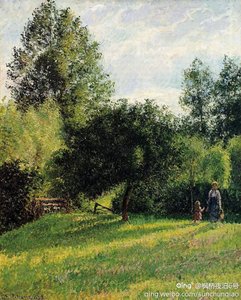
Apple Fallings


Arthur Spooner’s ‘Apple Fallings’ (c. 1890) captures rural life in a stunning realist oil painting. Explore its dappled light, impasto texture & nostalgic theme – a timeless piece!
Discover arthur spooner's art at TopImpressionists! Explore his unique style and themes. Find high-quality prints of arthur spooner's artwork to enhance your collection.
 Přečíst si více
Zakupte si digitální obraz ve vysokém rozlišení a vylepšeném provedení, který nabízí mnohem vyšší kvalitu než online náhled.
Každý soubor je pečlivě připraven našimi specialisty s využitím pokročilých nástrojů a odborné manuální retuše. Zajišťujeme, aby každý obraz disponoval výjimečnou ostrostí, přesnou barevnou věrností a jemnými detaily.
Finální soubor vám bude do 72 hodin zaslán e-mailem, optimalizovaný pro okamžité použití v profesionálním, redakčním i tiskovém prostředí. Nabízíme stejnou kvalitu, které důvěřují špičková designová studia, nakladatelství i galerie.
Digitální obrazy
Stáhněte si soubor ve vysokém rozlišení pro osobní prohlížení, tisk a kreativní projekty. ( Přepnout na tiskové verze Objednat ručně malovanou reprodukci)
Součást každé objednávky digitálního obrazu
Exponenciální digitální doručení, zaručené
Když si vyberete TopImpressionists.com, nezískáváte pouze obrázek – získáváte digitální umělecké dílo s profesionálně vylepšenými detaily, zpracované s precizností a podpořené zárukou za spokojenost. Zde je vše, co vaše objednávka automaticky obsahuje:

Bleskové doručení e-mailem
Váš digitální obraz ve vysokém rozlišení vám bude zaslán e-mailem do 72 hodin od objednávky – připraven k okamžitému použití.

Digitální soubor s podporou AI
Vaše umělecké dílo je profesionálně optimalizováno pomocí pokročilých nástrojů umělé inteligence a manuální úpravy, což zajišťuje maximální úroveň detailu, ostrosti a přesnosti barev.

Doživotní bezplatné znovuodeslání
Soubor jste omylem smazali nebo ztratili? Žádný problém – kdykoliv vám ho znovu zašleme zcela zdarma.

Bez poplatků za dovoz – navždy
Užijte si své umělecké dílo okamžitě bez celních poplatků, daní nebo nákladů na dopravu – digitální stažení je vždy bez daňových povinností.

Záruka přesnosti barev
Díky profesionálním nástrojům a správě barev zajišťujeme, aby váš digitální obraz odrážel původní barvy co nejvěrněji.

100dená záruka spokojenosti
Pokud nebudete s digitálním obrázkem spokojeni, provedeme jeho revizi nebo vám vrátíme 100% platby do 100 dnů – bez jakýchkoliv dotazů.

100% záruka vrácení peněz
Nespokojeni? Získejte plnou náhradu peněz do 100 dnů od obdržení digitálního souboru – bez zbytečných dotazů.

Slevy při hromadných objednávkách
Při koupi 3 obrazů ušetříte 10% – Při koupi 5 obrazů ušetříte 15% – Při koupi 10+ obrazů ušetříte 20%. Ideální pro kreativní projekty, galerie a agentury.
Související díla




Biografie umělce
The Quiet Legacy of Arthur Spooner
In the annals of British art, certain names resonate with thunderous fame, while others linger like a soft mist over a Nottinghamshire meadow, possessing a quiet, enduring grace. Arthur Spooner (1873–1962) belongs to that latter, more intimate category. A painter whose life was deeply rooted in the English landscape, Spooner’s work serves as a window into the atmospheric beauty of a bygone era. Born in Nottingham, his early years were marked by profound personal hardship; raised in an abusive household, he faced significant adversity from a young age. Yet, even amidst such turbulence, a creative spark flickered, fueled by an innate ability to observe and interpret the world around him. This resilience would later manifest in a body of work characterized by a steadfast dedication to capturing the subtle nuances of light, nature, and movement.
Spooner’s artistic journey was shaped by formal discipline and a wandering spirit. He honed his technical prowess at the Nottingham School of Art, an institution that provided him with the foundational tools of his craft. His training instilled in him a respect for realism, yet he was never a mere copyist of nature. Instead, he sought to infuse his subjects with emotion and atmosphere, drawing inspiration from the burgeoning Impressionist movement. This synthesis of precise detail and emotive light allowed him to transcend simple documentation, turning a landscape into a sensory experience. His travels also played a surprising role in his development; tales of his youth performing jigs for workers at the Empire State Building suggest a man who was as much a part of the world's vibrant pulse as he was a silent observer of its landscapes.
Mastery of Light and Form
The true essence of Spooner’s artistry lies in his ability to manipulate texture and tone to evoke specific moods. He was particularly renowned for his equine subjects and landscapes, genres that demanded both anatomical accuracy and a delicate touch. When painting horses, he did not merely depict muscle and mane; he captured the very breath and kinetic energy of the animal, utilizing subtle tonal variations to suggest movement and vitality. His landscapes were equally evocative, often featuring scenes such as the serene Saints Bay in Guernsey or the nostalgic, dappled light of Apple Fallings. In these works, one can observe a masterful use of impasto and soft, blended brushstrokes that create a palpable sense of depth and atmosphere.
His technical repertoire was diverse, allowing him to navigate between different artistic temperaments:
- Impressionistic Light: A profound ability to render the fleeting qualities of sunlight, particularly during the "golden hours" of dawn or dusk.
- Realist Precision: An exacting eye for detail in the rendering of foliage, rocks, and animal musculature, ensuring a grounded sense of reality.
- Atmospheric Depth: The use of misty, soft-focus techniques to create a sense of distance and contemplative stillness, as seen in works like Misty Autumn.
A Lasting Impression on the Nottinghamshire Scene
While Spooner may not have sought the global spotlight, his contributions to the British art scene were significant and deeply felt within his local community. His appointment as an Associate Member of the Royal Academy (RBA) in 1920 served as a formal recognition of his skill and standing among his peers. As a teacher at the Nottingham School of Art, he also played a vital role in nurturing the next generation of British painters, passing on the traditions of landscape and figurative art that he had so masterfully refined.
His historical significance is perhaps best measured by the enduring presence of his work in public collections and the way it continues to stir the emotions of contemporary viewers. Pieces such as The Goose Fair, Nottingham (1926)—now held in the prestigious Nottingham Castle—stand as cultural landmarks, preserving the spirit of local life and civic pride. Through his canvases, Spooner achieved a rare feat: he captured the ephemeral beauty of the natural world and the dignity of everyday life, leaving behind a legacy that remains as luminous and evocative as a sunlit woodland glade.

arthur spooner
1873 - 1962
Rychlé informace
- Artistic Movement Or Style: Impressionism
- Artists Or Movements Influenced By This Artist: ['Edward Burne-Jones']
- Artists Who Influenced This Artist:
- Claude Monet
- William Morris
- Date Of Birth: 1873
- Date Of Death: 1962
- Full Name: Arthur Eugene Spooner
- Nationality: British
- Notable Artworks:
- Goose Fair
- Welbeck Estate
- Place Of Birth: Nottingham, England