

 Náhled v interiéru

 Sdílet
 Sdílet
 Podrobnosti o díle
 Informační list pro studenty


 Stáhnout
 Podobné položky
 Rentgenové snímky
 Slideshow
 Otázky a odpovědi

 Statistiky
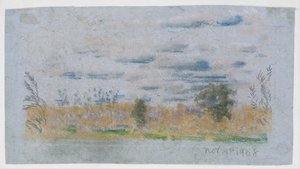
Autumn


Daniel Chard is a realist landscape painter known for Autumn. Discover his dramatic compositions and inventive acrylic brushwork today.
 Zobrazit více
Získejte soubor připravený k tisku, který svou kvalitou výrazně převyšuje webový náhled. Každý prodávaný digitální obraz pochází z vysokorozlišeného originálu v naší databázi – obvykle o šířce 5 000 až 15 000 pixelů – díky čemuž můžete tisknout ve velkém formátu, provádět těsný střih nebo si s jistotou užít i ty nejjemnější detaily.
Žádný soubor neopustí naše studio bez úprav. Digitální expert kontroluje barvy v porovnání s původním malířským dílem a v případě potřeby je upravuje, poté pomocí profesionálních nástrojů pro retuš zvyšuje ostrost a detailnost — přičemž vždy zůstává věrný tahům štětcem a stylu umělce. Výsledkem je obraz, který vypadá jako malba, nikoliv jako naskenovaný snímek s filtrem.
Schvalování před dokončením: náš expert vám do 72 hodin zašle obraz e-mailem k revizi. Nejsste spokojeni? Můžete požádat o úpravy či opravy, nebo si můžete vyžádat vrácení peněz, pokud kvalita neodpovídá vašim očekáváním.
Digitální obrazy
Stáhněte si soubor ve vysokém rozlišení pro osobní prohlížení, tisk nebo kreativní projekty. ( Impresionistický tisk Impresionistické oleje
)
Součást každé objednávky digitálního obrazu
Profesionální digitální doručení, zaručené
Když si vyberete TopImpressionists.com, nezískáváte pouze obrázek – získáváte digitální umělecké dílo s profesionálně vylepšenými detaily, zpracované s precizností a podpořené zárukou za spokojenost. Zde je vše, co vaše objednávka automaticky obsahuje:

Rychlé doručení e-mailem
Váš digitální obraz ve vysokém rozlišení vám bude zaslán e-mailem do 72 hodin od objednávky – připraven k okamžitému použití.

Digitální soubor s využitím AI
Vaše umělecké dílo je profesionálně optimalizováno pomocí pokročilých nástrojů umělé inteligence a manuální úpravy, což zajišťuje maximální úroveň detailu, ostrosti a přesnosti barev.

Doživotní bezplatné znovuodeslání digitálních obrazů
Soubor jste omylem smazali nebo ztratili? Žádný problém – kdykoliv vám ho znovu zašleme zcela zdarma.

Bez poplatků za dovoz – navždy
Užijte si své umělecké dílo okamžitě bez celních poplatků, daní nebo nákladů na dopravu – digitální stažení je vždy bez daňových povinností.

Záruka přesnosti barev
Díky profesionálním nástrojům a správě barev zajišťujeme, aby váš digitální obraz odrážel původní barvy co nejvěrněji.

100dená záruka spokojenosti
Pokud nebudete s digitálním obrázkem spokojeni, provedeme jeho revizi nebo vám vrátíme 100% platby do 100 dnů – bez jakýchkoliv dotazů.

100% záruka vrácení peněz
Nespokojeni? Získejte plnou náhradu peněz do 100 dnů od obdržení digitálního souboru – bez zbytečných dotazů.

Slevy při hromadných objednávkách
Koupě 3 obrazů ušetří 10% – Koupě 5 obrazů ušetří 15% – Koupě 10+ obrazů ušetří 20%. Ideální pro kreativní projekty, galerie a agentury.
Podobná díla
Podobná plátna, která odrážejí světlo, paletu i náladu tohoto obrazu.




Biografie umělce
The Life and Training of Daniel Chard
Born in 1938, Daniel Chard is an American painter whose roots are firmly planted in Woodbury. As a child in this New Jersey town, he spent his days delivering newspapers and mail, navigating the local streets that would later inform his visual memory. These early years in Woodbury provided a foundational connection to the landscape, a sense of place that remained constant even as his artistic focus shifted toward more complex compositions.
The technical foundation of his work took shape during his college years. It was in the classroom and the studio during this period that Daniel Chard developed the realist techniques that would define his professional output. He moved beyond simple observation, refining a method of seeing that relied on precise execution and a deep understanding of form. This period of formal training transformed a childhood connection to the local environment into a disciplined approach to the canvas.
A Career in New York City
The SoHo district becomes the center of Chard's professional life through a thirty-five-year affiliation with the O. K. Harris Gallery. This period marks a significant era of stability and growth within the New York City art scene. During these decades, the gallery hosts nine solo exhibitions of his work, providing a consistent platform for his evolving vision. The gallery's reach extends far beyond the streets of Manhattan, sponsoring numerous solo and group exhibitions across the country.
The impact of this long-term relationship is measured in the sheer volume of work distributed to the public. Over four hundred paintings and prints find their way into various collections. These works move into private, public, and corporate art collections, establishing a broad presence for his imagery. The gallery provides a highly articulated context for these exhibitions, situating his work within the sophisticated forms of contemporary realism.
Landscapes of South Jersey and Pennsylvania
The move to rural South Jersey in the 1970s shifts the focus of the work. By 1979, the subject matter settles into the landscapes of South Jersey and Eastern Pennsylvania. These scenes range from serene farmland to the structures of suburban neighborhoods. The imagery often draws from the specific geography of Gloucester County, where the artist spent much of his life. These locations provide the visual foundation for a body of work that seeks to capture the character of the American landscape through a specific regional lens.
The paintings do not merely document these areas. They function as vehicles for memory, pulling from the experiences of a childhood spent on a southern farm. The landscapes of Gloucester County appear as both literal places and as spaces for personal reflection. This connection to the land is deeply rooted in the artist's history, turning the physical environment into a site for exploring the intersection of memory and sight.
Technique and Artistic Style
The work operates within the lineage of European formalist traditions, yet it maintains an original vision of the American landscape. Dramatic compositions define the spatial structure, creating convincing illusions that pull the viewer into the scene. This precision relies heavily on an inventive acrylic brushwork, a technique developed during his college years that allows for a specific, tactile handling of the medium.
A shift occurs in the approach to subject matter. While earlier works focused on the topography of South Jersey and Eastern Pennsylvania, recent paintings move away from documentary faithfulness. The landscapes become imagined. He experiments with color and pattern to sustain a sense of spatial logic that does not rely on linear perspective or photographic references. The imagery often feels irrational, guided more by intuition and imagination than by the strictures of the physical world.
- Landscape Illusion (1987)
- Fence and Stream (2007)
Academic Career and Teaching
The studio becomes a classroom at Rowan University, where Chard serves as a painting professor. He extends the boundaries of the traditional lecture hall by utilizing a blog to present the work of his students. This digital space provides a platform for emerging artists to display their progress and output to a wider audience.
His academic influence extends beyond the fine arts into the realm of historical study. His teaching portfolio includes diverse subjects such as American History since 1865 and the History of the Pacific Northwest. This breadth of instruction suggests a pedagogical approach that connects visual observation with historical context.

Daniel Chard
1938 - , United States
Základní informace
- Artists Who Influenced This Artist: ['Ivan Karp']
- Full Name: Daniel Chard
- Nationality: United States
- Notable Artworks: ['Autumn']
- Place Of Birth: United States
- Date Of Birth: 1938