

Zobrazeno: · Včetně rámu:
 Náhled v interiéru
 Sdílet
 Sdílet
 Podrobnosti o díle
 Průvodce

 Stáhnout
 Podobné položky
 Rentgenové snímky
 Slideshow
 Otázky a odpovědi
 Statistiky
- 154.0 x 222.0 cm


Kč 7504
Ručně malovaná olejová reprodukce
Rukou malované olejné plátno v libovolném rozměru i s rámem, vyrobené našimi umělci na zakázku. ( Přepnout na tisk Přepnout na digitální obraz)
Velikost
·Standardní velikost
na zakázku
CM
INCH
Vyberte si z našich přednastavených velikostí, které odpovídají původním proporcím díla.
Načítání velikostí...

šířka
výška
Zadejte šířku a výšku, které potřebujete pro váš rám nebo stěnu. Protože se jedná o ruční malbu, při výběru jiného formátu může umělec kolem obrazu domalovat o něco více, nebo jej mírně oříznout — rozhodnete si vy. Před zahájením malby vám zašleme digitální náhled ke schválení. Obraz zobrazený na této stránce neodpovídá skutečnému výsledku — pouze digitální náhled jej zobrazuje.
 Více informací
Dokončit
·
Bílé okraje Kč1

Rozostřené okraje Kč1

Prodloužené okraje Kč1

P118B Kč10

P118H Kč10

P118W Kč10

P438Z Kč10

P508JH Kč12

P508YH Kč12

P805H Kč10

P805Z Kč10

P919BZ Kč10

P919G Kč10

P919XJ Kč10

P959ZH Kč10

P968JZ Kč12

W106C Kč8

W218G Kč10

W218JH Kč8

W218Y Kč10

W307PJ Kč10

W316G Kč10

W316PJ Kč8

W316Y Kč10

W398PJ Kč8

W4111J Kč10

W500HY Kč15

W500JH Kč15

W692G Kč12

W849H Kč8

W940BG Kč15

W953PJ Kč8

H24-GOLD Kč30

H24-SILVER Kč30

H36-GOLD Kč45

H36-SILVER Kč45
Dodáváno v ochranné tubě, připraveno k vlastním rámování.
Doplňkové služby
volitelnéCo všechno doplňky zahrnují?
Příklady možných změn: Nahrazení obličeje fotografií zákazníka; Přidání mazlíčka (např. výměna kočky za psa); Skrytá zpráva v pozadí; Změna krajiny nebo prvků v pozadí.
Po přijetí objednávky vám tým TopImpressionists.com pošle e-mail s instrukcemi a poskytne náhled návrhu
Po přijetí objednávky vám tým TopImpressionists.com pošle e-mail s instrukcemi a poskytne náhled návrhu
Celosvětová doprava () za 3–4 týdny namísto standardních 5 týdnů. (5 listopad). Bez kompromisů v kvalitě.
Ochranný lak
Popisek díla
Detaily ryté bronzové plakety
This elegant plaque features the artist's name and the title of the artwork, finely engraved for a timeless presentation.
It is made from bronze with a refined, elegant finish. The text is precisely laser-engraved for a sharp and permanent result. Measuring 9x2 cm, the plaque is compact yet easy to read. It's built to be durable and scratch-resistant, offering a professional, museum-quality look. Mounting is simple thanks to the included adhesive backing.
Detaily průhledné akrylové desky
The plaque includes essential engraved details such as the artist's name, the title of the artwork, the date it was created, the type of media used-like oil on canvas or watercolor-a brief description of the piece, and a QR code that links to the complete artwork information.
It is crafted from clear acrylic, offering a sleek, modern appearance. The text is UV-engraved in black to ensure strong visual contrast. With a size of 10x15 cm, it ensures optimal readability. It comes equipped with two metal hooks for secure wall mounting. The plaque is designed to be weather-resistant, making it suitable for various environments, and it includes interactive features that work seamlessly with smartphone scanning.
Detaily černé akrylové destičky
This elegant plaque includes engraved information such as the artist's name, the title of the artwork, the date it was created, the type of media used (like oil on canvas or watercolor), a short description of the artwork, and a QR code for quick access to more information.
The plaque itself is made from refined black acrylic with a premium finish. The text is laser-engraved in white for high contrast and readability. Its size is 10x15 cm, designed to be easy to read. It comes with two metal hooks for professional mounting. The design is sleek and fits any interior style. It is also weather-resistant and durable, with built-in digital integration for mobile compatibility.
Skleněná varianta je dostupná pouze u rozměrů menších než 110 cm
 Skleněná varianta je dostupná pouze u rozměrů menších než 110 cm
- Zdarma celosvětová expresní doprava
- Vysoce kvalitní lněné plátno
- Kompletní pojištění přepravy
- Záruka vrácení celního poplatku
- Záruka věrného barevného souladu
- 100dení lhůta pro vrácení zboží (pouze při vadách výroby)
- 100% záruka vrácení peněz
- Sleva při více objednávkách


Popis sbírného předmětu
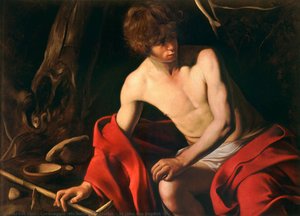
Experience the raw emotion of Caravaggio's 'Christ in the Garden.' This iconic 1603 oil on canvas captures Jesus’s sacrifice with dramatic lighting and intense realism, a masterpiece from the Bode Museum.
Biografie umělce
Karavaggio (1571-1610): Barokní mistr realismu a tenebrismu. Dramatické náboženské scény, intenzivní chiaroscuro a revoluční styl ovlivnil Rubense a Rembrandta.
O malbě
A Moment Frozen in Shadow: Unpacking Caravaggio’s ‘Christ in the Garden’
Caravaggio's “Christ in the Garden,” painted in 1603, isn’t merely a depiction of a biblical scene; it’s an immersive experience. This oil on canvas, now housed within the Bode Museum in Berlin (originally part of the Kaiser-Friedrich-Museum), pulsates with a raw intensity rarely matched in art history. The painting immediately commands attention not through vibrant color – instead, it utilizes a masterful monochrome palette of grays and blacks to create an atmosphere of profound sorrow and contemplation. The stark contrast between light and shadow, or *chiaroscuro*, is the very heart of Caravaggio’s technique, pushing beyond simple realism into a realm where emotion is sculpted by light itself. It's a scene steeped in religious significance – Christ, having been condemned to death, lies on a cross within a shadowed garden, attended by figures who represent grief, acceptance, and perhaps even a touch of bewildered understanding.
The composition is deliberately arresting. Caravaggio eschews traditional Renaissance perspective, opting for a tightly framed view that draws the viewer directly into the scene. Jesus dominates the center, his body limp yet radiating an undeniable dignity despite his suffering. The three figures surrounding him – a young man, a woman, and a soldier – are not presented as active participants but rather as witnesses to this pivotal moment. Their postures suggest a complex interplay of emotions: sorrow, disbelief, and perhaps even a nascent recognition of the divine sacrifice. Notably, two books lie near Christ’s feet; one open, the other closed, hinting at themes of scripture and judgment – elements central to the narrative.
The Baroque Masterstroke: Technique and Innovation
Caravaggio's genius lay in his revolutionary approach to painting. He rejected the idealized forms favored by many of his contemporaries, instead choosing to depict ordinary people with unflinching honesty. His figures are rendered with a remarkable attention to detail, capturing every wrinkle, scar, and expression of emotion. The brushstrokes themselves are visible, contributing to the sense of immediacy and realism. This commitment to direct observation was radical for its time, and it’s one of the reasons why “Christ in the Garden” feels so profoundly human. He employed a technique known as *tenebroso*, utilizing darkened varnish over the paint to further enhance the dramatic effect of light and shadow – a characteristic that contributes significantly to the painting's haunting beauty.
Furthermore, Caravaggio’s use of *chiaroscuro* isn’t simply about creating visual drama; it’s fundamentally linked to his exploration of faith and doubt. The intense light illuminating Christ’s body contrasts sharply with the enveloping darkness, symbolizing both his divine nature and the encroaching shadow of death. This interplay of light and dark becomes a metaphor for the spiritual struggle at the heart of the Christian narrative.
Symbolism and Emotional Resonance
Beyond its immediate visual impact, “Christ in the Garden” is rich with symbolic meaning. The cross itself represents sacrifice and redemption, while the books symbolize faith and judgment. The figures surrounding Christ are often interpreted as representing the Virgin Mary, John the Evangelist, and a Roman soldier – individuals grappling with the implications of Christ’s death. However, Caravaggio deliberately avoids providing clear-cut answers, allowing viewers to project their own interpretations onto the scene. The overall effect is one of profound emotional resonance; the painting evokes feelings of sorrow, empathy, and contemplation, inviting us to consider the weight of sacrifice and the nature of faith.
Caravaggio’s influence on subsequent generations of artists is undeniable. His dramatic use of light and shadow, his realistic portrayal of human emotions, and his willingness to challenge artistic conventions paved the way for the Baroque movement and beyond. Reproductions of “Christ in the Garden” continue to captivate audiences today, offering a powerful reminder of Caravaggio’s enduring legacy as one of art history's most innovative and emotionally charged masters.
Otázky a odpovědi
Je pro dílo „Christ in the Garden“ k dispozici stažení?
Pro dílo „Christ in the Garden“ je k dispozici stažení: na stránce Stažení digitální verze si můžete pořídit stažení digitálního obrazu ve vysokém rozlišení.
Kdo prodává ručně malované kopie díla „Christ in the Garden“ od Karavaggio?
„Christ in the Garden“ je dostupná jako ručně malovaná olejová reprodukce na lněném plátně. Objednávku můžete zadat na její stránce Ručně malovaná reprodukce, kde si můžete vybrat z různých rozměrů.
Obsahuje "Christ in the Garden" výrazné světlonápadové kontrasty?
Úroveň kontrastu díla „Christ in the Garden“ od Karavaggio je Gentle.
Rychlá fakta a umělecký kvíz
O umělci Karavaggio

Karavaggio
1571 - 1610, Španělsko
Biografie umělce
Život v stínu a světle
Michelangelo Merisi da Caravaggio, jméno neodmyslitelně spojené s dramatickou intenzitou barokní malby, se narodil v Miláně roku 1571, v období plném uměleckého rozkvětu i společenských otřesů. Jeho raný život poznamenala ztráta – mor zpustošil jeho rodné město a vzal životy otce a děda, když mu bylo pouhých šest let. Vychován v relativní chudobě si mladý Michelangelo od mládí osvojil citlivé povědomí o lidském utrpení a odolnosti – témata, která se později stala dominantou jeho pláten. Umělecký výcvik zahájil v Miláně u Simone Peterzana, bývalého žáka Titiana, vstřebával základy renesanční techniky, ale již naznačoval vzpurného ducha, který brzy rozbije konvence. Toto učení mu poskytlo pevný základ, avšak v Římě, kam dorazil kolem roku 1592, skutečně nalezl svůj hlas, byť ne bez počátečních bojů a strádání. Město, živé centrum uměleckého patronátu a náboženské horlivosti, se ukázalo být lákavé i nemilosrdné pro ambiciózního mladého malíře.Revoluční vize: Technika a styl
Caraggiův příchod do Říma znamenal seismický posun v krajině italského umění. Odmítl převládající manýrismus – charakterizovaný jeho umělou elegancí a protáhlými formami – ve prospěch nekompromisního realismu, který šokoval i uchvátil publikum. Jeho nejvýznamnější inovací bylo mistrovské využití chiaroscuro, dramatického kontrastu mezi světlem a tmou, které pozvedl na novou úroveň expresivní síly. Tato technika, často označovaná jako tenebrismus, nebyla pouhou estetickou volbou; byla prostředkem k zesílení emocionálního dopadu, vtahování diváků do srdce scény a obdařování jeho postav hmatatelným smyslem přítomnosti. Vyhýbal se idealizovaným zobrazením, místo toho osídloval svá plátna obyčejnými lidmi – často čerpanými z římských ulic – jako modely pro náboženské postavy. Tento radikální přístup zpochybnil tradiční představy o kráse a posvátnosti, činil posvátné srozumitelným a hluboce lidským. Jeho kompozice byly často strohé a přímé, zaměřovaly se na klíčové okamžiky intenzivního dramatu, ať už šlo o brutální realismus „Zatčení Krista“ nebo tiché rozjímání v „Svatém Františkovi z Assisi v extázi“.Klíčová díla a trvalý vliv
Během své relativně krátké kariéry vytvořil Caravaggio soubor děl, která dodnes rezonují s publikem. Rané práce jako „Věštkyně“ (1594) demonstrují jeho rostoucí talent pro zachycení realistických detailů a psychologické nuance. „Večeře v Emauzích“ (1601-1602), uložená v Národní galerii v Londýně, je příkladem jeho mistrovství chiaroscuro a schopnosti zprostředkovat hlubokou emocionální hloubku v biblickém vyprávění. „David s hlavou Goliáše“ (kolem 1610) je zvláště mrazivý, často interpretován jako autoportrét odrážející Caraggiův vlastní problematický stav mysli. Jeho vliv se rozšířil daleko za hranice Itálie a inspiroval generaci umělců známých jako Caravaggisti, nebo „stínovci“, kteří přijali jeho styl po celé Evropě. Mezi významné následovníky patřili Peter Paul Rubens, Jusepe de Ribera a Gerrit van Honthorst, z nichž každý přizpůsobil Caraggiovy techniky svým jedinečným uměleckým vizím.Bouřlivá existence a trvalé dědictví
Caraggiův život byl stejně dramatický a turbulentní jako jeho umění. Nestálá povaha a sklon k potyčkám ho vedly k častým problémům se zákonem, vyvrcholily obviněním z vraždy v roce 1606, které ho donutilo uprchnout z Říma. Následující čtyři roky putoval po Neapoli, Maltě a Sicílii, pokračoval v malování a zoufale hledal papežské odpuštění. Navzdory jeho úsilím zůstal psanec zákona, pronásledován minulostí a sužován osobními konflikty. Zemřel v Porto Ercole v Itálii roku 1610 za záhadných okolností – příčina jeho smrti zůstává předmětem debat, s teoriemi sahajícími od horečky po otravu. Přestože byl jeho život předčasně ukončen, Caraggiovo umělecké dědictví přetrvává jako svědectví o jeho revoluční vizi a neochvějné oddanosti realismu. Zpochybnil konvence své doby, připravil cestu k modernějšímu přístupu k malbě a zanechal nesmazatelnou stopu v průběhu západní historie umění. Jeho dílo i nadále inspiruje úžas a podněcuje rozjímání, připomíná nám sílu umění osvětlit nejtemnější zákoutí lidské zkušenosti.Rychlé informace o umělci Karavaggio
- Artistic Movement Or Style: Baroko, Tenebrismus
- Artists Or Movements Influenced By This Artist:
- Rubens
- Ribera
- Artists Who Influenced This Artist:
- Tizian
- Leonardo da Vinci
- Date Of Birth: 29. září 1571
- Date Of Death: 18. července 1610
- Full Name: Michelangelo Merisi da Caravaggio
- Nationality: Italská
- Notable Artworks:
- Věštkyně
- Poslední večeře
- David a Goliath
- Place Of Birth (City And Country): Milán, Španělsko
Prozkoumejte umělecká díla uspořádaná podle témat, stylů a charakteristik.




Karavaggio
Christ in the Garden
() ·
Včetně rámu: · Ručně malováno olejem na plátně
Celkem