


 Zobrazit v interiéru
 Odeslat
 Sdílet
 Podrobnosti
 Průvodce

 Stáhnout obrázek
 Podobné kousky
 Rentgenové snímky
 Slideshow
 Statistiky
Kanál Velký 3


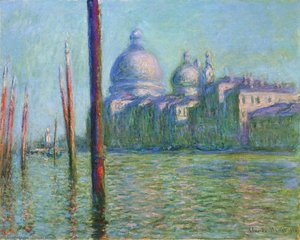
Kanál Velký 3 od Claude Moneta - Výrazný obraz venkovní krajiny z Římanského kanálu vytvořený mistrem impresionismu. Kvalitní reprodukce olejů na plátně.
 Přečíst si více
Objevte svět Claude Moneta, mistra impresionismu, proslaveného zachycováním prchavého světla a barvy prostřednictvím ikonických krajin, jako jsou Vodní líliany a Seny.
Ručně malovaná olejová reprodukce
Ručně malované olejné plátno v libovolném rozměru i s rámem, vyrobené našimi umělci na zakázku. ( Přepnout na tiskové verze Přepnout na digitální verzi obrazu)




P118B Kč10

P118H Kč10

P118W Kč10

P438Z Kč10

P508JH Kč12

P508YH Kč12

P805H Kč10

P805Z Kč10

P919BZ Kč10

P919G Kč10

P919XJ Kč10

P959ZH Kč10

P968JZ Kč12

W106C Kč8

W218G Kč10

W218JH Kč8

W218Y Kč10

W307PJ Kč10

W316G Kč10

W316PJ Kč8

W316Y Kč10

W398PJ Kč8

W4111J Kč10

W500HY Kč15

W500JH Kč15

W692G Kč12

W849H Kč8

W940BG Kč15

W953PJ Kč8




Standardní velikost
na zakázku
CM
INCH
Vyberte si z našich přednastavených velikostí, které odpovídají původním proporcím díla.
Loading sizes...

šířka
výška
Zadejte šířku a výšku, které potřebujete pro váš rám nebo stěnu. Protože se jedná o ruční malbu, při výběru jiného formátu může umělec kolem obrazu domalovat o něco více, nebo jej mírně oříznout — rozhodnete si vy. Před zahájením malby vám zašleme digitální náhled ke schválení. Obraz zobrazený na této stránce neodpovídá skutečnému výsledku — pouze digitální náhled jej zobrazuje.
Příklady možných změn: nahrazení obličeje vlastní fotografií; přidání domácího mazlíčka (např. nahrazení kočky psem); vložení skrytého vzkazu do pozadí; změna krajiny nebo prvků v pozadí.
Po přijetí objednávky vám tým TopImpressionists.com zašle e-mail s pokyny a poskytne náhledovou verzi.
Po přijetí objednávky vám tým TopImpressionists.com zašle e-mail s pokyny a poskytne náhledovou verzi.
Celosvětová doprava () za 3–4 týdny namísto standardních 5 týdnů. (24 říjen). Bez kompromisů v kvalitě.

Zdarma celosvětová expresní doprava

Vysoce kvalitní lněné plátno

Úplné pojištění přepravy

Záruka vrácení celního poplatku

Záruka věrného barevného shodu

100dení lhůta pro vrácení zboží (pouze při vadách výroby)

100% garance vrácení peněz

Sleva při více objednávkách
 Skleněná varianta je dostupná pouze u rozměrů menších než 110 cm

Kanál Velký 3
Technika provedení
Velikost reprodukce
-


Celková cena
Kč 5746
Claude Monet: The Impressionist Pioneer
Claude Monet (1840-1926) stands as an undisputed titan of Impressionism, a movement that irrevocably transformed the landscape of European art and fundamentally altered how artists perceived and represented the world around them. Born Oscar Claude Monet in Paris, France, his artistic journey began amidst the burgeoning intellectual ferment of the Belle Époque—a period characterized by optimism, technological advancement, and a fervent embrace of new ideas. Influenced profoundly by Eugène Boudin’s advocacy for plein air painting – capturing scenes directly from nature – Monet swiftly abandoned academic conventions favoring instead a revolutionary approach that prioritized fleeting impressions of light and color. This decision wasn't merely stylistic; it represented a profound philosophical shift toward experiencing the world as it truly appeared, rather than imposing preconceived notions upon it.- Early Influences: Boudin’s encouragement to paint outdoors instilled in Monet a lifelong dedication to observing and documenting natural phenomena with unprecedented accuracy.
- Academic Training: Despite his father's reservations about pursuing art professionally, Monet briefly studied at the Acadéemie Suisse and under Charles Gleyre, encountering fellow artists like Auguste Renoir who would become collaborators and friends.
The Grand Canal Series: Venice Revisited
Monet’s second visit to Venice in 1908 cemented his reputation as an artist capable of capturing the sublime beauty of urban landscapes. Driven by a desire to explore how light interacted with architectural forms, he embarked on a prolific series of paintings depicting the iconic Grand Canal—a waterway teeming with gondolas and reflecting the hazy glow of Venetian skies. Unlike traditional painters who sought to render precise details and perspective, Monet prioritized conveying atmosphere and emotion through subtle gradations of color and brushstrokes. His technique involved layering thin glazes of paint onto canvas, allowing light to penetrate through successive layers and creating shimmering effects that captured the ephemeral quality of Venetian daylight.- Technique: Monet’s masterful use of glazing—applying translucent layers of pigment—was instrumental in achieving his signature luminous style.
- Composition: He skillfully arranged gondolas and boats within the frame, emphasizing the interplay between light and shadow to heighten the dramatic impact of each scene.
Symbolism Beyond Representation
Monet’s artistic vision extended far beyond mere visual depiction; he sought to imbue his paintings with symbolic resonance—reflecting the philosophical currents of his time and conveying deeper truths about human experience. The Grand Canal series, for instance, served as a meditation on beauty, tranquility, and the passage of time—themes that resonated deeply with Impressionist artists who rejected sentimentalism in favor of capturing authentic emotion. Monet’s fascination with light—considered by him to be the primary agent of perception—mirrored the broader intellectual preoccupation with scientific inquiry and the challenge to traditional epistemological assumptions. His canvases became embodiments of a worldview rooted in observation, intuition, and an unwavering belief in the transformative power of art.- Light as Inspiration: Monet viewed light not merely as illumination but as an active force shaping our sensory experience—a concept central to Impressionist thought.
- Emotional Resonance: His paintings evoked feelings of serenity, wonder, and contemplation—reflecting the artists’ desire to communicate profound truths about human existence.
Legacy and Influence
Claude Monet's legacy transcends his artistic achievements; he established Impressionism as a dominant aesthetic force that continues to inspire artists worldwide. His pioneering approach to plein air painting revolutionized artistic practice, paving the way for subsequent movements such as Fauvism and Expressionism—all of which embraced bold color palettes and emotive brushstrokes in defiance of academic conventions. Monet’s unwavering commitment to capturing the fleeting beauty of nature cemented his place among the most influential artists of the 19th century—a testament to the enduring power of artistic vision and its capacity to reshape our understanding of the world. Photo Description: The painting is a beautiful representation of the Grand Canal in Venice, Italy. The scene features several boats floating on the water, with some closer to the foreground and others further away. There are also two gondolas visible in the image, one near the center and another towards the right side. In addition to the boats, there is a person standing close to the left edge of the painting, possibly enjoying the view or attending to their boat. The overall atmosphere of the painting is serene and picturesque, capturing the essence of Venice’s iconic waterway. Size: Unknown Date: Unknown ARTIST INFORMATION: ================== Artist: Claude Monet Birth Year: 1840 Death Year: 1926 Birth City: Paris Birth Country: France Biography:A Life Immersed in Light: The World of Claude Monet
Oscar-Claude Monet, a name synonymous with Impressionism, wasn't merely a painter of landscapes; he was a chronicler of fleeting moments, a poet of light and color. Born in Paris on November 14, 1840, his early life took an unexpected turn when his family relocated to Le Havre, Normandy, at the age of five. Although his mother, Louise-Justine Aubrée Monet, supported his ambitions to be a painter, his father, Claude-Adolphe, disapproved and wanted him to go into the family's ship-chandling and grocery business. He was very close to his mother, but she died in January 1857 when he was sixteen years old, and he was sent to live with his childless, widowed but wealthy aunt, Marie-Jeanne Lecadre. He went on to study at the Acadéemie Suisse, and under the academic history painter Charles Gleyre, where he was a classmate of Auguste Renoir. His early works include landscapes, seascapes, and portraits, but attracted little attention. A key early influence was Eugène Boudin, who introduced him to the concept of plein air painting. From 1859 Monet began to paint in Paris, experimenting with different styles and techniques.
Monet’s artistic breakthrough came during his second visit to Venice in 1908. Inspired by the Venetian light—particularly its diffused glow—he embarked on a prolific series of paintings depicting the Grand Canal. Unlike traditional painters who sought to render precise details and perspective, Monet prioritized conveying atmosphere and emotion through subtle gradations of color and brushstrokes. His technique involved layering thin glazes of paint onto canvas, allowing light to penetrate through successive layers and creating shimmering effects that captured the ephemeral quality of Venetian daylight.
Monet’s unwavering dedication to capturing the beauty of nature—a pursuit he continued until his death in December 1926—established him as one of the most influential artists of the late nineteenth century. His pioneering approach to plein air painting fundamentally altered artistic practice, inspiring subsequent movements such as Fauvism and Expressionism.
Monet’s legacy extends beyond his visual creations; he championed a revolutionary worldview centered on observation, intuition, and an unwavering belief in art's capacity to illuminate the human experience. His canvases remain treasured symbols of Impressionist idealism—a testament to artistic vision and its transformative power.
Otázky a odpovědi
Je „Kanál Velký 3“ od Claude Monet portrét, krajina nebo čtvercová kompozice?
Dílo „Kanál Velký 3“ od Claude Monet má formát Horizontální orientace. Formát určuje poměry kompozice.
K kterému uměleckému směru patří „Kanál Velký 3“ od Claude Monet?
„Kanál Velký 3“ je dílo z období Impressionist Painting. Tento směr určuje uměleckou tradici, jejíž je dílo součástí.
Jakým způsobem se motiv díla „Kanál Velký 3“ vztahuje k obvyklým tématům umělce Claude Monet?
Mezi opakující se témata umělce Claude Monet patří nature observation, light studies, symbolic venice, impressionist vision, monet legacy; dílo „Kanál Velký 3“ se zaměřuje na venice canal, light reflection, urban landscape, monet style, atmospheric impression, gondolas, summer sunlight.
Související díla




Biografie umělce
Život ponořený do světla: Svět Clauda Moneta
Oscar-Claude Monet, jméno neodmyslitelně spojené s impresionismem, nebyl pouhým malířem krajin; byl kronikářem prchavých okamžiků, básníkem světla a barvy. Narodil se v Paříži 14. listopadu 1840 a jeho raný život nabral nečekovaný směr, když se jeho rodina v pěti letech přestěhovala do Le Havre v Normandii. Zatímco ho otec původně předurčil k obchodní kariéře, mladého Clauda brzy objevila vrozená umělecká nadání, která se projevovala nejprve uhlovými karikaturami prodávanými místním veřejnosti – svědectví jeho dovedností a podnikatelského ducha. Zásadní však bylo setkání s Eugènem Boudinem. Boudin Moneta nenaučil jen jak malovat; vštípil mu revoluční myšlenku malování en plein air – přímo z přírody – praxi, která definovala jeho celou uměleckou cestu.
Monetovo formální vzdělávání začalo v Paříži, krátce na Académie Suisse a později u Charlese Gleyra. Zde navázal trvalá přátelství se spolužáky jako Auguste Renoir, pouto založené na sdílených uměleckých frustracích a touze osvobodit se z okovů tradičního akademického malířství. Jeho rané práce sice prokazovaly technickou zdatnost, ale postrádaly osobitý hlas, který by brzy charakterizoval jeho styl. Následovalo období otřesů – Prusko-francouzská válka Moneta donutila vyhledat útočiště v Londýně, kde se ponořil do díla anglických krajinářských mistrů jako J.M.W. Turner, absorboval jejich atmosférické efekty a inovativní použití barev.
Zrození estetické revoluce
Po návratu do Francie se Monet stal ústřední postavou rozvíjající se umělecké rebelie. Nespokojen s konzervativními standardy Salonu spojil síly s dalšími podobně smýšlejícími umělci a organizoval nezávislé výstavy. Výstava v roce 1874 byla zlomovým okamžikem, nejen pro Moneta, ale i pro celý svět umění. Zde byl vystaven jeho obraz “Impression, soleil levant” (Imprese, východ slunce) – mlhavé znázornění přístavu Le Havre za úsvitu – a z něhož vznikl posměšný termín „impresionismus“. Jméno však ulpělo a vyvinulo se v odznak cti pro hnutí, které usilovalo o zachycení subjektivní imprese scény namísto její přesné reprezentace.
Monetův charakteristický styl rozkvetl v tomto období: volné, viditelné tahy štětcem, živé a často nemíchané barvy aplikované vedle sebe (technika známá jako “rozbitá barva”) a neochvějná snaha o zachycení pomíjivých kvalit světla. Neustále se věnoval své praxi plein air, pracoval rychle, aby zaznamenal své bezprostřední vjemy dříve, než se měnící podmínky změní scénu. Tato oddanost nesloužila jen k zobrazení toho, co viděl, ale spíše toho, jak na to reagoval – radikální odklon od uměleckých konvencí.
Giverny: Ráj světla a odrazů
V roce 1883 se Monet usadil v Giverny, severozápadně od Paříže, a založil si domov a zahradu, které se staly jeho útočištěm i největším zdrojem inspirace. Pečlivě proměnil pozemek na rozsáhlý ráj plný exotických květin, plačících vrb a především rybníka s lekníny překlenutého japonským mostem. Tato zahrada nebyla pouhou dekorací; byla to živá laboratoř, kde mohl Monet studovat účinky světla na vodu, listoví a odrazy za kontrolovaných podmínek.
Poslední desetiletí jeho života se téměř výhradně věnovala malování rybníka s lekníny v Giverny. Pustil se do monumentální série Lektýnů (Nymphéas), vytvářel rozsáhlá plátna, která zobrazovala povrch rybníka jako neustále se měnící tapisérii barev a světla. Nebyla to jen malba květin; byly to pohlcující zážitky navržené tak, aby obklopily diváka světem klidné krásy a kontemplativního ticha. Rozsah těchto děl je dechberoucí, posouvá hranice tradičního malířství a předznamenává abstraktní expresionismus.
Dědictví: Trvalý dopad na dějiny umění
Monetův dopad na dějiny umění je neměřitelný. Nebyl jen zakladatelem impresionismu; zásadně změnil způsob, jakým umělci vnímali a reprezentovali svět kolem sebe. Jeho důraz na subjektivní zkušenost, přijetí malby en plein air a inovativní techniky připravily cestu modernímu zkoumání abstrakce a nereprezentačních forem.
Monet dosáhl během svého života značného komerčního úspěchu – vzácnost pro avantgardní umělce jeho éry. Jeho dílo i nadále inspiruje úžas a okouzluje publikum po celém světě, upevňuje jeho postavení jako jedné z nejdůležitějších postav západního umění. Zemřel 5. prosince 1926 a zanechal odkaz, který rezonuje napříč generacemi umělců a milovníků umění. Významné sbírky jeho mistrovských děl jsou uloženy v prestižních institucích, jako je Musée d'Orsay a Musée Marmottan Monet v Paříži, což zajišťuje, že jeho vize bude i nadále osvětlovat svět.
Klíčové umělecké techniky
- Malba en plein air: Centrální pro jeho vývoj, umožňující přímé pozorování světla a atmosféry.
- Rozbitá barva: Aplikace malých tahů čisté barvy vedle sebe pro optické míchání.
- Sériová malba: Zobrazení stejného motivu za různých světelných podmínek – demonstrující transformační sílu času a světla.

Claude Monet
1840 - 1926 , Francie
Rychlé informace
- Artistic Movement Or Style: Impresionismus
- Artists Or Movements Influenced By This Artist: ['Moderní umění']
- Artists Who Influenced This Artist:
- Eugène Boudin
- J.M.W. Turner
- Date Of Birth: 14. listopadu 1840
- Date Of Death: 5. prosince 1926
- Full Name: Oscar-Claude Monet
- Nationality: Francouzská
- Notable Artworks:
- Impression, východ slunce
- Lekníny
- Seno v mlze
- Place Of Birth: Paříž, Francie
Související články

Top 25 uměleckých děl Musée d'Orsay: Impresionismus a mistři moderny | TopImpressionists.com
Prozkoumejte 25 ikonických uměleckých děl Musée d'Orsay! Objevte příběhy Monetových leknínů, Van Goghovy slunečnic a dalších mistrů impresionismu. Reprodukce obrazů nejvyšší kvality na TopImpressionists.com – inspirace pro váš interiér.

Capturing Light: The Revolution of Impressionism and the Enduring Legacy of Claude Monet
Explore the revolutionary history of Impressionism and the luminous legacy of Claude Monet. Discover how his mastery of light and color redefined modern art through an expert-led journey into the heart of 19th-century France.

Top 10 impresionistických krajin: Mistrovská díla, která změnila umění | TopImpressionists
Prozkoumejte 10 ikonických impresionistických krajin od Monet, Renoir a dalších. Objevte příběhy umělců, techniky a barevnost tohoto revolučního hnutí. Najděte perfektní obraz pro váš interiér na TopImpressionists.com

Claude Monet: 25 mistrovských děl impresionismu pro váš domov | TopImpressionists.com
Prozkoumejte 25 ikonických děl Claude Moneta – mistra impresionismu. Obdivujte vodní lilie, krajiny a secesní obrazy plné světla a barev. Najděte inspiraci pro váš interiér s reprodukcemi nejvyšší kvality na TopImpressionists.com

Top 10 impresionistických krajin: Mistrovská díla, která změnila umění | TopImpressionists.cz
Prozkoumejte 10 ikonických impresionistických krajin od Monet, Renoir a dalších. Objevte příběhy umělců, techniky a barvy, které definovaly toto revoluční hnutí. Najděte dokonalý obraz pro váš interiér na TopImpressionists.cz
Prozkoumejte umělecká díla uspořádaná podle témat, stylů a charakteristik.


