
 Náhled v interiéru
 Sdílet
 Sdílet
 Podrobnosti o díle
 Průvodce

 Stáhnout
 Podobné položky
 Rentgenové snímky
 Slideshow
 Otázky a odpovědi
 Statistiky
"Lod", "Řeka"

- 146.0 x 133.0 cm


Lod Řeka Claude Moneta - ikonická obrazová díla impresionismu. Objevte krásu přírody přes oko velikána světového umění! Kvalitní reprodukce na plátně.
 Zobrazit více
Mistr impresionismu Claude Monet je proslulý sérií Vodní líliany. Objevte krásu jeho krajin plných světla ještě dnes.
Giclée / Umělecký tisk
Giclée nebo plátěný tisk muzeální kvality s rychlou výrobou a širokou nabídkou povrchových úprav. ( Koupit ručně malovaný obraz Přepnout na digitální obraz)




P118B Kč10

P118H Kč10

P118W Kč10

P438Z Kč10

P508JH Kč12

P508YH Kč12

P805H Kč10

P805Z Kč10

P919BZ Kč10

P919G Kč10

P919XJ Kč10

P959ZH Kč10

P968JZ Kč12

W106C Kč8

W218G Kč10

W218JH Kč8

W218Y Kč10

W307PJ Kč10

W316G Kč10

W316PJ Kč8

W316Y Kč10

W398PJ Kč8

W4111J Kč10

W500HY Kč15

W500JH Kč15

W692G Kč12

W849H Kč8

W940BG Kč15

W953PJ Kč8




Standardní velikost
na zakázku
CM
INCH
Vyberte si z našich přednastavených velikostí, které odpovídají původním proporcím díla.
Loading sizes...

šířka
výška
Zadejte šířku a výšku, které potřebujete pro váš rám nebo stěnu. Tisk lze pouze oříznout, nikdy však nelze zvětšit obraz nad jeho původní rozměr, proto při výběru jiného formátu dochází ke ztrátě části obrazu. Před samotným tiskem vám zašleme digitální náhled k schválení. Obraz zobrazený na této stránce nenabízí skutečný výřez — ten uvidíte pouze v náhledu.
Celosvětové doručení () do 2 týdnů namísto standardních 4/5 týdnů. (10 listopad)

Zdarma celosvětová expresní doprava

Vysoce kvalitní lněné plátno

Kompletní pojištění přepravy

Záruka vrácení celního poplatku

Záruka věrného barevného souladu

100dení lhůta pro vrácení zboží (pouze při vadách výroby)

100% záruka vrácení peněz

Sleva při více objednávkách
 Skleněná varianta je dostupná pouze u rozměrů menších než 110 cm

"Lod", "Řeka"
Giclée / Umělecký tisk
Rozměry reprodukce
-


Celková cena za vybrané možnosti reprodukcí
Kč 1524
Claude Monet: A Symphony of Light and Impression
Claude Monet (1840–1926) stands as an undisputed titan of Impressionism, a movement he spearheaded with unwavering conviction—a movement that fundamentally reshaped the landscape of Western art. More than merely depicting scenes from nature; Monet sought to capture its essence, its fleeting beauty, and the subjective experience of perceiving it. His legacy extends far beyond his canvases, influencing generations of artists and cementing his place as one of history’s most influential figures.
Monet's artistic journey began in Le Havre, Normandy, where he absorbed the influence of Eugène Boudin, who instilled within him the revolutionary concept of painting en plein air—directly from nature. This practice wasn’t simply a stylistic choice; it represented a profound philosophical shift away from academic conventions toward an embrace of sensory observation and spontaneous expression.
The Row Boat: A Study in Atmosphere
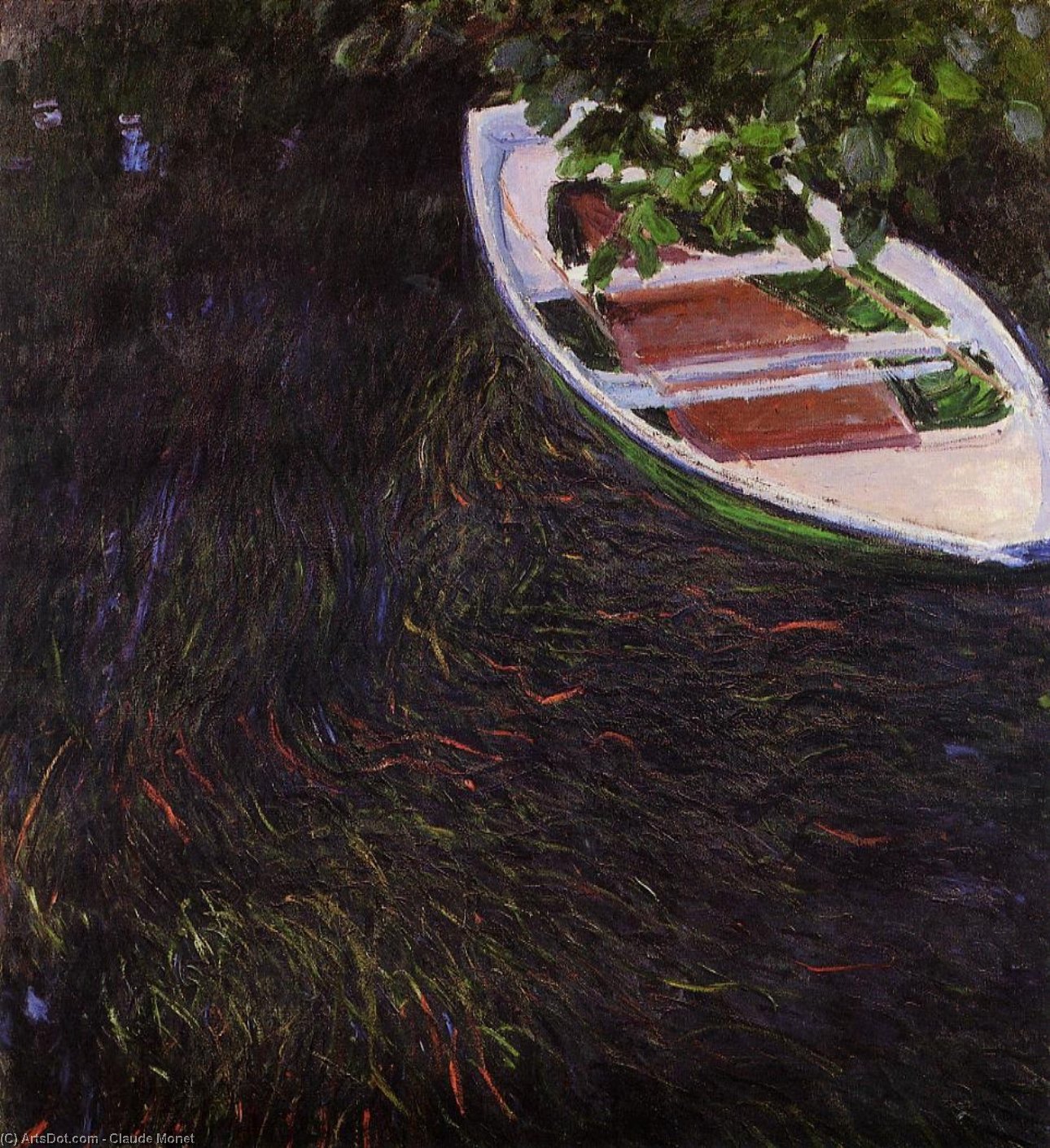
"The Row Boat," painted in 1887, exemplifies Monet's unwavering dedication to this principle. It’s not merely a representation of a vessel on water; it’s a meticulously crafted meditation on light, color, and the intangible qualities of atmosphere—a quintessential Impressionist masterpiece. Located within the Musée Marmottan Monet in Paris, the painting invites viewers into a world where visual perception transcends literal depiction.
The composition immediately establishes tranquility. A small rowboat glides across a glassy expanse of water, its form subtly suggested rather than precisely defined. Lush greenery frames the scene, creating a harmonious blend between man-made structure and the untamed beauty of the natural world. Two indistinct figures are visible within the boat, their presence adding a touch of human scale to the vastness of the landscape without dominating its serene mood.
A Symphony of Light and Color – Monet’s Impressionistic Technique
Monet's mastery lies not in meticulous detail but in his innovative use of color and brushstroke. He employs a technique that is distinctly Impressionist: short, broken strokes of pure pigment applied directly to the canvas, allowing the colors to mingle optically and create an illusion of shimmering light. Notice how he captures the reflections dancing on the water’s surface – not as solid shapes, but as vibrant patches of blues, greens, and yellows, constantly shifting with the changing angle of the sun. The dappled sunlight filtering through the leaves is rendered with a delicate touch, conveying a sense of warmth and vitality.
This deliberate avoidance of sharp outlines and precise forms is central to Monet’s approach – he prioritized capturing the *impression* of light and color over a literal representation. He achieved this remarkable feat through layering translucent glazes—thin washes of pigment that subtly alter the hue and luminosity of underlying layers—a technique honed over decades of experimentation.
Echoes of “Series Paintings” – A Study in Transient Moments
"The Row Boat" exemplifies Monet's fascination with "series paintings," a technique he developed to meticulously document the effects of light and atmosphere on a single subject under varying conditions. He would return to the same location repeatedly, painting it at different times of day, in different weather, and during various seasons.
This wasn’t simply repetition; it was an attempt to understand how perception itself changes with time. Monet believed that art should reflect the ephemeral nature of experience—that capturing a moment’s fleeting beauty required repeated observation and careful documentation. The subtle variations in color and tone across the canvas suggest that this particular scene was painted on a bright summer afternoon, likely around midday when the light is most intense and diffused.
Beyond the Surface: Symbolism and Emotional Resonance
While seemingly simple, “The Row Boat” resonates with deeper symbolic meanings. The boat itself can be interpreted as a symbol of human endeavor – a small vessel navigating an expansive world. It represents a quiet appreciation for the beauty and serenity of the outdoors.
Furthermore, the painting evokes a sense of nostalgia and peaceful contemplation. It’s a scene that invites us to slow down, breathe deeply, and appreciate the simple pleasures of life. Monet wasn’t just painting a boat on water; he was offering us a glimpse into his own soul — a reflection of his profound love for nature and his unique artistic vision.
For those seeking a stunning reproduction of this iconic Impressionist masterpiece, TopImpressionists offers meticulously hand-painted reproductions that capture the essence of Monet’s artistry with unparalleled fidelity. Explore our collection today and bring the serene beauty of “The Row Boat” into your home or office.
Photo Description: The painting is a representation of a boat on the water with green leaves surrounding it. The boat appears to be in motion as it glides through the water. There are two people visible in the scene, one near the front of the boat and another further back. In addition to the main boat, there are three smaller boats in the painting, each positioned at different angles relative to the main boat. The overall composition of the painting is dynamic and captures the essence of a day on the water.
Size: 146 x 133 cm
Date: 1887
Otázky a odpovědi
Je „"Lod", "Řeka"“ od Claude Monet portrét, krajina nebo čtvercová kompozice?
„"Lod", "Řeka"“ od Claude Monet je Čtverec kompozice. Před výběrem velikosti tisku je vhodné si zkontrolovat její poměry stran.
Jaká velikost reprodukce se doporučuje pro „"Lod", "Řeka"“ od Claude Monet?
Pro dílo „"Lod", "Řeka"“ se doporučuje tisk ve velikosti Velký formát. K dispozici jsou i jiné velikosti při zachování stejných proporcí.
Existuje k dílu „"Lod", "Řeka"“ od Claude Monet informační list pro studenty?
Pro dílo „"Lod", "Řeka"“ od Claude Monet je k dispozici stránka Průvodce pro studenty: tiskem připravený informační list o uměleckém díle, navržený pro studenty a použití ve výuce.
Podobná díla


Biografie umělce
Raný život Claude Monet
Abychom pochopili mechaniku moderní vnímavosti, musíme se podívat na specifické, často bouřlivé kořeny, ze kterých se narodil Claude Monet. Narodil se 14. listopadu 1840 v Paříži ve Francii jako druhý syn Claude-Adolphe Monet a Louise-Justine Aubrée Monet. Jeho příchod na svět byl stvrzen slavnostním křtem 20. května 1841 v kostele Notre-Dame-de-Lorette v Paříži, kde byl zapsán pod jménem Oscar-Claude. Tato raná pařížská existence však byla krátká. Do roku 1845 se rodina přestěhovala do Le Havre v Normandii, což byl krok, který jeho prostředí posunul z městského centra do slaným mlhou zahalené atmosféry pobřeží.
Klid jeho mládí narušila osobní ztráta. V lednu 1857, když mu bylo pouhých šestnáct let, zemřela jeho matka. Tato událost mu odebrala hlavní zdroj opory v jeho formativních letech. Zatímco otec původně plánoval, že syn vstoupí do světa obchodu, životní trajektorie jeho života se již vydala směrem k jiné, vizuální preoccupiedci. Přechod od strukturovaného života v pařížském domácnosti k nepředvídatelným živlům Normandie mu poskytl surová, environmentální data, která nakonec definovala celý jeho přístup k světlu a atmosféře.
Umělecké vzdělání a rané vlivy
Technické základy, na kterých vyrostl Claude Monet, byly tvořeny řadou praktických, neokázalých lekcí, které upřednostňovaly přímé pozorování před akademickou teorií. Jeho formální vzdělání začalo 1. dubna 1851, kdy nastoupil do střední umělecké školy ve Le Havre. Ještě než se stal součástí strukturovaného školního prostředí, odehrával své první lekce kresby u Jacquesa-Françoise Ocharda. Tyto rané cvičení mu poskytly základní zručnost nezbytnou pro profesionální kariéru, ale představovaly pouze počáteční bod pro mnohem radikálnější přístup k tomuto uměleckému médiu.
Skutečný zlom nastal díky jeho spojení s Eugènem Boudinem. Boudin mu naučil víc než jen práci s olejovými barvami; vštípil mu koncept malování en plein air – přímo v exteriéru. Toto trvalé lpění na práci venku, v přímém střetu s živlumi, zbavilo umělce bezpečí uzavřeného ateliéru. Do doby, než se Monet přestěhoval do Paříže a v roce 1862 studoval u Charlese Gleyre, jeho směr byl již jasně určen k okamžitému vnímání a senzorickému prožitku. V Gleyreově studiu nebyl jen osamělým studentem, ale součástí specifické skupiny malířů, mezi které patřili i jeho spolužáci Auguste Renoir a Frédéric Bazille. Tato přátelství nebyla pouze společenská; byla to krčma pro vznik nového způsobu vidění, který odmítal temná a kontrolovaná prostředí tradičního Salonu.
Rebelie impresionismu
Umělecký establishment 19. století byl spjat s rigidními a temnými mantinely akademického Salonu, avšak Claude Monet si zvolil zcela odlišnou cestu. V roce 1874 se připojil ke skupině umělců, kteří uspořádali nezávislou výstavu, což představovalo přímou výzvu tehdejším konzervativním standardům. Nebyl to pouze spor o techniku; šlo o fundamentální rozchod s tradicí. Snahou zachytit svět přesně tak, jak jej oko skutečně vnímá, se stal klíčovým předchůdcem modernismu. Odmítl uhlazovaný, fotografický realismus vyžadovaný akademiemi a místo toho se soustředil na subjektivní vjem a senzorický prožitek z dané scény.
Hnutí si nakonec své jméno vzalo z jediného díla: Impression, Sunrise. Původně byl termín „impresionismus“ zamýšlen jako posměšek od kritiků, kteří se s pohrdem dívali na jeho volné tahy štětcem a zdánlivě nedokončený vzhled obrazů. Monet se však s tímto označením neřešil. Naopak ho přijal a využil tento koncept k definování stylu, jehož jádrem je prchavý, pomíjivý okamžik. Tradiční tmavé podklady nahradil světlými podłoży, čímž nechal světlo diktovat kompozici namísto přísné lineární perspektivy.
- Impression, Sunrise (1873)
Život v Argenteuil a Vétheuil
Období mezi lety 1871 a 1878 v Argenteuil bylo obdobím intenzivního pozorování. Život v blízkosti řeky Seiny vedl Claude Monet k soustředění na to, co bylo domácí a okamžité. Tato éra zrodila díla jako The Promenade at Argenteuil, Soleil Couchant (1874), která zachytila specifické světlo zapadajícího slunce. Jeho život zde byl definován přítomností jeho manželky Camille a jejich syna Jeana. Tato stabilita poskytla pevný základ pro jeho experimenty se světlem a barvou, než se společenský tlak kolem nového uměleckého hnutí začal prohlubovat.
Rytmus tohoto klidného života však přerušila tragédie. Po smrti Camille v roce 1879 se Monet přestěhoval do Vétheuil, kde zůstal až do roku 1881. Tento přechod znamenal zásadní zlom v jeho osobní i profesní životní cestě. Ztráta manželky se střetla s obdobím významných změn v jeho domácím soukromí i v jeho přístupu k malování krajiny. Následně se přesunul do Poissy, kde působil od roku 1881 do roku 1883. Tyto roky nebyly pouze přechodnými; byly naprosto klíčové pro umělce, který v té době zdokonaloval svou schopnost překládat smyslové vnímání do podoby barvy na plátně.
- The Promenade at Argenteuil, Soleil Couchant (1874)
- Camille Monet On Her Deathbed (1879)
Svatyně v Giverny
Monetovo stěhování do Giverny v roce 1883 znamenalo zásadní obrat – přestalo jít o pouhé pozorování přírody, on se rozhodl ji aktivně vytvářet. Během následujících 43 let proměnil tento pozemek v kontrolované prostředí navržené přímo pro vizuální studium. Nebyla to jen obyčejná práce na zahradě; on vytvořil precizně konstruovanou krajinu s rybníkem plným vodních lilií a ikonickým japonským mostem. Manipulací s terénem vytvořil živé laboratorium, kde světlo a voda interagovaly přesně podle jeho představ. Nebyl pouhým divákem krajiny, ale jejím architektem.
Centrum jeho pozdějších let se soustředilo právě na toto vodní prostředí. Během posledních 31 let svého života se rybník s vodními liliemi stal jeho hlavním tématem. Zahradu využíval k dokumentování toho, jak světlo rozplývá tvary a jak se stíny pohybují po hladině. Toto období intenzivního pozorování vyústilo v obrovské množství pláten, která se zbavily tradiční perspektivy. Jeho dílo z této éry zůstává přímým svědectvím jeho fascinace pomíjivými kvalitami jeho vlastní tvorby.
- Irisy v Monetově zahradě (1900)
- Japonský most (1918)
Technika a umělecký styl
Monetův přístup k plátnu byl odbojným odmítnutím temných, kontrolovaných prostředí tradičního ateliéru. Představoval pro něj vrcholné vyjádření malba en plein air – malování přímo v exteriéru, kdy si nosil svůj stojan přímo do nepředvídatelných živlů přírody, aby zachytil světlo přesně tak, jak v daný okamžik fungovalo. Tato neústálná snaha o okamžitost vyžadovala specifický technický aparát. Používal rychlé, viditelné tahy štětcem a metodu tzv. rozbité barvy, kdy nanášel nemíchané pigmenty těsně vedle sebe. Tím nutil divákovo oko, aby si barvy promíchalo samo, čímž vytvářel optickou pravdu, které by hladký, vyhlazený povrch nikdy nedokázal dosáhnout. Oproti těžkým, tmavým podkladům, které preferovala Akademie, zvolil světlé grunty, které maximalizovaly luminanci jeho palety.
Jeho kompozice často opouštějely bezpečí lineární perspektivy. Místo toho upřednostňoval asymetrická uspořádání, což byl strukturální výběr silně ovlivněný plochými tvary japonských dřevořezebných tisků. Tento posun posunul jeho dílo od tradičního třírozměrného modelování směrem k přímější, smyslové zkušenosti s předmětem. Měl menší zájem o pevnou formu objektu a více se soustředil na to, jak se sluneční světlo a atmosféra rozplývají do neustále se měnících barev. Jeho metoda byla promyšleným pokusem zaznamenat subjektivní vjem scény, nikoliv fotografickou podobnost.
- Impression, Sunrise (1872/1873)
- The Walk. Lady with a Parasol (1875)
- Grainstacks in the Sunlight, Midday (1890)
Monumentální série Vodních lilií
Poslední desetiletí Monetova života pohltila jedna jediná, až posedlá fascinace: vodní línie v jeho domově v Giverny. Nebyl to však jen náhodný motiv. Vytvořil přibližně 250 olejomaleb těchto lilií, což představuje masivní dílo, které definovalo jeho pozdní uměleckou tvorbu. Tato série se vzdálila od tradičních krajinářských struktur a soustředila se namísto toho na okamžitou, neustále se měnící hladinu vody. Práce v tomto období byla komplikována jeho fyzickým ochablutím, neboť mnoho těchto pláten vzniklo v době, kdy Monet bojoval s cataractou. Toto narušení zraku pravděpodobně ovlivnilo míru abstrakce a silný důraz na barvu a světlo, které tuto sérii tak typicky charakterizují.
Měřítko a opakování těchto děl odhalují jeho neúprosnou snahu dokumentovat specifické, pomíjivé kvality své zahrady. Monet nemaloval pouze rybník; zaznamenával způsob, jakým světlo a atmosféra v čase interagují s vodou. Výsledná sbírka je obrovským, kohezivním celkem, které upřednostňuje smyslový vjem prostředí před jasnými, definovanými obrysy. Byl to jeho nejvytrvalší úsilí, neustálý pokus zachytit podstatu jediného, neustále se proměňujícího tématu skrze samotný objem a repetici.
- le bassin aux nympheas - reflets verts (1920)
- Reflections of Clouds on the Water-Lily Pond (tryptich, center panel) (1920)
Dědictví a moderní vliv
Claude Monet zásadně změnil trajektorii moderního umění. Jako klíčový předchůdce modernismu posunul těžiště malířství od vykreslování pevných objektů k zachycování čisté vizuální vnímavosti. Tento posun si vyžadoval odklon od rigidních a temných omezení akademické tradice. Jeho neústupná snaha zachytit subjektivní vjem scény zcela změnila způsob, jakým umělci přistupují k plátnu. Monet nemaloval pouze krajiny; on dokumentoval způsob, jakým světlo a atmosféra rozplývají samotnou formu.
Jeho popularita a sláva vyvrcholily v druhé polovině 20. století. Tento renesanční vzestup upevnil jeho postavení jako primárního inspirátora pro mnoho generací umělců. Jeho metoda využívání nemíchaných barev a rozbitých tahů štětcem vytvořila nový vizuální jazyk, který směřoval až k téměř abstraktnímu stavu. Tato evoluce je nejvíce patrná v jeho pozdních dílech, kde linie obzoru mizí a divák je zcela ponořen do neustále se měnící barevnosti. Jeho schopnost přetavit pomíjivou povahu světla do trvalého média zůstává ústředním bodem studií pro každého, kdo zkoumá kořeny moderního vizuálního myšlení.
Kde dnes spatřit jeho díla
Abychom mohli na vlastní oči zažít fyzickou realitu jeho nesmírného vlivu, musíme vyrazit do Paříže. Musée Marmottan Monet uchovává největší sbírku jeho obrazů na světě, která nabízí koncentrovaný pohled na jeho uměleckou evoluci. Nedaleko se nachází Musée d'Orsay, které v sobě skrývá 45 jeho děl, což představuje neuvěřitelnou hustotu jeho tvorby v rámci jedné instituce. Tyto sbírky umožňují přímé srovnání toho, jak se jeho způsob práce se světlem měnil v průběhu celých desetiletí.
Dosah jeho vlivu však sahá daleko za hranice Francie. Ve Spojených státech uchovává 25 jeho děl Metropolitan Museum of Art v New Yorku, zatímco Art Institute of Chicago spravuje 17 dalších kusů. Díky těmto sbírkám zůstává jeho vizuální jazyk přístupný globálnímu publiku. Osobní setkání s těmito plátny odhaluje skutečnou texturu jeho tahů štětcem, která se pod muzeálním osvětlením často liší od toho, co vidíme v digitálních reprodukcích.
- Impression, Sunrise (1873)
- The Walk. Lady with a Parasol (1875)
- The Japanese Bridge (1918)

Claude Monet
1840 - 1926 , Francie
Rychlé informace o umělci
- Artistic Movement Or Style: Impresionismus
- Artists Or Movements Influenced By This Artist: ['Modernismus']
- Artists Who Influenced This Artist:
- Eugène Boudin
- J.M.W. Turner
- Date Of Birth: 1840
- Date Of Death: 1926
- Full Name: Oscar-Claude Monet
- Nationality: Francouzská
- Notable Artworks:
- Imprese, východ slunce
- Vodní líliany
- Slunečnice
- Katedrála v Rouen
- Place Of Birth: Paříž, Francie
Související články

Monet's Serial Vision: How Capturing Changing Light Birthed Modern Art
Explore the luminous legacy of Claude Monet. Discover how his revolutionary serial vision and mastery of changing light birthed Modern Art through an intimate journey into Impressionist history and technique.
Prozkoumejte umělecká díla uspořádaná podle témat, stylů a charakteristik.


