


 Zobrazit v interiéru
 Odeslat
 Sdílet
 Podrobnosti
 Průvodce

 Stáhnout obrázek
 Podobné kousky
 Rentgenové snímky
 Slideshow
 Statistiky
Model


Cristóbal Balenciaga’s ‘Model’ (1967) captures a striking tweed suit – elegant, geometric & timeless. Explore this iconic fashion photograph and discover the legacy of the 'Master Couturier'.
 Přečíst si více
Cristóbal Balenciaga: španělský módní mistr s inovativním stylem a elegantními tvary. Objevte jeho umělecká díla a vliv na svět haute couture.
Umělecké dílo zobrazené na této stránce je chráněno autorským zákonem, což znamená, že nemůžeme legálně vytvářet ani prodávat jeho identickou reprodukci. Tato ochrana je vymáhána na základě mezinárodních dohod, jako například Berberská úmluva a národními zákony, včetně těch stanovených v Americký autorský zákon – Díl 17. Všechna práva vyhrazena.
Jako etickou a právní alternativu nabízíme vlastní, ručně malovaná umělecká díla inspirovaná originálem. Naši zdatní a profesionální umělci si pečlivě studují styl, náladu a uměleckou podstatu originálu, aby vytvořili nové, jedinečné dílo, které vyvolává stejný pocit – přičemž zůstává samostatným originálním tvůrčím dílem.
Tato metoda je plně v souladu s autorským právem, protože nezahrnuje kopírování ani duplikování chráněného díla. Jde o kreativní reinterpretaci – nový obraz, který je inspirován originálem, ale není s ním identický.
Ručně malovaná olejová reprodukce
Ručně malované olejné plátno v libovolném rozměru i s rámem, vyrobené našimi umělci na zakázku. ( Přepnout na tiskové verze Přepnout na digitální verzi obrazu)




P118B Kč10

P118H Kč10

P118W Kč10

P438Z Kč10

P508JH Kč12

P508YH Kč12

P805H Kč10

P805Z Kč10

P919BZ Kč10

P919G Kč10

P919XJ Kč10

P959ZH Kč10

P968JZ Kč12

W106C Kč8

W218G Kč10

W218JH Kč8

W218Y Kč10

W307PJ Kč10

W316G Kč10

W316PJ Kč8

W316Y Kč10

W398PJ Kč8

W4111J Kč10

W500HY Kč15

W500JH Kč15

W692G Kč12

W849H Kč8

W940BG Kč15

W953PJ Kč8




Standardní velikost
na zakázku
CM
INCH
Vyberte si z našich přednastavených velikostí, které odpovídají původním proporcím díla.
Loading sizes...

šířka
výška
Zadejte šířku a výšku, které potřebujete pro váš rám nebo stěnu. Protože se jedná o ruční malbu, při výběru jiného formátu může umělec kolem obrazu domalovat o něco více, nebo jej mírně oříznout — rozhodnete si vy. Před zahájením malby vám zašleme digitální náhled ke schválení. Obraz zobrazený na této stránce neodpovídá skutečnému výsledku — pouze digitální náhled jej zobrazuje.
Příklady možných změn: nahrazení obličeje vlastní fotografií; přidání domácího mazlíčka (např. nahrazení kočky psem); vložení skrytého vzkazu do pozadí; změna krajiny nebo prvků v pozadí.
Po přijetí objednávky vám tým TopImpressionists.com zašle e-mail s pokyny a poskytne náhledovou verzi.
Po přijetí objednávky vám tým TopImpressionists.com zašle e-mail s pokyny a poskytne náhledovou verzi.
Celosvětová doprava () za 3–4 týdny namísto standardních 5 týdnů. (24 říjen). Bez kompromisů v kvalitě.

Zdarma celosvětová expresní doprava

Vysoce kvalitní lněné plátno

Úplné pojištění přepravy

Záruka vrácení celního poplatku

Záruka věrného barevného shodu

100dení lhůta pro vrácení zboží (pouze při vadách výroby)

100% garance vrácení peněz

Sleva při více objednávkách
 Skleněná varianta je dostupná pouze u rozměrů menších než 110 cm

Model
Technika provedení
Velikost reprodukce
-


Celková cena
Kč 5746
The Enigmatic Silhouette: Unpacking Cristóbal Balenciaga’s ‘Model’
Cristóbal Balenciaga’s 1966 photograph, “Model,” isn't merely a portrait; it’s a distilled essence of the designer’s revolutionary approach to fashion. The image captures a woman, her form enveloped in a striking tweed suit – a garment that immediately speaks of geometric precision and timeless elegance. Yet, beneath this surface simplicity lies a profound exploration of structure, proportion, and the very nature of representation. The photograph, often cited as one of Balenciaga’s most iconic works, transcends its status as a simple fashion image, offering a glimpse into the meticulous process and philosophical underpinnings of his design philosophy.
Balenciaga's genius wasn’t simply about creating beautiful clothes; it was about dissecting them, understanding their fundamental components, and rebuilding them with an almost architectural rigor. “Model” exemplifies this perfectly. The tweed itself is a deliberate choice – a robust, slightly stiff material that resists the drape of traditional fabrics, demanding a precise construction. Notice how the seams are barely visible, suggesting a layering technique designed to create volume without adding bulk. This restraint, this careful control over the fabric’s behavior, is characteristic of Balenciaga's work and reflects his deep understanding of materials – he considered himself more a craftsman than a designer in the conventional sense.
A Masterclass in Architectural Form
The suit’s silhouette isn’t simply flattering; it’s deliberately constructed to evoke a sense of solidity and strength. The fitted bodice, the subtly flared skirt – each element contributes to an overall impression of contained power. Balenciaga was deeply influenced by the art movements of his time, particularly Surrealism and Cubism, which encouraged him to deconstruct familiar forms and reassemble them in unexpected ways. This is evident in the suit’s sharp angles and its almost sculptural quality. The photograph itself becomes a study in form – a meditation on how shape can convey meaning and emotion.
The choice of David Bailey as the photographer further enhances the image's impact. Bailey, known for his stark, black-and-white portraits, captures the subject with an unflinching gaze, emphasizing her posture and the suit’s impeccable tailoring. The lighting is carefully controlled, highlighting the textures of the tweed and casting subtle shadows that accentuate the garment’s three-dimensional form. Bailey's skill lies in revealing the underlying structure of the image, mirroring Balenciaga’s own approach to design.
Echoes of a Lost Era: Context and Legacy
“Model” was created during a pivotal moment in fashion history – the mid-1960s. While Yves Saint Laurent was injecting youthful energy into Parisian couture with his Le Smoking tuxedo, Balenciaga remained steadfastly committed to his own vision of timeless elegance. His designs were often perceived as being ahead of their time, challenging conventional notions of beauty and femininity. The photograph serves as a reminder of this period of creative experimentation and the enduring influence of Balenciaga’s work.
The image also speaks to the broader cultural context of the era – a fascination with architecture, technology, and industrial design. Balenciaga's designs were often described as “architectural,” reflecting a growing interest in geometric forms and functional aesthetics. The photograph captures this spirit perfectly, suggesting that fashion could be both beautiful and intellectually stimulating.
A Timeless Icon: Reproduction and Inspiration
Today, “Model” remains one of the most recognizable images in the history of fashion photography. Its enduring appeal lies in its combination of technical skill, artistic vision, and emotional resonance. Reproductions of this photograph are highly sought after by collectors and interior designers alike, who appreciate its timeless elegance and its ability to evoke a sense of sophistication and refinement. When commissioning a hand-painted reproduction, it’s crucial to select an artist who understands Balenciaga's meticulous approach to detail and his commitment to capturing the essence of his designs.
Otázky a odpovědi
Jak lze vysvětlit situaci s autorskými právy u díla „Model“ od Cristóbal Balenciaga Eizaguirre?
Autorskoprávní status díla „Model“ – stále chráněno autorským právem – vyplývá ze smrti umělce v roce 1972.
Z čeho je dílo "Model" vyrobeno a v jakém je stylu?
„Model“ je vytvořeno v technice Acrylic On Canvas v rámci směru Early Modernism.
Zůstalo dílo "Model" ve své domovské zemi?
Ano – dílo se nachází v zemi původu umělce. Rodimá země Cristóbal Balenciaga Eizaguirre je Španělsko a muzeum, které uchovává originál díla „Model“, se nachází v zemi Španělsko.
Biografie umělce
Cristóbal Balenciaga Eizaguirre: The Master of Couture
Cristóbal Balenciaga Eizaguirre, známý také jako Balenciaga, byl jednou z nejvýznamnějších a nejinovativnějších módních ikon 20. století. Narodil se v Getarii, malém rybářském městečku na severu Španělska, v roce 1895 a jeho život a dílo jsou hluboce zakořeněna v baskické kultuře a tradicích. Balenciaga nebyl pouhým návrhářem; byl mistrem řemesla, který se svými precizními pracemi a nekompromisním přístupem k designu získal titul „Mistr všech“ od Christiana Diora a označení „pouze pravého couturiéra“ od Coco Chanel. Jeho práce jsou dodnes oslavovány pro svou eleganci, jednoduchost a hluboké pochopení lidského těla a jeho proporcí.Raný život a formace
Balenciagův raný život byl ovlivněn rodinnými kořeny v Getarii a blízkostí moře. Jeho otec, mariner, zemřel, když byl Cristobal ještě dítě, a jeho matka pracovala jako švadlenka. Tato zkušenost s řemeslem od dětství ho formovala a poskytla mu základ pro pozdější úspěch. V patnácti letech se mladý Cristobal přestěroval do San Sebastiana, kde začal u renomované švadlenky Casa Gómez. Tam získal cenné zkušenosti v oblasti šití a střihání, což bylo klíčové pro jeho budoucí kariéru. Jeho patronkou se stala hraběnka de Casa Torres, významná dáma v místní společnosti, která mu poskytla finanční podporu a příležitost dále rozvíjet svůj talent.Vlivy a umělecký styl
Balenciagův umělecký styl byl ovlivněn mnoha zdroji – od baskické kultury a tradičních španělských vzorů až po avantgardní umění a surrealismus. Jeho návrhy se vyznačovaly elegantními liniemi, minimalistickým přístupem k detailu a nečekanými proporcemi. Využíval složité techniky střihu a šití, často pracoval s robustními látkami a extravagantními zdobeními. Balenciaga byl známý svým schopností transformovat jednoduché materiály v úžasné kreace. Jeho práce se odrážely v dílech významných umělců jako Diego Velázquez, což je patrné ve stylu "Infanta" – elegantních šatech inspirovaných portréty královských dam.Klíčové díla a inovace
Balenciagův katalog obsahuje řadu ikonických návrhů, které zásadně ovlivnily svět módy. Mezi jeho nejznámější patří:- „Song of Songs IV“ – experimentální studie inspirovaná primitivní uměností, která ukazuje jeho nekonvenční přístup k designu.
- „Tree Roots“ – olejomalba zachycující podstatu přírody a dokládající jeho schopnost vyjádřit emoce prostřednictvím barev a tvarů.
- „Acrobat“ – surrealistické obrazové dílo, které demonstruje jeho odvahu v hraní si s formou a proporcemi.
- Sack dress – revoluční design bez definovaného pasu, který zásadně změnil způsob, jakým ženy nosily oblečení.
- Balloon hem – extravagantní sukně s obrovským objemem, která se stala synonymem elegance a luxusu.
Důsledek a dědictví
Cristóbal Balenciaga zemřel v roce 1972, ale jeho dílo i po smrti zůstává inspirací pro generace návrhářů. Jeho práce jsou dodnes oslavovány pro svou eleganci, originalitu a neochvějnou kvalitu. Muzeum Cristóbala Balenciagy v Getarii je důkazem jeho trvalého dědictví a nabízí návštěvníkům jedinečný pohled na život a tvorbu tohoto mistra módy. Jeho práce jsou vystaveny v muzeích po celém světě, včetně Museo de Bellas Artes de Asturias ve Španělsku a Colección Andrés Blaisten v Mexiku. Balenciaga je dodnes považován za jednoho z největších návrhářů všech dob – mistra, který definoval moderní couture.
Cristóbal Balenciaga Eizaguirre
1895 - 1972 , Španělsko
Rychlé informace
- Artistic Movement Or Style: Avantgardní umění / Surrealismus
- Artists Or Movements Influenced By This Artist: ['Hubert de Givenchy']
- Artists Who Influenced This Artist:
- Christian Dior
- Coco Chanel
- Date Of Birth: 21. ledna 1895
- Date Of Death: 23. března 1972
- Full Name: Cristóbal Balenciaga Eizaguirre
- Nationality: Španělský
- Notable Artworks:
- Study 'Song of Songs IV'
- Stromy kořenů
- Acrobat
- Place Of Birth: Getaria, Španělsko
Související články

Gianfranco Ferré: Deconstructing Haute Couture – A Legacy of Architectural Form
Explore the revolutionary world of Gianfranco Ferré, 'the architect of fashion.' Discover his architectural approach to haute couture, iconic Dior designs, and lasting influence on luxury style. A deep dive for collectors & enthusiasts.

Cristóbal Balenciaga: Deconstructing Haute Couture's Architectural Legacy
Explore the revolutionary world of Cristóbal Balenciaga, the 'couturier's couturier'. Discover his architectural designs, lasting influence on haute couture, and guide to collecting rare pieces. A connoisseur’s resource.

Draped Narratives: Fashion as Symbol & Subject in Historical Art
Explore the fascinating history of fashion as a symbol of power & status in art! Discover masterpieces from Gainsborough to Tissot and learn how clothing shaped societal narratives. Find museum-quality reproductions at TopImpressionists.
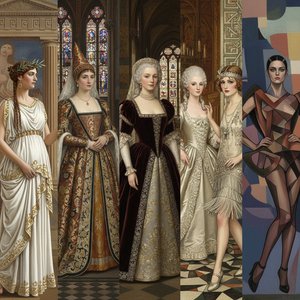
Style Through the Ages: Iconic Artworks That Defined the Evolution of Fashion Design
Explore the breathtaking intersection of fine art and high fashion. Discover how iconic masterpieces from Art Deco to Impressionism have shaped the world of luxury couture and timeless design in this curated visual journey.

The Lens of Luxury: A Visual Journey Through the Evolution and Artistry of Fashion Photography
Embark on a visual journey through the evolution of fashion photography. Discover how masters like Gianfranco Ferré blended geometry, surrealism, and texture to redefine high-fashion art for collectors and connoisseurs of luxury imagery.
Prozkoumejte umělecká díla uspořádaná podle témat, stylů a charakteristik.

