

 Zobrazit v interiéru
 Odeslat
 Sdílet
 Podrobnosti
 Průvodce

 Stáhnout obrázek
 Podobné kousky
 Rentgenové snímky
 Slideshow
 Statistiky
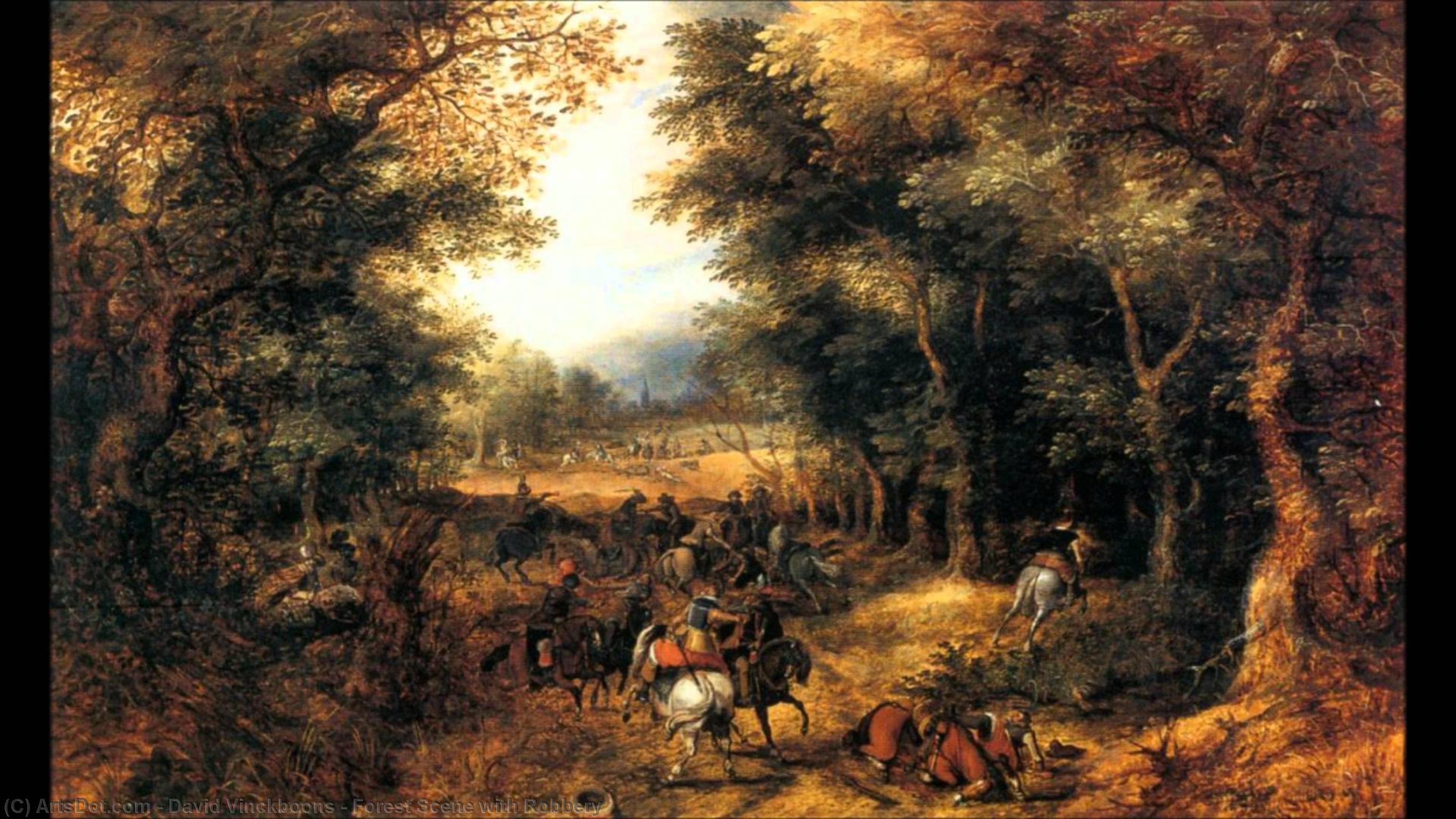
Forest Scene with Robbery
 70.0 x 113.0 cm
 Rockox House
A prolific Dutch Golden Age painter known for his elegant genre scenes and park-like landscapes such as The Fête Champêtre, David Vinckboons captures the lively spirit of village festivals waiting to be rediscovered.
 Přečíst si více
Zakupte si digitální obraz ve vysokém rozlišení a vylepšeném provedení, který nabízí mnohem vyšší kvalitu než online náhled.
Každý soubor je pečlivě připraven našimi specialisty s využitím pokročilých nástrojů a odborné manuální retuše. Zajišťujeme, aby každý obraz disponoval výjimečnou ostrostí, přesnou barevnou věrností a jemnými detaily.
Finální soubor vám bude do 72 hodin zaslán e-mailem, optimalizovaný pro okamžité použití v profesionálním, redakčním i tiskovém prostředí. Nabízíme stejnou kvalitu, které důvěřují špičková designová studia, nakladatelství i galerie.
Digitální obrazy
Stáhněte si soubor ve vysokém rozlišení pro osobní prohlížení, tisk a kreativní projekty. ( Přepnout na tiskové verze Objednat ručně malovanou reprodukci)
Součást každé objednávky digitálního obrazu
Exponenciální digitální doručení, zaručené
Když si vyberete TopImpressionists.com, nezískáváte pouze obrázek – získáváte digitální umělecké dílo s profesionálně vylepšenými detaily, zpracované s precizností a podpořené zárukou za spokojenost. Zde je vše, co vaše objednávka automaticky obsahuje:

Bleskové doručení e-mailem
Váš digitální obraz ve vysokém rozlišení vám bude zaslán e-mailem do 72 hodin od objednávky – připraven k okamžitému použití.

Digitální soubor s podporou AI
Vaše umělecké dílo je profesionálně optimalizováno pomocí pokročilých nástrojů umělé inteligence a manuální úpravy, což zajišťuje maximální úroveň detailu, ostrosti a přesnosti barev.

Doživotní bezplatné znovuodeslání
Soubor jste omylem smazali nebo ztratili? Žádný problém – kdykoliv vám ho znovu zašleme zcela zdarma.

Bez poplatků za dovoz – navždy
Užijte si své umělecké dílo okamžitě bez celních poplatků, daní nebo nákladů na dopravu – digitální stažení je vždy bez daňových povinností.

Záruka přesnosti barev
Díky profesionálním nástrojům a správě barev zajišťujeme, aby váš digitální obraz odrážel původní barvy co nejvěrněji.

100dená záruka spokojenosti
Pokud nebudete s digitálním obrázkem spokojeni, provedeme jeho revizi nebo vám vrátíme 100% platby do 100 dnů – bez jakýchkoliv dotazů.

100% záruka vrácení peněz
Nespokojeni? Získejte plnou náhradu peněz do 100 dnů od obdržení digitálního souboru – bez zbytečných dotazů.

Slevy při hromadných objednávkách
Při koupi 3 obrazů ušetříte 10% – Při koupi 5 obrazů ušetříte 15% – Při koupi 10+ obrazů ušetříte 20%. Ideální pro kreativní projekty, galerie a agentury.
Biografie umělce
A Master of the Dutch Golden Age
The story of David Vinckboons is one woven into the very fabric of the Dutch Golden Age, a period of unparalleled artistic flourishing in the Netherlands. Born in Mechelen, in the Southern Netherlands, his early life was marked by the movement of his family through the shifting landscapes of the era, from Antwerp to Middelburg, and eventually to Amsterdam. As a prolific painter and print designer, Vinckboons occupied a vital space in the evolution of Northern European art. He was not merely a chronicler of scenes but an architect of atmosphere, capable of transforming a simple woodland or a bustling village square into a stage for profound human drama.
His artistic lineage is deeply rooted in the traditions of his predecessors. Influenced heavily by the monumental works of Pieter Bruegel the Elder, Vinckboons carried forward a visual language that blended the pastoral with the profound. Alongside contemporaries such as Hans Bol and Roelant Savery, he played an instrumental role in the development of genre painting in the northern Netherlands. His training, likely overseen by his father Philippe, instilled in him a mastery of watercolor and canvas that allowed him to navigate between delicate print designs and expansive, detailed oil compositions.
The Elegance of the Landscape and Genre
Vinckboons possessed a unique ability to marry elegant human figures with lush, immersive landscapes. He became particularly renowned for his fête champêtre—scenes of outdoor merry companies where young, elegantly clad couples sought refuge in idyllic woodland settings. In these works, one finds a recurring theme of courtship, music-making, and the simple pleasures of life, often set against backdrops that reflect the influence of Gillis van Coninxloo. His compositions were innovative for their time; while he respected the tradition of small-figured landscapes, he frequently reduced the number of figures and brought them closer to the picture plane, creating a more intimate and immediate connection with the viewer.
Beyond the idyllic, his oeuvre captured the grit and complexity of contemporary life. He was a master of depicting village festivals, known as Kermis, and the seasonal rhythms of rural existence. His paintings could shift from the lightheartedness of a summer festival to the somber reality of winter, as seen in his depictions of village life during the colder months. Furthermore, he did not shy away from more serious or biblical subject matter. From the preaching of St. John the Baptist to the poignant narratives of the Prodigal Son, Vinckboons utilized the landscape as a spiritual vessel, where the natural world served to amplify the weight of the religious or social message being conveyed.
Legacy and Artistic Significance
The historical significance of David Vinckboons lies in his role as a bridge between the late Renaissance traditions of the Southern Netherlands and the burgeoning realism of the Dutch Golden Age. His ability to navigate various themes—ranging from the pastoral and the biblical to the social and the seasonal—allowed him to become one of the most popular and sought-after artists of his era. His influence extended through his students, including figures such as Claes Janszoon Visscher, ensuring that his approach to landscape and genre painting would resonate in the generations that followed.
Though his life was marked by the political and religious upheavals of the 16th and 17th centuries, his artistic output remained a testament to the enduring power of the human narrative within the natural world. His works remain vital pieces of art history, offering a window into the social textures, the religious devotion, and the aesthetic aspirations of a transformative period in European history.

David Vinckboons
1576 - 1629 , Nizozemsko