


 Zobrazit v interiéru
 Odeslat
 Sdílet
 Podrobnosti
 Průvodce

 Stáhnout obrázek
 Podobné kousky
 Rentgenové snímky
 Slideshow
 Statistiky
Nepean River


Discover 'Nepean River' by Desiderius Orban (1945). An evocative impressionistic landscape painting of rural Australia. Explore thick impasto & atmospheric perspective in this unique artwork.
Desiderius Orban (1884-1986) was a Hungarian painter who brought Cubism, Expressionism & Fauvism to Hungary before flourishing in Australia. Influenced by Matisse & Van Gogh, he impacted generations as an artist and teacher.
 Přečíst si více
Umělecké dílo zobrazené na této stránce je chráněno autorským zákonem, což znamená, že nemůžeme legálně vytvářet ani prodávat jeho identickou reprodukci. Tato ochrana je vymáhána na základě mezinárodních dohod, jako například Berberská úmluva a národními zákony, včetně těch stanovených v Americký autorský zákon – Díl 17. Všechna práva vyhrazena.
Jako etickou a právní alternativu nabízíme vlastní, ručně malovaná umělecká díla inspirovaná originálem. Naši zdatní a profesionální umělci si pečlivě studují styl, náladu a uměleckou podstatu originálu, aby vytvořili nové, jedinečné dílo, které vyvolává stejný pocit – přičemž zůstává samostatným originálním tvůrčím dílem.
Tato metoda je plně v souladu s autorským právem, protože nezahrnuje kopírování ani duplikování chráněného díla. Jde o kreativní reinterpretaci – nový obraz, který je inspirován originálem, ale není s ním identický.
Ručně malovaná olejová reprodukce
Ručně malované olejné plátno v libovolném rozměru i s rámem, vyrobené našimi umělci na zakázku. ( Přepnout na tiskové verze Přepnout na digitální verzi obrazu)




































Standardní velikost
na zakázku
CM
INCH
Vyberte si z našich přednastavených velikostí, které odpovídají původním proporcím díla.
Loading sizes...

šířka
výška
Zadejte šířku a výšku, které potřebujete pro váš rám nebo stěnu. Protože se jedná o ruční malbu, při výběru jiného formátu může umělec kolem obrazu domalovat o něco více, nebo jej mírně oříznout — rozhodnete si vy. Před zahájením malby vám zašleme digitální náhled ke schválení. Obraz zobrazený na této stránce neodpovídá skutečnému výsledku — pouze digitální náhled jej zobrazuje.
Příklady možných změn: nahrazení obličeje vlastní fotografií; přidání domácího mazlíčka (např. nahrazení kočky psem); vložení skrytého vzkazu do pozadí; změna krajiny nebo prvků v pozadí.
Po přijetí objednávky vám tým TopImpressionists.com zašle e-mail s pokyny a poskytne náhledovou verzi.
Po přijetí objednávky vám tým TopImpressionists.com zašle e-mail s pokyny a poskytne náhledovou verzi.
Celosvětová doprava () za 3–4 týdny namísto standardních 5 týdnů. (25 říjen). Bez kompromisů v kvalitě.

Zdarma celosvětová expresní doprava

Vysoce kvalitní lněné plátno

Úplné pojištění přepravy

Záruka vrácení celního poplatku

Záruka věrného barevného shodu

100dení lhůta pro vrácení zboží (pouze při vadách výroby)

100% garance vrácení peněz

Sleva při více objednávkách
 Skleněná varianta je dostupná pouze u rozměrů menších než 110 cm

Nepean River
Technika provedení
Velikost reprodukce
-


Celková cena
Kč 5752
Související díla


Biografie umělce
The Visionary Journey of Desiderius Orban
The story of Desiderius Orban is one of profound movement, both geographical and stylistic, tracing a path from the heart of Central Europe to the vibrant landscapes of Australia. Born in 1884 in Győr, Hungary, as Orbán Dezső, his early years were steeped in the rich academic traditions of Budapest. Under the tutelage of János Pentelei Molnár, Orban developed a foundational mastery of form that would later serve as the bedrock for his radical experiments with modernism. His artistic soul, however, was restless, yearning for the avant-garde currents flowing through the great art capitals of Europe.
It was in Paris that Orban truly found his creative voice. Immersed in the electric atmosphere of the early 20th century, he encountered the transformative power of Fauvism and Expressionism. The bold, emotive brushwork of Vincent van Gogh, the structural integrity of Paul Cézanne, and the vibrant, liberated color palettes of Henri Matisse became his guiding lights. This period of intense exposure allowed him to absorb the revolutionary aesthetics that were dismantling classical traditions, preparing him to become a vital conduit for modernism in his homeland.
The Architect of Hungarian Modernism
Upon returning to Hungary, Orban became a central figure in a movement that would forever alter the nation's cultural landscape. Alongside luminaries such as Károly Kernstok, Béla Czóbel, and Róbert Berény, he joined the group known as The Eight (or the "Neos"). This collective of young, daring artists sought to break away from provincialism and introduce the cutting-edge techniques of Western Europe—specifically Cubism and Fauvism—to the Hungarian public. Orban’s role in this group was pivotal; his work acted as a bridge between the established academic style and the fractured, energetic geometries of the new age.
The 1911 exhibition of The Eight remains a landmark moment in art history, showcasing a radical departure from tradition that challenged the sensibilities of the era. Through his paintings, Orban explored the interplay of light, color, and structure, often utilizing a more fragmented approach to composition that echoed the influence of Pablo Picasso and Georges Braque. His ability to synthesize these complex European influences into a unique, personal language solidified his reputation as a pioneer of the Hungarian avant-garde.
Resilience and Legacy in a New World
The shadows of political upheaval eventually forced Orban onto a new, unexpected trajectory. As the rise of Nazism and Fascism threatened the very fabric of European culture, Orban fled Budapest in 1939, seeking refuge in Sydney, Australia. This transition marked a significant chapter in his life; adopting the name Desiderius, he began anew in a land far removed from the cafes of Paris and the studios of Budapest. Despite the displacement, his artistic spirit remained undiminished. During World War II, he demonstrated remarkable resilience by enlisting in the Australian army, later dedicating himself to the cultivation of art within his new home.
Orban’s later years were defined by a profound commitment to education and the continued evolution of his craft. He established his own art school, passing on his deep knowledge of modern techniques to a new generation of Australian artists, including notable figures like Harold Thornton and John Olsen. His contributions were celebrated through prestigious accolades, such as the Blake Prize for Religious Art in 1967 and 1971, and his recognition by the Art Gallery of New South Wales. Today, Orban is remembered not merely as a refugee of war, but as a global citizen of art whose legacy spans continents and continues to inspire through its enduring mastery of color and form.

Desiderius Orban
1884 - 1986 , Hungary
Rychlé informace
- Artistic Movement Or Style: Cubism, Expressionism, Fauvism
- Artists Or Movements Influenced By This Artist:
- Harold Thornton
- John Olsen
- James Clifford
- Artists Who Influenced This Artist:
- Henri Matisse
- Vincent van Gogh
- Paul Cézanne
- Date Of Birth: 1884
- Date Of Death: 1986
- Full Name: Desiderius Orban
- Nationality: Hungarian
- Place Of Birth: Győr, Hungary
Související články
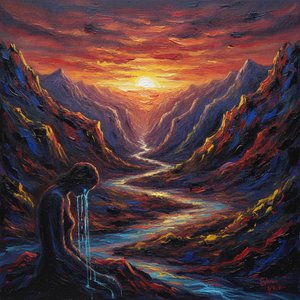
Capturing Emotion: A Journey Through the Soul of Expressionist Landscapes
Explore the profound emotional depth of Expressionist landscapes. Discover how Post-Impressionist masters moved beyond light to capture the soul through vibrant color and form. A curated journey for true art lovers seeking the beauty of expressive mastery.

The Soul of Impressionism: Why Oil on Canvas Captures Eternal Light and Timeless Emotion
Discover the enchanting alchemy of Impressionism. Explore how the mastery of oil on canvas, through glazing and impasto, captures eternal light and emotion. Perfect for lovers of Monet and Van Gogh seeking the profound depth of hand-painted fine art.