
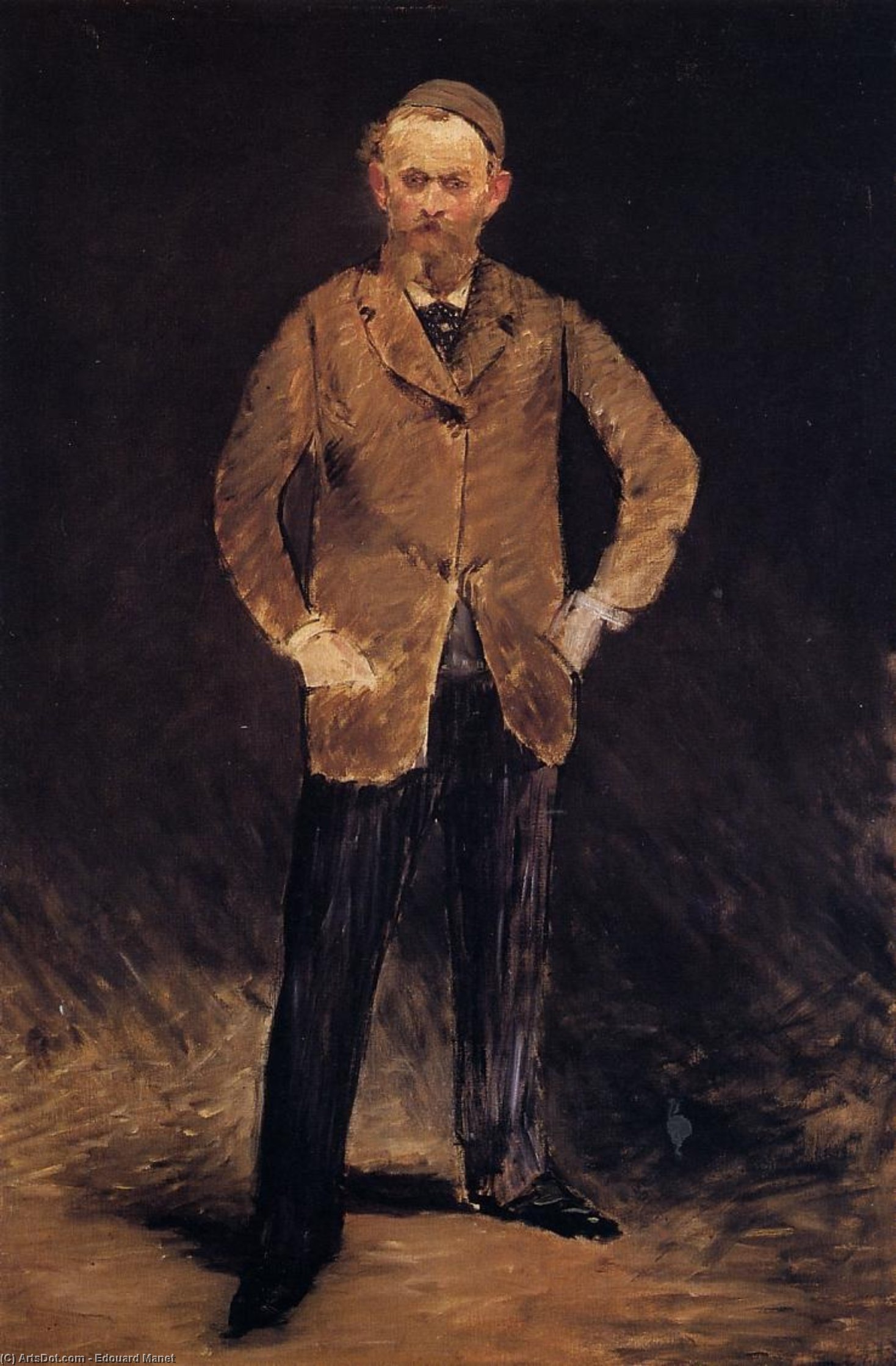
Shown: · With its frame:
 Náhled v interiéru
 Sdílet
 Sdílet
 Podrobnosti o díle
 Průvodce

 Stáhnout
 Podobné položky
 Rentgenové snímky
 Slideshow
 Q&A
Q&A Statistiky

Kč 5844
Ručně malovaná olejová reprodukce
Rukou malované olejné plátno v libovolném rozměru i s rámem, vyrobené našimi umělci na zakázku. ( Přepnout na tisk Přepnout na digitální obraz)
Size
·Standardní velikost
na zakázku
CM
INCH
Vyberte si z našich přednastavených velikostí, které odpovídají původním proporcím díla.
Loading sizes...

šířka
výška
Zadejte šířku a výšku, které potřebujete pro váš rám nebo stěnu. Protože se jedná o ruční malbu, při výběru jiného formátu může umělec kolem obrazu domalovat o něco více, nebo jej mírně oříznout — rozhodnete si vy. Před zahájením malby vám zašleme digitální náhled ke schválení. Obraz zobrazený na této stránce neodpovídá skutečnému výsledku — pouze digitální náhled jej zobrazuje.
 Více informací
Finish
·
White Kč1

Blurside Kč1

Extended Kč1

P118B Kč10

P118H Kč10

P118W Kč10

P438Z Kč10

P508JH Kč12

P508YH Kč12

P805H Kč10

P805Z Kč10

P919BZ Kč10

P919G Kč10

P919XJ Kč10

P959ZH Kč10

P968JZ Kč12

W106C Kč8

W218G Kč10

W218JH Kč8

W218Y Kč10

W307PJ Kč10

W316G Kč10

W316PJ Kč8

W316Y Kč10

W398PJ Kč8

W4111J Kč10

W500HY Kč15

W500JH Kč15

W692G Kč12

W849H Kč8

W940BG Kč15

W953PJ Kč8

H24-GOLD Kč30

H24-SILVER Kč30

H36-GOLD Kč45

H36-SILVER Kč45
Shipped in a protective tube, ready for your own framer.
Above 105 cm the frame is shipped as a kit for a professional framer — read the details.
Extras
optionalWhat do the extras include?
Examples of what can be changed: Replace face with customer photo; Add pet (e.g., replace cat with dog); Include hidden message in background; Change background landscape or elements.
After order, TopImpressionists.com team will email client for instructions and provide a mockup preview
After order, TopImpressionists.com team will email client for instructions and provide a mockup preview
Celosvětová doprava () za 3–4 týdny namísto standardních 5 týdnů. (2 listopad). Bez kompromisů v kvalitě.
Ochranný lak
Popisek díla
Detaily ryté bronzové plakety
This elegant plaque features the artist's name and the title of the artwork, finely engraved for a timeless presentation.
It is made from bronze with a refined, elegant finish. The text is precisely laser-engraved for a sharp and permanent result. Measuring 9x2 cm, the plaque is compact yet easy to read. It's built to be durable and scratch-resistant, offering a professional, museum-quality look. Mounting is simple thanks to the included adhesive backing.
Detaily průhledné akrylové desky
The plaque includes essential engraved details such as the artist's name, the title of the artwork, the date it was created, the type of media used-like oil on canvas or watercolor-a brief description of the piece, and a QR code that links to the complete artwork information.
It is crafted from clear acrylic, offering a sleek, modern appearance. The text is UV-engraved in black to ensure strong visual contrast. With a size of 10x15 cm, it ensures optimal readability. It comes equipped with two metal hooks for secure wall mounting. The plaque is designed to be weather-resistant, making it suitable for various environments, and it includes interactive features that work seamlessly with smartphone scanning.
Detaily černé akrylové destičky
This elegant plaque includes engraved information such as the artist's name, the title of the artwork, the date it was created, the type of media used (like oil on canvas or watercolor), a short description of the artwork, and a QR code for quick access to more information.
The plaque itself is made from refined black acrylic with a premium finish. The text is laser-engraved in white for high contrast and readability. Its size is 10x15 cm, designed to be easy to read. It comes with two metal hooks for professional mounting. The design is sleek and fits any interior style. It is also weather-resistant and durable, with built-in digital integration for mobile compatibility.
Skleněná varianta je dostupná pouze u rozměrů menších než 110 cm
 Skleněná varianta je dostupná pouze u rozměrů menších než 110 cm
- Zdarma celosvětová expresní doprava
- Vysoce kvalitní lněné plátno
- Kompletní pojištění přepravy
- Záruka vrácení celního poplatku
- Záruka věrného barevného souladu
- 100dení lhůta pro vrácení zboží (pouze při vadách výroby)
- 100% záruka vrácení peněz
- Sleva při více objednávkách


Popis sbírného předmětu
Pozorujte sebereflexivní obraz "Autorportrét s kostkovým čepcem" (1878). Nabízí pohled na umělecký styl a dobu jeho tvorby – kombinaci realismu a impresionismu.
Biografie umělce
Édouard Manet: revoluční francouzský malíř, který otřásl uměním svým pohledem na moderní život a zpochybnil tradice. Objevte ikonické díla jako 'Olympie' a 'Le Déjeuner sur l’herbe'.
About the painting
Self-Portrait with Skull-Cap: A Glimpse into Manet's World
Edouard Manet’s Self-Portrait with Skull-Cap, painted in 1878, is a captivating work that offers a rare and intimate look at the artist himself. More than just a likeness, it’s a statement about artistic identity, evolving styles, and the complexities of late 19th-century Parisian life. The painting resides within the Bridgestone Museum of Art in Japan.
Composition and Technique
The portrait depicts Manet standing against a stark black background. He is formally dressed in a dark suit and tie, his posture conveying both confidence and a subtle introspection. A distinctive brown skull-cap adorns his head, a deliberate nod to Renaissance masters like Titian and Filippino Lippi – artists he greatly admired. The composition is relatively simple, focusing attention squarely on the artist's face and upper body. Two other figures are faintly visible in the background, adding depth but remaining secondary to Manet’s presence. Manet employed oil paints on canvas, utilizing a technique that blends traditional portraiture with emerging Impressionistic sensibilities. His brushstrokes are visible yet controlled, creating textures and capturing light in a way that foreshadows later developments in art.
Historical Context: Bridging Realism and Impressionism
The late 1870s were a period of significant artistic transition. Manet stood at the crossroads of Realism and Impressionism, challenging academic conventions while forging his own path. His earlier works like Le Déjeuner sur l'herbe and Olympia had caused considerable scandal for their depictions of contemporary life and rejection of idealized forms. This self-portrait reflects Manet’s position as a leading figure in this artistic revolution, demonstrating his ability to synthesize traditional portraiture with the innovative spirit of Impressionism. The painting was created shortly before Manet's death, marking a poignant moment of reflection on his career and legacy.
Symbolism and Emotional Impact
The skull-cap is arguably the most striking symbolic element in the portrait. It’s not merely an article of clothing; it represents Manet’s connection to artistic history and his self-conscious positioning within that lineage. The dark background contributes to a sense of introspection, suggesting a contemplative mood. Manet's gaze, directed slightly off-camera, creates a feeling of engagement with the viewer while simultaneously maintaining a degree of reserve. The overall emotional impact is one of quiet dignity and artistic confidence – a portrait not just of an artist, but of a man grappling with his place in history.
A Timeless Masterpiece
Self-Portrait with Skull-Cap remains a powerful testament to Manet’s artistry and vision. It's a work that invites viewers to consider the complexities of artistic identity, the evolution of art styles, and the enduring power of self-representation. Its historical significance and aesthetic appeal make it a valuable addition to any collection or a source of inspiration for those seeking to understand the foundations of modern art.
Otázky a odpovědi
Která barva v díle "Autorportrét s kostkovým čepcem" nejvíce vyniká?
Barvou, která v díle „Autorportrét s kostkovým čepcem“ nejvíce vyniká, je Ftalocyaninová zelená (#19151c). Dominantní barva je užitečná při sladění uměleckého díla s interiérem.
Do které období tvorby Édouard Manet patří dílo „Autorportrét s kostkovým čepcem“?
„Autorportrét s kostkovým čepcem“ představuje období Zralý období umělce Édouard Manet.
Je dílo „Autorportrét s kostkovým čepcem“ volné z autorských práv?
Stav autorských práv pro dílo „Autorportrét s kostkovým čepcem“ od Édouard Manet: toto dílo spadá do v rámci volného užití – autorská práva vypršela. To určuje, zda lze volně vytvářet reprodukce tohoto obrazu.
Quick facts and art quiz
About Édouard Manet

Édouard Manet
1832 - 1883, Francie
Biografie umělce
Pařížský rebel: Život a dílo Édouarda Maneta
Édouard Manet, narozený v roce 1832 do pohodlné měšťanské rodiny v Paříži, nebyl zrovna předurčen k životu revolučního umělce. Jeho otec, vážený soudce, si pro svého syna představoval bezpečnou budoucnost v právu nebo snad námořnictví – ctihodná povolání odpovídající jejich společenskému postavení. Už jako chlapec však Manetovo srdce patřilo umění. V jedenácti letech začal s formálními lekcemi kreslení a i když byl krátce učedníkem u akademického malíře Thomase Couturea, rychle se cítil být Coutureovými rigidními metodami dusený. Tato raná rezistence předznamenala celý život strávený zpochybňováním uměleckých konvencí. Manet neměl zájem o pouhé kopírování minulosti; snažil se zachytit živost – a někdy i znepokojující skutečnost – moderního pařížského života. Navštěvoval Louvre, ne jen aby kopíroval staré mistry, ale aby rozebíral jejich techniky, učil se od umělců jako Caravaggio a Velázquez, jak světlo a stín mohou tvarovat formu a vyvolávat emoce. Skutečným impulsem pro jeho tvůrčí cestu byl však posun v uměleckých proudech, zejména vzestup realismu prosazovaného Gustavem Courbetem. Courbetova naléhavost zobrazovat každodenní život bez idealizace hluboce rezonovala s Manetem a osvobodila ho od omezení historických nebo mytologických témat.Průlom s tradicí: Skandál a inovace
60. léta 19. století znamenala období intenzivní umělecké fermentace v Paříži a Manet se ocitl v jejím epicentru. Příchod japonských tisků – *ukiyo-e* – hluboce ovlivnil jeho estetické cítění. Byl uchvácen jejich zploštělými perspektivami, odvážnými kompozicemi a výrazným použitím barev, prvky, které se staly charakteristickými znaky jeho vlastního stylu. Tento vliv, spojený s rostoucím odmítáním akademické leštěnosti, vedl k dílům, která šokovala a skandalizovala pařížský umělecký svět. Le Déjeuner sur l'herbe (Oběd v trávě), vystavený na Salonu odmítnutých v roce 1863 – výstavě děl zamítnutých oficiálním salonem – se stal jiskřičkou kontroverze. Obraz, zobrazující nahou ženu neformálně piknikující ve společnosti dvou plně oblečených mužů, nebyl jen o nahotě; šlo o *způsob*, jakým byla tato nahota prezentována. Manetovy postavy neměly idealizované tvary a mytologický kontext tradičních aktů. Byly nepopiratelně moderní, konfrontující diváka znepokojivou přímočarostí. Skandál kolem Le Déjeuner se ještě prohloubil jeho mistrovským dílem z roku 1865, Olympia. Tento obraz, záměrná reimaginace Titianovy *Venuše Urbinské*, představoval současnou prostitutku směle hledící na diváka. Neústupný realismus a provokativní téma se setkaly s rozsáhlou kritikou. Kritici Maneta obviňovali z vulgarity a umělecké nekompetentnosti, ale pod tímto pobouřením se skrývalo uznání, že zásadně mění jazyk malby.Most k impresionismu: Světlo, štětec a moderní život
I když Manet nikdy plně nepřijal označení „impresionista“, jeho vliv na toto hnutí byl nepopiratelný. Sdílel jejich odmítání akademických konvencí a závazek zachytit pomíjivé efekty světla a atmosféry. Vystavoval po boku Moneta, Renoira, Degase a dalších na nezávislých výstavách impresionistů, čímž upevnil svou pozici klíčové postavy avantgardy. Manetova technika se vyvinula směrem k volnějšímu tahu štětcem, upřednostňujícímu dojem formy před přesným detailem. Experimentoval s barvami, často používal prudké kontrasty k vytvoření dramatických efektů. Kromě skandálních aktů zkoumal Manet širokou škálu témat: portréty – včetně působivých zobrazení své manželky Suzanne a spolužáka Émila Zoly; scény pařížského nočního života, jako je Bar v Folies-Bergère, který mistrovsky zachycuje odcizení a velkolepost moderního městského života; a intimní domácí scény. Nedokumentoval pouze tato témata; zkoumal je, zpochybňoval společenské normy a vyzýval konvenční představy o kráse.Dědictví a trvalý dopad
Předčasná smrt Édouarda Maneta v roce 1883 kvůli syfilis ukončila kariéru, která již nenávratně změnila běh dějin umění. I když jeho pověst výrazně vzrostla po jeho smrti, jeho dopad byl okamžitě pociťován mladšími umělci, kteří v něm poznali osvoboditele. Zboural bariéry, zpochybňoval tradiční představy o tématu, technice a účelu umění.- Jeho důraz na zachycení moderního života připravil cestu impresionismu a postimpresionismu.
- Jeho inovativní použití štětce a barev ovlivnil generace malířů.
- Jeho ochota konfrontovat nepohodlné pravdy o společnosti donutila diváky zpochybnit vlastní předpoklady.
Quick facts about Édouard Manet
- Datum Narození: 23. ledna 1832
- Datum Úmrtí: 30. dubna 1883
- Místo Narození: Paříž, Francie
- Národnost: Francouzská
- Ovlivnil Umělce:
- Monet
- Renoir
- Degas
- Ovlivněno Umělci:
- Caravaggio
- Velázquez
- Courbet
- Plné Jméno: Édouard Manet
- Umělecký Směr: Realismus, Impresionismus
- Významná Díla:
- Snídaně na trávě
- Olympie
- Bar v Folies-Bergère


Prozkoumejte umělecká díla uspořádaná podle témat, stylů a charakteristik.


Édouard Manet
Autorportrét s kostkovým čepcem
() ·
With its frame: · Hand-painted in oil on linen
Total