

Zobrazeno: · Včetně rámu:
 Náhled v interiéru
 Sdílet
 Sdílet
 Podrobnosti o díle
 Průvodce

 Stáhnout
 Podobné položky
 Rentgenové snímky
 Slideshow
 Otázky a odpovědi
 Statistiky

Kč 5855
Ručně malovaná olejová reprodukce
Rukou malované olejné plátno v libovolném rozměru i s rámem, vyrobené našimi umělci na zakázku. ( Přepnout na tisk Přepnout na digitální obraz)
Toto umělecké dílo je chráněno autorským právem
Umělecké dílo zobrazené na této stránce je chráněno autorským zákonem, což znamená, že nemůžeme legálně vytvářet ani prodávat jeho identickou reprodukci. Tato ochrana je vymáhána na základě mezinárodních dohod, jako například Berberská úmluva a národními zákony, včetně těch stanovených v Americký autorský zákon – Díl 17. Všechna práva vyhrazena.
Jako etická a právní alternativa nabízíme vlastní, ručně malovaná umělecká díla inspirovaná originálem. Naši zdatní a profesionální umělci si pečlivě studují styl, náladu a uměleckou podstatu originálu, aby vytvořili nové, jedinečné dílo, které vyvolává stejný pocit – přičemž zůstává samostatným originálním tvůrčím dílem.
Tato metoda je plně v souladu s autorským právem, protože nezahrnuje kopírování ani duplikování chráněného díla. Jde o kreativní reinterpretaci – nový obraz, který je inspirován originálem, ale není s ním identický.
 Více informací
Velikost
·Standardní velikost
na zakázku
CM
INCH
Vyberte si z našich přednastavených velikostí, které odpovídají původním proporcím díla.
Načítání velikostí...

šířka
výška
Zadejte šířku a výšku, které potřebujete pro váš rám nebo stěnu. Protože se jedná o ruční malbu, při výběru jiného formátu může umělec kolem obrazu domalovat o něco více, nebo jej mírně oříznout — rozhodnete si vy. Před zahájením malby vám zašleme digitální náhled ke schválení. Obraz zobrazený na této stránce neodpovídá skutečnému výsledku — pouze digitální náhled jej zobrazuje.
Dokončit
·
Bílé okraje Kč1

Rozostřené okraje Kč1

Prodloužené okraje Kč1

P118B Kč10

P118H Kč10

P118W Kč10

P438Z Kč10

P508JH Kč12

P508YH Kč12

P805H Kč10

P805Z Kč10

P919BZ Kč10

P919G Kč10

P919XJ Kč10

P959ZH Kč10

P968JZ Kč12

W106C Kč8

W218G Kč10

W218JH Kč8

W218Y Kč10

W307PJ Kč10

W316G Kč10

W316PJ Kč8

W316Y Kč10

W398PJ Kč8

W4111J Kč10

W500HY Kč15

W500JH Kč15

W692G Kč12

W849H Kč8

W940BG Kč15

W953PJ Kč8

H24-GOLD Kč30

H24-SILVER Kč30

H36-GOLD Kč45

H36-SILVER Kč45
Dodáváno v ochranné tubě, připraveno k vlastním rámování.
Doplňkové služby
volitelnéCo všechno doplňky zahrnují?
Příklady možných změn: Nahrazení obličeje fotografií zákazníka; Přidání mazlíčka (např. výměna kočky za psa); Skrytá zpráva v pozadí; Změna krajiny nebo prvků v pozadí.
Po přijetí objednávky vám tým TopImpressionists.com pošle e-mail s instrukcemi a poskytne náhled návrhu
Po přijetí objednávky vám tým TopImpressionists.com pošle e-mail s instrukcemi a poskytne náhled návrhu
Celosvětová doprava () za 3–4 týdny namísto standardních 5 týdnů. (8 listopad). Bez kompromisů v kvalitě.
Ochranný lak
Popisek díla
Detaily ryté bronzové plakety
This elegant plaque features the artist's name and the title of the artwork, finely engraved for a timeless presentation.
It is made from bronze with a refined, elegant finish. The text is precisely laser-engraved for a sharp and permanent result. Measuring 9x2 cm, the plaque is compact yet easy to read. It's built to be durable and scratch-resistant, offering a professional, museum-quality look. Mounting is simple thanks to the included adhesive backing.
Detaily průhledné akrylové desky
The plaque includes essential engraved details such as the artist's name, the title of the artwork, the date it was created, the type of media used-like oil on canvas or watercolor-a brief description of the piece, and a QR code that links to the complete artwork information.
It is crafted from clear acrylic, offering a sleek, modern appearance. The text is UV-engraved in black to ensure strong visual contrast. With a size of 10x15 cm, it ensures optimal readability. It comes equipped with two metal hooks for secure wall mounting. The plaque is designed to be weather-resistant, making it suitable for various environments, and it includes interactive features that work seamlessly with smartphone scanning.
Detaily černé akrylové destičky
This elegant plaque includes engraved information such as the artist's name, the title of the artwork, the date it was created, the type of media used (like oil on canvas or watercolor), a short description of the artwork, and a QR code for quick access to more information.
The plaque itself is made from refined black acrylic with a premium finish. The text is laser-engraved in white for high contrast and readability. Its size is 10x15 cm, designed to be easy to read. It comes with two metal hooks for professional mounting. The design is sleek and fits any interior style. It is also weather-resistant and durable, with built-in digital integration for mobile compatibility.
Skleněná varianta je dostupná pouze u rozměrů menších než 110 cm
 Skleněná varianta je dostupná pouze u rozměrů menších než 110 cm
- Zdarma celosvětová expresní doprava
- Vysoce kvalitní lněné plátno
- Kompletní pojištění přepravy
- Záruka vrácení celního poplatku
- Záruka věrného barevného souladu
- 100dení lhůta pro vrácení zboží (pouze při vadách výroby)
- 100% záruka vrácení peněz
- Sleva při více objednávkách


Popis sbírného předmětu
Edward Hopperova Eleven AM zachycuje klidnou izolaci městského života pomocí světla a stínu. Připomeňte si melancholii amerického realismu v této ikonické obrazové skladbě. Kvalitní reprodukce!
Biografie umělce
Edward Hopper: mističný malíř americké izolace a melancholie. Jeho ikonické obrazy, jako Nighthawks, zachycují tichou krásu moderního života a hluboké úvahy o lidské existenci.
O malbě
A Quiet Moment of Urban Solitude: Exploring Edward Hopper’s “Eleven AM”
Edward Hopper, a master of American realism, possessed an uncanny ability to distill the essence of modern life – its quiet desperation, its pervasive loneliness, and its fleeting moments of beauty – onto canvas. “Eleven A.M.”, painted in 1926, is a particularly poignant example of this skill. The painting depicts a solitary woman seated by a window, bathed in a soft yet revealing light that seems to simultaneously illuminate and isolate her. It’s not a scene of dramatic action, but rather one of profound stillness, inviting the viewer into an intimate contemplation of interiority and the human condition.
The composition is deceptively simple: a woman in a blue armchair, positioned near a window that offers a glimpse of the world outside. However, it’s within this simplicity that Hopper's genius resides. The room itself is modestly furnished – a dresser, a framed picture, and a lamp all contribute to a sense of everyday life, yet they also underscore the woman’s isolation. She isn’t actively engaged with her surroundings; instead, she appears lost in thought, her gaze directed outwards but seemingly unfocused. The careful arrangement of objects within the room doesn't feel cluttered or busy, but rather deliberately sparse, emphasizing the emptiness that surrounds the figure. Hopper masterfully uses light and shadow to sculpt the form of the woman and define the space around her, creating a dramatic contrast that draws the eye and heightens the emotional impact.
The Language of Light and Shadow: Hopper’s Technical Brilliance
Hopper's technique in “Eleven A.M.” is characterized by a meticulous attention to detail and a masterful command of oil paint. His brushstrokes are relatively smooth, creating a realistic depiction of form and texture. The light streaming through the window isn’t merely illumination; it’s a character in itself, shaping the mood and revealing subtle nuances of emotion. Notice how the light catches on the woman's skin, highlighting her vulnerability, while simultaneously casting deep shadows that suggest a sense of melancholy or introspection. The color palette is restrained – blues, browns, and muted reds dominate the scene – further contributing to the painting’s somber atmosphere. This isn’t a vibrant, celebratory depiction of life; it’s a quiet, introspective study of human emotion.
Echoes of Modern Life: Context and Symbolism
To understand “Eleven A.M.” fully, it's essential to consider the historical context in which it was created. The 1920s were a period of rapid social change in America – urbanization, industrialization, and shifting societal norms all contributed to a sense of alienation and disillusionment. Hopper’s work often reflects these anxieties, capturing the loneliness and isolation that many people experienced in the modern world. The window in “Eleven A.M.” is particularly symbolic; it represents a connection to the outside world, yet the woman's position within the room suggests a barrier between her and that world. She is both present and absent, connected and disconnected. The painting invites us to consider the complexities of human experience – our longing for connection, our fear of isolation, and our search for meaning in a rapidly changing world.
Hopper’s artistic influences are also apparent in “Eleven A.M.” While he developed his own unique style, he was deeply influenced by French Impressionists like Édouard Manet and Edgar Degas, as well as American artists such as Robert Henri. Like these predecessors, Hopper sought to capture the realities of modern life with honesty and sensitivity. However, he went beyond mere representation; he imbued his paintings with a psychological depth that resonated with viewers on an emotional level. “Eleven A.M.” is not simply a depiction of a woman in a room; it’s a powerful exploration of the human condition – a timeless meditation on solitude, introspection, and the search for meaning.
Otázky a odpovědi
K kterému uměleckému směru patří „Eleven AM“ od Edward Hopper?
Umělecký směr, ke kterému patří dílo „Eleven AM“ od Edward Hopper, je Other. Tato klasifikace toto dílo umísťuje mezi související umělce a další umělecká díla.
Jak výrazný je kontrast v díle „Eleven AM“ od Edward Hopper?
Kontrast světla a stínu u díla „Eleven AM“ je klasifikován jako Výrazný. Kontrast popisuje, jak výrazně se liší světlé a tmavé oblasti.
Jak si mohu prohlédnout náhled reprodukce „Eleven AM“ od Edward Hopper?
Chcete-li si prohlédnout náhled reprodukce díla „Eleven AM“ od Edward Hopper, otevřete stránku Náhled v prostoru tohoto díla.
Rychlá fakta a umělecký kvíz
O umělci Edward Hopper

Edward Hopper
1931 - 1967, Spojené státy americké
Biografie umělce
A Solitude Observed: The Life and Art of Edward Hopper
Edward Hopper, jméno neodmyslitelně spojené s klidovou melancholií a subtilní atmosférou 20. století amerického života, nebyl jen malíř scén; byl básník světla a stínu, kronikář moderního osamělosti. Narodil se v Nyacku, New Yorku, v roce 1882, jako syn zavedené rodiny s holandskými kořeny, jeho rané roky poskytly stabilní prostředí, které podpořilo jeho umělecké sklony. Od dětích skic, pečlivě datovaných a podepsaných, bylo patrné, že ostrá pozorování a vrozený talent pro kreslení byly centrální součástí jeho bytosti. Ačkoli byl počátečními pokyny rodičů k komerčnímu ilustrování – pragmatickému návrhu, který zohledňoval jejich očekávání – Hopperovy ambice směřovaly k umění, což ho vedlo na New Yorkskou školu umění, kde studoval pod vedením Williama Merritt Chase a Roberta Henriho. Tyto formativní roky ne jenom vštěpily technickou zručnost, ale také ocenění realismu a závazek k zobrazování světa tak, jak ho viděl – nezfalšovaného a upřímného. Texty Ralfa Waldodora Emersona hluboce rezonovaly s Hopperem, posilujíc jeho individualistický smysl a ostré pozorování – vlastnosti, které se staly charakteristickými rysy jeho umělecké vize. Raná cestování do Paříže vystavila Hopperovi impresionismus, ale rychle se od něj odlišil svými mihotavými štětinami, utvářejíc svou vlastní jedinečnou cestu.Finding His Voice: Realism and the American Scene
Hopperova umělecká cesta nebyla okamžitá ani snadná. Závazně se snažil objevit svůj vyjádřivý hlas, experimentoval s různými styly, než se usadil v realismu, který definoval jeho kariéru. Nebylo to pouhé zobrazení reality; bylo to destilace její podstaty, odstraňování nadbytečných detailů k odhalení hlubších emocionálních pravd. Jeho obrazy začaly soustředit na každodenní scény – domy, restaurace, kanceláře, hotelové pokoje – nabité pocitem klidu a často osamělosti. Vlastnil mimořádnou schopnost zachytávat psychologické stavy svých subjektů, naznačující příběhy bez explicitního vyjádření. Přesné zobrazení světla a stínu se stal klíčovým prvkem, ne jenom jako popisných prvků, ale i jako emocionálních vodítek, vytvářející atmosféry, které byly zároveň fascinující a znepokojivé. House by the Railroad (1925), raný mistrovský kousek, ukazuje tento přístup – zdánlivě jednoduchá kompozice vyzařuje hluboký pocit izolace a tajemství. Hopperova grafika, často opomíjená, probíhala paralelně s malbou, sdílejíc podobné témata a stylistické prvky, což dokazuje jeho mistrovství v různých médiích. Nebyl zájem o rozsáhlé historické příběhy nebo alegorickou symboliku; soustředil se na každodenní život, zvedl ho k obrazu světa pomocí pečlivého pozorování a emocionálního rezonance. Jeho manželka, Josephine Nivison Hopper, hraje klíčovou roli nejen jako jeho věrný společník, ale také jako častá modelka, přispívající k charakterizaci jeho ženských postav.Iconic Visions: Nighthawks and Beyond
Ačkoli se Hopperova kariéra vyvíjela postupně, určité díla catapultovala ho k širokému uznání. Nighthawks (1942), pravděpodobně jeho nejznámější obraz, okamžitě se stal ikonou americké kultury. Pozdní noční restaurace, osvětlená ostrým fluorescenčním světlem, dokonale zachycuje alienation a anonymitu moderního městského života – hluboký komentář lidské existence. Postavy v obraze jsou ztraceny ve svých vlastních myšlenkách, odpojené od sebe navzdory své blízkosti—zajímavá ukázka lidské podstaty. Gas (1940), s jeho působivým zobrazením čerpací stanice na silnici, demonstruje Hopperovu fascinaci americkým krajem a rozvíjející se automobilovou kulturou. Další významné díla, jako *Automat*, *Office in a Small City* a *Summertime* nabízejí každý jedinečný pohled do složitostí 20. století americké společnosti. Tyto obrazy nebyly jenom zobrazení míst; byly to průzkumy nálady, psychologie a jemných dramatických dějů, které se odehrávají v každodenních prostředích. Jeho dílo má nezměrný vliv na pozdější umělce. Jeho jedinečný styl inspiroval nespočet malířů, včetně Pierreho Sanforda Rossa, a pokračuje v rezonovat s moderními umělci, kteří se snaží zachytit podstatu lidského zážitku. Jeho obrazy zůstávají vyhledávané sběrateli a jsou vystavovány ve významných muzeích po celém světě, posilujíc jeho místo jako klíčové postavy v americkém umění. Více než jen umělec byl Edward Hopper vizuální filozof, který nabízel hluboké poznatky o lidské existenci prostřednictvím mistrovského použití světla, stínu a kompozice.Themes and Legacy: A Lasting Influence
Řada opakujících se témat proniká Hopperovým dílem. Osamělost je možná nejvýraznější—pocit izolace, který zažívají jednotlivci i v davu. Zkoumal americký krajinu, jak venkovskou, tak městskou, často zdůrazňoval její tvrdost a prázdnotu. Jeho dílo se zabývá psychologickým realismem, prozkoumává vnitřní životy svých subjektů s citlivostí, která přesahuje pouhé zobrazení. Existuje i podtón nostalgie za jednodušší minulostí, juxtapozice s uvědoměním si složitostí a obav moderního života. Hopperův vliv na pozdější umělce je nepopiratelný. Jeho jedinečný styl inspiroval nespočet malířů a pokračuje v rezonovat s moderními umělci, kteří se snaží zachytit podstatu lidského zážitku. Jeho obrazy zůstávají vyhledávané sběrateli a jsou vystavovány ve významných muzeích po celém světě, posilujíc jeho místo jako klíčové postavy v americkém umění. Jeho dílo pokračuje v fascinaci diváků, protože se dotýká univerzálních témat osamělosti, izolace a hledání smyslu v rychle se měnícím světě. Jeho obrazy se staly ikonickými reprezentacemi americké kultury, často používanými k symbolizaci obav a aspirací 20. století—a nadále. Hopperův estetický styl má hluboký dopad na filmaře (jako Alfred Hitchcock) a spisovatele, inspiroval nespočet děl, která zkoumají podobná témata alienation a psychologické napětí.- Jeho dědictví nespočívá jenom v kráse jeho obrazů, ale také v jejich trvalé schopnosti vyvolávat myšlenky, evokovat emoce a připomenout nám klidovou izolaci, která často definuje naše životy.
- Hopperovo dílo pokračuje v fascinaci diváků, protože se dotýká univerzálních témat osamělosti, izolace a hledání smyslu v rychle se měnícím světě.
- Jeho obrazy se staly ikonickými reprezentacemi americké kultury, často používanými k symbolizaci obav a aspirací 20. století—a nadále.
- Hopperův estetický styl má hluboký dopad na pozdější filmaře (jako Alfred Hitchcock) a spisovatele, inspiroval nespočet děl, která zkoumají podobná témata alienation a psychologické napětí.
Rychlé informace o umělci Edward Hopper
- Artistic Movement Or Style: Realismus
- Artists Or Movements Influenced By This Artist: ['Ross']
- Artists Who Influenced This Artist:
- Chase
- Henri
- Date Of Birth: 22. července 1882
- Date Of Death: 15. května 1967
- Full Name: Edward Hopper
- Nationality: Americký
- Notable Artworks:
- Nighthawks
- House by the Railroad
- Place Of Birth: Nyack, USA
Prozkoumejte umělecká díla uspořádaná podle témat, stylů a charakteristik.




Edward Hopper
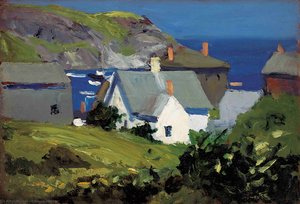
Eleven AM
() ·
Včetně rámu: · Ručně malováno olejem na plátně
Celkem