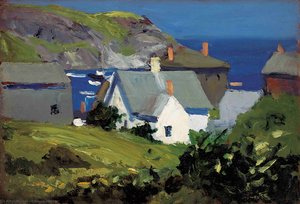
Náhled v interiéru
 Sdílet
 Sdílet
 Podrobnosti o díle
 Průvodce

 Stáhnout
 Podobné položky
 Rentgenové snímky
 Slideshow
 Q&A
Q&A Statistiky
le pavillonde flore


Edward Hopper’s evocative painting captures a poignant stillness—a solitary building bathed in muted light against a towering clock tower—reflecting the artist's signature style and capturing the mood of mid-century American realism. Explore this masterpiece and bring its quiet beauty into your home.
 Zobrazit více
Edward Hopper: mističný malíř americké izolace a melancholie. Jeho ikonické obrazy, jako Nighthawks, zachycují tichou krásu moderního života a hluboké úvahy o lidské existenci.
Umělecké dílo zobrazené na této stránce je chráněno autorským zákonem, což znamená, že nemůžeme legálně vytvářet ani prodávat jeho identickou reprodukci. Tato ochrana je vymáhána na základě mezinárodních dohod, jako například Berberská úmluva a národními zákony, včetně těch stanovených v Americký autorský zákon – Díl 17. Všechna práva vyhrazena.
Tato metoda je plně v souladu s autorským právem, protože nezahrnuje kopírování ani duplikování chráněného díla. Jde o kreativní reinterpretaci – nový obraz, který je inspirován originálem, ale není s ním identický.
Giclée / Umělecký tisk
Giclée nebo plátěný tisk muzeální kvality s rychlou výrobou a širokou nabídkou povrchových úprav. ( Koupit ručně malovaný obraz Přepnout na digitální obraz)




P118B Kč10

P118H Kč10

P118W Kč10

P438Z Kč10

P508JH Kč12

P508YH Kč12

P805H Kč10

P805Z Kč10

P919BZ Kč10

P919G Kč10

P919XJ Kč10

P959ZH Kč10

P968JZ Kč12

W106C Kč8

W218G Kč10

W218JH Kč8

W218Y Kč10

W307PJ Kč10

W316G Kč10

W316PJ Kč8

W316Y Kč10

W398PJ Kč8

W4111J Kč10

W500HY Kč15

W500JH Kč15

W692G Kč12

W849H Kč8

W940BG Kč15

W953PJ Kč8




Standardní velikost
na zakázku
CM
INCH
Vyberte si z našich přednastavených velikostí, které odpovídají původním proporcím díla.
Loading sizes...

šířka
výška
Zadejte šířku a výšku, které potřebujete pro váš rám nebo stěnu. Tisk lze pouze oříznout, nikdy však nelze zvětšit obraz nad jeho původní rozměr, proto při výběru jiného formátu dochází ke ztrátě části obrazu. Před samotným tiskem vám zašleme digitální náhled k schválení. Obraz zobrazený na této stránce nenabízí skutečný výřez — ten uvidíte pouze v náhledu.
Celosvětové doručení () do 2 týdnů namísto standardních 4/5 týdnů. (30 říjen)

Zdarma celosvětová expresní doprava

Vysoce kvalitní lněné plátno

Kompletní pojištění přepravy

Záruka vrácení celního poplatku

Záruka věrného barevného souladu

100dení lhůta pro vrácení zboží (pouze při vadách výroby)

100% záruka vrácení peněz

Sleva při více objednávkách
 Skleněná varianta je dostupná pouze u rozměrů menších než 110 cm

le pavillonde flore
Giclée / Umělecký tisk
Rozměry reprodukce
-


Celková cena za vybrané možnosti reprodukcí
Kč 1499
A Study in Architectural Stillness
The scene presented by this painting, le pavillonde flore, immediately draws the eye into a tableau of imposing, yet strangely quiet, architecture. Dominating the composition is a grand structure, reminiscent of European civic buildings or perhaps an elaborate estate pavilion, crowned with a prominent clock tower and steeple. The facade itself speaks of permanence and measured time, emphasized by the visible clocks marking moments both central and peripheral to the main edifice. To the left, a smaller ancillary building anchors the foreground, lending a sense of lived-in reality to the grand backdrop. It is a setting that feels simultaneously public and deeply private.
The Echoes of Modern Life
What elevates this piece beyond mere architectural documentation is the subtle infusion of contemporary life into what otherwise appears to be a historical monument. The presence of a parked truck, its hood open as if awaiting inspection or repair, grounds the scene firmly in a specific, modern moment. Near this vehicle stand two figures, their posture suggesting contemplation—perhaps they are admiring the craftsmanship of the building, or perhaps they are simply pausing amidst the rhythm of daily routine. These elements—the mechanical interruption against the backdrop of enduring stone—create a fascinating dialogue between the passage of time measured by gears and hands, and the fleeting moments of human interaction.
Mastery in Light and Shadow
While the artist's hand is not explicitly named for this particular work, the overall mood resonates with the sensibilities of masters who understood the poetry inherent in light. The technique appears to favor a detailed realism, allowing the interplay of sunlight and shadow to sculpt the various planes of the buildings. One can almost feel the quality of the air—the crispness that illuminates the stonework while casting deep, contemplative shadows into recessed doorways. This careful handling of illumination is key; it prevents the grand architecture from feeling cold, instead imbuing it with a palpable sense of atmosphere.
Symbolism and Emotional Resonance
The emotional impact of le pavillonde flore lies in its masterful ambiguity. The clock tower itself serves as a potent symbol: time passing inexorably, yet the stillness captured by the brushstrokes suggests a momentary pause from that relentless march. The juxtaposition of the monumental and the mundane—the castle-like pavilion against the utilitarian truck—invites the viewer to contemplate their own place within the flow of history and daily existence. It speaks to moments of quiet observation, where grand structures meet the intimacy of human endeavor.
Bringing the Scene Home
For the collector or designer seeking a piece that anchors a space with intellectual depth, this reproduction offers more than just decoration; it offers contemplation. Imagine this scene rendered in your drawing-room or study—the solid presence of the architecture providing gravitas, while the subtle narrative elements invite conversation and reflection. It is an artwork perfect for those who appreciate the beauty found not in dramatic action, but in the quiet, enduring poetry of a well-observed moment.
Otázky a odpovědi
Jaké je historické postavení díla "le pavillonde flore"?
Z historického hlediska je „le pavillonde flore“ dílem stylů American Realism, které patří do širší éry Modern.
Kolik lidí si prohlíží „le pavillonde flore"?
Statistiky k dílu „le pavillonde flore“ od Edward Hopper naleznete na stránce Statistiky tohoto díla: měsíční návštěvnost díla, návštěvnost děl daného umělce a rozpis nedávných návštěvníků podle zemí a jazyků.
Kde mohu koupit print díla „le pavillonde flore“ od Edward Hopper?
Pokud si chcete pořídit tisk díla „le pavillonde flore“ od Edward Hopper, stačí si jej objednat přímo na jeho stránce Kvalitní umělecký tisk: umělecký tisk na bavlněném plátně nebo archivním plátnovém papíře.


Biografie umělce
A Solitude Observed: The Life and Art of Edward Hopper
Edward Hopper, jméno neodmyslitelně spojené s klidovou melancholií a subtilní atmosférou 20. století amerického života, nebyl jen malíř scén; byl básník světla a stínu, kronikář moderního osamělosti. Narodil se v Nyacku, New Yorku, v roce 1882, jako syn zavedené rodiny s holandskými kořeny, jeho rané roky poskytly stabilní prostředí, které podpořilo jeho umělecké sklony. Od dětích skic, pečlivě datovaných a podepsaných, bylo patrné, že ostrá pozorování a vrozený talent pro kreslení byly centrální součástí jeho bytosti. Ačkoli byl počátečními pokyny rodičů k komerčnímu ilustrování – pragmatickému návrhu, který zohledňoval jejich očekávání – Hopperovy ambice směřovaly k umění, což ho vedlo na New Yorkskou školu umění, kde studoval pod vedením Williama Merritt Chase a Roberta Henriho. Tyto formativní roky ne jenom vštěpily technickou zručnost, ale také ocenění realismu a závazek k zobrazování světa tak, jak ho viděl – nezfalšovaného a upřímného. Texty Ralfa Waldodora Emersona hluboce rezonovaly s Hopperem, posilujíc jeho individualistický smysl a ostré pozorování – vlastnosti, které se staly charakteristickými rysy jeho umělecké vize. Raná cestování do Paříže vystavila Hopperovi impresionismus, ale rychle se od něj odlišil svými mihotavými štětinami, utvářejíc svou vlastní jedinečnou cestu.Finding His Voice: Realism and the American Scene
Hopperova umělecká cesta nebyla okamžitá ani snadná. Závazně se snažil objevit svůj vyjádřivý hlas, experimentoval s různými styly, než se usadil v realismu, který definoval jeho kariéru. Nebylo to pouhé zobrazení reality; bylo to destilace její podstaty, odstraňování nadbytečných detailů k odhalení hlubších emocionálních pravd. Jeho obrazy začaly soustředit na každodenní scény – domy, restaurace, kanceláře, hotelové pokoje – nabité pocitem klidu a často osamělosti. Vlastnil mimořádnou schopnost zachytávat psychologické stavy svých subjektů, naznačující příběhy bez explicitního vyjádření. Přesné zobrazení světla a stínu se stal klíčovým prvkem, ne jenom jako popisných prvků, ale i jako emocionálních vodítek, vytvářející atmosféry, které byly zároveň fascinující a znepokojivé. House by the Railroad (1925), raný mistrovský kousek, ukazuje tento přístup – zdánlivě jednoduchá kompozice vyzařuje hluboký pocit izolace a tajemství. Hopperova grafika, často opomíjená, probíhala paralelně s malbou, sdílejíc podobné témata a stylistické prvky, což dokazuje jeho mistrovství v různých médiích. Nebyl zájem o rozsáhlé historické příběhy nebo alegorickou symboliku; soustředil se na každodenní život, zvedl ho k obrazu světa pomocí pečlivého pozorování a emocionálního rezonance. Jeho manželka, Josephine Nivison Hopper, hraje klíčovou roli nejen jako jeho věrný společník, ale také jako častá modelka, přispívající k charakterizaci jeho ženských postav.Iconic Visions: Nighthawks and Beyond
Ačkoli se Hopperova kariéra vyvíjela postupně, určité díla catapultovala ho k širokému uznání. Nighthawks (1942), pravděpodobně jeho nejznámější obraz, okamžitě se stal ikonou americké kultury. Pozdní noční restaurace, osvětlená ostrým fluorescenčním světlem, dokonale zachycuje alienation a anonymitu moderního městského života – hluboký komentář lidské existence. Postavy v obraze jsou ztraceny ve svých vlastních myšlenkách, odpojené od sebe navzdory své blízkosti—zajímavá ukázka lidské podstaty. Gas (1940), s jeho působivým zobrazením čerpací stanice na silnici, demonstruje Hopperovu fascinaci americkým krajem a rozvíjející se automobilovou kulturou. Další významné díla, jako *Automat*, *Office in a Small City* a *Summertime* nabízejí každý jedinečný pohled do složitostí 20. století americké společnosti. Tyto obrazy nebyly jenom zobrazení míst; byly to průzkumy nálady, psychologie a jemných dramatických dějů, které se odehrávají v každodenních prostředích. Jeho dílo má nezměrný vliv na pozdější umělce. Jeho jedinečný styl inspiroval nespočet malířů, včetně Pierreho Sanforda Rossa, a pokračuje v rezonovat s moderními umělci, kteří se snaží zachytit podstatu lidského zážitku. Jeho obrazy zůstávají vyhledávané sběrateli a jsou vystavovány ve významných muzeích po celém světě, posilujíc jeho místo jako klíčové postavy v americkém umění. Více než jen umělec byl Edward Hopper vizuální filozof, který nabízel hluboké poznatky o lidské existenci prostřednictvím mistrovského použití světla, stínu a kompozice.Themes and Legacy: A Lasting Influence
Řada opakujících se témat proniká Hopperovým dílem. Osamělost je možná nejvýraznější—pocit izolace, který zažívají jednotlivci i v davu. Zkoumal americký krajinu, jak venkovskou, tak městskou, často zdůrazňoval její tvrdost a prázdnotu. Jeho dílo se zabývá psychologickým realismem, prozkoumává vnitřní životy svých subjektů s citlivostí, která přesahuje pouhé zobrazení. Existuje i podtón nostalgie za jednodušší minulostí, juxtapozice s uvědoměním si složitostí a obav moderního života. Hopperův vliv na pozdější umělce je nepopiratelný. Jeho jedinečný styl inspiroval nespočet malířů a pokračuje v rezonovat s moderními umělci, kteří se snaží zachytit podstatu lidského zážitku. Jeho obrazy zůstávají vyhledávané sběrateli a jsou vystavovány ve významných muzeích po celém světě, posilujíc jeho místo jako klíčové postavy v americkém umění. Jeho dílo pokračuje v fascinaci diváků, protože se dotýká univerzálních témat osamělosti, izolace a hledání smyslu v rychle se měnícím světě. Jeho obrazy se staly ikonickými reprezentacemi americké kultury, často používanými k symbolizaci obav a aspirací 20. století—a nadále. Hopperův estetický styl má hluboký dopad na filmaře (jako Alfred Hitchcock) a spisovatele, inspiroval nespočet děl, která zkoumají podobná témata alienation a psychologické napětí.- Jeho dědictví nespočívá jenom v kráse jeho obrazů, ale také v jejich trvalé schopnosti vyvolávat myšlenky, evokovat emoce a připomenout nám klidovou izolaci, která často definuje naše životy.
- Hopperovo dílo pokračuje v fascinaci diváků, protože se dotýká univerzálních témat osamělosti, izolace a hledání smyslu v rychle se měnícím světě.
- Jeho obrazy se staly ikonickými reprezentacemi americké kultury, často používanými k symbolizaci obav a aspirací 20. století—a nadále.
- Hopperův estetický styl má hluboký dopad na pozdější filmaře (jako Alfred Hitchcock) a spisovatele, inspiroval nespočet děl, která zkoumají podobná témata alienation a psychologické napětí.

Edward Hopper
1931 - 1967 , Spojené státy americké
Rychlé informace o umělci
- Artistic Movement Or Style: Realismus
- Artists Or Movements Influenced By This Artist: ['Ross']
- Artists Who Influenced This Artist:
- Chase
- Henri
- Date Of Birth: 22. července 1882
- Date Of Death: 15. května 1967
- Full Name: Edward Hopper
- Nationality: Americký
- Notable Artworks:
- Nighthawks
- House by the Railroad
- Place Of Birth: Nyack, USA
Související články
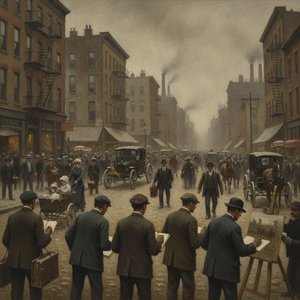
The Ashcan School: Capturing the Raw, Unfiltered Soul of Urban Life through American Realism
Discover the raw beauty of the Ashcan School. Explore how masters like Bellows and Henri captured the gritty, vibrant soul of early 20th-century New York through profound American Realism and evocative urban landscapes.

The Unvarnished Truth: A Cultural Journey Through the Soul of American Realism
Explore the profound beauty of American Realism. From the Ashcan School's urban grit to intimate portraits, discover how artists captured the authentic soul of a nation through unvarnished truth and masterful observation.

Capturing the Soul of Nature: A Journey Through the Sublime Majesty of American Romanticism
Explore the breathtaking beauty of American Romanticism. Discover how Hudson River School masters captured the sublime spirit of the wilderness through luminous oil landscapes and emotional depth. A journey into the soul of nature for the true art enthusiast.
Prozkoumejte umělecká díla uspořádaná podle témat, stylů a charakteristik.